


Nest Notes
First Time Home Buyer New Construction vs. Resale: The Math Most Buyers Miss

June 22, 2026
Most first-time buyers default to resale because they assume new construction is out of reach. The actual math is more interesting than that.
On paper, a resale home can look like the more affordable option. It’s already built, it may have a lower sticker price and it feels more familiar. But price is only part of the equation. When you compare total monthly cost, maintenance risk, energy use, warranty coverage, and available financing incentives, new construction for first-time buyers starts to look a lot more practical.
That’s especially true here in South Central Pennsylvania, where the price gap between new and resale has tightened and buyers have more options than they did a few years ago. At Garman Builders, we see first-time buyers rule out a new home too early, before they’ve looked at what they’d actually be paying and what they’d actually be getting.
If you’re weighing a first-time buyer's new home vs resale decision, here’s what to look at before you assume resale is the safer bet.
Key Takeaways
- First-time buyers often assume resale is cheaper, but total cost of ownership tells a different story
- A new construction home can reduce surprise costs through warranty coverage, energy efficiency and fewer early repairs
- Builder incentives, including rate buydowns and closing cost help where applicable, can make monthly payments more manageable
- Quick-move-in homes give first-time buyers a faster timeline with the benefits of a new home
- New homes often include modern layouts, updated systems and better everyday function than older resale homes
- In Pennsylvania, new homes typically include 1-year workmanship, 2-year systems and 10-year structural warranty protection
- Comparing a new townhome to a similarly priced resale home over five years often reveals a narrower gap, or even savings in favor of new construction
Why First-Time Buyers Usually Start With Resale
The assumption makes sense. Resale feels like the default path because it looks simpler from the outside.
A lot of first-time buyers come in with the same concerns:
- New construction is too expensive
- The timeline takes too long
- There are too many design decisions
- Living near construction sounds like a hassle
Those concerns are real. But they don’t tell the whole story, especially if you’re looking at a quick-move-in home or a builder with a clearer buying process and affordability support.
The bigger issue is this: buyers compare purchase prices, but they don’t always compare ownership costs.
That’s where the decision changes.
Is New Construction Too Expensive for a First Time Home Buyer?

Short answer: not automatically.
A first time home buyer new construction purchase may have a comparable, or slightly higher, base price than an older resale home. But that doesn’t mean it costs more to own.
Purchase price is not the full math
A resale home priced at $325,000 and a new home priced at $325,000 are not equal products. One may come with an aging roof, older HVAC equipment, less insulation, outdated windows and immediate repair needs. The other comes with new systems, current building standards, warranty protection and lower maintenance risk.
That difference matters most in the first five years, when first-time buyers are often the least prepared for large unexpected expenses.
The monthly payment can shift with builder incentives
Nationally, builders have been using incentives aggressively to help buyers move forward. According to NAHB data referenced in our market research, 67% of builders have offered incentives and 41% have cut prices. That matters because incentives can improve affordability without requiring buyers to chase a lower sticker price alone.
At Garman, our affordability approach includes Garman Pathways™ and rotating offers that may include flex cash or other savings opportunities, depending on the home and timing. For first-time buyers, that can mean help with upfront cash requirements, more payment flexibility and more confidence about moving forward responsibly.
On resale, sellers may offer concessions. But it’s far less predictable, and it usually doesn’t come with the same structured financing support.
Does New Construction Take Too Long?
Sometimes, yes. But not always.
If you’re building from the ground up and choosing finishes from the start, the process takes time. That’s true. But first-time buyers often assume every new home requires a long build timeline. It doesn’t.
Quick-move-in homes change the equation
Quick-move-in homes are often the sweet spot for first-time buyers. They offer a much shorter timeline, often with designer-selected finishes already in place, while still giving you the core benefits of buying new.
That means you can move faster, like you would with resale, but still get:
- New systems and materials
- Warranty coverage
- Better energy performance
- Modern layouts
- Lower maintenance needs from day one
For buyers who want a practical path into homeownership, quick-move-in inventory is usually where we tell them to start. It removes a lot of the complexity people associate with building.
You can explore our current available homes to see what that looks like in real terms.
Is There Too Much Customization in a New Build?
Only if you want there to be.
This is another place where first-time buyers tend to imagine the full custom process, even when that’s not what they need.
You do not have to design everything from scratch
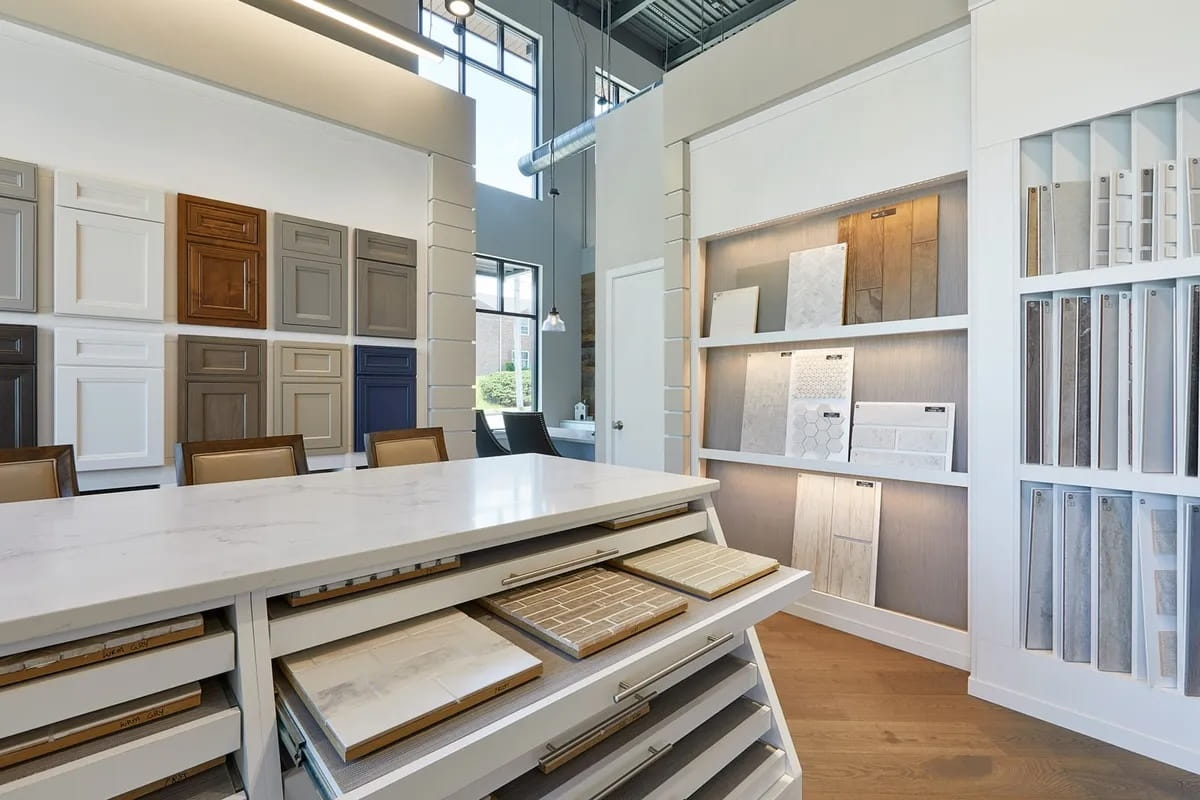
With a full build, yes, there are more decisions. But at Garman, buyers have support through our in-house Design Studio and Online Design Studio, which makes the process more guided and manageable. And if that still sounds like too much, quick-move-in homes simplify the entire thing.
A first-time buyer does not need unlimited options. Most want a home that looks current, works well and doesn’t require immediate projects. A well-designed new home handles that.
This is one reason first time buyer new build options can be more approachable than buyers expect. The process is not one-size-fits-all.
Will You Have to Deal With Ongoing Construction?
Sometimes, depending on the community and phase. But that concern also needs a little context.
In a growing neighborhood, there may be homes still under construction nearby. That can mean temporary traffic, trade activity or unfinished sections in earlier phases.
But there’s another side to that. You’re also moving into a home with brand-new infrastructure, newer streetscapes, coordinated design standards and neighbors who are starting fresh too. For a lot of first-time buyers, that tradeoff is worth it.
And if you want to minimize that issue, quick-move-in homes in more established sections of a community can help.
The New Construction Advantages First-Time Buyers Often Miss
This is the part buyers tend to skip. They compare the list price, maybe the square footage, then move on.
That’s not enough.
Warranty Coverage Reduces Early Ownership Risk
One of the clearest advantages of new construction for first time buyers is warranty protection.
In Pennsylvania, a typical new construction warranty structure includes:
- 1-year workmanship coverage
- 2-year systems coverage
- 10-year structural coverage
That matters because first-time buyers usually don’t have extra cash sitting around for the first surprise repair. In a resale home, if the dishwasher fails, if an electrical issue shows up, if a plumbing problem was hidden behind a fresh coat of paint, that’s your bill.
With a new home, you start from a more protected position.
At Garman, customer care continues beyond settlement, including follow-ups after move-in. That’s part of giving buyers confidence from contract to closing, and after.
Energy Efficiency Lowers Utility Costs From Day One
This is one of the easiest places to overlook real savings.
Garmans homes are HERS tested and proven to be 37% more efficient than the average home built today. We also build with continuous insulation and smarter wall systems that support better comfort, durability and lower energy waste.
For a first-time buyer, that translates into simpler benefits:
- Lower utility bills
- More even temperatures
- Better comfort in summer and winter
- More confidence in the monthly costs
Older resale homes can carry hidden monthly drag. Drafty windows, older insulation, aging HVAC systems and inconsistent air sealing all add up. You might save on the purchase price, then lose that advantage every month on utilities.
For more on how we build, visit our energy efficiency page.
Builder Financing Incentives Can Change Affordability Fast
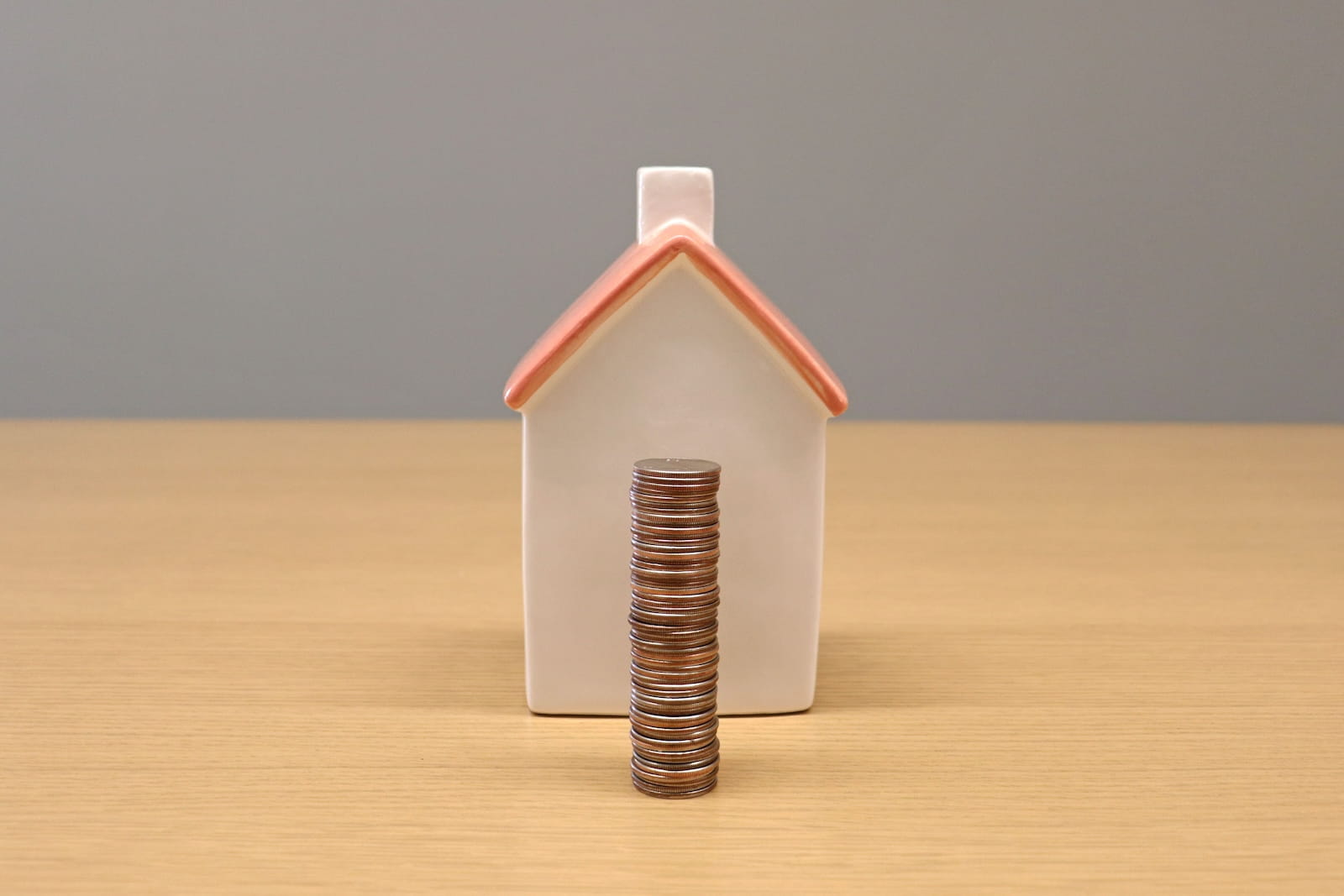
This is a major factor in the first time buyer new home vs resale conversation, and it gets missed all the time.
Builders often work with preferred lenders who understand the homes, the timelines and the incentive programs attached to those homes. That can create savings or flexibility that simply are not available in a typical resale deal.
What first-time buyers may get from builder-affiliated financing
Depending on the home, market conditions and current promotions, builder-preferred lenders may offer:
- Rate buydowns
- Closing cost assistance
- Financing programs with lower upfront cash requirements
- More coordinated communication between sales, lending and settlement
- Incentive structures tied to specific inventory homes
At Garman, our financing information and Garman Pathways™ approach are designed to give buyers smarter ways forward, especially when affordability is the biggest question.
For first-time buyers, this matters because monthly payment often matters more than headline price. A lower rate, seller contribution or structured incentive can make the difference between “not yet” and “this actually works.”
No Deferred Maintenance
This one is simple.
In a resale home, you inherit the previous owner’s maintenance timeline. Sometimes that’s fine. Sometimes it means a roof at the end of its life, an old water heater, worn flooring, old appliances or a furnace that works until it doesn’t.
And the inspection does not erase that risk. It only helps identify it.
With a new home, you begin with new materials, new systems and a clean maintenance runway. That has real value in years one through five, when first-time buyers are still building savings after closing.
Avoiding a $12,000 to $15,000 roof replacement in year three is not a small thing. Neither is skipping the old-HVAC guessing game.
Modern Layouts and Features Work Better From the Start
A lot of resale homes ask buyers to compromise on how they actually live.
Maybe the kitchen is closed off. Maybe there’s no pantry. Maybe there’s no real drop zone near the garage, nowhere to work from home and not enough outlets where you need them. Maybe the bedroom layout doesn’t give you privacy, or the storage just isn’t there.
New homes are designed around the way people live now.
That can include:
- More open gathering spaces
- Better bedroom separation
- Smarter storage
- Modern kitchen layouts
- Better lighting and outlet placement
- Pre-wires and technology planning that older homes often lack
This is part of what we mean by Built for the Way You Live. A new home is not just newer. It’s usually better aligned with daily life.
Quick-Move-In Homes Are Often the Best First Step
If you’re asking, “should first time buyers build new?” this is usually where we point first.
A quick-move-in home gives you the practical middle ground:
- Faster timeline
- Less decision fatigue
- New-home warranties
- Current design selections
- Energy-efficient construction
- Possible inventory-specific incentives
For many buyers, it removes the biggest objections in one shot.
You don’t need to wait through a full build. You don’t need to make every design choice. You don’t need to inherit someone else’s maintenance backlog either.
In Garman communities, quick-move-in townhomes are often especially strong first-time buyer options because they pair attainable pricing with low-maintenance living and better efficiency. That’s a smart combination when you’re buying your first home and trying to keep things manageable.
A 5-Year Cost Example: $325K New Construction Townhome vs. $325K Resale Single-Family
Let’s walk through a simplified example. This is not a guarantee of actual costs, because taxes, insurance, rates, utilities and home condition vary. But it’s a useful framework.
Scenario A: New construction townhome at $325,000
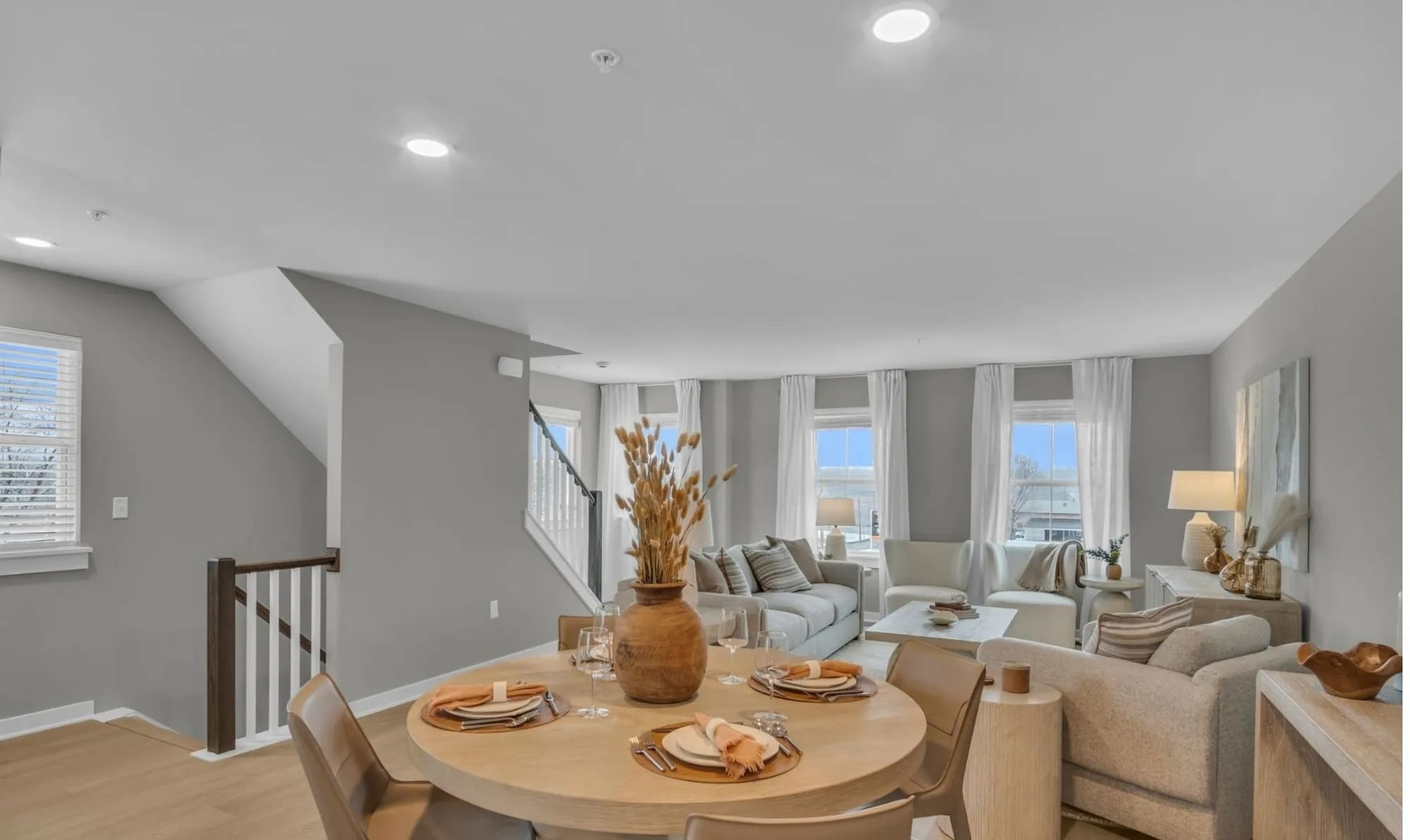
Assumptions:
- New townhome purchase price: $325,000
- Lower utility costs due to stronger energy performance
- Warranty protection in early years
- Minimal repair and replacement costs in years 1 to 5
- Possible builder incentive support depending on current offers
Scenario B: Resale single-family home at $325,000
Assumptions:
- Same purchase price: $325,000
- Higher utility costs due to older systems or weaker envelope performance
- No builder warranty
- Moderate repair and maintenance costs over 5 years
- Fewer financing incentives
Where the difference usually shows up
1. Utilities
If the resale home costs even $100 more per month in utilities, that’s $6,000 over five years.
2. Repairs and replacements
A few common examples:
- Water heater replacement: $1,500 to $2,500
- HVAC repair or replacement contribution: several thousand dollars
- Appliance replacement: $2,000 to $5,000 depending on what fails
- Roof work: potentially much more
Even a conservative five-year repair total of $8,000 to $15,000 on resale is not unusual.
3. Financing structure
If a builder incentive lowers the effective monthly payment through a rate buydown or helps with closing costs, that can create meaningful savings upfront and over time.
4. Maintenance time and stress
This is harder to quantify, but it matters. A first-time buyer dealing with repairs in year one usually feels that cost twice, once financially and once mentally.
What the five-year picture can look like
A resale home can still be the right fit. But when buyers compare:
- higher utility costs
- repair exposure
- maintenance uncertainty
- fewer incentives
against a new construction townhome with warranty coverage and better energy performance, the gap narrows fast.
In some cases, the new home comes out ahead. In others, it costs about the same over five years while giving the buyer more predictability and less risk.
That’s why first-time buyers should not stop at sticker price.
Why Builder-Preferred Lenders Matter for First-Time Buyers
This deserves its own section because it’s one of the clearest benefits in a first time home buyer new construction purchase.
A builder-preferred lender is not just there to process a loan. When the partnership is working well, they help make the transaction more coordinated and more understandable for the buyer.
What first-time buyers gain
Better alignment with the build or move-in timeline
The lender understands the builder’s process, documentation and deadlines, which helps reduce surprises.
Access to incentive-linked financing
Some offers only apply when a buyer uses the preferred lender. That can include closing cost help, temporary or permanent rate buydowns or inventory-specific savings.
A more guided experience
First-time buyers usually need more explanation and more visibility into what comes next. The right lender helps with that.
Payment-focused strategy
In today’s market, the better question is often “what can I comfortably afford each month?” not “what’s the lowest list price I can find?” Preferred lenders and builder programs can help answer that more clearly.
At Garman, that approach lines up with our customer-first philosophy. We want buyers to feel informed, supported and confident, not pressured.
So, Should First-Time Buyers Build New?
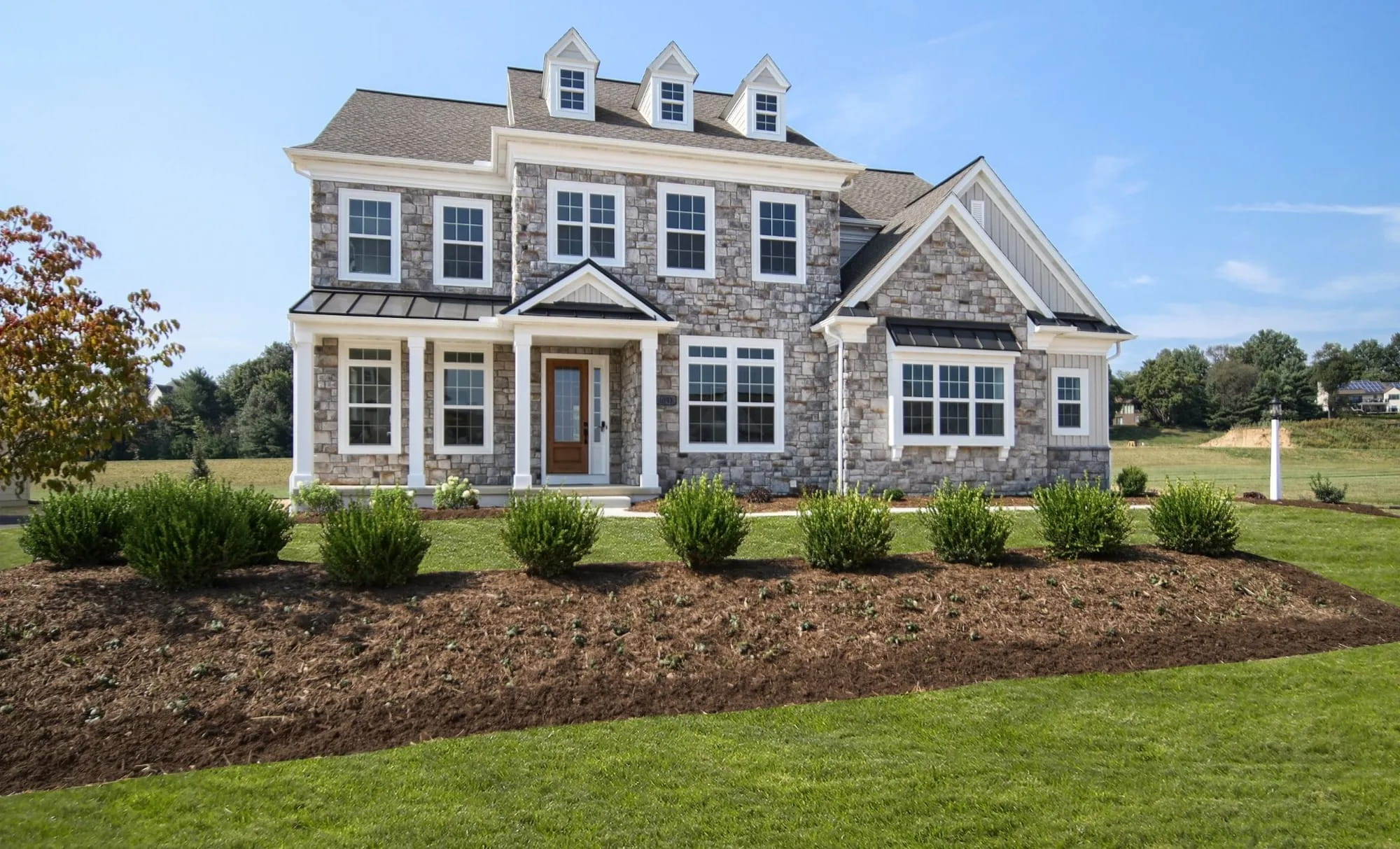
Yes, if the numbers work and the home fits your life.
No, not every first-time buyer should automatically choose new construction. But every first-time buyer should compare it seriously before ruling it out.
That’s the real takeaway.
The old assumption was simple: resale is the affordable starter option, new construction is for later. That assumption doesn’t hold up as cleanly as it used to, especially in a market where new homes are more competitive, incentives are more common and buyers are paying close attention to monthly cost.
If you want a home with lower maintenance, stronger efficiency, modern design and more predictable early ownership costs, new construction deserves a place on your list.
And if you want the easiest way to test that option, start with quick-move-in homes.
Explore a Smarter First Step
If you’re comparing a first time buyer new build to resale, we’re here to help you look at the real math, not just the sticker price.
Explore our available homes, learn more about our financing options and see how our homes are built for efficiency. If you want to talk through what makes sense for your budget and timeline, contact our team. We’ll help you find a smarter way forward.
FAQ: First-Time Buyer New Construction Questions
Is new construction good for first-time buyers?
Yes. New construction can be a strong option for first-time buyers because it reduces maintenance risk, includes warranty protection and often offers better energy efficiency and financing incentives than resale. The key is comparing total ownership cost, not just purchase price.
Should first time buyers build new or buy resale?
First-time buyers should compare both. Resale may offer established neighborhoods and immediate availability, while new construction offers lower maintenance, modern layouts, warranties and potential builder incentives. The better choice depends on monthly payment, timeline and long-term ownership costs.
Is new construction more expensive than resale?
Not always. A new home may have a similar or slightly higher purchase price, but lower utilities, fewer repairs and builder financing incentives can narrow the gap or offset it over time. Total cost of ownership is the more useful comparison.
What are the benefits of a new build for first-time buyers?
The biggest benefits are warranty coverage, energy efficiency, fewer immediate repairs, updated layouts, new systems and possible financing incentives. Quick-move-in homes also offer a faster path to ownership without the maintenance uncertainty of older resale homes.
Are there incentives for first-time buyers buying new construction?
There can be. Builders may offer incentives such as rate buydowns, closing cost assistance, flex cash or inventory-specific savings. Availability varies by builder, lender and community, so buyers should ask what applies to the home they’re considering.
What is a quick-move-in home?
A quick-move-in home is a new home already under construction or completed, often with design selections already chosen. It allows buyers to move sooner than a full build while still getting the benefits of a newly built home.
Do new homes come with a warranty in Pennsylvania?
Yes. In Pennsylvania, new homes commonly include 1-year workmanship coverage, 2-year systems coverage and 10-year structural warranty protection. Buyers should always confirm the specific warranty terms with the builder.
Latest Posts
September 16, 2026
Buying a Home From Out of State? Here's How a Quick Move-In Home Solves the Distance Problem
September 16, 2026
How to Buy a House Without Touring First: Shopping for a New Home Remotely
September 16, 2026
Meet Wynfield's New Event Coordinator
September 16, 2026
What Makes Wynfield at Annville the Best 55+ Community in Lebanon County
September 16, 2026
Wynfield at Millersville Basement Homes: Three Homesites With a $48K Basement Package Included
September 16, 2026
Why Annville, PA Deserves a Spot on Your 55+ Community List, Even If You Haven't Found It Yet
September 14, 2026
Finish Your Basement After Closing: A New Construction Buyer's Guide to Rough-In vs. Finished Basements
September 14, 2026
Things to Do in Millersville, PA: A Local's Guide Beyond the Restaurant Scene
September 14, 2026
Do New Homes Come With Blinds? What to Know About Window Treatments After Closing
Previous Article


 0
0