


Nest Notes
14 Pet Room Ideas You Can Set Up Without a Renovation

July 30, 2026
A pet space does not require a renovation. Most of the best ones are a corner, a piece of furniture and a little intention.
That’s good news if you’re still shopping for a home, just moved in or want your current place to work better without tearing into walls. The right pet setup can clear bowls out of the walking path, cut down on living room clutter and give your dog or cat a spot that actually feels like theirs. It also helps your home look pulled together, not like pet gear slowly took over.
We see this come up often because buyers are not just thinking about bedrooms and square footage. They’re thinking about everyday life. Where does the crate go? Where do the leashes land? Is there a quiet spot for an anxious dog during storms? The answers usually do not require construction. They require better use of the space you already have.
Key Takeaways
- The best pet room ideas usually do not need a contractor, a permit or a dedicated room
- A well-set-up pet space reduces clutter, improves routine and helps pets settle faster
- Under-stair areas, flex rooms, mudrooms and spare corners often work better than fully separate pet rooms
- Cats benefit from vertical territory, window perches and enclosed resting spots
- Dogs do better when feeding, storage and calming spaces are built into the daily flow of the home
- Smart storage and a limited color palette keep pet gear from making the whole room feel messy
- Seasonal changes matter in Pennsylvania, especially bed placement near drafts in winter and sun exposure in summer
Why a Dedicated Pet Space Is Worth Setting Up
A dedicated pet space is a defined area for feeding, resting, storage, grooming or play that helps your pet know where things belong and helps you keep the house in order.
It solves a bunch of small daily annoyances at once. The bowls are not in the middle of the kitchen. The toy pile does not keep spreading. The leash is near the door you actually use. And your pet has a spot that feels familiar, which usually means a calmer dog or cat.
It also changes how the house looks. There’s a difference between pet-friendly and pet-cluttered. A good setup lets your home still feel like an adult lives there.
1. The Multi-Purpose Pet Station
One of the easiest dog room ideas is not a room at all. It’s a station folded into a space you already use every day.
The end of a kitchen island works well. So does a laundry room corner or a mudroom wall. Add bowls on a washable mat, food in a sealed canister that fits your kitchen style and hooks nearby for leashes or harnesses. If medications or waste bags are part of the routine, give them a bin too.
This works because everything lives where you already stand every morning. No extra trip, no scattered supplies.
2. The Under-Stair Nook
That awkward under-stair space is some of the most underused square footage in a home. It also makes an excellent pet nook.
A bed, a small rug, a curtain or simple panel for privacy and a soft light are usually enough. Cats and dogs both tend to like enclosed, lower-ceiling spaces because they feel sheltered. In a lot of homes, they drift there on their own anyway.
If you’re comparing layouts, this is one reason stair placement matters. Our post on Single-Story vs. Two-Story Homes: Which Layout Is Right for Your Stage of Life? can also help you think through stairs and pet mobility as dogs age.
3. Vertical Space for Climbers
For cats, territory matters as much as comfort. One of the smartest cat room ideas is to go up, not out.
Wall-mounted shelves in a stepped pattern create a climbing route without taking floor space. A cat tree near a window gives them a perch, a nap spot and a lookout in one piece. In a smaller home, this is often the best way to create a real pet zone without sacrificing usable square footage.
This idea can work for small, agile dogs too, as long as the lowest landing is easy to access and the setup stays stable.
4. The Window Seat Perch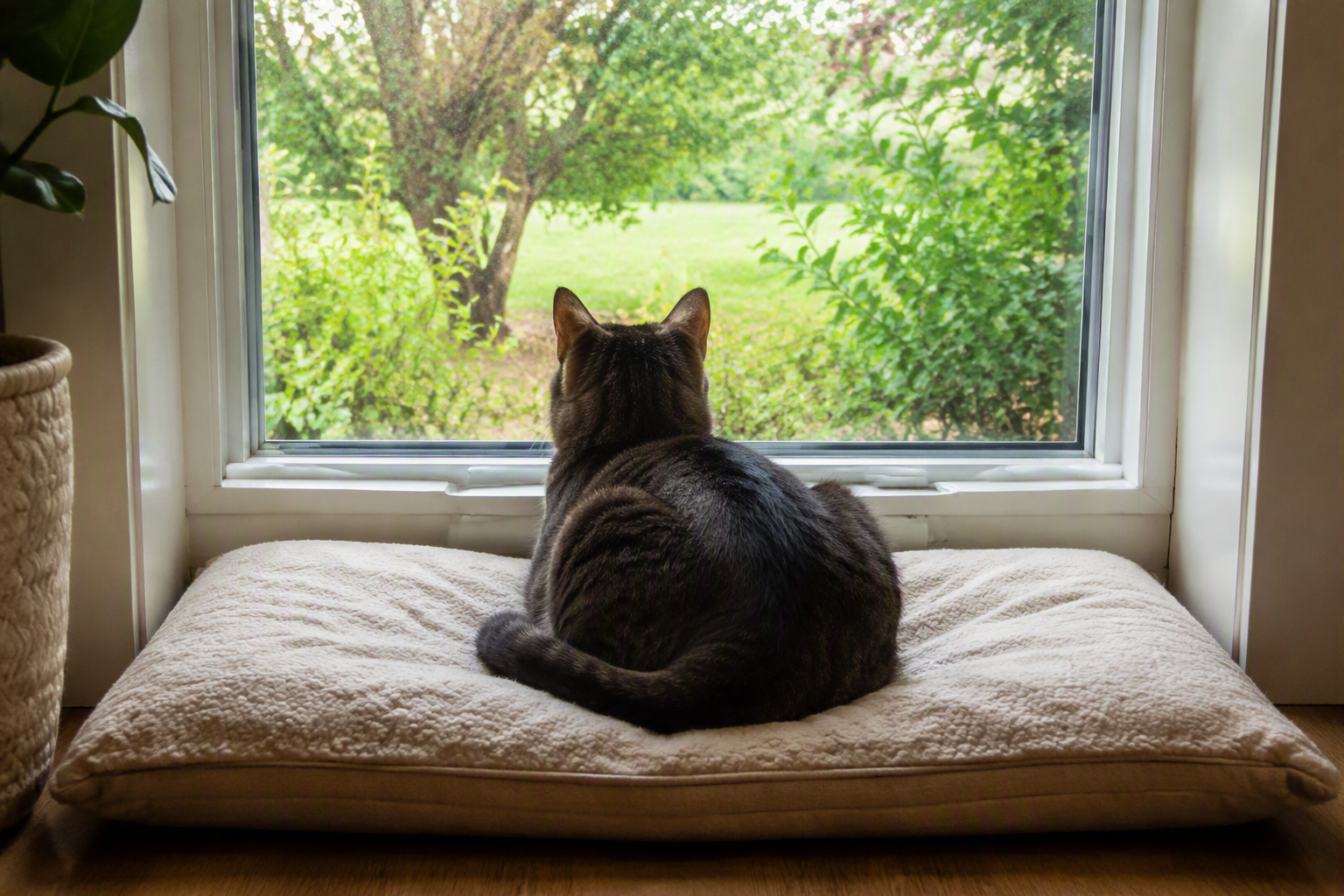
This is the cheapest high-impact idea on the list. Put a cushioned bench or pet bed at a low window and let the outside do the work.
Choose a window with something to watch. The street, the driveway, a sidewalk or a bird feeder all hold attention far better than a blank side yard. For indoor cats especially, the perch becomes part lounge chair, part entertainment system.
5. The Convertible Pet Room
Not everyone wants a permanent pet room. A lot of people just want the option.
That’s where a guest room, flex room or bonus room earns its keep. Add a storage bench for toys, a bed in the corner and a washable rug. When guests come, the room shifts right back. Nothing permanent, nothing precious.
This works especially well in floor plans with extra flex space. Our blog on Multipurpose Spaces: Exploring Modern Flex Room Concepts gets into this kind of adaptable room planning, and How to Choose the Right Floor Plan for Your Family is a good place to start if you’re still deciding what type of space you need. Relevant floor plans with flex rooms, mudrooms or bonus rooms can also make these setups easier from day one.
6. Crate Camouflage
The biggest visual complaint most pet owners have is the crate in the living room. It’s useful. It’s necessary for some pets. It’s also often the first thing you see.
Furniture-style crates solve that fast. Some read like an end table, some like a low console. Another option is tucking a crate into a gap in a bookshelf or built-in-style furniture piece, then using a fitted cover to soften the look.
The goal here is simple: keep the function, lose the visual interruption.
7. Customized Pet Storage
A good pet setup depends on storage more than people think. If the basics have nowhere to go, the house starts feeling crowded.
Use labeled bins for food, toys, grooming supplies and medication. Put leash hooks at the door you actually use, not the one you meant to use. Add a shallow basket near the couch for the toys that migrate there anyway.
This is also one of the easiest pet storage ideas to maintain long term because it follows real habits instead of fighting them. For more organizing ideas, see our blog on 10 Lesser-Known Habits That Actually Keep Your Home Organized.
8. The Indoor Pet Garden
An indoor pet garden gives cats and some dogs a safe place to sniff, nibble and investigate without sacrificing your regular houseplants.
A sunny tray with cat grass, wheatgrass or pet-safe herbs is enough to start. If you want a few pet-friendlier plants nearby, good options include spider plant, Boston fern, areca palm and calathea. Just be careful with lookalike decor trends. According to the ASPCA’s toxic and non-toxic plant list, lilies, pothos, sago palm, philodendron and dieffenbachia are all plants to avoid around pets.
This works well on a laundry room ledge, a breakfast nook corner or near a low living room window.
9. A Calm Zone for Anxious Pets
Some pets need less stimulation, not more.
A calm zone should sit in a lower-traffic corner away from the front door, the television and the main household rush. Use a covered bed or a crate draped over three sides to make the space feel protected. For storm season and fireworks, a white noise machine or calming music helps dull the sharp outside noise.
This setup matters in Pennsylvania more than people expect. Summer thunderstorms, holiday fireworks and winter wind can all unsettle a noise-sensitive pet.
10. The Pet Tech Relaxation Setup
Pet tech is at its best when it removes friction from the day, not when it turns the house into a gadget display.
A treat-dispensing camera lets you check in and interact while you’re at work. An automatic feeder keeps meal timing consistent. A water fountain is especially useful for cats, which often drink more readily from moving water than a bowl. And a smart plug on a lamp means your pet’s corner does not sit pitch dark if you get home late.
This is a practical pet space in a small home because the upgrades add function without demanding more square footage.
11. The Grooming Corner
Grooming gets harder when every session starts with hunting for the brush.
Set up a stool, a small bin with brushes and nail clippers, a few towels and a washable mat in a laundry room or bathroom where cleanup is easy. Keeping everything in one place turns grooming into a routine instead of a full negotiation.
The space does not need to be elaborate. It just needs to be consistent.
12. Litter Box Concealment That Actually Works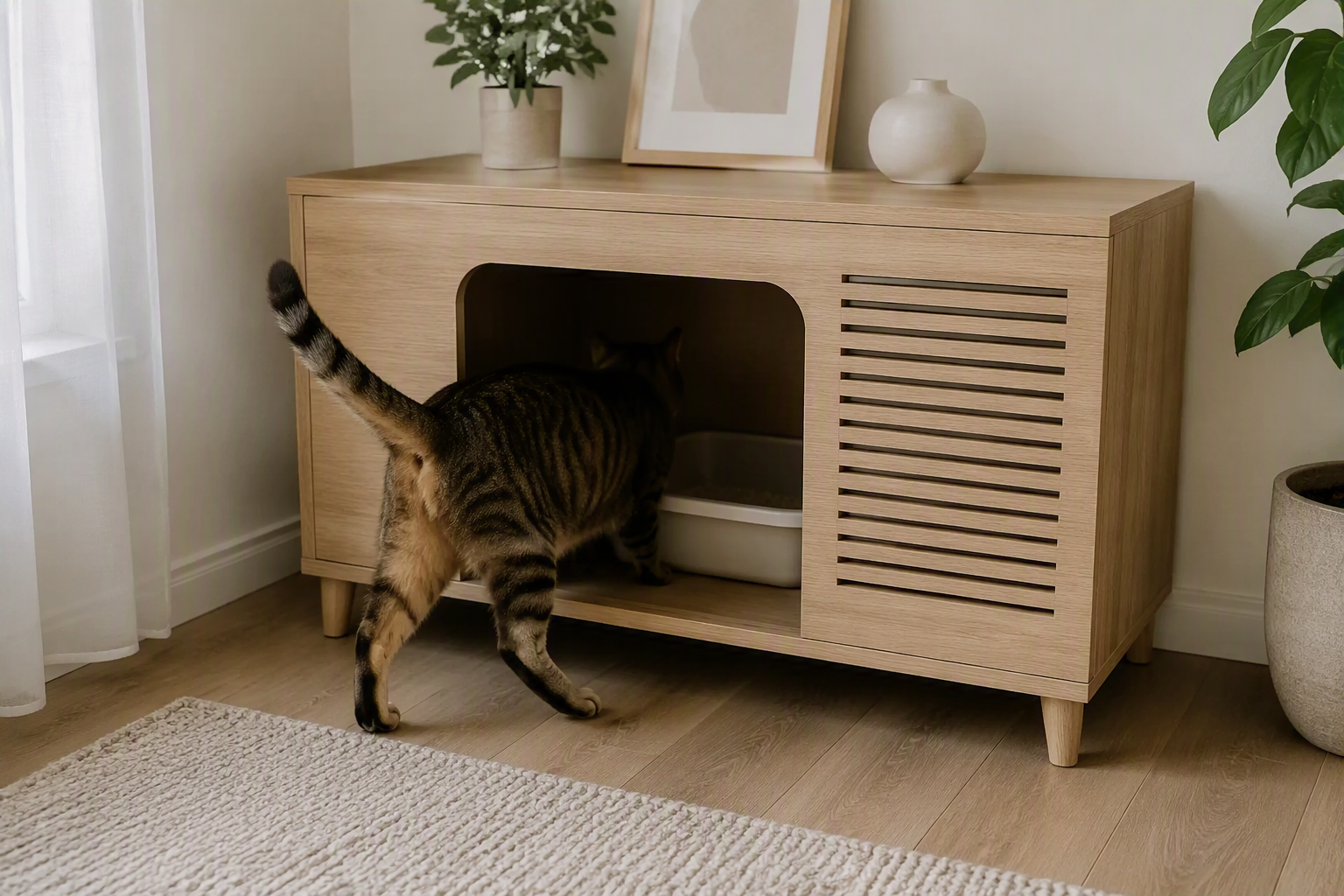
Good litter box furniture ideas solve two problems at once: appearance and access.
A cabinet or bench with a side entry cut can work well. So can a purpose-built litter enclosure. But ventilation and easy top or front access for cleaning are non-negotiable. If the setup is annoying for you to maintain, it will not stay clean for long.
Placement matters too. Keep the litter box away from food, away from noisy appliances and never in a spot with only one exit. Cats want privacy, but they also want a clear escape route.
13. Multi-Pet Zoning
If you have more than one pet, the best layout strategy is separation without isolation.
Set up feeding stations in different rooms if resource guarding is an issue. Create more resting spots than you have pets so no one has to compete for one. In dog-and-cat households, elevated cat space matters because it gives cats an exit route and control over their distance.
This is one of the simplest pet room ideas for reducing tension because it works with animal behavior instead of asking pets to share everything politely.
14. Seasonal Swaps for Pennsylvania
Pet spaces should shift with the seasons, especially here in Pennsylvania.
In winter, use a thicker mat or heated bed if your pet likes warmth. Move beds off exterior walls and away from drafty doors or windows. In summer, switch to a cooling mat and relocate the bed out of direct afternoon sun.
It’s a small twice-a-year adjustment, but it changes comfort more than most owners realize.
Textiles and Materials That Hold Up
Pet-friendly materials do not need to look utilitarian. They just need to clean up well and wear evenly.
Washable rugs are worth it in feeding areas, entry points and favorite nap zones. Tight-weave fabrics trap less hair than looser textures. Darker or patterned upholstery hides daily wear better than solid pale fabric, especially in high-use family rooms. Indoor-outdoor rugs also make sense in mudrooms, basements and other harder-working spots.
If you’re thinking about lower levels, our post on Combining Functionality and Style: Inspiring Finished Basement Ideas includes ideas that can translate well to pet zones too.
How to Make a Pet Space Look Intentional
A pet space looks designed when it borrows from the room around it.
Limit the color palette. Match storage bins or canisters to your kitchen, mudroom or living room finishes. Choose one basket that does a real job instead of five small containers that all look temporary. If the crate, bed, mat and storage all feel unrelated, the setup reads as clutter.
This is where design restraint helps. Fewer pieces, better chosen.
Budget Tiers: Under $100, Under $300 and Under $1,000
Under $100
Start with the basics: a washable mat, matching food container, leash hooks, a storage basket and a better-placed bed. This tier works well for a feeding station, grooming corner or calm zone.
Under $300
At this level, you can add a furniture-style crate, a sturdier bench for a window perch, a larger cat tree or better storage for toys and supplies. It’s enough to make the setup feel integrated.
Under $1,000
This is where you can layer in more complete solutions, like stepped wall shelving for cats, a higher-quality storage bench, a more substantial litter enclosure and a few smart pet tech upgrades. Still no renovation. Just better furniture, layout and accessories.
Where These Spaces Work Best in Common Floor Plans
The best pet space is usually the one that fits the home’s natural flow.
Flex rooms are ideal for convertible setups. Finished basements can handle play space, storage or a calm zone if they stay comfortable year-round. Mudrooms are perfect for feeding stations, hooks and cleanup gear. Under-stair areas make easy nooks. Spare bedrooms can pull double duty without much effort.
If you’re looking at an HOA community or condo, check pet rules before assuming every setup is allowed. Community guidelines can affect pet counts, exterior pet items and use of shared spaces. See What to Know Before Buying a New Construction Condo for pet-policy questions worth asking early. We recommend verifying current pet policies directly with the specific community before making plans, including at 117 On The Boulevard and in 55+ communities.
Small Changes, Better Daily Life

The best dog room ideas and pet room ideas are usually the least dramatic ones. A better corner. Smarter storage. A perch by the right window. A crate that stops dominating the room. None of it requires construction, but all of it changes how the home works.
That’s our favorite kind of improvement because it meets people where they are, whether they’re still house hunting, settling into a new place or making an existing home work better. And if you’re shopping for a layout with flex rooms, mudrooms or the kind of everyday functionality that makes ideas like these easier, we’d be glad to help you find the right fit. Explore our floor plans, browse available homes or contact us to start the conversation.
FAQs
What is the easiest pet space to set up in a small home?
The easiest pet space in a small home is usually a multi-purpose station the kitchen, laundry or entry area. A washable mat, bowls, a sealed food container and wall hooks create a complete setup without taking over the room.
How do I make a pet area look nice in my living room?
Use pieces that match your furniture, keep the color palette tight and limit visible storage. A furniture-style crate, one good basket and a bed in a coordinated fabric will look far more intentional than several mismatched pet items.
Are under-stair pet nooks good for dogs and cats?
Yes, under-stair pet nooks work well for many dogs and cats because they feel enclosed and sheltered. Add a bed, soft surface and light source, and make sure the space stays clean, dry and easy for your pet to access.
What plants are safe for an indoor pet garden?
Pet-safe options include spider plant, Boston fern, areca palm, calathea, cat grass and wheatgrass. The ASPCA lists lilies, pothos, sago palm, philodendron and dieffenbachia as toxic to pets, so those should be avoided.
What should I look for in litter box furniture?
Prioritize ventilation, easy cleaning access and enough interior space for the cat to turn comfortably. Place the enclosure away from food and loud appliances, and avoid trapping it in a location with only one exit.
How can I create a calm zone for an anxious dog?
Choose a low-traffic corner away from the front door and television, then use a covered bed or partially covered crate to make it feel protected. White noise or calming music can help during storms, fireworks and other loud events.
What rooms work best for pet spaces in a new home?
Flex rooms, mudrooms, finished basements, under-stair areas and spare bedrooms usually work best. These spaces make it easier to create pet zones that feel intentional without giving up the rooms you use most.
Latest Posts
September 8, 2026
How Fast Can You Close on a Quick Move-In Home?
September 8, 2026
The Easiest Way to Buy New Construction: Why Quick Move-In Homes Make the Process Simpler
September 4, 2026
Do Quick Move-In Homes Have a Warranty? What QMI Warranty Coverage Means
September 4, 2026
What Does Ready Soon Mean for a New Home? Understanding Quick Move-In Stages
September 4, 2026
What Does Ready Soon Mean for a New Home? A Guide to Quick Move-In Stages
September 4, 2026
Pre Selected Finishes in a New Home: Why Less Choice Can Be a Better Buying Experience
September 1, 2026
Open Concept vs Traditional Floor Plan: How to Choose the Right Layout for Your Home
September 1, 2026
Does a New Home Come With a Garage? New Construction Garage Options to Know
September 1, 2026
Great Room vs Family Room: What Is a Great Room in a House?
Previous Article


 0
0