


Nest Notes
What Is a Multigenerational Home?

June 23, 2026
A multigenerational home is a home designed for more than one adult generation to live under one roof while still maintaining a level of privacy and independence. In practical terms, that usually means parents living with adult children, aging parents moving in with family, or households creating space for long-term caregiving, shared expenses, or both.
More families across South Central Pennsylvania are choosing multigenerational homes because they solve real problems. They make caregiving easier, create more flexibility for changing family needs and can reduce the overall cost of living compared to maintaining two separate households.
Key Takeaways
- A multigenerational home is built or adapted so multiple generations can live together with more comfort, privacy and function.
- Common multigenerational floor plans include in-law suites, dual primary suites, separate living quarters and homes with accessory dwelling units where local zoning allows.
- The best multigenerational homes balance togetherness with privacy through features like separate entrances, private bathrooms, sound control and flexible living areas.
- Multi-gen home benefits include easier caregiving, support for adult children, shared household expenses and more long-term flexibility.
- Garman offers floor plans and customization options that can support multigenerational living, especially for buyers who want homes with in-law suites or private guest areas.
- Before choosing a plan, families should confirm community guidelines, lot fit and available structural options with our team.
What qualifies as a multigenerational home?
A multigenerational home is any home intentionally designed to support two or more generations living together. The key difference is that the home is set up to give each generation enough independence to live well day to day, not just enough room to squeeze in.
That distinction matters. A larger house is not automatically a multi generation house. A true multigenerational layout usually includes some combination of private sleeping areas, separate baths, flexible living space and smart separation between shared and personal zones.
Why multigenerational homes are becoming more common

This is no longer a niche housing trend. It is a practical response to how families actually live.
Some households are bringing aging parents closer to home so they can help with caregiving before a crisis forces the decision. Others are making room for adult children who need a stable place to live while saving for a home, finishing school or getting back on their feet. And in plenty of cases, families simply want to combine resources and reduce the strain of running two households.
In a market like South Central Pennsylvania, that choice makes even more sense. Buyers here are looking for more value, smarter use of space and homes built for real life, not one-size-fits-all living. A well-designed multigenerational home can do that better than a standard layout with an extra bedroom tacked on.
Types of multigenerational homes
There is no single formula for a multigenerational home. The right setup depends on who is living there, how long they plan to stay and how much privacy everyone needs.
In-law suites
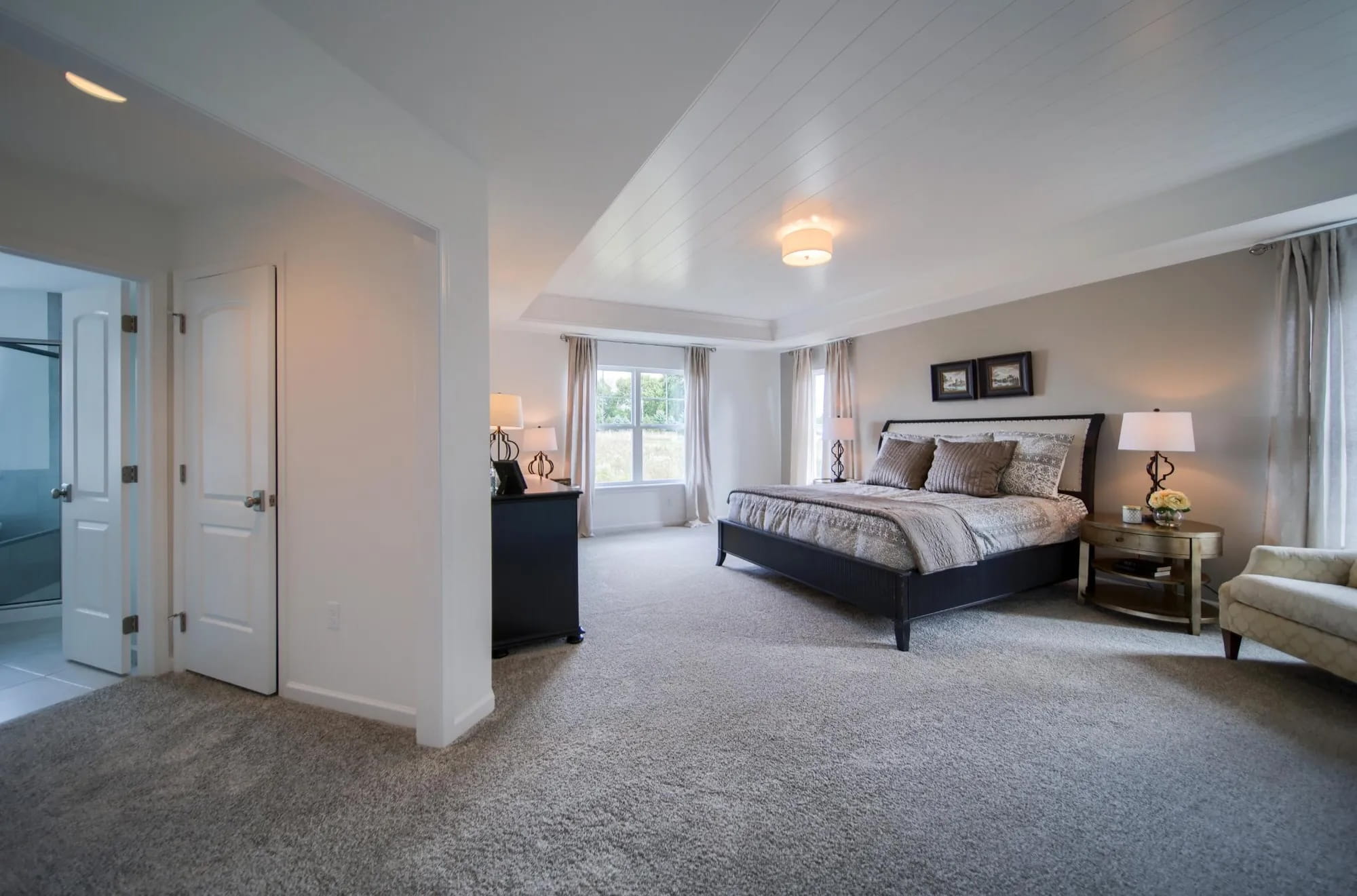
Homes with in-law suites are one of the most common multigenerational options. An in-law suite usually includes a private bedroom, a full bath and sometimes a sitting area or small living space. In some layouts, it may be placed on the first floor for easier access and better separation from the main bedroom areas.
This setup works well for aging parents, long-term guests or adult children who need more independence without being fully separate from the household.
If you want to explore this option further, our existing blog on in-law suite homes is a strong next step.
Separate living quarters
Some multigenerational floor plans create a more defined second living area within the main home. That may include a private bedroom wing, a dedicated family room, a second laundry area or a suite with its own entrance.
This type of layout gives households more breathing room. It is often the best fit when family members expect to live together long term or keep different schedules.
Dual primary suites
Dual primary suite homes include two larger bedroom suites, each with its own private bath and often a walk-in closet. These can be especially useful for adult siblings sharing a home, aging parents living with their children or families who want flexibility for future changes.
A dual primary layout does not always create a fully separate living arrangement, but it can be one of the smartest ways to support privacy without adding a full secondary apartment.
Accessory dwelling units, or ADUs
An accessory dwelling unit is a separate living space on the same property, often with its own kitchen, bath and entrance. Depending on local rules, that may be a detached backyard cottage, a garage apartment or a private suite over part of the home.
ADUs can work well for multigenerational living, but they are not always permitted in every municipality or community. Zoning, lot conditions and HOA rules matter here. Buyers should always confirm local requirements before assuming this option is available.
Key features that make a home multi-gen-ready
A good multigenerational home gives people room to live together without feeling on top of each other. That balance is what makes the layout work over time.
Separate entrances
A private or secondary entrance can make a big difference. It gives family members more independence, reduces disruption and creates a better daily rhythm for households with different routines.
This is especially helpful for aging parents who want privacy, adult children coming and going on their own schedule or families exploring future rental flexibility where allowed.
Private living areas
A bedroom alone is not enough. The strongest multigenerational floor plans include some kind of private retreat beyond just a place to sleep. That might be a sitting room, flex room, loft, finished lower level or a bedroom wing set apart from the main gathering areas.
Private space lowers friction. It also makes the arrangement feel sustainable instead of temporary.
Accessible bathrooms
If aging parents are part of the plan, accessible bathrooms should be high on the list. Features like a larger footprint, easier shower access, wider circulation space and a first-floor suite can make daily life more comfortable now and safer later.
Even families not dealing with mobility issues today should think ahead. A home that can adapt is usually a better long-term investment than one that only works for the next two years.
Sound control
This feature gets overlooked until everyone is living there.
Soundproofing between bedrooms, bathrooms and living spaces can make a multigenerational home far more comfortable. Strategic room placement, better insulation and thoughtful separation between shared and private spaces help cut down on noise, especially when family members have different schedules, sleep patterns or work-from-home routines.
Kitchen or kitchenette options
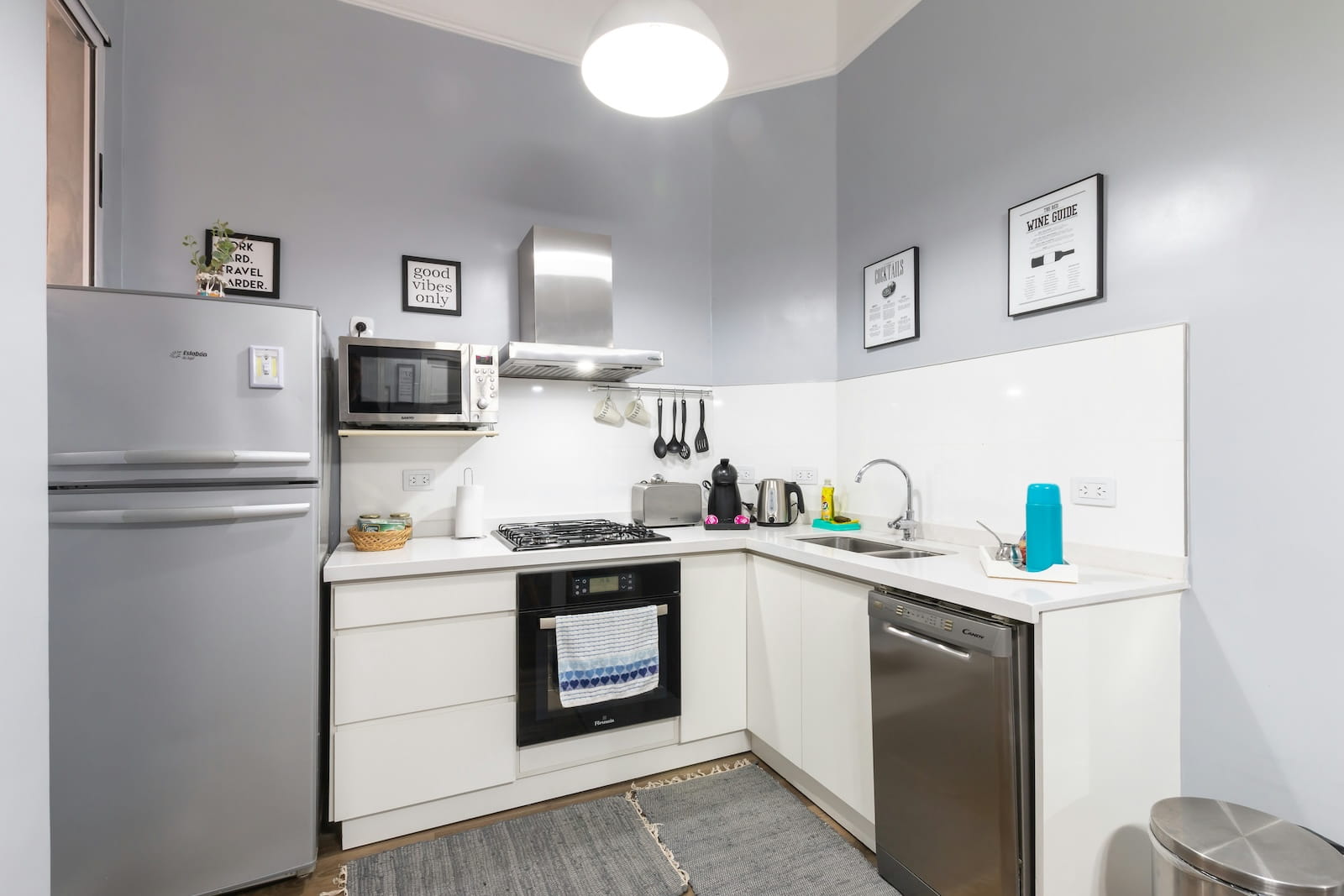
Some homes with in-law suites or separate living quarters include a kitchenette, beverage center or secondary prep area. For multigenerational households, that can add convenience and independence without requiring a full second kitchen.
Whether this is possible depends on the home design, structural options and local code requirements. It is worth discussing early, because plumbing and electrical planning affect both cost and layout.
Cost considerations for multigenerational homes in Pennsylvania
Multigenerational homes usually cost more than standard floor plans, but the range can vary a lot depending on how the home is designed.
In Pennsylvania, the premium often comes from added square footage, more plumbing, upgraded electrical work, accessibility features and any design changes needed to create a more separate living arrangement. A home with a private guest suite and full bath will usually cost less than a layout that adds a separate entrance, kitchenette and dedicated living room.
What typically drives the cost up
These are the biggest factors behind the price difference:
- More square footage
- Additional bathrooms
- First-floor suite additions
- Kitchenette or secondary kitchen rough-ins
- Separate entrances or structural reconfiguration
- Accessibility features for aging in place
- Finished lower levels used as private living areas
- Higher HVAC, plumbing and electrical demands
A basic multigenerational setup may only require a better floor plan and a few smart structural choices. A highly separated layout with apartment-style features will cost more.
How multi-gen costs compare to standard floor plans
There is no one fixed premium for every builder or every market, and we are not going to pretend there is. The cost difference depends on the plan, homesite and level of customization.
Still, families should expect multigenerational floor plans to cost more than a comparable standard plan because they ask more of the house. More function usually means more square footage, more systems and more finished space. The better question is not just, “What does it cost?” It is, “What does it replace?”
For many households, one multigenerational home can cost less than maintaining two separate homes, two sets of utilities and two sets of ongoing housing expenses.
Multi-gen home benefits for Central PA families
The biggest multi-gen home benefits are not abstract. They show up in daily life.
Caregiving for aging parents
This is one of the clearest reasons families choose multigenerational homes. When parents need more support, living nearby helps. Living together helps more.
A home designed for multigenerational living can make it easier to check in, help with meals, coordinate appointments and respond quickly when something changes. It also gives aging parents the chance to stay close to family without giving up all privacy.
Supporting adult children
Adult children are staying home longer for all kinds of reasons, including student debt, higher housing costs, career transitions and caregiving needs of their own. A multigenerational home gives them a more respectful setup than a spare bedroom down the hall.
That matters. A separate suite or private area can make the arrangement healthier for everyone and provide a clearer path toward independence.
Rental income potential
Some families explore multigenerational layouts with future rental use in mind. A private suite, finished lower level or ADU may create flexibility later if local zoning and community rules allow rental use.
That said, this should never be assumed. Rental potential depends on municipality requirements, community restrictions and the design of the home itself. Buyers should verify the rules before making that part of the financial plan.
Shared cost-of-living expenses
Shared housing costs are one of the strongest arguments for a multigenerational home. A single mortgage, one utility structure and shared household costs can be more manageable than supporting two separate residences.
This does not make the arrangement simple. Shared living still requires clear expectations, privacy and a layout that actually works. But when the home is designed well, the financial benefit is real.
Choosing the right multigenerational floor plan
The best multigenerational floor plans do three things well:
- They create privacy where it matters
- They keep shared spaces comfortable and functional
- They leave room for change later
That last point is easy to miss. Families evolve. Parents age. Adult children move out and sometimes move back. Caregiving needs increase. The guest space becomes a permanent living space. The right home should not feel obsolete the moment life shifts.
When comparing plans, look beyond bedroom count. Pay attention to where those bedrooms are placed, whether a first-floor suite is available, how bathrooms are distributed and whether there is any secondary living area that gives people room to spread out.
You can start exploring options on our floor plans page.
How Garman accommodates multigenerational living
We build homes for the way people actually live, and for a growing number of families, that means planning for more than one generation under one roof.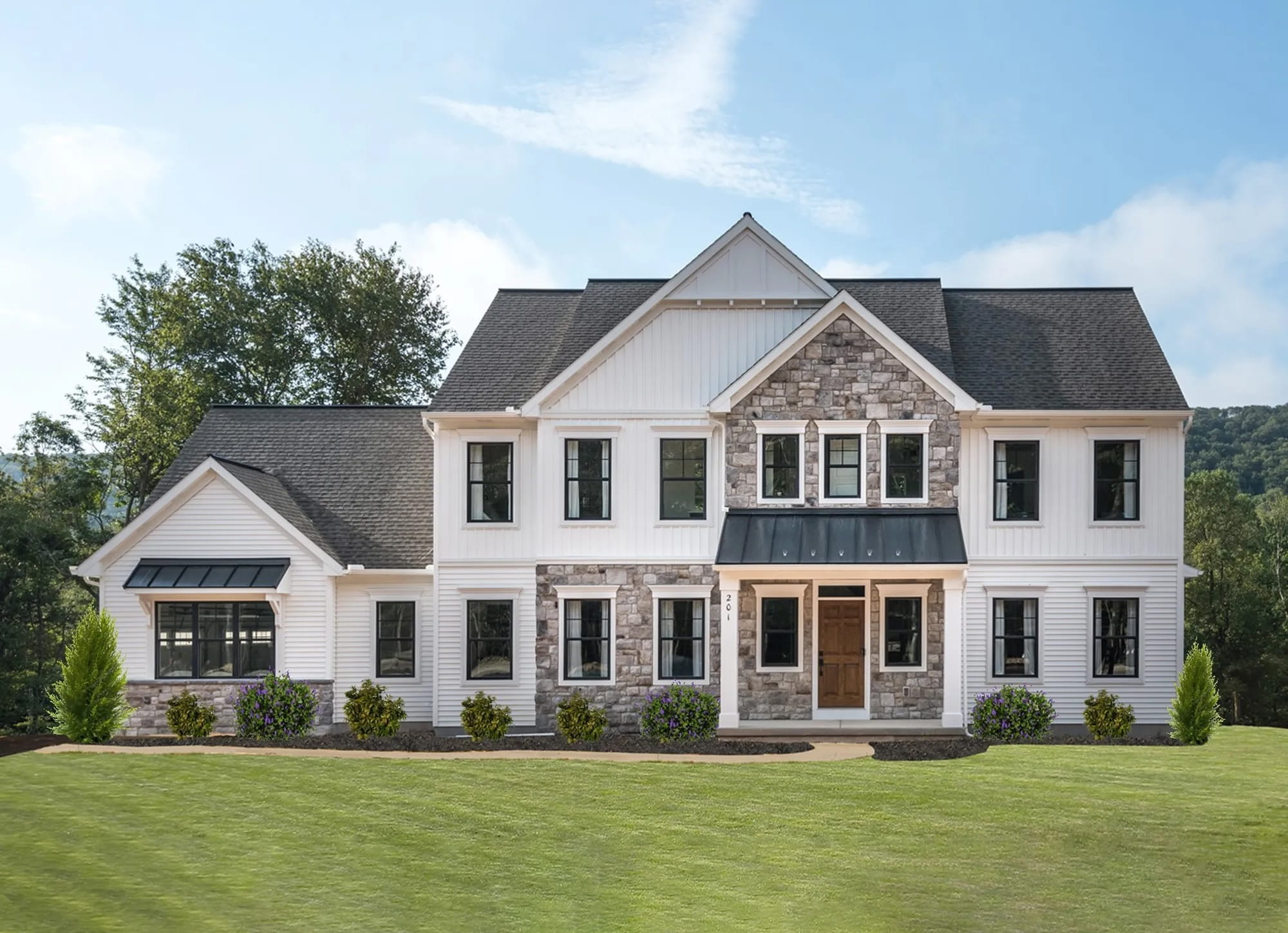
Floor plans that can support in-law suites and private guest areas
Some of our floor plans can accommodate multigenerational living through first-floor guest suites, private bedroom layouts, finished lower levels or flexible spaces that can be adapted for longer-term family use. The exact options depend on the plan, elevation, homesite and community.
Because available structural options can vary, we recommend reviewing current options on our floor plans page and speaking with our team to confirm which plans best support homes with in-law suites or dual-primary-suite needs.
Customization options that matter for multi-gen households
This is where working with an experienced builder matters.
Our design and construction process gives buyers more control over the features that shape daily life, including bathroom configurations, flexible living spaces, accessibility-minded choices and layout adjustments where available. For some families, the difference between a home that kind of works and one that works well comes down to those decisions.
A multigenerational home is not just about adding space. It is about using space well.
Communities and setup considerations
Not every community or homesite will support every multigenerational setup. That is especially true if a buyer is considering an ADU, a separate entrance or a more independent living arrangement.
Our team can help buyers understand what is possible based on the community, municipal requirements and the plan they are considering. That clarity matters early. It saves time, prevents frustration and helps families choose the right path with more confidence.
If you are specifically researching homes with in-law suites, you may also want to read our related blog on that topic for more details.
What to think through before you build a multigenerational home
Before choosing a home, families should talk through a few things honestly.
Who is moving in, and for how long?
How much privacy does each person need?
Will anyone need first-floor living or easier accessibility?
Do schedules, caregiving routines or work-from-home needs require separation?
Is the goal short-term support, long-term shared living or future flexibility?
These are not side questions. They shape the floor plan.
The right multigenerational home feels comfortable because it was planned around real routines, not idealized ones. That is the difference between a layout that helps and one that creates daily tension.
A smarter way to plan for real life
Multigenerational homes are growing for a simple reason: they work. They give families a practical way to care for aging parents, support adult children, share expenses and stay flexible as life changes.
The right layout makes all the difference. If you are exploring multigenerational homes in South Central Pennsylvania, we can help you compare floor plans, think through privacy and accessibility needs and find a home that is Built for the Way You Live.
Explore our available floor plans, learn more about our homebuilding process or contact our team to talk through the best options for your family.
Frequently Asked Questions
What is a multigenerational home?
A multigenerational home is a home designed for two or more adult generations to live together with more comfort and independence. It usually includes features that support privacy, such as separate bedroom areas, private bathrooms, flexible living spaces or a first-floor guest or parent suite. The goal is to make shared living practical long term, not cramped or temporary.
What is the difference between a large house and a multigenerational home?
A large house simply has more space. A multigenerational home is intentionally designed to use that space in a way that supports multiple generations living together. That often means separate living zones, better privacy, more bathrooms, accessible features and layouts that reduce friction between households sharing one roof.
Are homes with in-law suites considered multigenerational homes?
Yes, often they are. Homes with in-law suites are one of the most common types of multigenerational homes because they create a more private area for aging parents, adult children or long-term guests. The suite may include a bedroom, full bath and sometimes a sitting area or small kitchenette, depending on the layout and local requirements.
Do multigenerational homes cost more to build?
Usually, yes. Multigenerational homes often cost more than standard floor plans because they may require more square footage, additional plumbing, extra bathrooms, accessibility features or more structural customization. The final cost depends on the plan and the level of separation or independence the family wants within the home.
What features should I look for in a multigenerational floor plan?
Focus on layout before square footage. Good multigenerational floor plans often include a first-floor suite, private bath, flexible living area, sound separation, accessible bathroom design and in some cases a separate entrance. If long-term shared living is the goal, the home should offer both connection and privacy.
Can a multigenerational home include rental income potential?
Sometimes, yes, but only if the design and local rules support it. A private suite, finished lower level or accessory dwelling unit may create future rental flexibility, but zoning rules, HOA restrictions and municipal requirements vary. Buyers should always verify what is permitted before assuming a multigenerational setup can be used as a rental.
Do dual primary suite homes work for multigenerational living?
Yes. Dual primary suite homes can be a strong option for multigenerational households because they give two generations more equal privacy and comfort. This setup works especially well for aging parents living with adult children or for families who want flexibility without building a fully separate second living area.
How do I know which Garman floor plan is best for my family?
The best place to start is with your family’s actual routine. Think about who is living in the home, how much privacy they need and whether first-floor living or accessibility matters. Then review our floor plans and talk with our team so we can help confirm which layouts and structural options best support your multigenerational needs.


 0
0