


Nest Notes
Interior Design Trends 2027: What’s Worth Choosing in a New Home, and What Isn’t

July 30, 2026
You’re picking finishes you may live with for a decade or more. That’s the tension behind every design appointment. It’s not just, “What looks good right now?” It’s, “What will still feel right a few years from now, after the paint smell is gone and real life moves in?”
That’s why interior design trends 2027 matter a little differently in new construction. If you’re choosing cabinetry, tile, flooring, countertops or a floor plan, some of those decisions are easy to update later. Some are not. And not every trend deserves the same level of commitment.
What we’re seeing heading into 2027 is a clear shift away from cold, overly staged interiors and toward homes that feel warmer, more grounded and easier to live in. In this post, we’ll walk through the home design trends 2027 buyers should know, which ones have staying power and which ones are better used lightly.
Key Takeaways
- The biggest shift in home design trends 2027 is warmth replacing the cool gray-and-white look that dominated the last decade.
- Warm neutrals, earth tones and natural wood cabinetry are strong long-term choices for new construction interiors.
- Buyers still want open living, but they also want more privacy, defined zones and flexible rooms for work and quiet.
- Kitchens are becoming more layered and furniture-like, with better lighting, hidden storage and more intentional detailing.
- Curves, dimensional tile and mixed metals can add character, but they work best when used with restraint.
- Wellness-focused features like natural light, quieter spaces and spa-style baths are more than trends. They reflect how people want to live.
- Permanent selections should stay grounded and flexible. Save stronger trend expression for paint, lighting and hardware that can change later.
Warmth Is Replacing the Cool Gray-and-White Era
The biggest story in interior trends Central PA buyers should pay attention to is simple: the all-gray palette is fading.
For years, new homes leaned hard into cool whites, icy grays and sharp black-and-white contrast. It photographed well. It felt clean. But over time, a lot of those spaces started to feel flat, cold and interchangeable.
What’s replacing it is warmer, softer and more livable. We’re seeing creamy whites, muted earth tones, natural woods, tactile finishes and spaces that feel collected instead of overly matched. That doesn’t mean heavy or dark. It means balanced.
This shift matters because it affects almost every category of new home finishes 2027 buyers are choosing, from cabinets and counters to tile, paint and lighting.
Trend 1: Warm Neutrals and Earth Tones
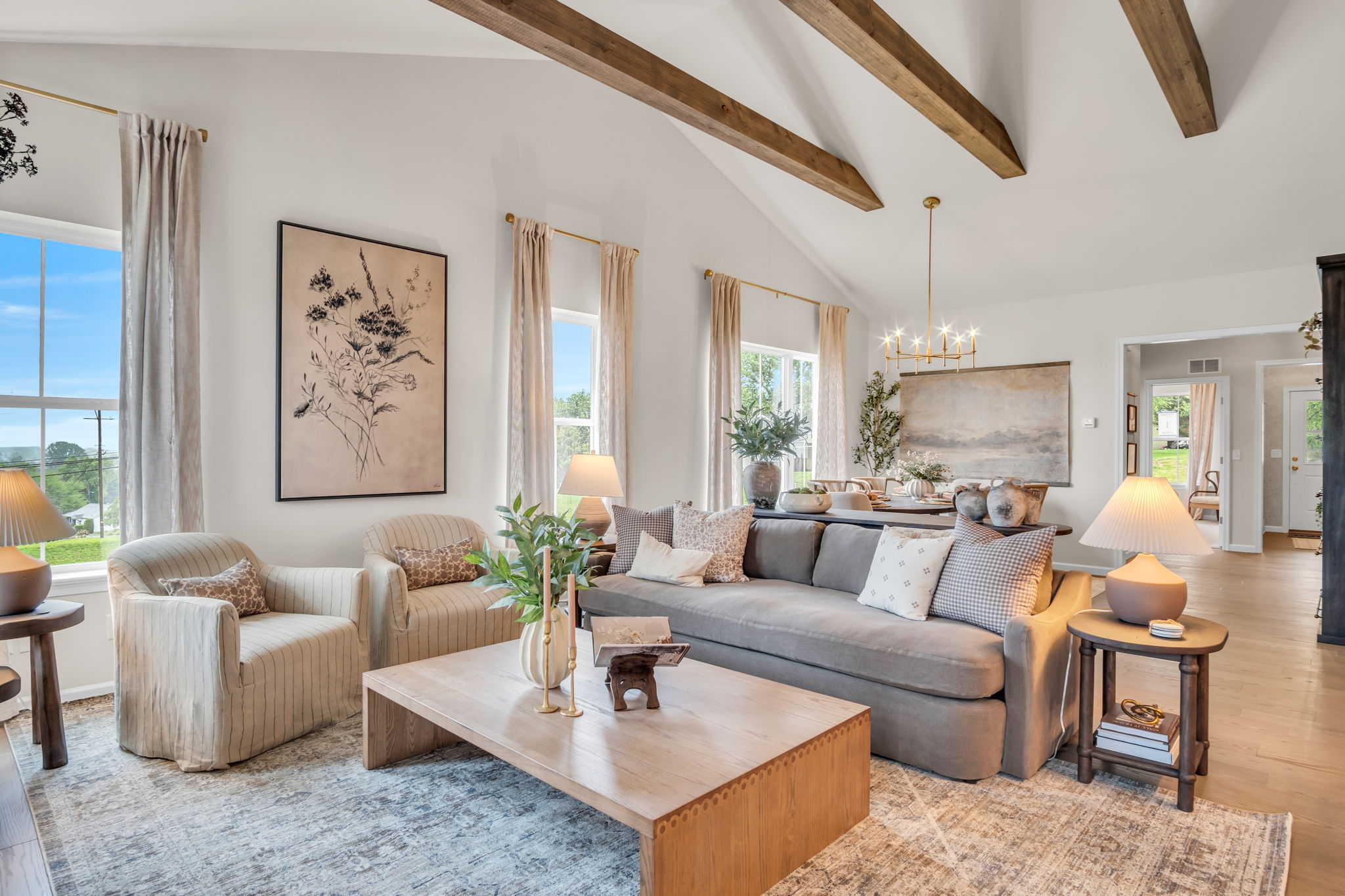
Warm neutrals are leading home color trends 2027, and this is one of the safest places to lean in.
Instead of cool greige and stark white, buyers are moving toward warmer whites, clay tones, terracotta, olive, mushroom and soft brown. These colors bring more depth without feeling loud. They also work well with the natural materials that are showing up everywhere else.
In practice, that might look like:
- Creamy wall colors instead of bright white
- Soft olive or clay accents in powder rooms or offices
- Warmer countertop and backsplash pairings
- Textiles and furnishings layered in tan, camel and muted brown
Is it lasting or short-term?
Lasting choice.
Warm neutrals are less trend-driven than the cool gray palette they’re replacing. They’re flexible, easy to live with and easier to layer over time. If you want a home that still feels current years from now, this is a solid direction.
If you want more ideas on using color with intention, our Color Blocking: A Modern Approach to New Home Design post is a good place to start.
Trend 2: Wood-Tone Cabinetry Returns
Cabinet trends 2027 are warmer too. Wood is back, and not in a heavy, dated way.
We’re seeing white oak, walnut and rift-cut finishes come back into kitchens, baths and built-ins. Sometimes the full kitchen is wood tone. Sometimes the island or upper cabinets stay wood while painted lowers or perimeter cabinets bring contrast. The look is cleaner and quieter than older stained cabinet styles, with more emphasis on grain, tone and texture.
This is especially appealing in new construction because it adds warmth immediately. It also helps a kitchen feel less like a showroom set and more like part of a real home.
Is it lasting or short-term?
Lasting choice.
Natural wood cabinetry has a longer life than highly specific painted color trends. The key is choosing a wood tone that feels timeless rather than orange, red or overly yellow. Simpler door styles also help.
For buyers comparing kitchen looks, our Discover the Best Kitchen Styles for Your Next Remodel and 10 Design Tips to Reinvent Your Kitchen posts can help you narrow the direction.
Trend 3: Natural and Textured Materials
One of the strongest interior design trends 2027 is the move toward materials that show real texture.
That includes:
- Honed stone instead of high-gloss polished surfaces
- Limewash or plaster-style wall finishes
- Unlacquered brass and living finishes that develop character
- Real wood grain instead of flat laminate look-alikes
- Textured tile with handmade variation
These materials soften a space. They also make a home feel less one-note. Buyers are responding to surfaces that don’t look mass-produced, even when the overall design stays clean and simple.
Is it lasting or short-term?
Mostly lasting, with a note of caution.
Natural materials have staying power. Heavily stylized treatments can date faster. A honed countertop or real wood vanity feels grounded. An aggressively textured finish used everywhere can start to feel like a moment. This is a category where balance matters.
Trend 4: Broken Plan Instead of Fully Open Plan
Open plans are not disappearing. But they are changing.
One of the more important home design trends 2027 has less to do with finishes and more to do with how people use space. Buyers still want connection between kitchen, dining and living areas. They still want homes that feel open. But they also want defined zones, visual separation and rooms that actually support work, guests, hobbies and quiet.
That’s why we’re seeing more interest in:
- Home offices with doors
- Flex rooms that can shift with family needs
- Quiet nooks and study spaces
- Better separation between primary suites and secondary bedrooms
- Layouts that create openness without turning the entire main floor into one large box
Is it lasting or short-term?
Lasting choice.
This isn’t a style fad. It reflects how people actually live now. Privacy, flexibility and noise control matter. If you’re selecting a floor plan, this deserves serious attention because layout is one of the hardest things to change later.
Our How to Choose the Right Floor Plan for Your Family and Floor Plan Spotlight: A Fresh Way to Live, Work, and Gather at Home posts go deeper on what to look for.
Trend 5: Statement Kitchens With Better Function
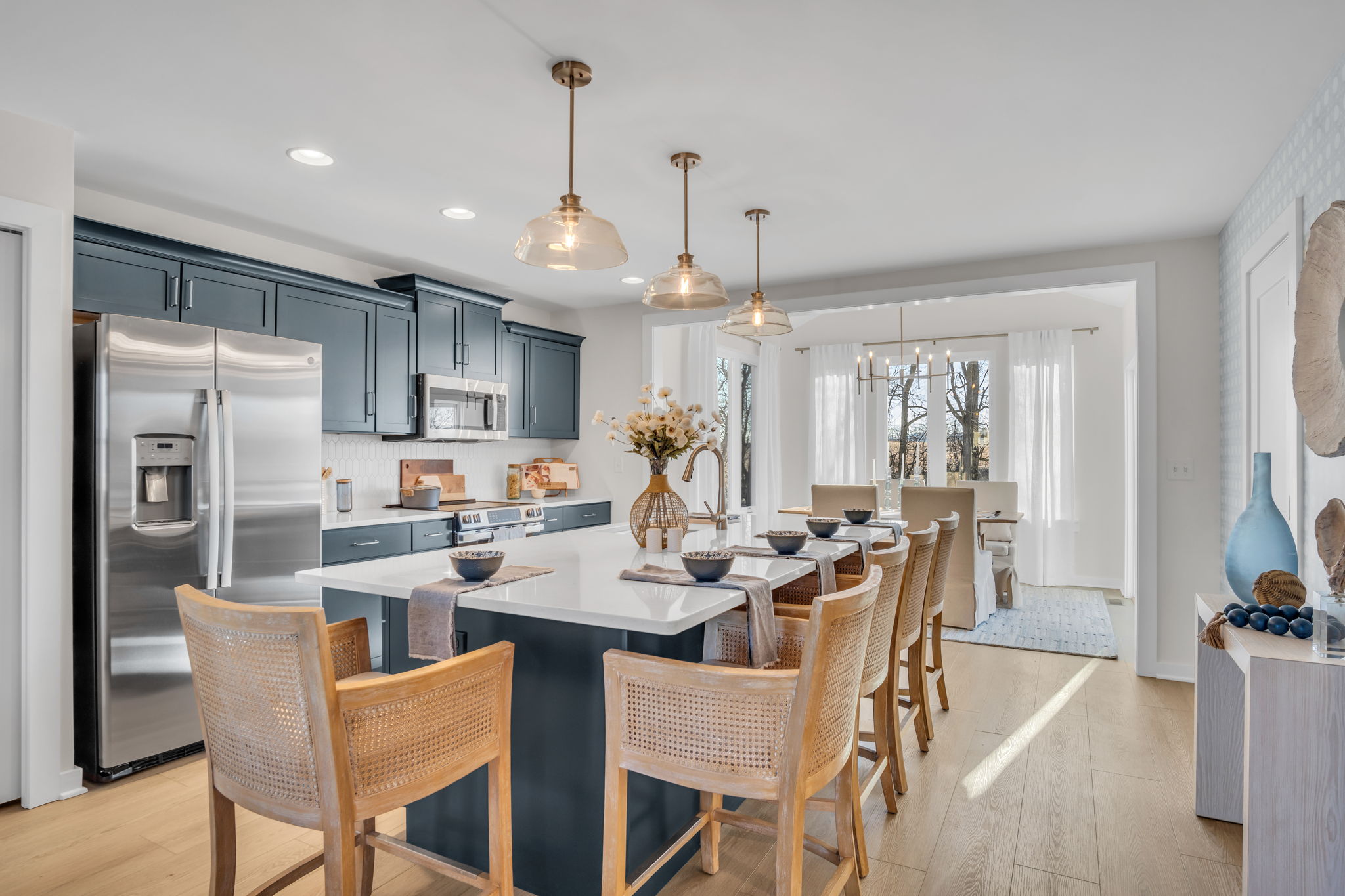
Kitchen design trends 2027 are not about making the kitchen louder. They’re about making it more intentional.
We’re seeing a move toward:
- Furniture-style islands with legs, panel details or contrasting finishes
- Integrated, panel-ready appliances
- Hidden prep pantries or hardworking storage zones
- Layered lighting, including pendants, under-cabinet lighting and recessed task lighting
- Cleaner vent hood treatments and quieter visual lines
A lot of this comes down to reducing clutter and increasing function. Buyers want kitchens that look good, but they also want them to work harder day to day.
Is it lasting or short-term?
Mostly lasting.
Storage improvements, layered lighting and better appliance integration are smart long-term choices. The more decorative island details should be chosen carefully. They can be beautiful, but if the detailing is too ornate or too tied to one style, it may age faster.
For buyers looking at more elevated interior choices, our Luxury Condo Living in Lebanon, PA post shows how refined finishes can support everyday living without feeling overdone.
Trend 6: Curves and Softened Edges
After years of sharp lines and squared-off everything, curves are showing up again.
You’ll see it in:
- Arched doorways or openings
- Rounded island corners
- Curved vanity shapes
- Softer furniture silhouettes
- Less severe trim and profile details
This trend helps spaces feel calmer and more welcoming. Even small gestures, like a rounded mirror or softer edge on a countertop detail, can change the feel of a room.
Is it lasting or short-term?
A mix.
Softened edges are lasting. They make a home feel less rigid and more inviting. Highly stylized arches or dramatic curves can date faster. If you like this trend, subtle is the safer move for permanent elements.
Trend 7: Bold and Dimensional Tile
Tile is splitting in two directions, and both are showing up in new home finishes 2027.
On one side, buyers want larger format tile with fewer grout lines, especially in baths. It feels cleaner and more seamless. On the other, they want dimensional or handmade-look tile used as a focal point, often in a backsplash, shower wall or powder room.
That means:
- Bigger tile for calm, low-maintenance surfaces
- Textured, zellige-inspired or artisanal-look tile in smaller doses
- More interest through finish and variation, not just pattern
Is it lasting or short-term?
Depends on where and how you use it.
Large-format tile is a lasting choice. It’s practical and visually quiet. Handmade-look or highly dimensional tile can also last when it’s used in one clear focal area. But trendy shapes or very specific color combinations may feel dated sooner.
Because tile is a semi-permanent selection, this is one of the places where buyers should think carefully about commitment.
Trend 8: Statement Lighting as Jewelry
Lighting is doing more than filling a practical need. It’s becoming one of the main character pieces in a room.
In 2027, that means fewer fixtures but better ones:
- Sculptural pendants over islands
- Dining fixtures with more presence
- Decorative sconces in baths and hallways
- Warm, layered lighting instead of relying only on recessed cans
The best lighting choices help a room feel finished. They also give buyers a place to express more personality without changing the bones of the home.
Is it lasting or short-term?
Usually short-to-medium term, which is good.
Lighting is one of the easiest ways to bring in trend without locking yourself into it forever. A fixture can be updated later. That makes it a smart place to take a little more design risk.
Trend 9: Wellness-Driven Design
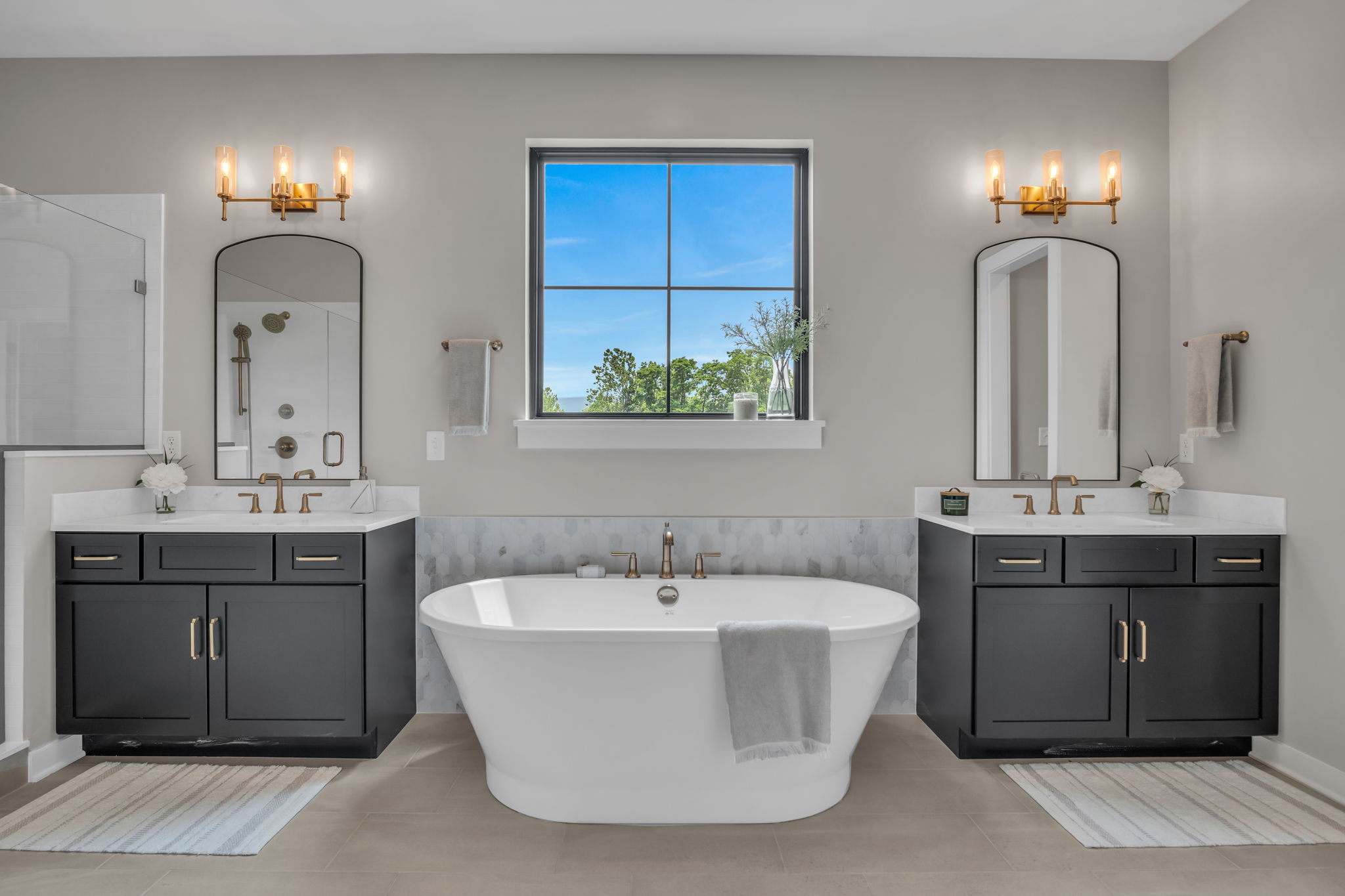
This is one of the most important home design trends 2027 because it goes beyond style.
Buyers are paying more attention to how a home feels physically. That includes:
- Better natural light
- Improved indoor air quality
- Quiet rooms and sound separation
- Spa-style primary baths
- Spaces that support rest, focus and everyday comfort
In new construction, this is where design and building science start to overlap. A home that looks beautiful but feels drafty, noisy or harshly lit misses the point. Comfort matters.
Is it lasting or short-term?
Lasting choice.
Wellness-driven design reflects a permanent shift in buyer priorities. People want homes that support daily life better. This lines up closely with how we think about design at Garman, where the finish choices matter, but performance, comfort and function matter too.
Trend 10: Mixed Metals, Done on Purpose
The old rule that every metal finish in a home had to match is gone. That’s good news. Perfect matching often made spaces feel flat.
What works now is intentional mixing:
- Warm brass with black accents
- Polished nickel with aged brass
- One dominant metal, one supporting metal
- Repetition that makes the mix feel planned
What does not work is treating every finish choice like an isolated decision. Mixed metals need a strategy, especially when the kitchen, bath lighting, hardware and plumbing fixtures all connect visually.
Is it lasting or short-term?
Lasting, if handled well.
Intentional mixed metals feel more collected and less builder-basic. Random mixing feels accidental. If you’re unsure, keep one finish as the anchor and use the second sparingly.
What’s Fading in 2027
Not every outgoing trend disappears overnight. But some directions are clearly losing ground.
Here’s what we’d be careful about overcommitting to:
- All-gray palettes: They read colder and more dated than they did a few years ago.
- Cold minimalism: Buyers want warmth, texture and personality now.
- Barn doors as a default: They still have a place sometimes, but they’re no longer the automatic “upgrade.”
- Farmhouse sinks as a required feature: Still workable in the right kitchen, but no longer a must-have across styles.
- Open shelving everywhere: It can look great in a styled photo. It’s less appealing when everyday clutter moves in.
That last point matters. A lot of design trends look good in pictures and work less well in real life. New construction buyers should keep that filter on the whole time.
The Practical Filter: What’s Permanent, and What Can Change Later?
This is where trend decisions get easier.
When buyers come into the Design Studio, the smartest approach is to divide selections into two groups.
Structural or Semi-Permanent Choices
These are the decisions you want to get right the first time:
- Floor plan and room layout
- Cabinetry style and finish
- Tile selections
- Flooring
- Countertops
- Major bath details
- Built-ins and architectural features
These should lean more timeless. That doesn’t mean boring. It means flexible enough to work as your taste evolves.
Easier-to-Change Choices
These can carry more personality because they’re simpler to update later:
- Paint color
- Light fixtures
- Cabinet hardware
- Mirrors
- Wall treatments
- Decorative accessories
If you love a bolder trend, this is usually where to use it.
For a closer look at how these decisions come together, visit our Design Studio page.
How to Bring Trends Into a New Build Without Dating It
If you want a home that feels current now and still feels good years from now, this is the formula we recommend:
Commit to warmth in the permanent pieces
Choose warm neutrals, natural wood tones and materials with real texture.
Keep the foundational selections versatile
Cabinets, tile and flooring should work with more than one future style direction.
Use trend in swappable layers
Bring personality through paint, lighting, wallpaper and hardware.
Think about the whole room, not one sample at a time
A finish can look great on its own and fall apart once everything is installed together.
Choose what fits your life, not just your feed
The most successful homes are designed around how people actually live in them.
Wallpaper, for example, can be a great place to express personality because it’s visible and memorable without being structural. Our Embracing the Wallpaper Trend in Our New Model Home post shows how that can work well.
How Our Design Process Helps Buyers Make Better Choices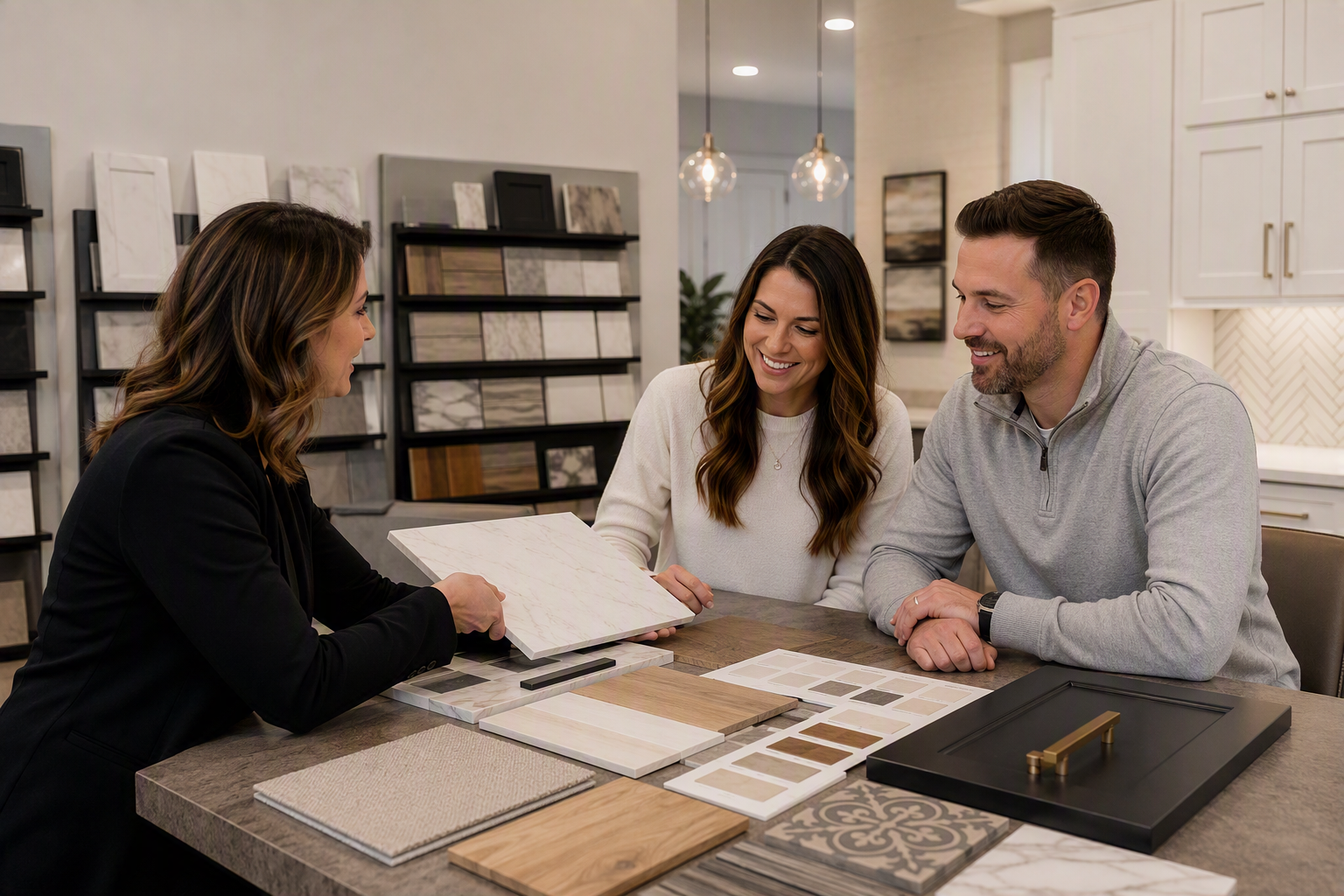
This is exactly why our design process matters.
When buyers make selections in isolation, it’s easy to overreact to a trend, or second-guess a choice that would actually look great once the full palette comes together. Seeing finishes side by side changes that. It helps you understand undertones, texture, contrast and how one permanent decision affects the next.
Our team guides buyers through curated options, helps them compare what is lasting versus what is easier to swap later and keeps the whole home in view, not just one room or one sample at a time. That matters when you’re making decisions that shape how your home will feel every day.
A home should feel current, but more importantly, it should feel right for the way you live. That’s the standard we keep coming back to.
Design Choices That Hold Up
The best interior design trends 2027 are not the loudest ones. They’re the ones that make a home feel warmer, work better and age more gracefully. That’s where buyers should focus.
If you’re making design selections now, start with the permanent pieces. Choose quality materials, warm foundations and a layout that supports real life. Then bring in personality through the things you can change later.
Frequently Asked Questions
What are the biggest interior design trends for 2027?
The biggest interior design trends 2027 buyers should watch are warm neutrals, natural wood cabinetry, textured materials, more defined floor plan zones, layered kitchens, softer shapes, better lighting and wellness-focused design. The broader shift is away from cold minimalism and toward homes that feel warmer and easier to live in.
Which 2027 home design trends are the safest long-term choices?
The safest long-term choices are warm neutral palettes, natural wood tones, quality cabinetry, large-format tile, functional layouts and wellness-focused features like natural light and better privacy. These choices support everyday living and won’t feel tied to one short design moment.
What design trends should I avoid in a new construction home?
Be careful about overcommitting to all-gray palettes, overly cold minimalism, trend-heavy tile patterns, barn doors used by default and open shelving everywhere. These can date a home faster, especially when used in permanent elements like cabinetry, layout or large tile installations.
Are wood cabinets coming back in 2027?
Yes. Cabinet trends 2027 clearly include more natural wood finishes like white oak, walnut and rift-cut looks. Buyers are using them to add warmth and texture, often paired with painted cabinetry for contrast. This is one of the stronger lasting shifts in kitchen design.
How do I use trends in my new home without dating it?
Use trends in layers you can change later, like paint,, hardware and wallpaper. Keep permanent choices more grounded. Warm neutrals, natural materials and simple cabinetry styles give you a strong foundation that can evolve over time without making the home feel dated.
What finishes are hardest to change after building?
The hardest finishes to change are cabinetry, countertops, tile, flooring and structural layout decisions. Those should be chosen with more staying power in mind. Paint, lighting, mirrors and hardware are much easier to update later.
How does Garman help buyers make design selections?
We guide buyers through a curated design process that helps them see finishes together, understand which selections are permanent versus swappable and make choices with more confidence. Our Design Studio helps turn a long list of decisions into a more thoughtful, workable plan.


 0
0