


Nest Notes
A Home Buyers Dilemma: Should I Build New or Buy Resale?

May 4, 2026
New construction homes offer better energy efficiency, modern layouts, builder warranties, and lower maintenance costs in the early years, typically saving owners $1,500-$3,000 annually. Resale homes offer lower upfront prices, faster move-in, and established neighborhoods. The right choice depends on your timeline, budget, and willingness to manage repairs. Here's how to decide.
Key Takeaways
- New homes typically cost 15-20% more upfront but save $1,500-$3,000/year on energy and repairs in the first decade
- Resale homes offer faster move-in (30-45 days vs. 6-9 months) and established neighborhoods
- New construction wins on energy efficiency, warranties, and customization
- Resale wins on price-per-square-foot, location variety, and immediate availability
- The right choice depends on timeline, budget flexibility, and tolerance for maintenance
Here's how new construction and resale homes compare across the factors that matter most:
| Factor | New Construction | Resale Home |
|---|---|---|
| Median price premium | +15-20% | Baseline |
| Move-in timeline | 6-9 months | 30-45 days |
| Annual energy cost | $1,200-$1,800 | $2,000-$3,200 |
| Major repairs (first 5 yrs) | Rare (under warranty) | Common ($5K-$15K avg) |
| Customization | High | Low |
| Location options | Limited to new developments | Wide |
| Builder warranty | 1-10 years | None |
Why Energy Efficiency Is a Game-Changer
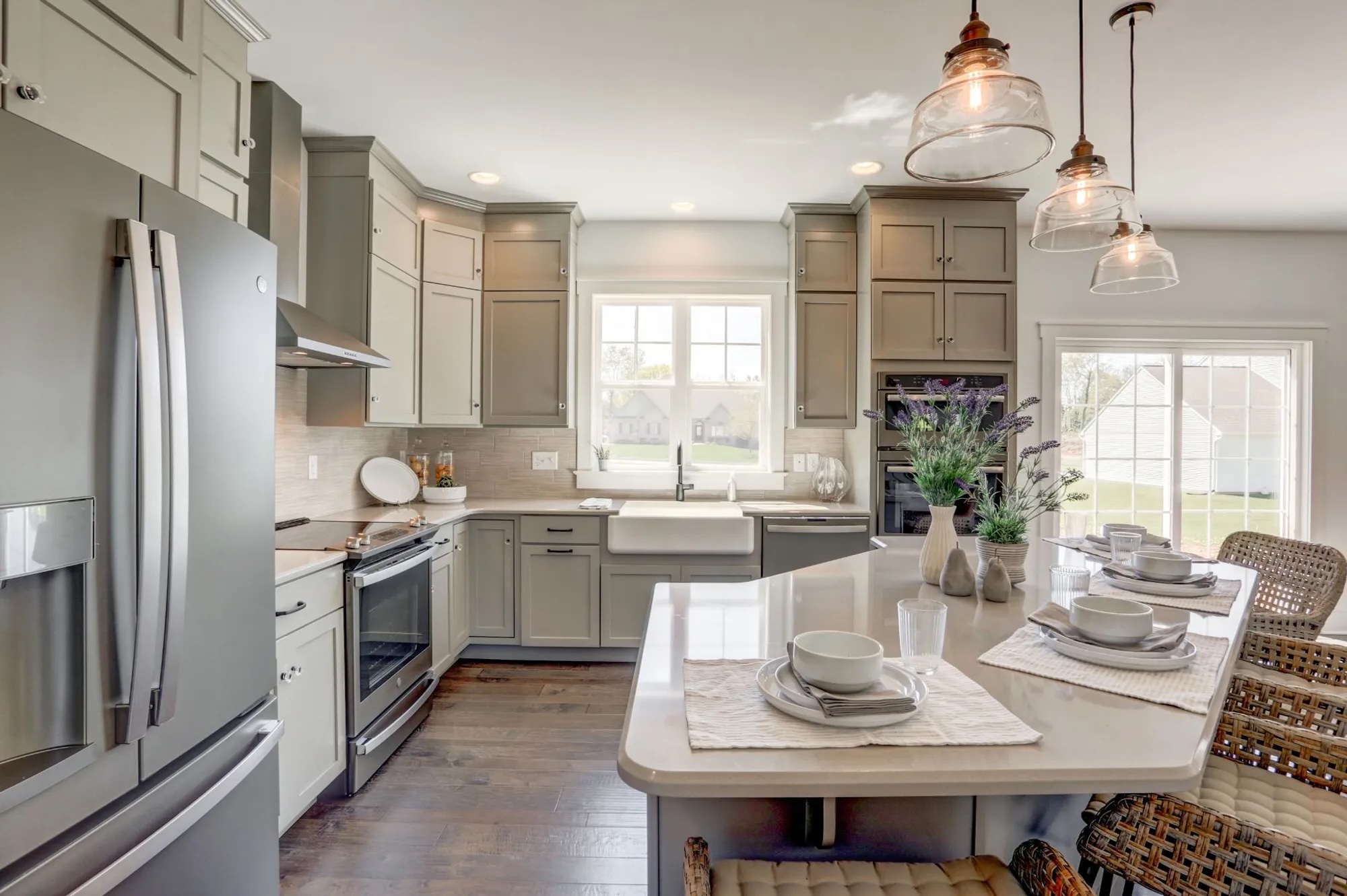
One of the biggest advantages new construction has over older homes is energy efficiency. Modern building codes combined with technology advancements mean new homes are designed to work smarter from day one. High-performance windows do more than let in light; they help keep the heat in during winter, the cool air in during summer and street noise out year-round.
Innovative insulation works alongside these windows to reduce the strain on your HVAC system, which translates into lower heating and cooling costs. According to the U.S. Department of Energy, homeowners can save hundreds annually with better insulation alone. New appliances, HVAC systems and water heaters are built with energy savings in mind and often carry Energy Star ratings to back that up. ENERGY STAR certified homes use 10% less energy than standard new homes.
Even comfort features like built-in humidifiers have their role in helping you breathe easier and keeping your home’s climate consistent. Sure, you can replace windows or upgrade insulation in an older home, but these retrofits come with an added cost, so be sure to factor in the cost before you buy. Homes built after 2010 use roughly 21% less energy per square foot than pre-2000 homes.
Safety, Comfort and Health in New Homes
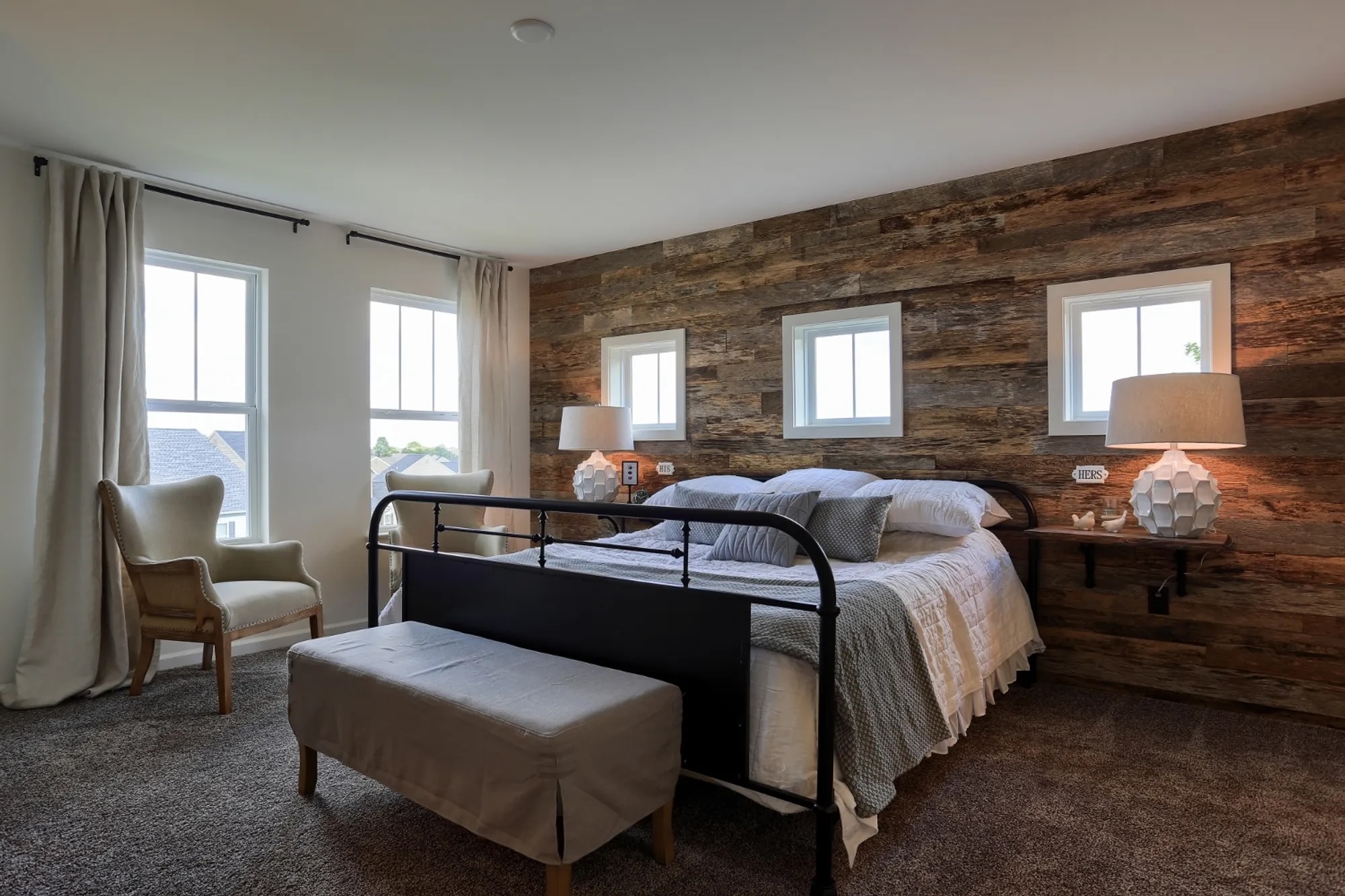
Safety and wellness features aren’t always visible, but they matter just as much as finishes you can see. New homes come equipped with built-in smoke and carbon monoxide detectors in the right locations to meet current safety codes. Wet areas like kitchens, bathrooms and laundry rooms have GFI outlets to prevent electrical hazards.
Smart thermostats are becoming standard, letting you control your home’s climate with precision. Advances in building science, such as continuous insulated sheathing, help regulate indoor temperatures, improve air quality and reduce the risk of mold and moisture issues. Modern building codes require these features in new construction; resale homes built before 2015 often lack some or all of them.
Fewer Repairs and Newer Systems
If you’ve ever bought a resale home, you know the feeling of wondering what will need fixing first. A roof with only a few years left, a furnace that’s seen better days or plumbing that needs updating can quickly add up.
When you build new, everything from the roof to the foundation starts with a fresh slate. Your appliances, plumbing, electrical systems and major structural elements are brand-new, which means fewer unexpected repairs in the early years. This predictability can be a massive relief for first-time buyers or anyone who doesn’t want to juggle constant maintenance.
The average age of an owner-occupied home in the U.S. is 40 years, according to the NAHB, meaning most resale buyers inherit aging systems. Median repair costs include $9,000-$15,000 for roof replacement and $5,000-$10,000 for HVAC replacement so costs can add up quickly.
Potential for Appreciation
While no one can predict the housing market with certainty, homes in thoughtfully planned new communities often appreciate as the neighborhood grows. Early buyers sometimes see significant gains as amenities, landscaping and nearby infrastructure develop.
Location plays a huge role here, so if you’re considering building, pay close attention to the surrounding area’s growth trends. Areas with new schools, expanding job markets or improved transportation options tend to see stronger appreciation over time.
Pros and Cons of Buying in a New Community
Pros and Cons of Buying in a New Community
New-construction communities offer a different lifestyle than buying into an established neighborhood. Here's an honest look at both sides.
Pros of a New Community
- Thoughtful planning: Streets, lot placement, lighting, and green spaces are designed together from the start, rather than evolving piecemeal over decades.
- Modern amenities: Many new communities include walking trails, playgrounds, clubhouses, or pools as part of the development.
- Consistent home quality: Every home is built to current codes and standards, so you're not living next to a 1970s tear-down or a deferred-maintenance property.
- Built-in neighbors at a similar life stage: New communities tend to attract buyers moving at the same time, which makes it easier to build connections.
- Updated infrastructure: Roads, water lines, sewer systems, and utilities are all new — fewer disruptions from aging infrastructure repairs.
- Layouts designed for modern life: Open-concept living areas, dedicated home-office spaces, ample storage, and gathering areas reflect how people actually live today.
Cons of a New Community
- No mature landscaping: Trees, shrubs, and established lawns take years to fill in. Expect a more open, less shaded feel for the first 5-10 years.
- Ongoing construction nearby: If you buy early in a development's build-out, you'll likely have active construction on neighboring lots for months or years.
- HOA fees and rules: Most new communities include a homeowners association, which means monthly or annual fees and guidelines on exterior changes.
- Amenities may not be ready at move-in: Pools, clubhouses, or trail systems are sometimes built in later phases of a community.
When to Choose New Construction vs. Resale
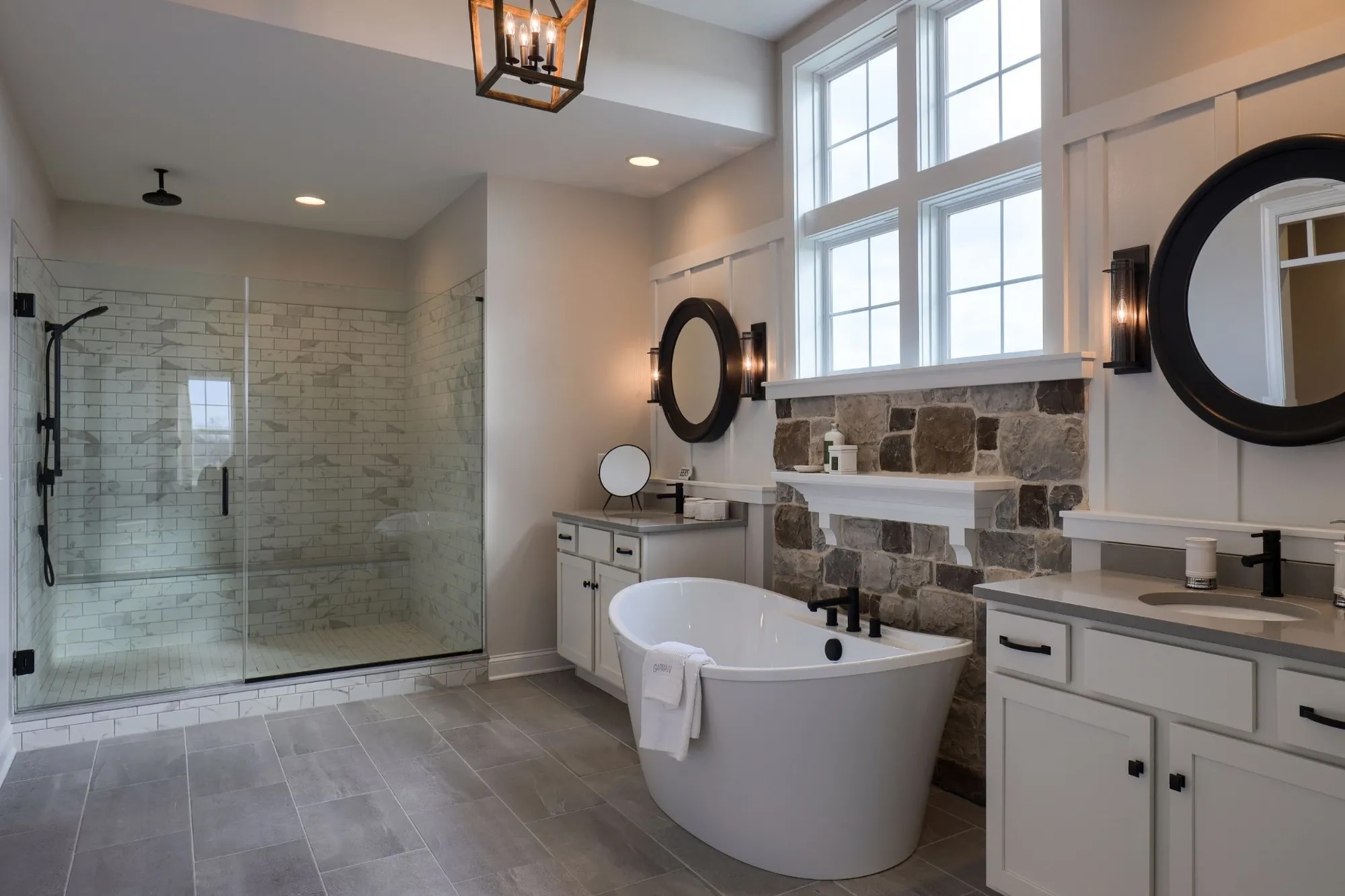
Choose new construction if you:
- Have 6-9 months before you need to move in
- Want to customize finishes and layout
- Prioritize low maintenance and energy efficiency
- Plan to stay 7+ years
Choose a resale home if you:
- Need to move within 30-60 days
- Want an established neighborhood with mature trees
- Have a tighter upfront budget
- Are comfortable budgeting for repairs
10-Year Total Cost of Ownership Comparison
The sticker price is only part of the story. When you factor in energy bills, repairs, and maintenance over a decade, the gap between new construction and resale narrows significantly, and sometimes flips. Here's a side-by-side estimate for a comparably sized 2,400 sq. ft. home in South Central Pennsylvania.
| Cost Category (10-Year Total) | New Construction | Resale (15-30 yrs old) |
|---|---|---|
| Purchase price | $475,000 | $410,000 |
| Annual energy costs | $14,400 ($1,440/yr) | $24,000 ($2,400/yr) |
| Major repairs (roof, HVAC, water heater) | $2,500 | $22,000 |
| Routine maintenance | $12,000 ($1,200/yr) | $18,000 ($1,800/yr) |
| Cosmetic updates (paint, flooring, fixtures) | $3,000 | $15,000 |
| Builder warranty coverage | Included (1-10 yrs) | $6,000 (home warranty plans) |
| 10-Year Total Cost | $506,900 | $495,000 |
Over a decade, the total cost difference between new construction and resale shrinks to roughly $12,000 — about $100 per month. Once you factor in the value of avoiding unexpected repairs, lower energy use, and not living through renovation projects, many buyers find new construction is the better long-term value despite the higher upfront price.
A few things to keep in mind when applying these numbers to your situation:
- Older homes vary widely. A well-maintained 15-year-old home will cost far less to own than a neglected 40-year-old one. The numbers above assume average condition.
- Energy costs depend on utility rates and home size. South Central PA homeowners pay among the highest electric rates in the country, which widens the gap in favor of energy-efficient new builds.
- Major systems have predictable lifespans. Roofs last 20-25 years, HVAC systems 15-20, water heaters 10-12. If you buy a resale home where these are near the end of their life, expect replacements within your first decade.
- Renovation timing matters. Many resale buyers tackle kitchen or bathroom updates in years 3-7, which can add $20,000-$60,000 not reflected above.
For buyers planning to stay 7 or more years, the long-term math often favors new construction. For buyers expecting to move within 3-5 years, a resale home's lower upfront cost is harder to beat.
How to Decide: A Framework
Buying a home is part emotional, part financial. The buyers who feel most confident in their decision aren't the ones who go with their gut alone. They're the ones who work through a clear process. Use these four steps to land on the right choice for your situation.
Step 1: Define your timeline. Start with the question that eliminates the most options: when do you need to be in your new home? If you need to move within 30 to 60 days, a resale home is almost always the answer, since new construction takes 6 to 9 months from contract to keys. If you have 6 or more months of flexibility, both options stay on the table.
Step 2: Set your real budget. Look beyond the purchase price. Add expected energy costs, anticipated repairs (especially for resale homes with aging systems), and any cosmetic updates you'll want to make in the first two years. A resale home priced $50,000 below a new build can easily cost more once you factor in a new roof, HVAC replacement, and kitchen refresh. Use the 10-year cost comparison above as a starting point.
Step 3: Rank what matters most to you. List your top three priorities from this set: location, customization, low maintenance, energy efficiency, established neighborhood character, move-in speed, modern layout, school district, and lot size. Your top three will usually point clearly toward new or resale. If "customization" and "low maintenance" top your list, new construction fits. If "established neighborhood" and "move-in speed" win out, resale is your path.
Step 4: Think about the next 5 to 10 years, not just today. Ask yourself how your life might change. Growing family? Aging parents moving in? Working from home permanently? New construction lets you design around those needs from the start. Resale homes work best when the existing layout already fits your foreseeable future, or when you have the budget and patience to renovate.
If you work through these four steps and still feel torn, that's a signal to tour both options in person. Walking through a finished new build and a comparable resale home back-to-back usually makes the right answer obvious within an afternoon.
FAQs About New vs Resale Homes
Is it cheaper to buy a resale home than to build new?
In many cases, the initial purchase price of a resale home is lower, but factor in repairs and higher utility costs and the long-term expense can narrow.
How long does it take to build a new home?
Most new homes take between 6 and 9 months from groundbreaking to move-in, depending on design complexity, weather and permitting.
Do new homes really save money on utilities?
Yes. Modern construction materials, energy-efficient systems and appliances significantly reduce energy consumption compared to older homes.
What should I consider when deciding between new construction and resale?
Look at your budget, desired location, timeline, and willingness to handle renovations. Also, consider how much customization you want in your home’s layout and finishes.
What is the average lifespan of a new construction home vs. a resale?
A well-built new construction home can last 80 to 100 years or more with proper maintenance. Resale homes vary widely based on age and upkeep. The average owner-occupied home in the U.S. is 40 years old (NAHB), meaning most resale buyers inherit systems that are already halfway through their expected lifespan.
Do new construction homes appreciate faster than resale homes?
Appreciation depends more on location than home type, but new construction in growing communities often sees strong early gains as nearby amenities, schools, and infrastructure develop. Resale homes in established neighborhoods tend to appreciate more steadily. Over a 10-year window, both can perform similarly when location fundamentals are strong.
What is included in a new construction builder warranty?
Most builder warranties cover workmanship and materials for 1 year, mechanical systems (plumbing, electrical, HVAC) for 2 years, and major structural components for up to 10 years. Coverage details vary by builder. Always request a written warranty document before signing, and ask which items are covered by the builder versus the manufacturer.
Can you negotiate the price of a new construction home?
Yes, though builders often prefer to negotiate on upgrades, closing costs, or included features rather than the base price, since lowering the sale price affects neighborhood comps. You can often save $5,000 to $20,000 through incentives like covered closing costs, free upgrades, or rate buy-downs, especially at the end of a quarter.
What hidden costs come with buying new construction?
Common extras include landscaping (often $5,000 to $15,000 if not included), window treatments, appliances beyond the base package, deck or patio additions, and final-grade upgrades. Property taxes may also reassess upward after the home is completed. Always request an itemized list of what is and is not included in the base price.
Are property taxes higher on new construction homes?
Usually yes, because new homes are assessed at current market value, while resale homes may carry assessments from earlier years. In Pennsylvania, property taxes are reassessed at construction completion. Expect annual property taxes of roughly 1.5% to 2.5% of the home's value in most South Central PA counties, though rates vary by municipality.
How does the new construction process work in Pennsylvania?
The typical PA new construction process takes 6 to 9 months and includes: choosing a community and floor plan, signing a purchase agreement, selecting finishes, securing financing, permitting, foundation work, framing, mechanical rough-ins, finishes, and final walkthrough. Weather and material availability can affect timing. Most builders provide weekly or biweekly updates throughout construction.
Making the Choice That’s Right for You
There’s no single answer to the new home vs. resale debate because the right choice depends on your priorities. For some, the charm and established feel of a resale home outweigh the benefits of building. For others, the energy efficiency, modern design and lower maintenance of a new home tip the scales.
We’ve seen how building new can bring peace of mind, financial predictability and a sense of pride in creating something that’s truly yours. If you’re leaning toward building, Garman Builders creates beautiful energy-efficient homes in brand-new communities across South Central Pennsylvania. We’d love to help you design and build a space that fits your life perfectly.


 0
0