


Nest Notes
How to Choose a Floor Plan That Still Works 10 Years From Now

June 19, 2026
You’ve toured 8 floor plans. They all look great. So how do you actually pick one?
That’s where a lot of buyers get stuck. The finishes are easy to compare. The exterior is easy to picture. But choosing a floor plan for your home is different. It shapes how the home works every day, how your family moves through it and how well it fits the next chapter, not just the day you move in.
At Garman Builders, we design homes that are Built for the Way You Live. That means the right plan is not the one with the longest feature list. It’s the one that fits your routine, your priorities and the life you expect to be living years from now. If you want broader lifestyle-focused advice, you can also read our guide to choosing the best floor plan for your lifestyle. This article goes deeper, offering a practical decision framework you can use to narrow your shortlist.
Key Takeaways
- The best way to choose a floor plan is to start with non-negotiables, not finishes
- Daily flow matters more than square footage on paper
- A strong floor plan should work for your life now and still make sense 10 years from now
- Prioritize the rooms you use most, and stop paying for spaces you won’t use
- Storage needs are usually underestimated, especially in the pantry, garage and drop-zone areas
- Touring a model home is useful, but you need to “walk the routine,” not just admire the design
- The right house plan should give you more comfort, more function and more confidence long after closing
Step 1: Define Your Non-Negotiables First
If you start by comparing upgrades, ceiling details or kitchen island size, you’ll waste time.
The first step in any floor plan selection guide is simple: decide what the home must have before you look at what would be nice to have. This narrows the field fast and keeps you from getting attached to a plan that doesn’t really work.
Your non-negotiables usually fall into a few categories:
- Bedroom count
- Bathroom count
- Primary suite location
- Single-story or two-story living
- First-floor flex room or office
- Garage size
- Outdoor living needs
- Lot orientation and how the home will sit on the homesite
For some buyers, the primary suite has to be on the first floor. For others, a two-story home with all bedrooms upstairs feels right for this stage of life. A growing family may need four bedrooms. An active adult buyer may want fewer rooms, but better everyday function and low-maintenance living.
Lot orientation matters too, and buyers often overlook it. Think about where natural light will land in the kitchen or family room, how the backyard will be used and whether the homesite supports the outdoor living you want.
A simple way to sort non-negotiables
Use three columns:
- Must have
- Strongly prefer
- Don’t need
Be honest. If formal dining is in the “don’t need” column, stop letting it influence your decision. If a first-floor study belongs in “must have,” treat it that way.
This is the part where clarity starts to save you money, time and second-guessing.
Step 2: Map the Floor Plan to Your Daily Routine

A floor plan can look great online and still feel frustrating in real life.
The better question is this: how does the home work on a normal Tuesday?
That’s the heart of choosing the right house plan. You are not buying a sketch. You are buying a routine.
Start with the busiest traffic patterns
Look closely at the spaces you’ll use every day:
- Garage to mudroom
- Mudroom to kitchen
- Kitchen to family room
- Family room to outdoor space
- Primary suite to laundry
- Secondary bedrooms to shared bath
- Front entry to office or flex room
The kitchen-mudroom-garage connection matters more than buyers expect. If you’re carrying groceries, backpacks, sports gear or a work bag through the house every day, that path should feel easy. A home with a beautiful kitchen but awkward entry flow gets old fast.
Think about work-from-home reality
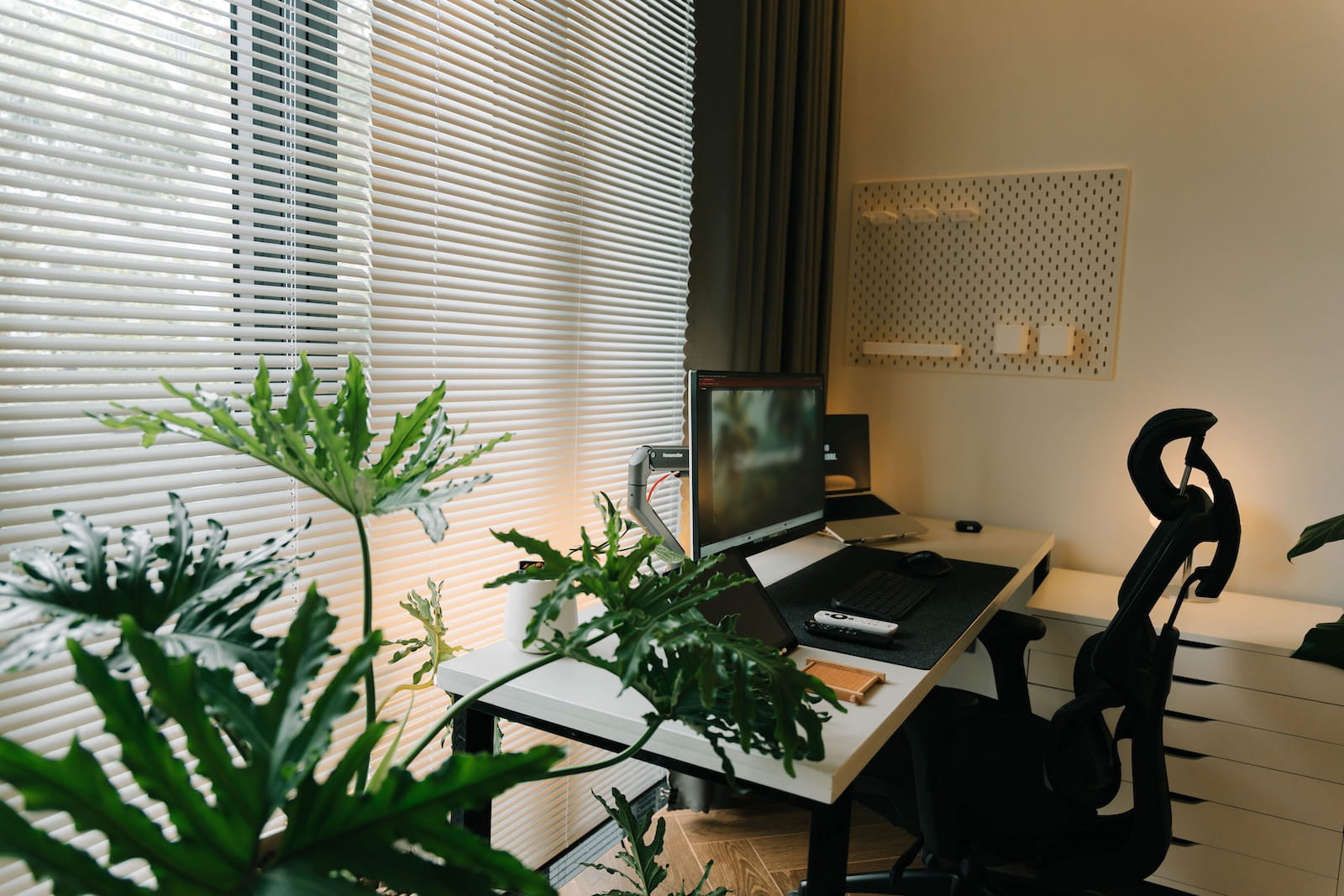
A desk in the corner is not the same as a usable workspace.
If someone works from home regularly, look at privacy, background noise and location. Is the office near the main living area, where it will be noisy all day? Is it close enough to stay connected but far enough away to actually focus? Can a flex room become a real office if life changes?
Think about bedroom separation
For families, bedroom placement matters.
Younger kids may be better closer to the primary suite. Older kids usually benefit from more privacy. Guests need some separation too. If you host family often, a main-level guest room or a flex room near a full bath can make a big difference.
This is where thoughtful design starts to show. Not every square foot carries equal value. The right layout creates privacy where you want it and connection where you need it.
Step 3: Plan for Life Changes, Not Just Move-In Day
One of the biggest mistakes in evaluating floor plans is choosing for the moment only.
A home should fit now, but it should also support the version of your life that’s coming next. At Garman, we think a lot about long-term livability because a better-built home should keep serving you well beyond the first few years.
Ask what could change in the next decade
Consider these real-life shifts:
- Kids moving from toddlers to teenagers
- Adult children coming back home temporarily
- Aging parents needing a place to stay
- A guest room turning into a caregiver space
- A flex room becoming a nursery, office or hobby room
- Retirement changing how often you’re home
- Hosting more family gatherings and overnight guests
A plan does not need to solve every future scenario perfectly. But it should have enough flexibility to handle likely changes without forcing a major renovation later.
Look for adaptable space
Adaptable space often matters more than extra space.
A bonus room, loft, flex room or finished basement can carry a lot of long-term value because it gives you options. The same room might work as a playroom now, a homework zone later and a second lounge or hobby space down the road.
For active-adult or right-sizing buyers, life-stage planning may look different. The priority may be single-level living, easier accessibility, lower upkeep or space that works well for guests without adding rooms that rarely get used.
A home that fits only one version of your life is usually not the best choice.
Step 4: Identify the Rooms That Matter Most, and the Ones That Don’t
This step sounds obvious. It isn’t.
Most buyers say they want “more space,” but what they really want is better use of the space in the rooms they use all the time. That distinction matters when choosing a floor plan for a new home.
Pick your top three rooms
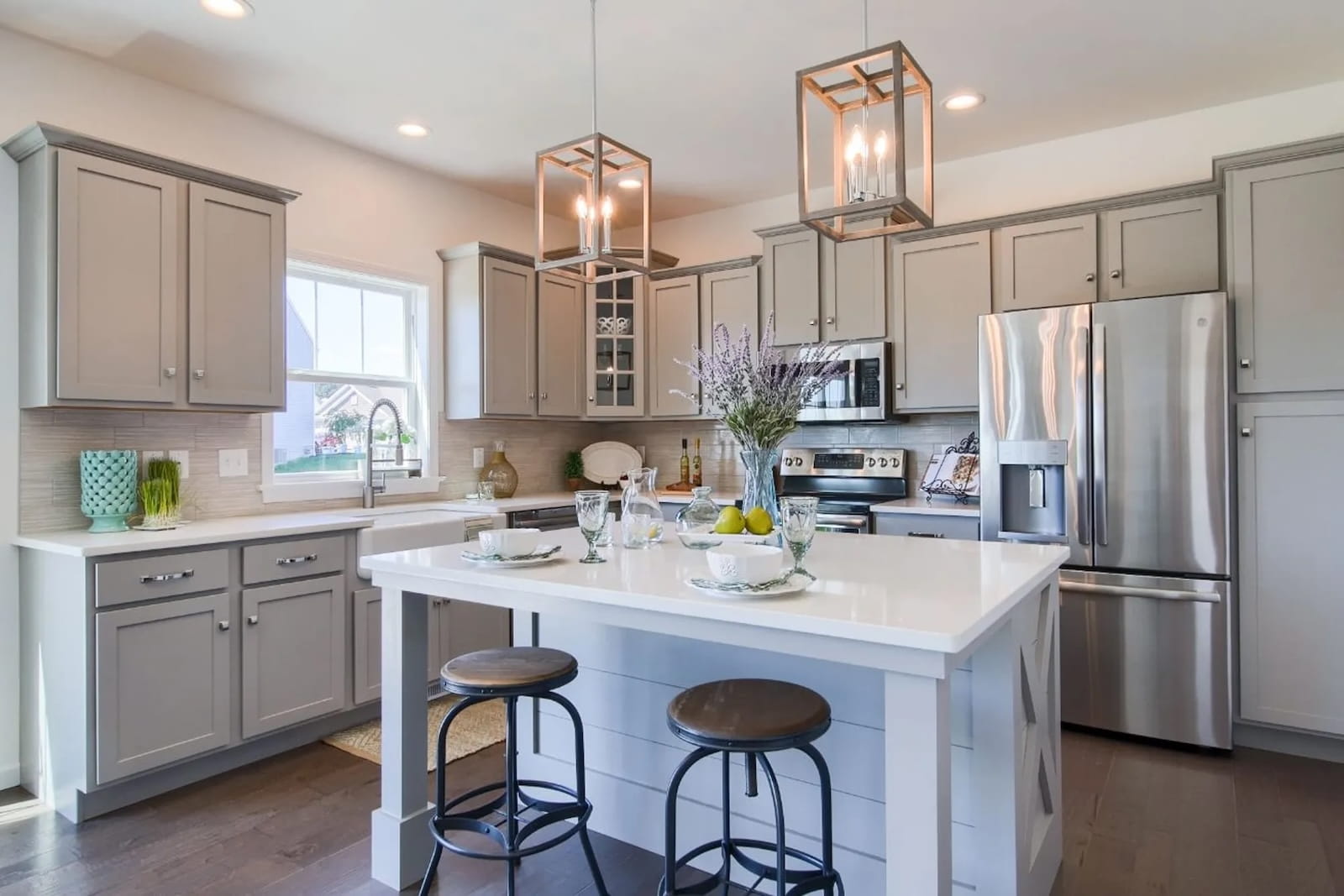 Start by identifying the three spaces that matter most to your everyday life.
For many buyers, that list includes:
- Kitchen
- Family room
- Primary suite
For others, it might be:
- Home office
- Outdoor living area
- Main-level guest suite
Once you know your top three, judge every floor plan through that lens. If the kitchen is the center of your home, it should have the storage, workspace and connection to other living areas you need. If the family room is where everyone gathers, the size, furniture layout and sightlines matter more than whether there’s a formal living room near the front door.
Stop paying for rooms you won’t use
A common floor plan mistake is overvaluing formal spaces.
If you never host in a formal dining room, it may not deserve square footage at the expense of a larger pantry, better mudroom or more useful flex space. If a formal living room will sit empty most of the year, that space may be better used elsewhere.
This is one reason not every home should be designed the same way. The best floor plan for a family with young kids may look very different from the best plan for empty nesters who love to host weekend guests.
Room size matters, but only where it matters
Don’t chase the biggest house. Chase the right proportions.
A slightly smaller home with a better kitchen, more functional family room and stronger bedroom layout often lives better than a larger home filled with underused square footage. Not one-size-fits-all applies here as much as anywhere.
Step 5: Evaluate Storage Realistically
Storage is one of the first things people underestimate and one of the first things they complain about later.
A floor plan can feel open and beautiful during a tour, but if there’s nowhere to put the real stuff of daily life, the home starts feeling crowded fast.
Focus on practical storage, not just closet count
When evaluating floor plans, look beyond whether the plan includes “walk-in closets” or “pantry” on paper. Ask how usable those spaces really are.
Look at:
- Primary closet size and layout
- Linen storage near bathrooms
- Coat closet placement
- Kitchen pantry depth and accessibility
- Mudroom cubbies or drop-zone potential
- Laundry room storage
- Garage storage space
- Basement storage potential
- Attic access and usability, if applicable
A pantry that looks nice in a brochure but only holds a few shelves’ worth of groceries is not enough for a busy household. A garage that fits two cars on paper but leaves no room for bikes, tools or seasonal storage may create stress right away.
Think seasonally
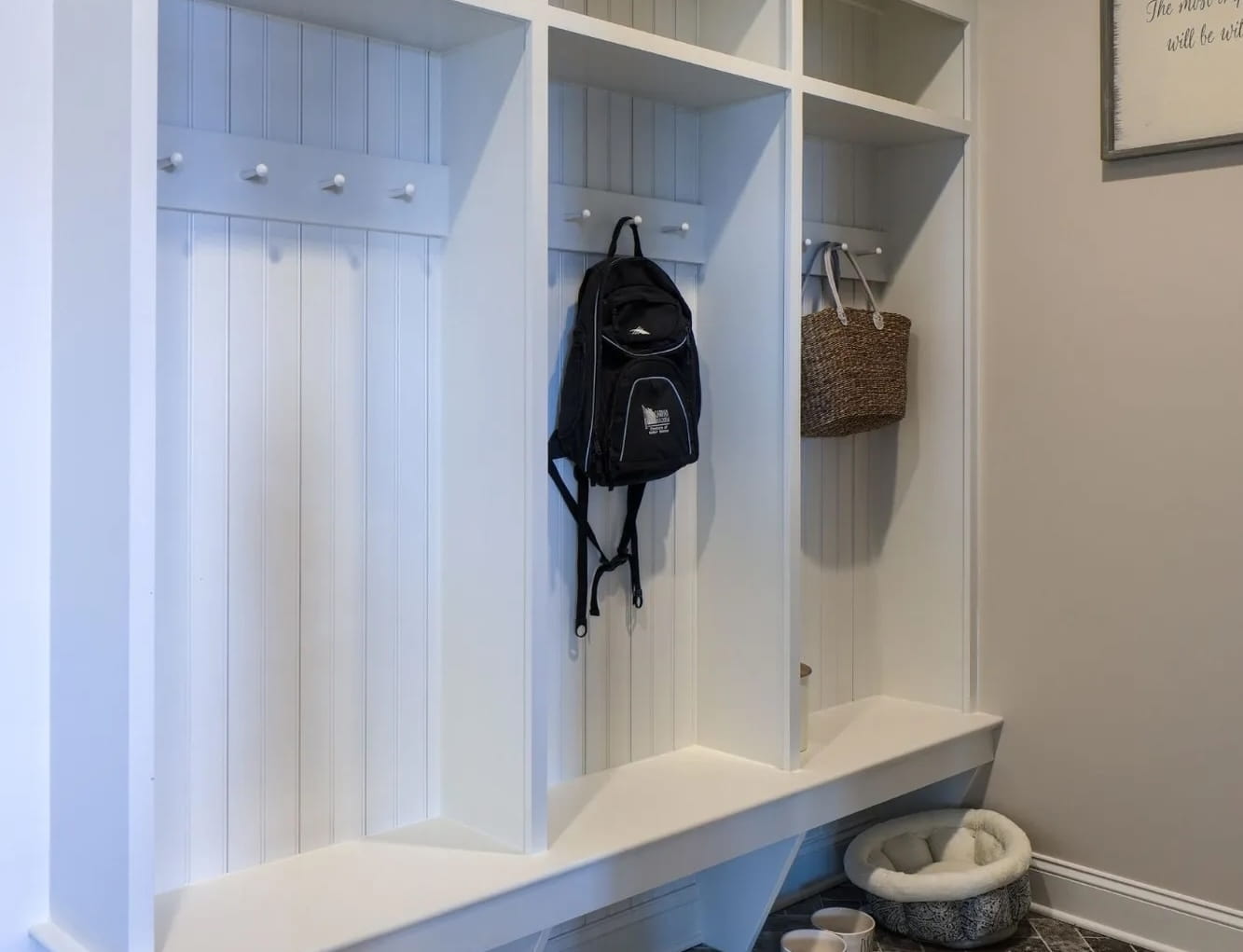
In South Central Pennsylvania, storage has to handle real seasons.
That means boots, coats, sports gear, holiday decorations, patio cushions, snow tools and everything else that cycles in and out through the year. If there’s no logical place for those items, they end up in the wrong spaces.
The best storage is not hidden somewhere inconvenient. It’s placed where life happens.
Step 6: Follow the “Walk It Before You Sign It” Rule
A floor plan always looks cleaner on paper than it feels in person.
That’s why we tell buyers to walk the plan before they sign it. Tour the model. Walk an available home if one is available. Slow down enough to notice how the spaces actually feel.
What to pay attention to during a tour
Do not just look at finishes. Test the layout.
Walk through these questions:
- What do you see when you enter the home?
- Does the kitchen feel connected or crowded?
- Is there enough wall space for your furniture?
- Do the secondary bedrooms feel usable or just technically large enough?
- Does the primary suite feel private?
- Is the path from garage to kitchen easy?
- Will noise from the main living area carry into work or sleep spaces?
- Does the staircase interrupt the flow or support it?
Common surprises buyers notice late
These are the details that tend to catch people off guard:
- A family room that looks big until furniture is placed
- A dining area that fits a table, but not circulation around it
- A mudroom that works for one person, but not a family coming in at once
- A hallway or stair placement that makes the main level feel choppy
- Bedroom doors and bath doors competing in a tight area
- Limited natural light where you expected more
This is where model homes help, but only if you use them the right way. Don’t just admire the styling. Picture the day-to-day.
Open the pantry. Stand at the kitchen sink. Walk in with imaginary groceries. Pause in the family room and ask where everyone will sit. That’s how you learn what the plan really offers.
The 10-Year Test: 5 Questions That Reveal Whether a Plan Will Still Fit
If you want a quick filter for your shortlist, use this test.
A floor plan that answers these five questions usually offers the flexibility and functionality to support long-term value.
1. Will this home still work if our routine changes?
Think about school schedules, work changes, retirement or household shifts. A good plan should not fall apart if one part of your life changes.
2. Are the most-used spaces strong enough to carry daily life?
Your kitchen, family room, primary suite, laundry area and entry flow do most of the heavy lifting. If those spaces are only “fine,” the home may not feel great over time.
3. Is there at least one flexible space?
That could be a study, loft, guest room, finished basement or bonus room. What matters is having a room that can change roles as life changes.
4. Does the storage match the way we actually live?
Not how you wish you lived. How you live. If you have sports equipment, bulk groceries, holiday bins, pet gear or hobby supplies, the plan should absorb that without strain.
5. Can we picture ourselves here in 10 years without making major compromises?
That’s the real test. If the answer is no, keep looking. The right plan should feel like a fit for today and a smart way forward for the years ahead.
A Better Way to Narrow Your Shortlist
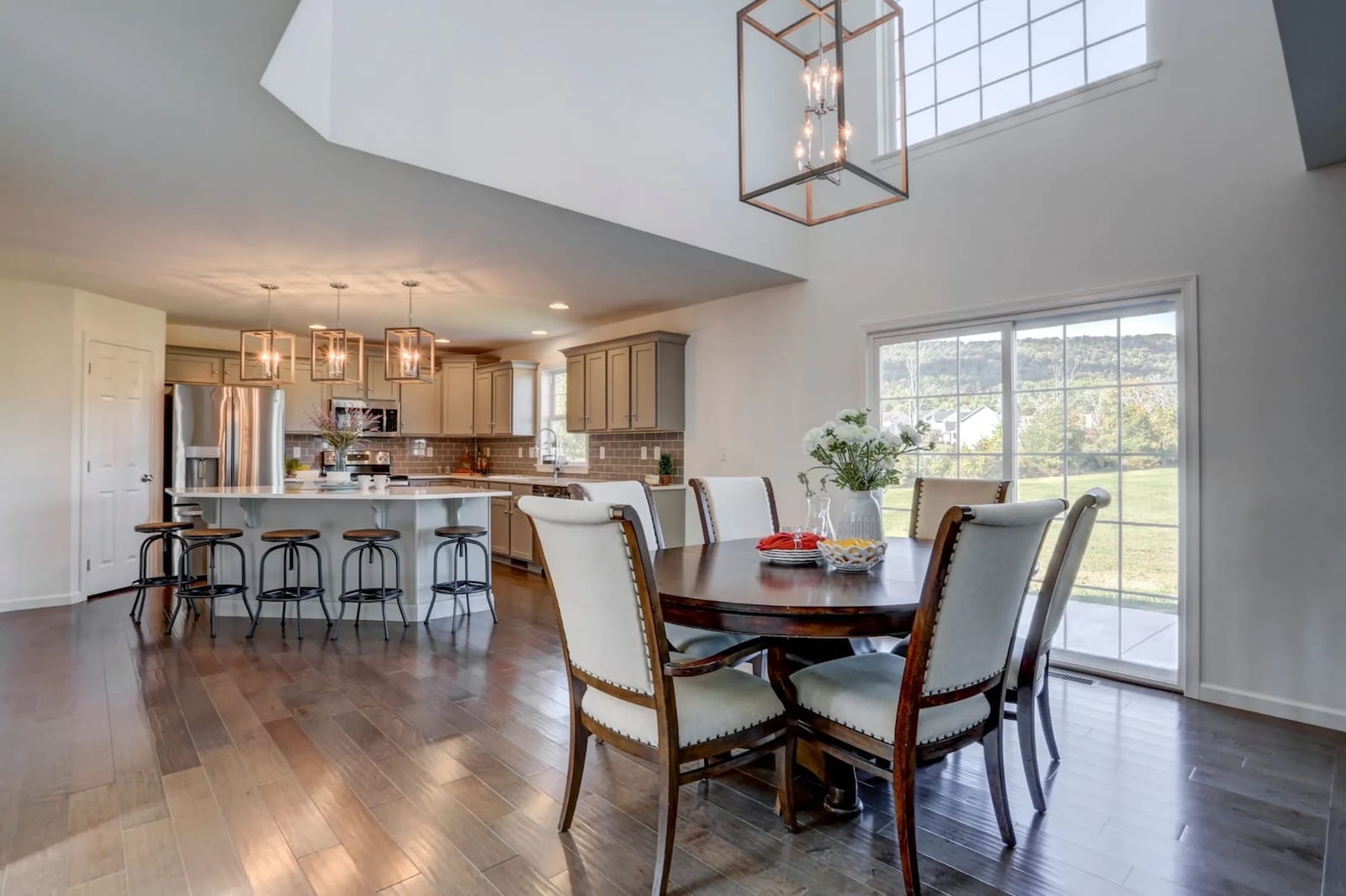
If you’re trying to decide between several strong options, don’t ask which floor plan is the most impressive. Ask which one removes the most friction from everyday life.
That is usually the answer.
At Garman Builders, we believe thoughtful design should do more than look good in a brochure. It should support the way you move through the day, the way your family changes over time and the kind of comfort you feel long after move-in. Craftsmanship you can see matters. Performance and function you can feel matter just as much.
If you’re comparing floor plans in one of our South Central Pennsylvania communities, our team can help you sort through the trade-offs clearly and honestly. We’ll help you focus on what matters, what doesn’t and which plan gives you the best long-term fit.
Explore our floor plans, browse available homes or learn more about our homebuilding process. If you want guidance on your shortlist, contact us. We’ll help you choose with more confidence.
FAQs
How do I choose a floor plan for my new home?
Start with your non-negotiables, then evaluate how the layout supports your daily routine, future life changes and storage needs. The best floor plan is not the biggest or most detailed. It’s the one that works well now and still fits years from now.
What should I look for when evaluating floor plans?
Focus on bedroom placement, kitchen flow, mudroom access, work-from-home space, storage, privacy and room sizes in the spaces you’ll use most. Also look at how flexible the plan is if your household changes over time.
What is the best floor plan for a family?
The best floor plan for a family usually includes strong everyday flow, useful gathering space, practical storage and bedroom placement that fits the children’s ages and routines. There is no single best answer. The right plan depends on how your family actually lives.
Is a one-story or two-story floor plan better?
It depends on your priorities. A one-story plan can offer easier accessibility and simpler daily living. A two-story plan can create more separation between living and sleeping spaces and may offer more square footage on a smaller footprint. The better choice is the one that fits your life stage and routine.
How much storage should a new home floor plan have?
More than most buyers think. Look for practical storage in the pantry, closets, garage, mudroom, laundry room and basement. Good storage should support daily life and seasonal needs, not just check a box on the plan.
Why do model homes sometimes feel different from the floor plan online?
Model homes add furniture, lighting and styling that help you picture the space, but they can also distract from layout issues. That’s why it’s important to walk the plan carefully and test the flow, room size and storage in person.
How do I know if a floor plan will still work in 10 years?
Use the 10-year test. Ask whether the plan can handle routine changes, whether the most-used rooms are strong, whether there is flexible space and whether the home still makes sense without major compromises a decade from now.
Latest Posts
September 16, 2026
Buying a Home From Out of State? Here's How a Quick Move-In Home Solves the Distance Problem
September 16, 2026
How to Buy a House Without Touring First: Shopping for a New Home Remotely
September 16, 2026
Meet Wynfield's New Event Coordinator
September 16, 2026
What Makes Wynfield at Annville the Best 55+ Community in Lebanon County
September 16, 2026
Wynfield at Millersville Basement Homes: Three Homesites With a $48K Basement Package Included
September 16, 2026
Why Annville, PA Deserves a Spot on Your 55+ Community List, Even If You Haven't Found It Yet
September 14, 2026
Finish Your Basement After Closing: A New Construction Buyer's Guide to Rough-In vs. Finished Basements
September 14, 2026
Things to Do in Millersville, PA: A Local's Guide Beyond the Restaurant Scene
September 14, 2026
Do New Homes Come With Blinds? What to Know About Window Treatments After Closing

Next Article

 0
0