


Nest Notes
What to Expect at Your Design Studio Appointment for a New Home

July 29, 2026
This is the day your floor plan stops being a drawing and starts becoming your house.
Our buyers who prepare for their design studio appointment usually walk out excited and confident. The ones who do not often walk out drained. There are a lot of decisions, some small, some expensive and some that are hard to change later. That is why this step matters so much.
If you are getting ready for your new home design selections, this guide will walk you through what happens, when it happens, how long it takes, what to bring and how to keep your budget focused on the things that matter most. We will also show you how the process works at Garman, including our Design Studio and our no commitment contract, which gives buyers the flexibility to cancel up until their second design appointment.
Key Takeaways
- A design studio appointment is where your home starts to feel real, and good preparation makes the experience far less overwhelming.
- Structural options come first because they affect how your home lives and are the hardest, and often most expensive, to change later.
- Most buyers should expect two design sessions, with timing tied closely to the construction schedule.
- Bring inspiration photos, samples from home, your marked-up floor plan, your written budget and any second decision-maker.
- Standard features, upgrades, allowances and incentives each affect your design center budget differently, so clarity early matters.
- Buyers tend to overspend on items they can easily change later and underspend on electrical planning and behind-the-wall choices.
- Selection deadlines protect both cost and timeline because late changes often create change orders.
- The best rule is simple: if it lives inside a wall, floor or ceiling, spend on it now. If it sits on top, you can likely change it later.
What Is a Design Studio Appointment?
A design studio appointment is the part of the homebuilding process where you personalize your home’s finishes, fixtures, colors and in some cases structural details. It is where paper decisions become real ones.
At Garman, this process is designed to help you make smart choices with more value, more control and more confidence. You are not left to sort through endless options alone. Our team guides you through the selections, helps you understand what matters most and works with you to create a home that is Built for the Way You Live.
When the Design Appointment Happens in the Build Timeline
Your design studio appointment happens after contract and before construction reaches the point where major decisions need to be finalized. That timing is not random. It protects your options.
Some choices need to be made early because they affect permits, ordering, trade scheduling and how the home is framed, wired and finished. Structural changes, electrical placement and exterior materials all need to be locked in before the home moves too far forward.
This is one reason we encourage buyers to treat the design window seriously. It is also why this appointment is such an important milestone after contract. If you have already signed and are wondering how this step affects the bigger schedule, timelines can vary.
Why the Timing Matters
The earlier decisions shape the rest.
A cabinet color can be changed more easily on paper than after materials are ordered. An extra outlet is simple to note before drywall and frustrating to add later. A covered patio, larger shower or expanded island is worth real thought before framing starts. After that, changes get harder, slower and more expensive.
That is why builders set selection deadlines. They are not trying to rush you. They are protecting the build schedule and helping avoid change orders that affect both cost and completion.
How Long a Design Studio Appointment Takes
Most buyers should expect the design process to happen across two appointments, not one long meeting.
At Garman, Step 3 is your first Design Studio appointment. This is when you begin making your interior and exterior selections and start shaping the look and feel of your home. Step 4 is your final Design Studio appointment, where you review your choices, finalize details and complete the paperwork needed to move those selections forward into construction.
That structure matters because it gives buyers time to make smart decisions without feeling rushed through every finish, fixture and color in a single sitting. The first meeting is where you narrow in on the big picture. The second is where you confirm everything and make it official.
It also lines up with Garman’s no commitment contract. Buyers can cancel up until their second design appointment, which gives you room to explore your options, understand the investment and move forward with more confidence.
The exact length of each appointment can vary depending on your home, the number of options available and how prepared you are when you arrive. But the bigger point is this: expect a multi-step process, not a quick stop. Buyers who come in with inspiration, a written budget and a clear sense of how they want to live in the home usually move through both appointments more smoothly and with far less decision fatigue.
What You Will Actually Select
A lot of buyers hear “design selections” and think paint colors and countertops. Those are part of it, but the scope is bigger than that. In a typical design center new construction process, you may be making decisions across several categories.
Structural Options, the First and Most Consequential Group
These are the choices that affect layout, function and the way the home lives every day.
Depending on your home and community, this may include things like room extensions, bathroom layouts, covered outdoor spaces, fireplace additions, basement finishes, extra windows, first-floor bedrooms, home offices or alternate kitchen configurations.
These choices deserve your freshest brain. They change the bones of the house. They are also the hardest to revisit later.
Cabinetry, Countertops and Hardware
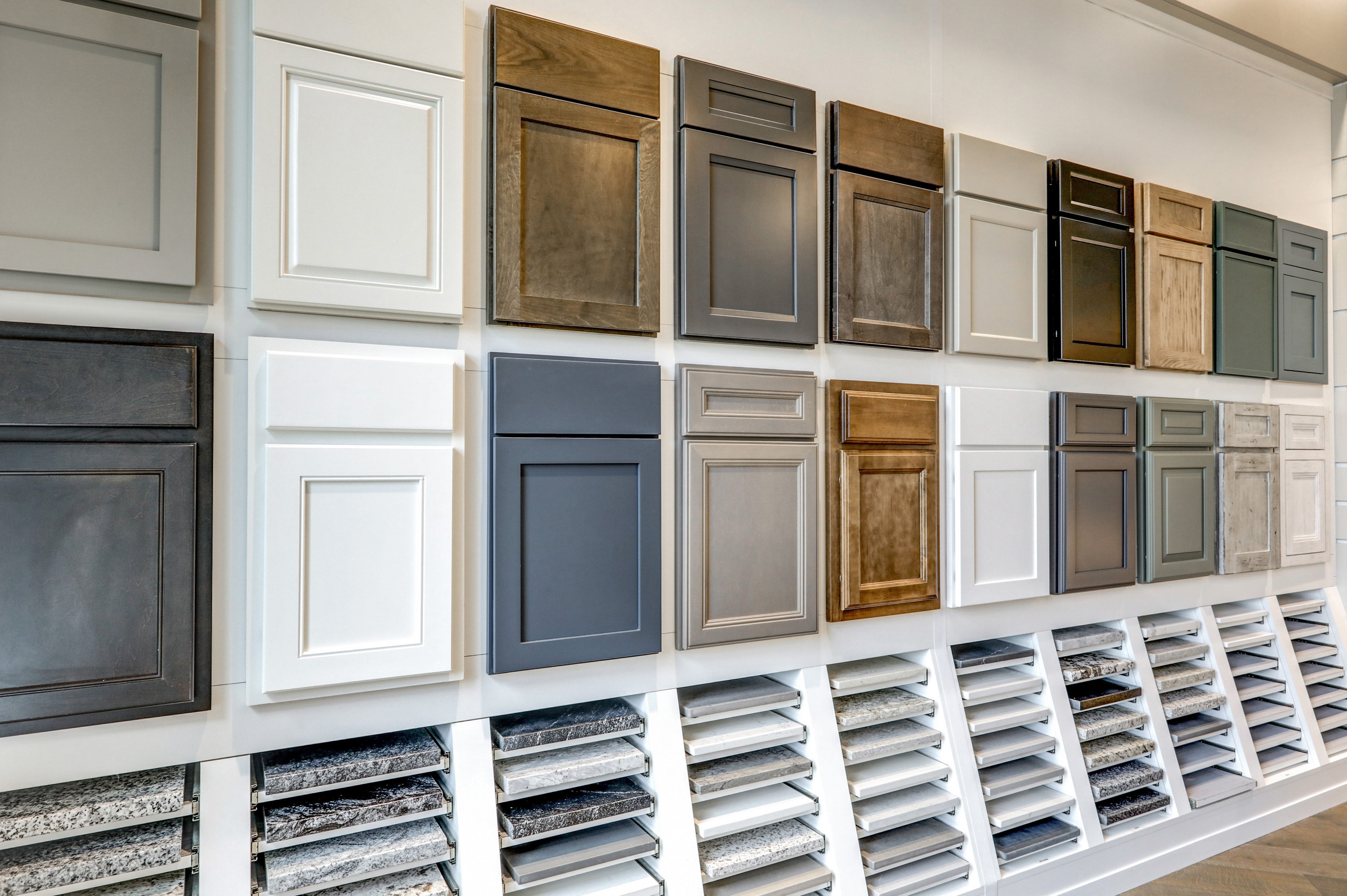
This is one of the most visible parts of your home, and buyers often spend a lot of time here. You may choose cabinet style, wood tone or paint finish, countertop material and color, and the hardware that ties it together.
The trick is not to pick each item in isolation. Think about the room as a whole. Warm wood cabinets and a quiet countertop often age better than a trend-heavy combination that feels exciting for ten minutes and tiring for ten years.
Flooring by Room
Your flooring selections shape both style and function. This usually means deciding where to use carpet, luxury vinyl plank, hardwood or tile, depending on the room and the plan.
This is also where lifestyle matters more than trends. Busy households, pets, kids and daily traffic all change what makes sense. A floor that photographs well is not always the floor you want to live on.
Tile and Backsplash
Tile tends to create decision fatigue because there are so many good-looking options. Shower walls, shower floors, bathroom floors, kitchen backsplash and laundry or mudroom accents can all come into play.
A simple approach helps. Pick your most permanent surface first, then support it. In most homes, that means starting with the floor or countertop, then selecting tile that works with it.
Plumbing and Lighting Fixtures
These choices add personality fast. They also tempt buyers to overspend.
You may be selecting faucet finishes, shower fixtures, vanity lights, pendant lights and other decorative pieces. These matter, but they are not usually the smartest place to stretch your budget unless you truly love them and know they will stay.
Paint and Interior Trim
Paint, trim details and interior door styles help define the tone of the home. Some buyers want contrast. Others want quiet consistency from room to room.
This is where it helps to remember that warmer, more livable palettes have been replacing cooler, stark finishes. If you want inspiration before your appointment, read Interior Design Trends for 2027.
Exterior Selections Including Siding, Stone, Roof and Front Door
Exterior decisions shape curb appeal and first impressions, but they also need to work together in a lasting way.
At Garman, we guide buyers through exterior palettes that feel grounded, timeless and appropriate for the home’s architecture. This is not the place to force five strong materials into one facade. A cleaner, balanced exterior almost always holds up better over time.
Electrical Placement, Outlets, Data and Pre-Wires
This category does not always get the attention it deserves. It should.
Think about where you charge devices, where lamps go, how you use a home office, whether you want under-cabinet lighting, ceiling fan rough-ins, TV locations, data lines, sound wiring or holiday light outlets. These are not glamorous decisions, but they have a direct impact on daily life.
They also become much harder once the walls are closed.
What to Bring to Your Design Studio Appointment

Preparation lowers stress. It also leads to better decisions.
Here is what we want buyers to bring to a design studio appointment.
Photos of Rooms You Love, Saved in One Place
Do not walk in with fifty screenshots buried across your phone. Put your inspiration in one folder, one Pinterest board or one shared album.
Look for patterns in what you saved. If every kitchen photo has warm wood, light counters and black hardware, that tells you something. You are not starting from scratch.
Any Fabric, Rug or Furniture Samples You Already Own
If you already have a sofa, heirloom table, area rug or window treatments you plan to keep, bring samples if you can. Even a pillow cover or fabric swatch helps.
Real-life items keep your selections honest. They stop you from choosing finishes that look good in the studio but fight everything in your actual home.
Your Floor Plan, Marked Up With How You Actually Use Each Room
This might be the most helpful thing you bring.
Mark where the bed goes. Mark where the TV goes. Mark the coffee station, dog crate, desk, reading chair and Christmas tree. Use the plan the way you live, not the way a brochure stages it. This makes electrical and structural decisions easier and much smarter.
Your Budget Number, Written Down
Not a vague range. A real number.
A written number changes the conversation. It helps prioritize, keeps the process grounded and prevents that slow drift into “well, while we’re here...” spending.
For a bigger-picture look at cost planning, read The True Cost of Building a New Home in Pennsylvania: 2026 Breakdown.
A Second Decision-Maker, If There Is One
If someone else needs to approve the selections, they need to be there.
Design appointments stall fast when one person says, “I’ll have to ask my spouse tonight.” If there is a second decision-maker, bring them into the room from the start.
How the Budget Actually Works
This is where buyers usually feel the most uncertainty, so let’s make it plain.
In a typical new home finish selections process, some items are included as standard features. Others are upgrades that increase the cost of the home. In certain categories, allowances may apply, meaning a set amount is included and your final price changes depending on what you choose above or below that amount. Incentives or design dollars may also be available and can often be applied to eligible selections.
The exact details depend on the home, community and current offer, so the right is always to ask your Garman team to show you exactly what is standard and where your budget has flexibility.
What Is Standard
Standard features are the included baseline selections for your home. That does not mean basic in a bad way. It means these items are already part of the home’s pricing and package.
The key is to understand what is already there before you upgrade past it.
What Is an Upgrade
An upgrade is any selection or option priced above the included standard. That might be a different cabinet line, a larger tile format, a premium countertop or added lighting.
Upgrades are not automatically worth it. Some are. Some are not.
How Allowances Work
Allowances are budget placeholders in certain categories. If your included allowance is $X and your final selections total more than that, the overage gets added to your purchase. If you select below the allowance, the treatment depends on the builder’s structure and category.
This is why line-by-line visibility matters. It helps you understand where your design center budget is actually moving.
How Design Dollars or Incentives Apply
If you have design dollars, flex cash or another selection-related incentive, ask early where it can be used and where it cannot. Some incentives apply broadly. Others are limited to certain upgrades, packages or timeframes.
Clear answers upfront make for a better appointment and fewer surprises later.
Where Buyers Commonly Overspend
The most common overspending happens on finishes and fixtures that are easy to swap later.
Think decorative lighting, cabinet hardware, some faucets and certain accent details. These are visible and fun, so buyers get emotionally pulled into them. But they are also among the easiest items to update in five years if your taste changes.
That does not mean skip them entirely. It means keep perspective.
Where Buyers Commonly Underspend
The most common underspending happens on choices that are hard to change later.
That includes:
- Structural options
- Electrical placement
- Added outlets
- Data and media pre-wires
- Lighting rough-ins
- Shower framing and bath layouts
- Storage changes
- Any feature behind drywall
These are the decisions buyers feel most strongly about once they move in. Usually because they did not go far enough the first time.
The Best Rule for Prioritizing Your Spend
Here is the simple rule we give buyers:
If it lives inside a wall, a floor or a ceiling, spend on it now. If it sits on top of a surface, you can change it some weekend later.
That one rule clears up a lot.
Spend more thought and budget on wiring, layout, plumbing locations, lighting placement, insulation-related decisions where applicable and functional upgrades that shape how the home works. Be more disciplined on things like a statement light fixture or a trendy backsplash you may want to replace down the road anyway.
How to Avoid Decision Fatigue
Decision fatigue is real in a design studio appointment. Even confident buyers hit a wall.
The best way to prevent it is to structure your thinking before the appointment and pace yourself during it.
Make the Big Structural Calls First While You Are Fresh
Do not burn your best mental energy on hardware finishes. Use it on layout, function and the decisions that affect how the home lives.
Group Similar Decisions
Think in systems, not isolated products. Do all bath finishes together. Think through flooring as a house, not one room at a time. Keep your palette tight enough that everything relates.
Take the Break When It Is Offered
Take it.
A ten-minute pause in the middle of a long appointment can save you from two expensive impulse decisions at the end.
What Builders Mean by Selection Deadlines
Selection deadlines are the dates by which your choices need to be finalized so materials can be ordered and construction can stay on track.
Once those deadlines pass, late changes often trigger change orders. Change orders can affect pricing, material availability, scheduling and settlement timing. That is one reason builders are firm about them.
At Garman, this is part of giving buyers Confidence from contract to closing. A better process keeps expectations clear and protects the build schedule.
What You Can Still Change Later, and What Is Usually Locked
Exact policies vary by builder and build stage, but the general rule is straightforward.
Once structural decisions, exterior materials, electrical layouts and ordered finish packages are approved and released, they are usually locked or very difficult to change without cost and delay.
Some surface-level items may still have flexibility earlier in the process, depending on order timing. But never assume. Ask your team what is locked, what is still open and what deadline applies to each category.
Then verify the final result during your pre-drywall walkthrough and later milestones.
How to Prepare in the Two Weeks Before Your Appointment
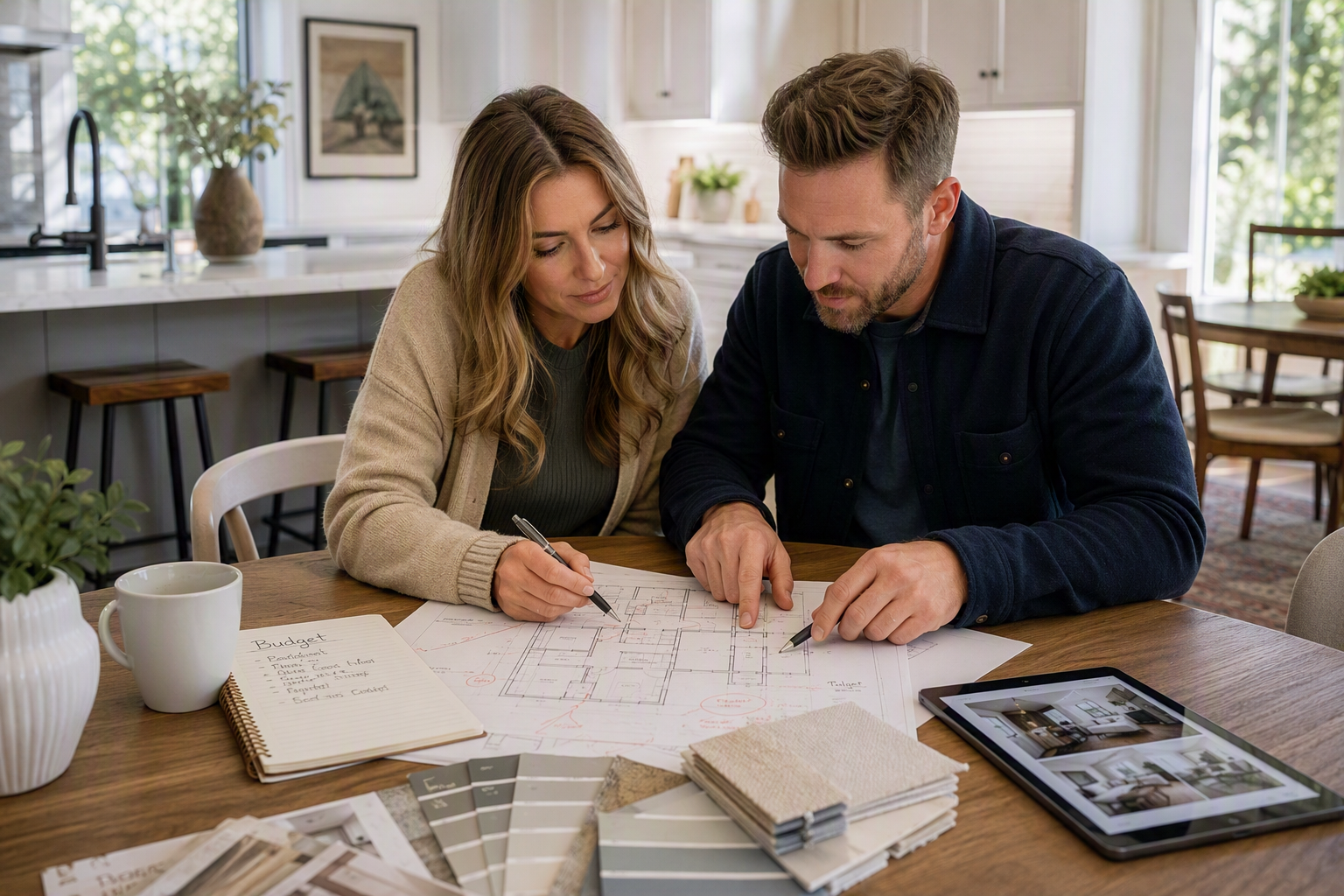
A little work ahead of time pays off.
1. Review Your Floor Plan Room by Room
Think about daily routines, storage, furniture layout and traffic flow. Write notes directly on the plan.
2. Organize Your Inspiration
Save your best ideas in one place and narrow them down to the looks you actually want to live with.
3. Set a Clear Budget
Know your comfort zone before you walk in. Not after.
4. Decide Your Priorities
Pick three categories where you are willing to spend and three where you are happy to stay close to standard.
5. Read Up on the Process
If you want a little more context before your appointment, these resources that exist on our blog page are vast and can offer an array of answers.
6. Bring the Right Person
If someone shares the decision, they need to share the appointment.
A Better Design Experience Starts With Better Preparation
The design studio appointment should feel exciting, not chaotic.
When buyers understand what to expect at design center meetings, know where to spend, bring the right materials and make the hard decisions early, the process gets much better. You leave with choices you feel good about, not a fog of rushed decisions you second-guess later.
That is what we want at Garman. More value. More control. More confidence. A home that is designed around the way you actually live, with guidance that helps you make smart decisions from the start.
If you are preparing for your design studio appointment or still deciding whether building is the right path, connect with our team or explore our Design Studio. We are here to help you move forward with a clearer plan and a home you will be proud to own.
Frequently Asked Questions
What is a design studio appointment for a new home?
A design studio appointment is the meeting where you choose the finishes, fixtures, colors and sometimes structural options for your new home. It turns the plan into a personalized home and helps finalize the details needed for construction.
When do new home design selections happen?
New home design selections usually happen after contract and before construction reaches key ordering and build milestones. The exact timing depends on the builder’s schedule, but it always happens early enough to keep the home on track.
How long does a design center appointment take?
Most buyers should expect the design process to happen across two appointments. At Garman, the first Design Studio appointment is where you begin making your interior and exterior selections, and the second is where you review your choices, finalize details and complete paperwork.
What should I bring to my design appointment?
Bring your inspiration photos in one place, any furniture or fabric samples you already own, a marked-up floor plan, your written budget and any second decision-maker involved in the purchase. Those five things make the appointment far more productive.
How does the design center budget work?
A design center budget usually includes standard features, optional upgrades and sometimes allowances in specific categories. Incentives or design dollars may also apply. Your builder should show you clearly what is included and what changes the final price.
Where should I spend more during design selections?
Spend more on structural options, electrical planning and anything behind the walls, floors or ceilings. These choices are difficult and costly to change later, and they affect how the home works every day.
Where do buyers usually overspend during design selections?
Buyers often overspend on decorative fixtures and finishes they could replace later, such as hardware, some lighting and certain accent details. These items matter, but they should not crowd out more important functional upgrades.
Can I change my selections after the appointment?
Sometimes, but only within certain windows. Structural, exterior and ordered items are often locked once deadlines pass. Late changes can create change orders that affect both cost and timeline, so ask your builder exactly what remains flexible.


 0
0