


Nest Notes
New Construction Regrets: What to Know Before Building a House

July 30, 2026
Nobody builds a home twice without learning something the first time. Here is what buyers consistently say they would do differently.
That is what makes this kind of advice so useful. The most valuable new construction advice usually does not come from a brochure. It comes from the small things people only notice after they move in, live in the home for a while and realize what they would change if they had the chance.
We build homes across South Central Pennsylvania, and we hear these lessons again and again. None of them mean someone made a terrible decision. Most are normal, fixable and worth thinking through before you build. If you are still in the planning stage, this guide will help you avoid the most common new home buyer regrets and make decisions with more confidence.
Key Takeaways
- The most common new construction regrets are not dramatic mistakes. They are small planning decisions that affect daily life.
- Electrical placement, storage, natural light and future-ready rough-ins matter more than most buyers expect.
- A lot of building a house mistakes come from making decisions too fast or thinking only about move-in day.
- Visiting a community at different times of day can change how you feel about a homesite.
- Budgeting should include post-closing costs like blinds, furniture and landscaping, not just contract pricing.
- Your pre-drywall walkthrough and 11-month warranty walkthrough both deserve a checklist.
- The strongest long-term decisions usually come from asking more questions, not fewer.
- If you want a better building experience, choose a builder that offers real guidance, real warranty support and a process built around the way you live.
1. “I underestimated how many electrical outlets I would want”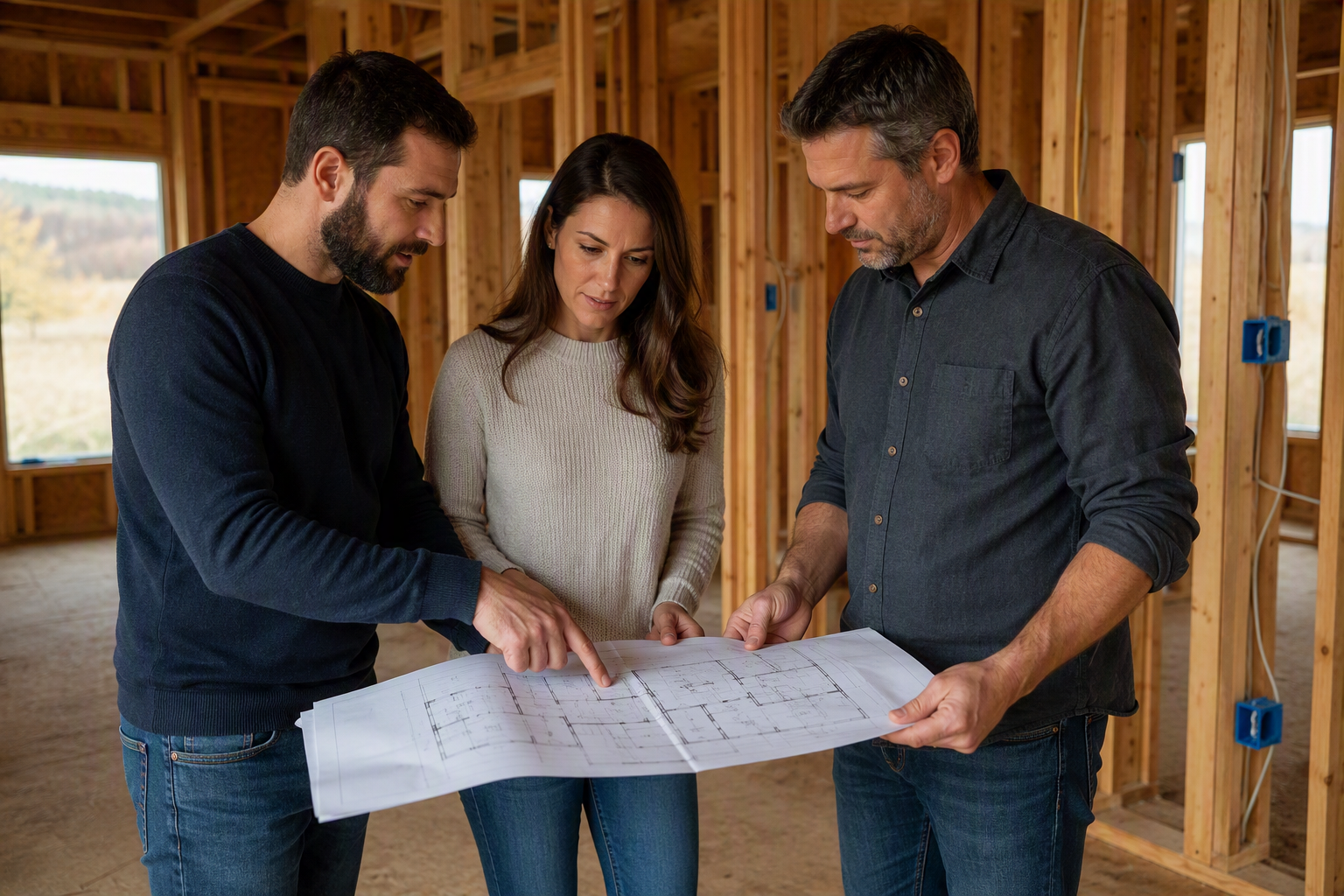
This is one of the most common new construction regrets because people do not fully picture daily routines until they are living in the home.
It usually shows up in kitchens, mudrooms, home offices, bathrooms, garages and outdoor spaces. Suddenly there is nowhere convenient to plug in a coffee station, charging drawer, holiday lighting, cordless vacuum or desk setup.
The fix is simple, but only if you think about it early. Walk through each room and ask what will actually happen there. Where will lamps go? Where will phones charge? Will you want a bidet outlet later? A garage freezer? A patio TV?
If you are heading into selections, our guide to What to Expect at Your Design Studio Appointment will help you prepare for decisions like this before they become change orders or afterthoughts.
2. “I should have paid more attention to which direction the house faced”
House orientation changes how a home feels every day.
Morning sun in the kitchen sounds great until it is blinding at breakfast. A west-facing great room can be bright and warm in the evening, which some buyers love and others do not. Snow melt, backyard shade and even how much time you actually spend on a covered patio can all come back to orientation.
This is one of those things to know before building that buyers often miss because they focus on the floor plan first and the homesite second. But the same plan can live very differently on two different lots.
If you are comparing communities, spend time reviewing our community pages and site plans and ask how each homesite sits. That question matters more than it seems.
3. “I spent upgrade budget on things I could have changed myself later”
This one stings because it usually feels obvious after the fact.
Some upgrades are hard, disruptive or expensive to add later. Better cabinets, extra windows, rough-ins, structural changes and certain electrical options often belong in that category. Other choices, like some light fixtures, cabinet hardware, paint colors or even a backsplash in certain cases, may be easier to tackle over time.
The regret is not spending money. It is spending early budget on the wrong things.
A better approach is to separate upgrades into two groups: things that are best done during construction and things you can reasonably change after closing. That is one reason we encourage buyers to take the design process seriously. It helps you spend with intention instead of reacting to a menu of options.
Our What to Expect at Your Design Studio Appointment guide can help you sort through those priorities before you commit.
4. “I did not plan storage seriously enough”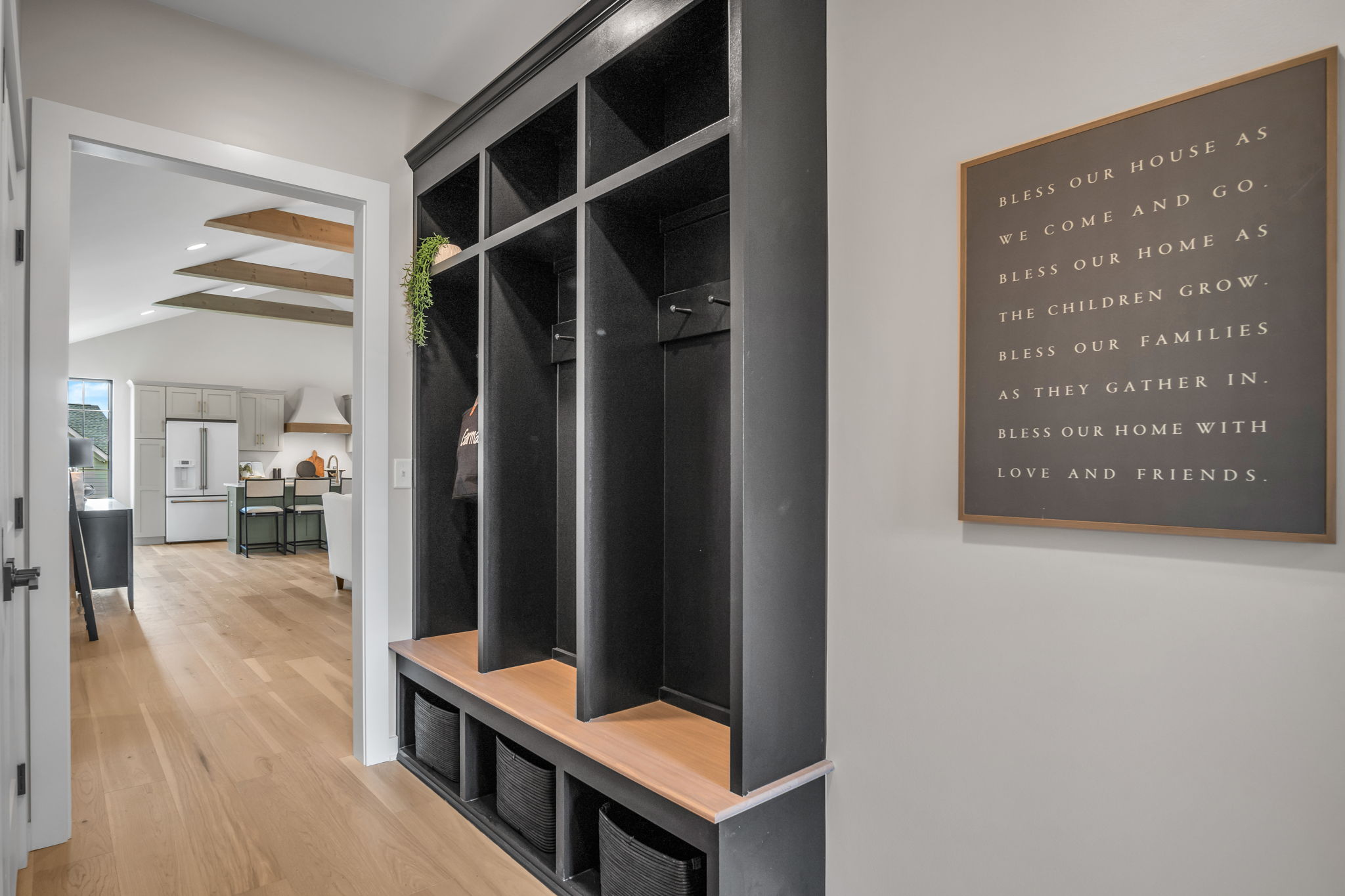
Storage is easy to undervalue when you are looking at square footage, finishes and big open living spaces. Then you move in and realize daily life needs a place to land.
Where do coats go if the mudroom is small? Where do bulk groceries live? Sports gear? Cleaning tools? Seasonal decor? Extra paper towels? The things that create clutter are rarely surprising. What surprises people is how quickly clutter shows up when storage was treated as optional.
This is not just about having a bigger house. It is about having better-planned space.
When you compare plans, look hard at pantry size, linen storage, entry drop zones, bedroom closets, garage storage potential and whether there is flexible unfinished space where needed. Our guide on How to Choose the Right Floor Plan for Your Family is a good next step if you are weighing function room by room.
5. “I should have gone to the pre-drywall walkthrough with a real checklist”
A pre-drywall walkthrough is one of the best chances you get to understand your home before the walls are closed up.
This is where buyers often say, “I looked around, but I did not really know what I was looking for.” That is normal. Framing, wiring, plumbing lines and blocking can all blur together if no one has prepared you for the walk.
The right move is to show up with a checklist and use the visit to confirm what matters most: outlet locations, low-voltage placement, lighting, plumbing rough-ins, framing for openings, niche locations and any options that will disappear behind drywall.
Our full guide to What to Look for at Your Pre-Drywall Walkthrough breaks that process down step by step.
6. “I picked finishes one at a time instead of seeing them together”
This is one of the easiest ways to end up with a home that feels disconnected.
A flooring sample may look great on its own. So might the cabinet color. So might the countertop. But homes are not experienced one sample at a time. They are experienced as a full palette, in real light, across connected spaces.
Buyers who feel best about their design choices usually step back and view the whole picture. They compare undertones. They think about contrast. They ask whether the kitchen, baths and flooring feel like they belong in the same home.
That is exactly why design appointments matter.
7. “I did not budget for the things that come after closing”
A lot of building a house mistakes are really budgeting blind spots.
The contract price is only part of the picture. After closing, buyers often run into immediate costs for window treatments, washer and dryer, refrigerator, landscaping, patio furniture, rugs, larger-scale furniture for open rooms and small tools or storage systems they never needed before.
None of this means new construction is a bad financial move. It means the move-in budget needs to be realistic.
If you want a clearer picture of total ownership costs, read The True Cost of Building a New Home in Pennsylvania: 2026 Breakdown. It will help you plan for the full first-year spend, not just the day you sign papers.
8. “I underestimated the year one property tax bill”
This is one of the most important things to know before building, especially for first-time new construction buyers.
Property taxes on a new home can change after assessment catches up to the completed value of the property. Buyers who only look at an early estimate can end up surprised when escrow adjusts later.
This is not a small detail. It affects monthly payment confidence, and it should be part of your budgeting conversation from the start.
Our Pennsylvania Property Tax Guide for New Home Buyers explains how this works, what questions to ask and how to avoid getting caught off guard in year one.
9. “I wish I had roughed in for a future basement bathroom”
This is one of those decisions that feels optional until it becomes expensive later.
Even if you are not finishing the basement right away, a future bathroom rough-in can make a big difference down the road. It gives you more flexibility for guests, multigenerational living, entertaining or a future finished lower level without tearing up concrete later.
It is a practical choice, not a flashy one. Which is exactly why people forget to prioritize it.
10. “I picked my homesite without visiting the community at different times of day”
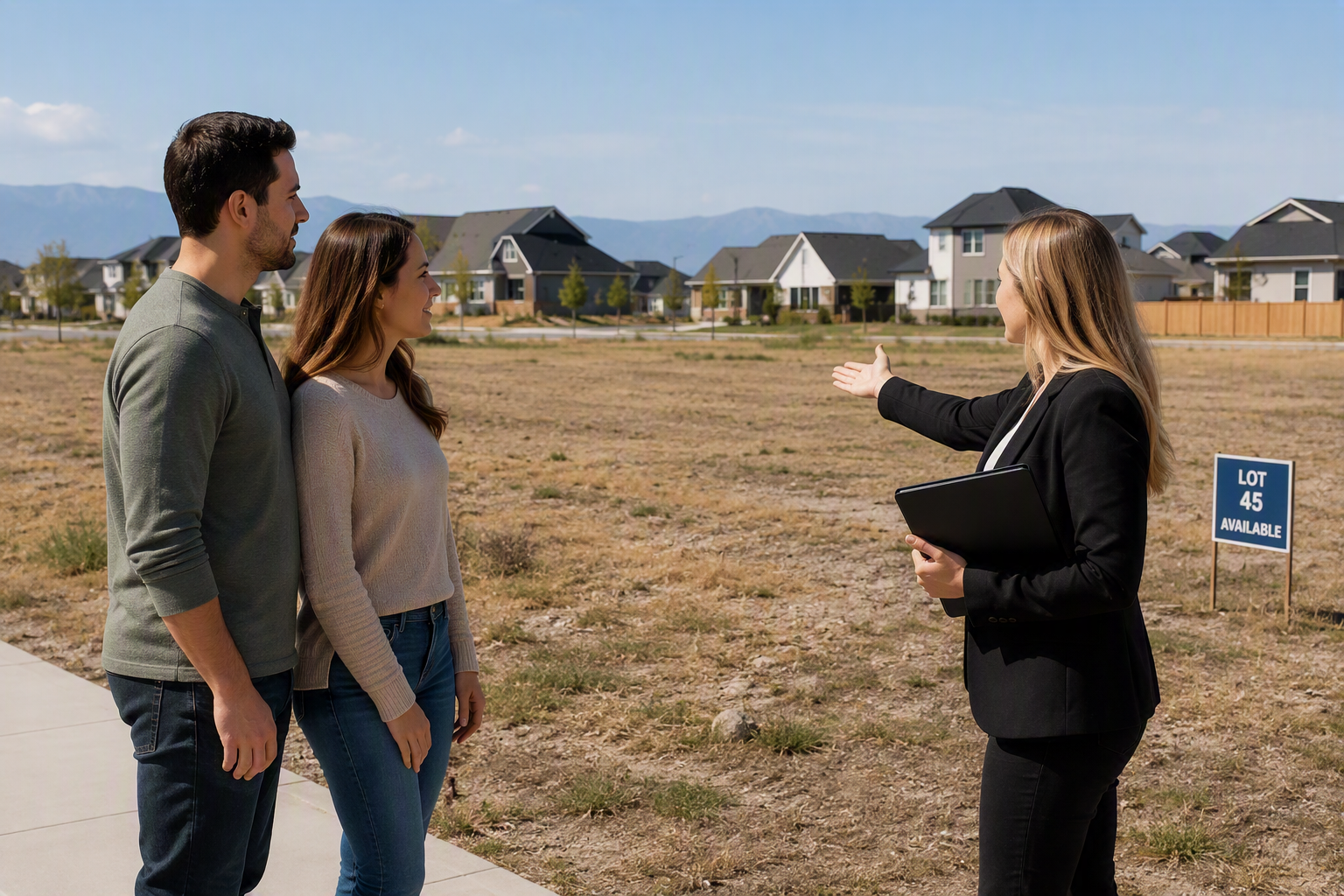
A homesite can feel very different at 10 a.m. on a weekday than it does during school pickup, evening traffic or a quiet Sunday morning.
This is one of the most overlooked new home buyer regrets because buyers sometimes fall in love with the lot map before they have experienced the rhythm of the community. They have not heard nearby road noise at rush hour, seen where the afternoon shade falls or noticed which streets feel busier than expected.
The practical answer is simple: visit more than once.
If you are exploring neighborhoods, our community pages and site plans are a good starting point. Then go in person, more than once, and pay attention to what the area feels like when life is actually happening.
11. “I should have asked more questions about the HOA before I signed”
HOA questions are rarely the exciting part of buying a home. They are still worth your time.
Buyers often focus on the monthly fee and forget to ask what it actually covers, what the rules are, how design review works, whether there are maintenance responsibilities and how the association may affect future changes to the property.
This matters even more in low-maintenance and attached-home communities, where the HOA may cover landscaping, lawn care or snow removal. Those services can be a real benefit. You just want to understand the structure clearly before you commit.
Our guide to HOA Fees Explained walks through what to ask and what to look for before signing.
12. “I made design decisions too fast because I felt rushed”
This regret usually comes from stress, not carelessness.
Buyers walk into a design process knowing there are a lot of decisions ahead. If they have not prepared, every choice can feel high pressure. That is when people default to “good enough,” only to rethink everything later.
The best way to avoid that is to do some homework before the appointment. Save photos. Know your priorities. Understand where you want to spend and where you do not. And give yourself permission to slow down enough to make coordinated, confident decisions.
13. “I skipped the 11 month warranty walkthrough and lost coverage on things I later paid to fix”
This one is more common than it should be.
Once people are settled in, life gets busy. The home no longer feels new in the same way, and small items get pushed aside. Then month 12 comes around, and issues that could have been addressed under warranty become the homeowner’s responsibility.
A real warranty has value only if you use it well. That means documenting concerns, watching how the home performs through seasons and scheduling the walkthrough while coverage still applies.
Our guide on What’s Actually Covered by a New Home Warranty in Pennsylvania explains what to expect and how to make the most of that protection.
14. “I did not think about how the home would work in ten years, only how it worked now”
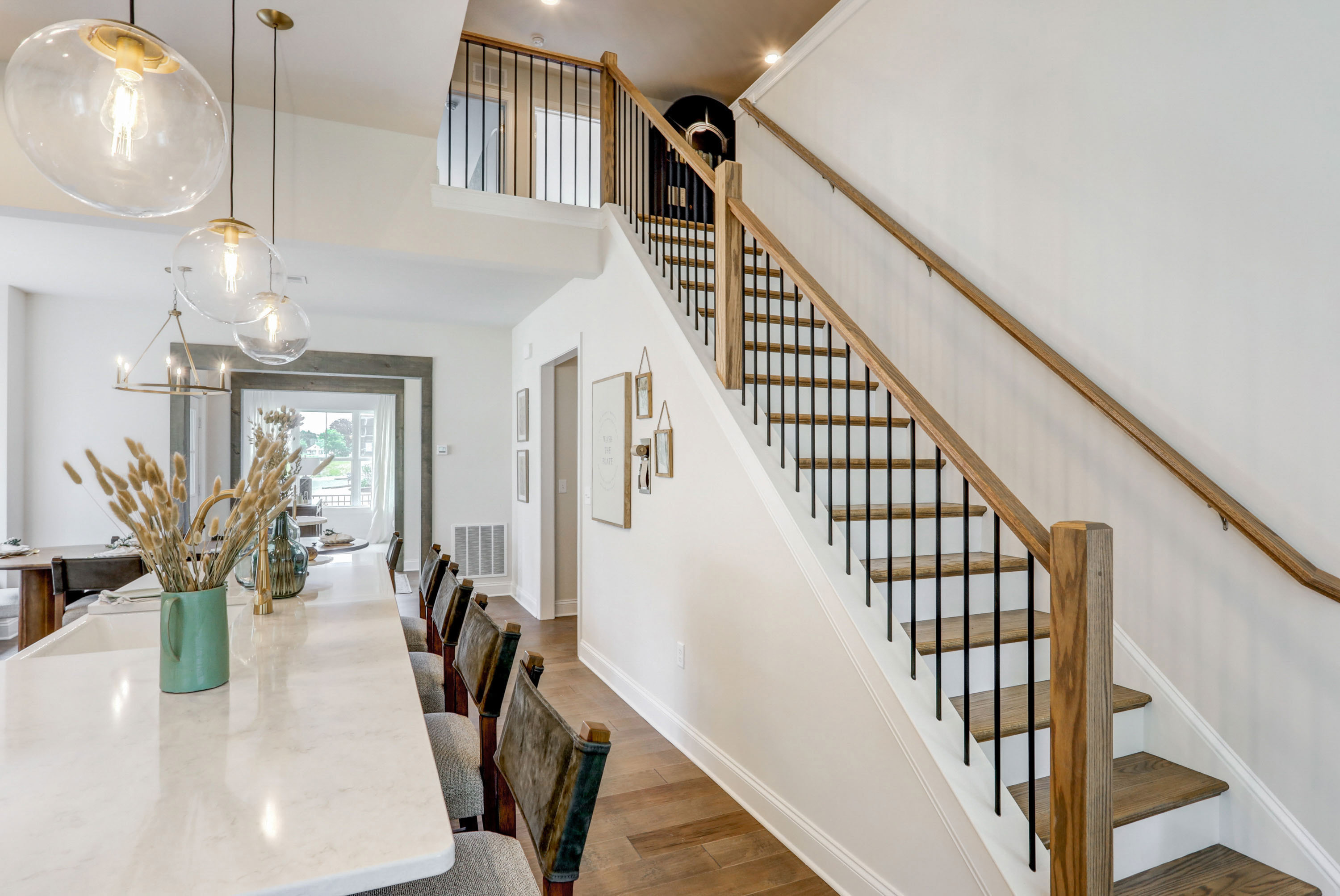
A house should fit your life today. It should also give you room to keep living well as life changes.
This is where buyers sometimes focus too narrowly on their current routine. Then a parent moves in, a child becomes a teenager, work shifts home, stairs feel less convenient or guest space suddenly matters more than it did at contract.
Thinking long term does not mean trying to predict everything. It means asking better questions now. Will a flex room help later? Would a first-floor guest space matter? Is the layout still practical if your household changes?
If you are comparing layouts, start with Single-Story vs. Two-Story Homes: Which Layout Is Right for Your Stage of Life?
15. “I worried far more than I needed to during the build”
This may be the most human lesson on the list.
Building a home is a major purchase. Of course people worry. They worry about timelines, decisions, rates, paperwork, construction progress and whether they are making the right calls. Some of that is unavoidable. A lot of it comes from not knowing what is normal.
What helps is having a builder who communicates clearly, stands behind the schedule and gives you a process you can trust. Confidence from contract to closing is not a small thing. It changes the whole experience.
If you are early in the process, What to Do (and Not Do) After You Sign Your New Home Contract can help you focus on what actually deserves your attention and what does not.
What buyers say they got right and would do again
For all the talk about regrets, it is worth saying this clearly: buyers also talk about what they are glad they did.
Three decisions come up again and again.
Choosing a builder with a real warranty
This matters after move-in, not just before contract. A builder’s service, follow-up and willingness to stand behind the home shape the ownership experience in a real way.
Taking the design process seriously
People who prepared for design appointments and treated those choices as long-term decisions tend to feel better about the home later. They usually spent more intentionally too.
Asking for what they wanted instead of assuming it was not available
A lot of missed opportunities start with silence. Buyers sometimes assume a feature is impossible, too expensive or not worth asking about. Then later they find out there was a path forward. Good questions save regret.
Five things to do differently if you are still in the decision phase
If you want the shortest version of this whole article, here it is.
1. Walk through your daily routine before you finalize anything
Think about where you drop your keys, charge devices, store groceries, get ready in the morning and gather at night. Real life should shape the plan.
2. Spend early dollars on the hard-to-change items
Put budget toward structural options, rough-ins, electrical planning, storage and layout decisions first. Decorative items usually come later more easily.
3. Visit the homesite and community more than once
Go at different times of day. Pay attention to light, traffic, noise and the general feel of the neighborhood when people are actually moving through it.
4. Build a first-year budget, not just a closing budget
Include property taxes, window treatments, furniture, landscaping and the practical extras that show up right after move-in.
5. Use every builder milestone well
Design appointments, pre-drywalls and warranty walkthroughs are not just boxes to check. They are decision points that protect your investment.
A better way to approach new construction
The point of talking about new construction regrets is not to make building feel risky. It is to make you better prepared.
Most regrets come from everyday details that were easy to miss in the moment. The good news is that they are also easy to learn from. If you ask better questions, plan a little further ahead and use each step of the process well, you can avoid a lot of the friction buyers talk about later.
That is part of The Garman EDGE. We build better-built, more efficient homes, but we also work hard to give buyers more control, more clarity and more confidence along the way. A home should feel good on move-in day. It should still feel right years later.
If you are starting your search, exploring communities or comparing floor plans in South Central Pennsylvania, contact us or explore our available homes and floor plans. We are here to help you move forward with fewer surprises and more confidence.
FAQ
What are the most common new construction regrets?
The most common new construction regrets include not adding enough outlets, underplanning storage, rushing design choices, missing post-closing costs, underestimating property taxes and failing to think about how the home will work long term. Most of these are planning issues, not major construction problems.
What do people wish they knew before building a house?
People usually wish they had thought more carefully about orientation, storage, electrical placement, upgrade priorities, future rough-ins and first-year ownership costs. They also wish they had used builder walkthroughs and warranty milestones more intentionally.
Are new home buyer regrets usually expensive to fix?
Some are inexpensive, like changing fixtures or adding organization systems. Others are much more costly after construction, especially structural changes, plumbing rough-ins, electrical relocation or major storage improvements. That is why planning early matters.
How can I avoid building a house mistakes during design?
Prepare before your appointment. Bring inspiration, know your budget priorities, think in terms of full-room coordination and focus first on items that are difficult to change later. It also helps to ask directly about options instead of assuming something is off the table.
Why does house orientation matter in new construction?
House orientation affects natural light, afternoon heat, backyard shade, snow melt and how indoor and outdoor spaces feel throughout the day. The same floor plan can live very differently depending on how it sits on the homesite.
Should I attend the pre-drywall walkthrough?
Yes. The pre-drywall walkthrough is one of the best opportunities to verify outlet locations, plumbing rough-ins, framing details and installed options before the walls are closed. Go with a checklist so you can confirm what matters most.
Is a new home warranty walkthrough really necessary?
Yes. The 11-month warranty walkthrough helps you identify and report items while coverage still applies. Skipping it can mean paying out of pocket later for issues that could have been addressed under warranty.


 0
0