


Nest Notes
Downsizing Without Downgrading: Why Right-Sizing Your Home Can Feel Like an Upgrade

July 30, 2026
Downsizing your home sounds like giving something up. Less space. Fewer rooms. A smaller version of what you had before.
But talk to homeowners who have done it well and you hear a very different story. They did not downgrade anything that actually mattered. They upgraded almost everything except square footage.
That is the real shift. For empty-nesters, pre-retirees, and buyers leaving larger homes behind, this is rarely about settling for less. It is about right sizing your home around the life you are actually living now. Less maintenance. Better flow. More comfort. A location that works better. Finishes you enjoy every day. A home that gives you more freedom, not more chores.
At Garman Builders, we see this every day in buyers looking for a smarter way forward. They are not chasing excess space they no longer use. They want a home built for the way they live now, and for the next chapter ahead.
Key Takeaways
- Downsizing without downgrading means reducing unused square footage while improving comfort, design, location and lifestyle.
- Right-sizing your home is often a better frame than downsizing because the goal is fit, not sacrifice.
- Buyers who right-size well usually gain time, lower upkeep, simpler daily routines and more flexibility to travel.
- A smaller home can deliver better finishes because less of the budget goes toward rooms you rarely use.
- The best empty nester home is not just smaller, it is designed around how you live now, including storage, entertaining and everyday convenience.
- Main-floor living, low-maintenance ownership and amenity-rich communities matter more as buyers plan for the next 10 to 20 years.
- At 117 On The Boulevard, Garman offers condo living designed for right-sizing buyers who want comfort and style without the burden of a large home.
Why “Downsizing” Is the Wrong Word
The word itself is the problem.
Downsizing your home makes it sound like the whole experience is a step down. Smaller budget. Smaller life. Smaller expectations. That is not what most buyers want, and it is not what the best right-sizing decisions actually look like.
If you are leaving a large family home, you are not trying to give up quality. You are trying to stop paying for, cleaning and maintaining space that no longer serves you. You are not downgrading your finishes, your comfort, your community or your lifestyle. You are choosing a home that fits the way you live now.
That is why right sizing your home is the better phrase.
A good right-size move keeps what matters and cuts what does not. It trades unused bedrooms for a better kitchen. A formal room nobody enters for a location closer to restaurants, walking trails or everyday errands. Two sets of stairs and a long maintenance list for a layout that feels easier the minute you walk in.
That is not a compromise. It is a correction.
The 6 Things Buyers Actually Gain When They Right-Size Well

1. Less to maintain, and more time back
A bigger house asks more from you. More cleaning. More repairs. More yardwork. More systems to keep up with. More weekend time spent managing the property instead of enjoying it.
When buyers downsize to a condo or a better-planned smaller home, the first thing they usually notice is relief. There is simply less to deal with.
That matters. Time is one of the few things you do not get more of.
For many empty-nesters, right-sizing means getting weekends back. It means less time walking room to room handling tasks that no longer feel worth it. It means a home that supports your life instead of running it.
2. Lower monthly costs
Square footage does not just affect the purchase price. It touches almost every monthly cost that follows.
A right-sized home often means lower utility bills, lower maintenance costs, potentially lower taxes, lower insurance costs and fewer surprise repairs. Older larger homes can get expensive in quiet ways. Roof work, aging HVAC systems, exterior upkeep and rooms you heat and cool but barely use all add up.
This is one of the strongest arguments for downsizing at retirement or in the years leading up to it. A home with a smaller footprint and newer construction can create more control over your monthly expenses while still giving you the quality and comfort you want.
And that control has value. It creates margin for travel, hobbies, dining out or simply keeping more of your money focused on your life instead of your house.
3. Better finishes where you actually feel them
One of the best parts of downsizing without downgrading is where your money goes.
When less of your budget is tied up in square footage, more of it can go into the details you use every day. Better cabinetry. Better countertops. Better flooring. A kitchen that works beautifully. A primary bath that feels calm and well-finished instead of basic and oversized.
This is often the move buyers do not expect. They assume a smaller home means less impressive living. In reality, it can mean the opposite.
A well-designed smaller home can feel more refined because every space gets more attention. Instead of paying for rooms that sit dark most of the week, you invest in the rooms that shape daily life.
If you want to downsize to a nicer home, this is where that upgrade often becomes obvious.
4. A better location for the life you live now
A lot of larger homes were chosen for a different season of life. More bedrooms, a bigger yard, a school district priority, maybe a commute pattern that no longer matters.
Right-sizing often opens the door to a better fit.
That might mean moving closer to walkable amenities, dining, healthcare, entertainment, social spaces or family. It might mean choosing a community where low-maintenance living makes travel easier. It might mean living in a place that feels more connected and less isolated.
Location matters differently once your daily life changes. Buyers who right-size well usually notice that quickly. They are not just changing homes. They are improving how they move through the week.
If that is the appeal, our post on Luxury Condo Living at 117 takes a closer look at why this style of home is connecting with buyers in this stage of life.
5. Simpler mornings and easier daily routines
This one sounds small until you live it.
A right-sized home is easier to move through. Easier to keep clean. Easier to organize. Easier to lock up and leave. You do not need to walk through rooms you never use. You do not need a system for managing an oversized house that made sense 15 years ago.
Daily life gets simpler.
For empty-nesters, that can mean one floor that handles the essentials well. A kitchen that fits the way you cook now. Laundry where it makes sense. A primary suite that feels private and convenient. Storage that is intentional instead of scattered across attics, basements and spare rooms.
The result is not just less house. It is less friction.
6. More freedom to travel
For a lot of buyers, this becomes the deciding factor.
The bigger the house, the harder it is to leave without thinking about what needs attention while you are gone. Lawn care. Exterior maintenance. Security. Deliveries. Weather. A long list of little worries.
A lower-maintenance home changes that equation. So does condo living.
When buyers choose the right home and the right community, they can leave for a long weekend or a longer trip without the same level of concern. That freedom is a real quality-of-life upgrade. It is one reason low-maintenance living is so appealing for both empty-nesters and pre-retirees.
If that question is on your mind, our blog on Is Low-Maintenance Living Right for You? is a helpful next read.
What to Look for When Right-Sizing
Not every smaller home feels better. The difference is thoughtful design.
Here is what to look for when you are right sizing your home.
Thoughtful storage in a smaller footprint
Smaller only works when the space is planned well. Look for walk-in closets, built-ins, useful kitchen storage, pantry space, linen storage and practical drop zones. A compact home with smart storage feels easier to live in than a larger home with wasted square footage.
Quality finishes over quantity of rooms
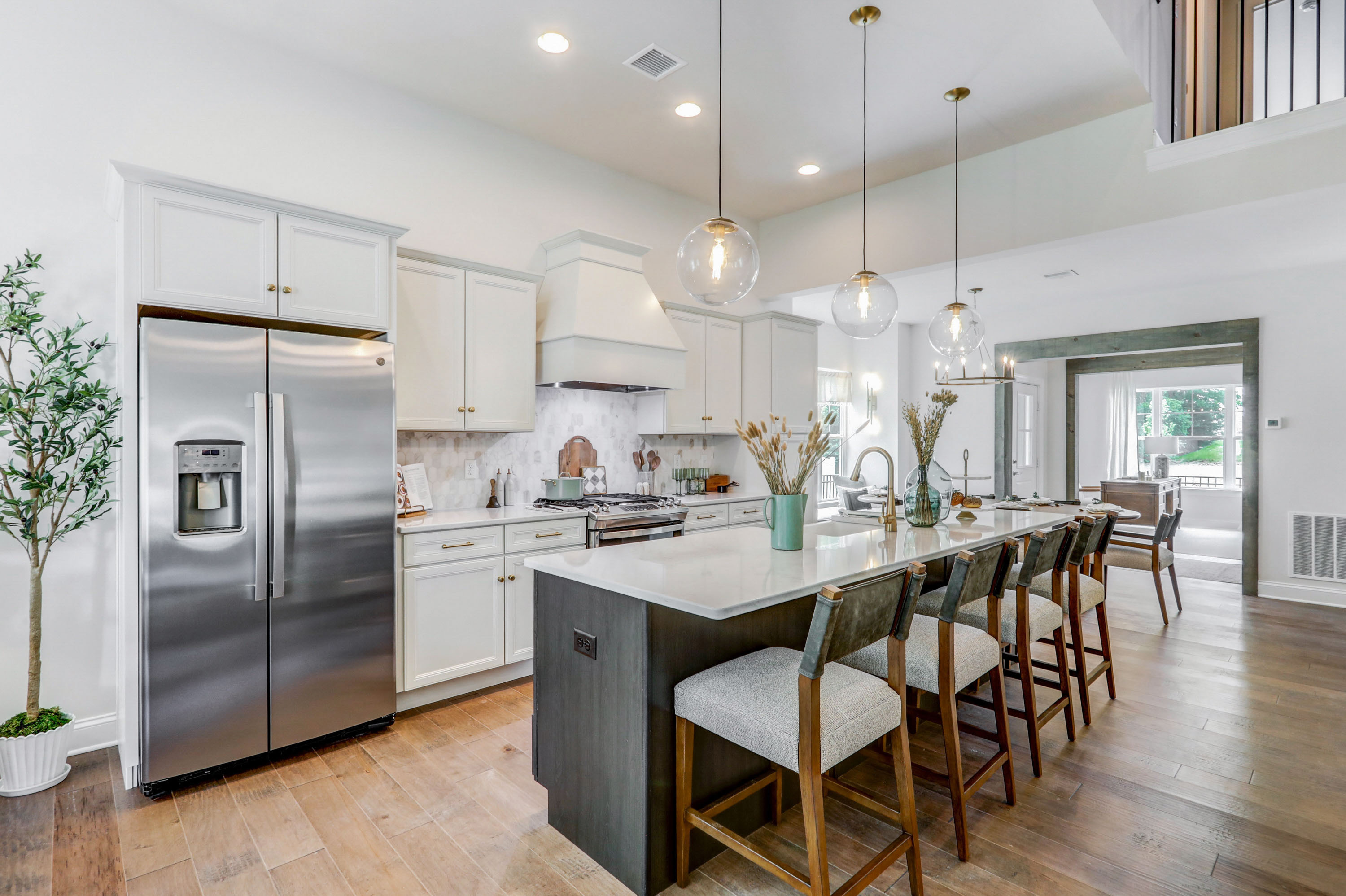
Do not count rooms first. Look at what the home actually gives you in the spaces you will use most. The kitchen, primary bath, flooring, trim details and cabinetry matter more than an extra room you furnish once and rarely enter.
Layouts that work without kids in the house
A lot changes when the house no longer revolves around children living at home. You may need fewer bedrooms, but you may still want a flex room for guests, hobbies, reading, work or fitness. Good right-sizing is not about cutting aggressively. It is about matching space to real life.
A kitchen designed for how you cook now
You may not be feeding an army anymore. That does not mean the kitchen matters less. In fact, it usually matters more.
Look for a layout that feels efficient, comfortable and well-finished. You want prep space, storage and room to gather without carrying the burden of an oversized kitchen built for chaos that no longer exists.
A primary suite on the main floor
This matters now, and it matters even more later.
Main-floor living gives buyers more flexibility for the next 10 to 20 years. It simplifies everyday life and helps a home stay comfortable through future life changes. If that is part of your plan, read our blog on First-Floor Primary Suites for a deeper look at why this feature has become such a priority.
Community amenities that replace what your old house had
A smaller home often works best when the community adds value around it. Social spaces, fitness areas, walkable surroundings, gathering spots and low-maintenance ownership can all help the home feel larger in the ways that count.
This is especially true when downsizing to a condo. The right community does not shrink your life. It supports it differently.
The Common Right-Sizing Mistakes to Avoid
Right-sizing too far, too fast
The biggest mistake is overcorrecting.
After years in a large home, it is easy to assume you want as little space as possible. Then real life shows up. Guests still visit. Holidays still happen. You still want room for hobbies, work or simply spreading out.
A better move is to right-size with intention, not urgency.
Choosing based on price instead of fit
Saving money feels good. Living in a home that does not fit your routine does not.
The lowest-price option is not always the smartest move, especially if the layout is awkward, the finishes feel like a compromise or the location does not support how you actually want to live. Cheap space that does not work is still expensive in the long run.
Underestimating how much you still want to entertain
This happens often.
Buyers assume that because the kids are gone, entertaining will shrink too. Sometimes it does. Sometimes it shifts. You may host fewer people, but you still want a home that can handle guests comfortably.
A smart layout matters more than a massive one. Open living areas, a functional kitchen and flexible guest space go a long way.
Not thinking through day-to-day use
Picture a normal Tuesday, not just move-in day.
Where do groceries go? Where do coats land? Is there enough storage for the things you are actually keeping? Does the laundry setup make sense? Will the primary suite still work well years from now? These are the details that separate a home that photographs well from one that genuinely lives well.
Right-Sizing as an Empty-Nester vs. Right-Sizing as a Pre-Retiree
These buyers overlap, but the frame is usually a little different.
Empty-nesters often focus on relief and simplicity
If your kids are out of the house and the rooms are sitting empty, the motivation is often immediate. The house feels too big. The upkeep feels annoying. The layout reflects a stage of life that has already changed.
For this buyer, right-sizing is about making life easier now. Less maintenance. A better routine. A home that feels calmer and more intentional.
Pre-retirees often focus on the next 10 to 20 years
This buyer is usually thinking more strategically. Maybe retirement is a few years away. Maybe travel is becoming a bigger priority. Maybe long-term mobility and convenience are starting to shape the decision.
For them, downsizing at retirement is not just about current comfort. It is also about future confidence. Main-floor living, low-maintenance ownership, elevator access and a location closer to what they use all become more important.
The best homes serve both needs at once. They feel easier today and smarter for tomorrow.
There is also overlap with buyers moving up from a current home that no longer fits well, just in a different way. If that sounds familiar, our Move-Up Buyers Guide is worth reading too.
How 117 On The Boulevard Is Built for Right-Sizing Buyers
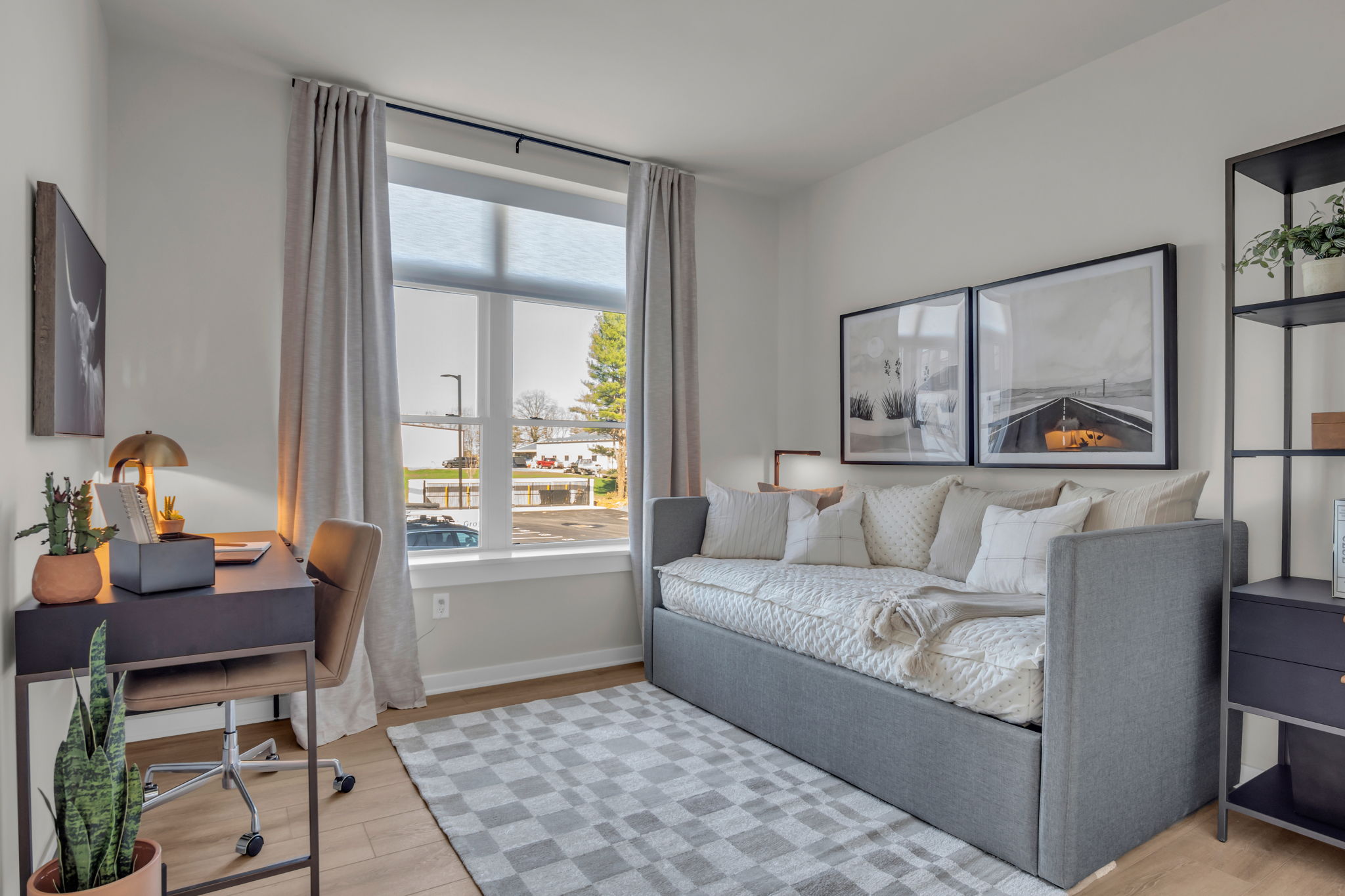
At Garman Builders, we know that right-sizing only feels like an upgrade when the home itself is designed well. That is exactly why 117 On The Boulevard connects so strongly with buyers leaving larger homes behind.
This community offers floor plans ranging from 1,041 to 2,180 square feet. That range matters. It gives buyers room to choose a footprint that fits their life without paying for unnecessary space.
But the bigger story is how the homes live.
These condos offer the advantages many right-sizing buyers want most: lower-maintenance living, elevator access and finishes that do not feel like a downgrade. That combination is hard to overstate. You are not trading into a smaller version of life. You are moving into a home that is more aligned with it.
For buyers who want less house to manage and more quality in the spaces they use every day, 117 On The Boulevard offers a smarter way forward. It is built for the way you live now, with the comfort, convenience and confidence that matter in this next chapter.
If you want to see how that lifestyle comes together, start with the 117 On The Boulevard community page, then explore our post on Luxury Condo Living at 117.
A Better Way to Think About the Next Move
The old version of downsizing your home was about loss. Less space, lower expectations, a quieter version of what came before.
That is not what right-sizing looks like when it is done well.
Done right, it gives you time back, lowers the burden of ownership and puts your investment into the spaces and features you actually use. It can move you closer to the places you enjoy, simplify everyday life and make future planning feel more secure. That is not stepping down. That is choosing better fit, better function and often a better lifestyle.
If you are thinking about downsizing without downgrading, we would love to help you explore what that looks like. Visit 117 On The Boulevard to see available opportunities, or contact our team to talk through the kind of home that fits the way you live now.
FAQ
What does downsizing without downgrading mean?
Downsizing without downgrading means moving to a smaller home without giving up the things that matter most, such as comfort, design, location, quality finishes and daily convenience. The goal is to reduce unused space while improving how the home fits your current lifestyle.
Is right sizing your home better than downsizing?
Yes, for many buyers it is a better way to frame the decision. Right sizing your home focuses on finding the right fit for how you live now. It is not about sacrificing quality. It is about choosing a home with the right amount of space, the right layout and the right level of maintenance.
When is the right time for downsizing at retirement?
The right time is usually before a large home starts feeling like a burden. Many buyers begin the move in the years leading up to retirement so they can choose more intentionally, simplify maintenance and settle into a home that works well for the next stage of life.
Is downsizing to a condo a good option for empty-nesters?
Yes, especially for buyers who want low-maintenance living, easier travel and less day-to-day upkeep. The right condo can also offer amenities, elevator access and a location that supports a more convenient lifestyle.
How much space do empty-nesters usually need?
It depends on how they live, but many empty-nesters find that they need less square footage than they once did, not less quality. Guest space, storage, entertaining areas and a flexible room still matter. The key is choosing a layout that uses space well.
What should I prioritize when I downsize to a nicer home?
Focus on layout, storage, finish quality, location and ease of living. A well-designed smaller home should feel comfortable and functional every day. Features like a main-floor primary suite, strong kitchen design and low-maintenance ownership often matter more than extra rooms.
How do I avoid downsizing too much?
Think through your actual routine before you buy. Consider how often you host guests, how much storage you need, whether you want flex space and how you plan to live over the next 10 to 20 years. Right-sizing works best when it balances simplicity with enough room to live well.


 0
0