


Nest Notes
What Makes a Home a Good Long-Term Fit: A Buyer's Guide to Judging Value Beyond the Purchase Price

October 23, 2026
What Makes a Home a Good Long-Term Fit: A Buyer's Guide to Judging Value Beyond the Purchase Price
The purchase happens on one day. Living in the home happens over the next ten years. Most buyers spend their energy comparing purchase prices, square footage, and finish packages, then move in and discover the real test of a home has nothing to do with closing day. It has to do with whether the layout still works when the baby arrives, whether the utility bills stay predictable through a Pennsylvania winter, and whether the neighborhood still feels right five years in.
Long term value in a new home isn't measured by what you pay at the closing table. It's measured by how the home performs, adapts, and holds up over the years you actually live in it. Here's how to judge a home by that second part, the part that matters most.
Key Takeaways
- A home's long-term fit depends more on layout, efficiency, and flexibility than on price per square foot alone.
- Tighter construction and modern systems in new homes typically mean more predictable energy use over time compared to older housing stock.
- New construction generally comes with fewer early major repairs, since roofing, mechanical systems, and materials start their lifecycle at zero.
- Flexible rooms, not extra bedrooms, are often what makes a home adapt as your family and routine change.
- Storage space, including pantries, mudrooms, and garages, tends to matter more long term than buyers expect at the time of purchase.
- Features like first-floor primary suites and wider layouts support aging in place and multigenerational living down the road.
- Community and location are the one variable you cannot renovate later, so weigh them as heavily as the home itself.
- A simple five-to-ten-year checklist can help you judge any home's long-term fit before you sign a contract.
Lifestyle Fit: Does the Layout Match How You Actually Live?
A floor plan looks different on paper than it feels at 7am on a Tuesday. Before judging a home on size or style, walk through your actual routine. Where do you make coffee. Where does your laundry pile up. Where do you take your work calls when the kids are home from school.
Work-from-home needs have changed what a good layout looks like. A dedicated office, or a flex room that can become one, is no longer a nice extra. It's often the difference between a home that supports your week and one that fights it every day.
The same goes for how you host. If your weekends involve family dinners, open kitchen-to-gathering-room layouts earn their keep. If you entertain less and value quiet, a more defined, zoned layout might serve you better. This is part of why Garman's plans range from compact, efficient layouts near 1,450 square feet to larger homes over 3,000 square feet. The right size isn't about more. It's about the plan that matches how you actually spend your time at home.
Energy Efficiency: The Cost of Running the Home, Not Just Buying It
The purchase price is one number. What it costs to heat, cool, and run the home every month for the next decade is another, and it's the one buyers tend to overlook.
New construction built to modern standards typically performs better than older homes, largely because of tighter building envelopes, better insulation, and newer mechanical systems. Garman homes are HERS tested, a third-party performance standard, and are built using continuous insulation and higher-performing wall systems designed to reduce energy waste and improve comfort room to room.
The specific savings will vary by home, usage, and local utility rates, so we won't put a dollar figure on it here. What we can say with confidence is that a well-insulated, properly sealed, efficiently built home is generally more predictable to run than an older home with original systems and gaps in the envelope. Over ten years, predictable is valuable.
Lower Early Maintenance: Starting the Clock at Zero
Every major system in a home has a lifespan. Roofing, water heaters, HVAC, windows, siding. In a resale home, you're buying into the middle or end of that lifespan, often without knowing exactly where.
In a new home, those systems start fresh. That generally means fewer surprise repair bills in the first several years of ownership, since you're not inheriting someone else's deferred maintenance or an original furnace that's quietly on its last season. This is one of the most underappreciated parts of long-term value. The lower early maintenance of new construction isn't a guarantee against every repair, but it does shift the odds meaningfully in your favor compared to buying a home built two or three decades ago.
Flexible Spaces: Rooms That Change as Life Does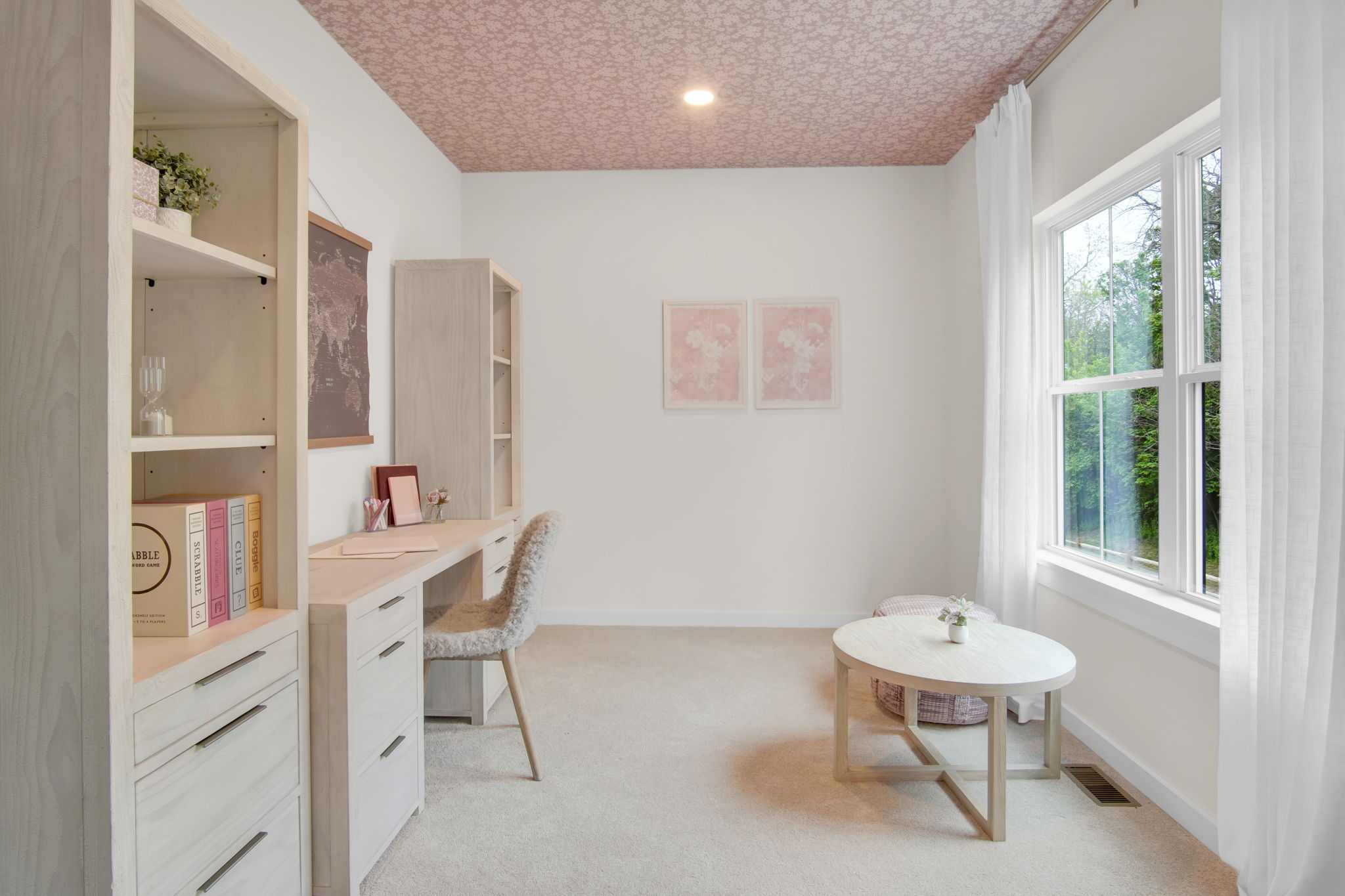
The best rooms in a home are the ones that haven't decided what they are yet. A flex room off the entry can be a home office this year, a nursery in two years, and a guest room after that. That kind of adaptability is worth more over a decade than a home with one more fixed-purpose bedroom and no room left to pivot.
This is part of why we built flex and bonus spaces into many of our floor plans from the start, rather than treating flexibility as an upgrade. A flexible floor plan means the home can move with your life instead of requiring you to move every time your life changes.
Storage: The Quiet Factor That Matters More Than People Expect
Storage rarely makes the top of a buyer's list on the first walkthrough. It's almost always on the list by year three.
Walk-in pantries, mudrooms, closet space, and garage storage absorb the accumulation of normal life: sports equipment, seasonal decor, bulk groceries, the things that pile up whether or not you planned for them. A home with one more bedroom but no real storage can start to feel smaller over time than a home with generous pantry, closet, and mudroom space. When you're touring a home, pay as much attention to where things will live as you do to where people will sleep.
Future Needs: Building Room for What's Next
Ten years is long enough for a lot to change. Parents age. Adult children move back. Knees get harder on stairs. A good long-term fit means thinking past your current stage of life into the next one.
First-floor primary suites, wider hallways, and single-level living all support aging in place, whether that's for you later or a parent sooner than expected. This is central to how we think about our active adult communities like Wynfield at Annville, Wynfield at Millersville, and Sagebrook, where single-level and low-maintenance layouts are the starting point, not an afterthought. But the same thinking applies to a young family buying today. A first-floor flex room or a layout that could accommodate a returning adult child isn't overbuilding. It's planning.
Community Choice: The One Thing You Can't Renovate
You can update a kitchen. You can finish a basement. You cannot change your commute, your school district, or the neighborhood around your home.
Location should carry as much weight in your decision as the home itself, maybe more. Across South Central Pennsylvania, that means weighing commute access to Harrisburg, Lancaster, or York against the school district, the pace of the area, and the kind of daily life the community supports. A slightly smaller home in the right location will generally outperform a larger home in the wrong one, because you can change a floor plan over time. You can't change where it sits.
A Five-to-Ten-Year Checklist Before You Choose a Home
Before you commit to any home, ask:
- Does this layout support my daily routine, not just my move-in day photos.
- Is there a flex space that can change purpose as my life changes.
- What do I know about the insulation, HERS rating, or efficiency of this build.
- How old are the major systems, and what's the realistic timeline before they need replacing.
- Is there enough pantry, closet, mudroom, and garage storage for how I actually live, not just how I live today.
- Could this home support a parent moving in, or me staying here into retirement.
- Would I still choose this neighborhood, school district, and commute five years from now.
- If my family grows or changes, does this home grow and change with it.
The Best Value Is the Home That Still Fits in Ten Years
Purchase price answers one question. Long-term fit answers a much more important one: will this home still work for you in five years, in ten years, after the life you're planning for actually happens. A home built with efficiency, flexibility, and future needs in mind tends to hold its value, and more importantly, hold its usefulness, long after the closing paperwork is signed.
If you're weighing a home purchase against the next decade of your life, we're glad to walk through what that looks like with you. Our team can show you how Garman's floor plans, building science, and community locations across South Central Pennsylvania are designed with the long game in mind, not just the move-in date.
Frequently Asked Questions
What makes a home a good long-term fit?
A home is a good long-term fit when its layout, efficiency, storage, and flexibility can support your life as it changes, not just as it exists on move-in day. Location and community also matter, since they're the one factor you can't change later.
Does energy efficiency really affect a home's long-term value?
Yes. Homes built with tighter construction, better insulation, and modern systems generally run more efficiently and predictably than older homes, which supports more consistent monthly costs over time. Actual results vary by home and usage.
What are flexible floor plans and why do they matter?
A flexible floor plan includes rooms without one fixed purpose, such as a space that works as an office, nursery, or guest room depending on the season of life you're in. They matter because they let a home adapt without requiring a move.
What are aging-in-place features in a new home?
Common aging-in-place features include first-floor primary suites, single-level layouts, wider hallways, and minimal-step entries. These features support long-term comfort whether you're planning for your own future or a parent's.
How should I weigh community and location against the home itself?
Location should weigh as heavily as the home, since you can renovate a kitchen but you cannot change a commute or school district later. A well-located smaller home will often serve you better long term than a larger home in the wrong spot.


 0