


Nest Notes
How to Time Home Sale With New Build: A Practical Guide for Move-Up Buyers

July 28, 2026
The single scariest thing about buying a new build is worrying you'll be stuck between two mortgages, or worse, without a home when you close on your new one. That fear is real, and for move-up buyers, it stops a lot of good plans before they even start.
Here’s the good news: timing your current home sale and your new home purchase is manageable when you understand your options upfront. The key is choosing the right timing path for your finances, your market and your tolerance for risk, then working backward from there.
In this guide, we’ll walk through the three most common to coordinate the transition, the financial factors that shape the best choice and how tools like Garman Pathways™ and Quick Move-In homes can give you more control. If you’re trying to figure out how to time home sale with new build, this is where to start.
Key Takeaways
- There are three main ways to handle timing home sale and purchase: sell first, buy first or aim for a simultaneous close.
- The right path depends on your equity, debt-to-income ratio, market conditions and personal comfort with risk.
- Selling first is usually the safest for cash flow, but it can create pressure to find temporary housing.
- Buying first can make the move less disruptive, but only if you can comfortably carry two housing payments for a period of time.
- Simultaneous closings sound ideal, but they are the hardest to coordinate and need flexibility from everyone involved.
- Bridge loans and home sale contingencies can help in certain cases, but both come with limitations, especially in new construction.
- Garman Pathways™ gives move-up buyers more control with options like No Commitment Contracts, a $1,000 refundable deposit and better timing visibility.
- Quick Move-In homes can simplify the process because the closing window is often much shorter than a to-be-built home.
The Three Timing Paths for Selling and Buying

When buyers ask us about timing home sale and purchase, the answer usually comes down to one of three paths. None is perfect. Each one solves a different problem.
Path 1: Sell First, Then Buy
This is the safest path from a monthly payment standpoint. You sell your current home, unlock your equity and move into your next purchase knowing exactly what you have to work with.
That stability matters. If most of your down payment is tied up in your current house, or if carrying two mortgages would stretch your budget too far, selling first is often the smartest move.
The downside is obvious: you may need temporary housing. That could mean a short-term rental, an extended-stay hotel or staying with family for a few weeks or a few months while your new home is completed.
This path usually fits buyers who:
- Need proceeds from their current home for the next down payment
- Want firm payment clarity before committing
- Don’t want the stress of overlapping mortgages
- Are comfortable with a possible temporary move
Path 2: Buy First, Then Sell
This path is less disruptive on paper. You secure your next home first, then sell your current one once you have a target move date.
For families trying to avoid two moves, school-year disruption or the stress of finding temporary housing, this can feel a lot cleaner. It gives you more control over preparing, staging and listing your current home after you know where you’re going next.
But the financial risk is higher. If your current home takes longer to sell than expected, you may be carrying two mortgage payments, plus taxes, insurance and utilities on both homes.
This path usually fits buyers who:
- Have strong income and reserves
- Can qualify while still owning their current home
- Have enough equity but don’t need all of it immediately
- Value a smoother move more than the lowest risk profile
Path 3: Simultaneous Close
This is the version most buyers want. Sell your current home and close on the new one at nearly the same time, ideally with one move and minimal overlap.
When it works, it’s efficient. It can limit temporary housing costs and reduce the amount of time you’re juggling two properties.
It’s also the hardest to execute. A simultaneous close depends on timing lining up across your buyer, your lender, your new home schedule and, in some cases, construction completion. One delay can affect the whole chain.
This path usually fits buyers who:
- Have a highly coordinated lender and agent team
- Are purchasing a home with a more predictable close window
- Can stay flexible if dates shift
- Understand that “ideal” timing still needs a backup plan
The Four Factors That Determine the Right Path
If you’re trying to sell current home to buy new, don’t start with the path. Start with the facts that shape the path.
1. Your Equity Position
How much equity is tied up in your current home?
That question affects nearly everything. If you need your sale proceeds for your down payment, closing costs or to lower the monthly payment on your new home, selling first becomes much more likely. If you have enough liquid funds to move forward without immediate access to that equity, you have more flexibility.
This is one reason move-up timing feels complicated. On paper, you may have strong equity. In practice, that equity may be locked in the house you still live in.
2. Your Income and Debt-to-Income Ratio
Can you carry two mortgages if you had to?
That’s not just a comfort question. It’s a lending question. Your lender will look at your existing obligations, expected new payment and overall debt-to-income ratio to determine whether buying before selling is realistic.
For some buyers, the answer is clear right away. For others, it takes a pre-qualification conversation to understand where the lines actually are. If you haven’t had that conversation yet, our blog on When Should You Get Pre-Qualified for a New Construction Home is the right next step.
3. Your Local Market Conditions
Your current home doesn’t sell in a vacuum. Timing home purchase depends heavily on what the resale market is doing where you live.
In a strong seller’s market, your home may move quickly, which makes simultaneous closing or buying first more realistic. In a slower or more balanced market, it may take longer to attract the right buyer, negotiate terms and get to closing.
That’s especially important in South Central Pennsylvania, where conditions can vary by county, neighborhood and price point. A move-up buyer in Cumberland County may be dealing with a different resale timeline than one in Perry or York County.
4. Your Risk Tolerance
Some buyers lose sleep over the thought of one week with two mortgage payments. Others are comfortable carrying overlap if it avoids a rushed move.
Neither is wrong. But pretending your comfort level doesn’t matter is a mistake.
Your plan has to work on paper and in real life. If buying first would make every delay feel like a crisis, then it isn’t the right strategy for you. If temporary housing feels more disruptive than a short period of overlap, that matters too.
Bridge Loans: What They Are and When They Make Sense
A bridge loan is short-term financing designed to help cover the gap between buying your next home and selling your current one. In simple terms, it helps you access funds tied up in your existing home before that sale closes.
That can be useful if you have strong equity in your current home, you want to make a down payment before the sale is complete or you expect your current home to sell soon, but not before you need to move forward on the next purchase.
Bridge loans solve a timing problem, not a budget problem. They can create breathing room, but they also add complexity and cost. Terms vary by lender, and those costs can include higher interest rates, fees and shorter repayment windows than traditional mortgage financing.
That’s why we never suggest treating a bridge loan like a default solution. It’s a specific tool for a specific situation. Before you go down that road, talk with your lender about qualification standards, expectations and what happens if your current home takes longer to sell than planned.
Home Sale Contingencies in New Construction
A home sale contingency means your purchase depends on selling your current home first. In resale transactions, that can be a common way to reduce risk. In new construction, it’s a little more nuanced.
A contingency can help protect you from being fully committed before your current home sells. It creates space to move forward carefully. But it does not remove every timing challenge.
Here’s what it does accomplish:
- It can reduce the risk of owning two homes unexpectedly
- It can create a clearer decision point tied to your current home sale
- It can give you a more structured path forward if your sale is central to the purchase
Here’s what it doesn’t accomplish:
- It does not guarantee construction timing will line up perfectly with your sale
- It does not eliminate the need for lender approval
- It does not always fit every new construction opportunity, especially where availability or timing is tight
That’s why this part of the process needs a real conversation, not assumptions. If you’re exploring a new build, ask early how contingencies are handled and what options exist for your specific situation.
Temporary Housing Is Not a Failure, It’s a Strategy

A lot of buyers treat temporary housing like a worst-case scenario. It isn’t. In some cases, it’s the cleanest and smartest move.
Selling first can put you in a stronger financial position. It can remove pressure, free up equity and let you buy with more confidence. The tradeoff is that you may need a short-term place to land.
That can look like:
- An extended-stay hotel
- A short-term rental
- Staying with family
- Renting back your home for a short period if a buyer allows it
What matters is the total cost compared with the alternatives. A few weeks or even a couple of months in temporary housing may cost less than carrying two full mortgages, paying double utilities and absorbing the stress of a rushed sale.
It can also buy you something that matters just as much: flexibility. You can close your current home cleanly, know your equity position and move into your new home on a more predictable timeline.
If this route is on the table, budget it honestly. Include lodging, storage, moving costs and any pet or school logistics. It’s not free, but it’s often more manageable than buyers assume.
How Garman Pathways™ Helps Move-Up Buyers
This is where having smarter ways forward matters.
Garman Pathways™ helps reduce one of the biggest obstacles for move-up buyers: feeling like you have to make a full leap before you have enough clarity. That pressure is what causes bad timing decisions.
No Commitment Contracts
No Commitment Contracts let buyers reserve a new build without making a full commitment before their current home sells. That gives you room to explore your next step without forcing the entire transition too early.
For move-up buyers, that changes the conversation. Instead of rushing to list your home before you know where you’re headed, you can begin with more control.
You can learn more in our Move-Up Buyers Guide and our No Commitment Contracts / Garman Pathways™ blog.
A $1,000 Refundable Deposit
A lower-risk starting point matters. A $1,000 refundable deposit makes it easier to explore options without feeling overextended from day one.
That doesn’t solve every timing issue by itself, but it lowers the pressure enough to make better decisions. Buyers don’t need more pressure. They need clarity.
Coordination on Estimated Closing Dates
Our sales team works with buyers to talk through estimated timing so you can make smarter decisions about when to list your current home, when to prepare it for market and how to think about your transition plan.
That kind of coordination is especially valuable in new construction, where timing isn’t just about your resale home. It’s also about construction progress, financing milestones and your target move window.
Quick Move-In Homes Can Be a Major Timing Advantage
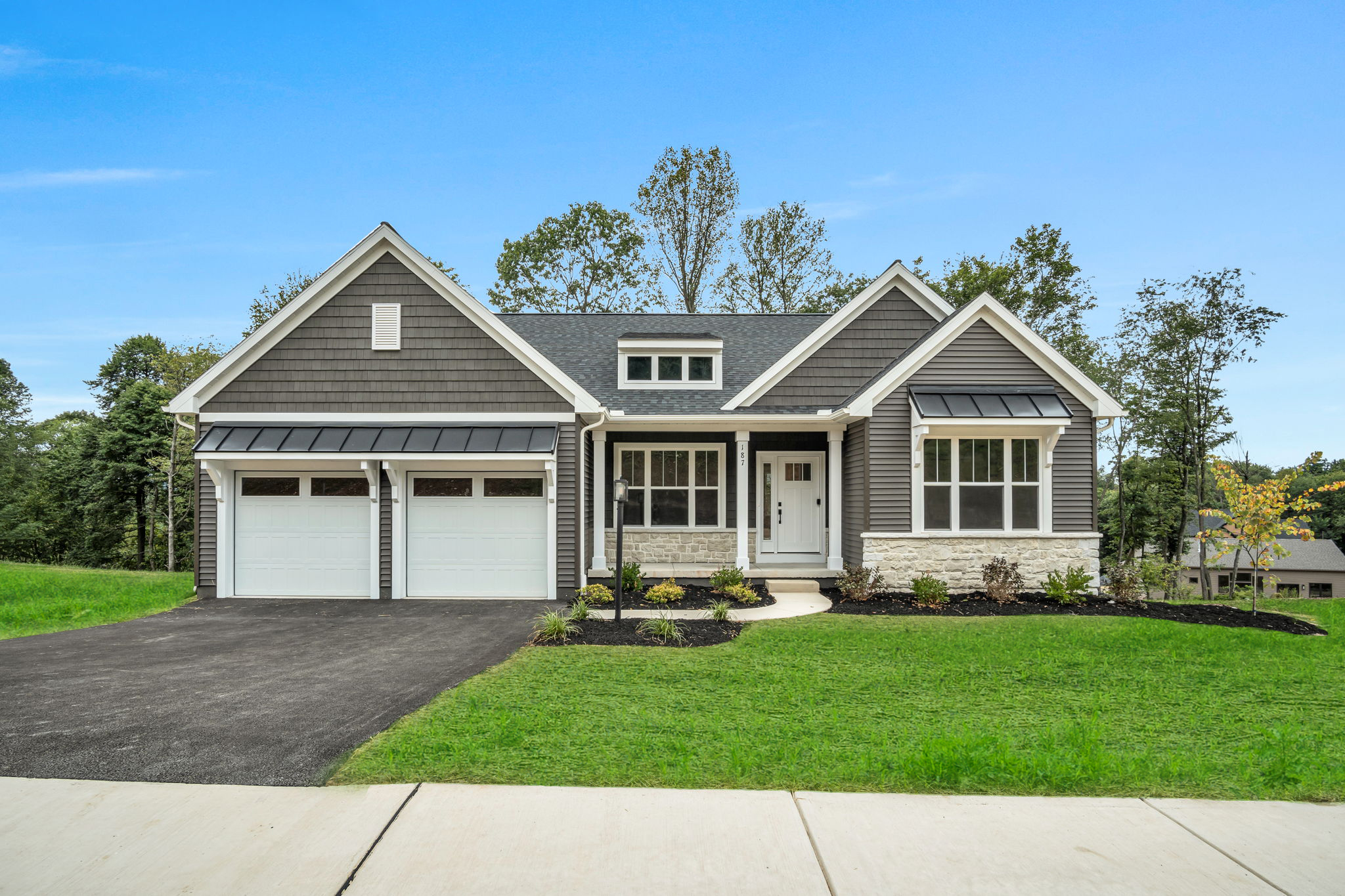
If the biggest issue is uncertainty, Quick Move-In homes can simplify the equation.
A to-be-built home gives you more time and more personalization, but it also introduces a longer timeline. A Quick Move-In home shortens that window. In many cases, that means a 30- to 90-day close rather than a longer build timeline, though exact timing depends on the home and construction stage.
That shorter timeline can make timing home sale and purchase much easier. Instead of listing your current home months before you know your target close window, you can often wait until you have a much clearer date to work toward.
For buyers who want a new home but need a cleaner transition plan, that matters. It gives you more certainty, less guessing and often a more realistic shot at coordinating both sides of the move.
If that sounds like the better fit, our Build a New Home or Buy a Quick Move-In: An FAQ Guide walks through the tradeoffs.
A Six-Month Timeline for a Well-Coordinated Move
Every move is different, but if you want a practical framework for move-up buyer timing, this is a solid one.
Month 1: Get Financial Clarity
Meet with a lender. Understand your pre-qualification, monthly payment range and whether carrying two mortgages is even possible.
This is also the time to estimate your current home’s value and start looking at your likely equity position. Without those numbers, the rest is guesswork.
Month 2: Choose Your Timing Path
Decide whether you’re more likely to sell first, buy first or aim for a simultaneous close. Start that decision with facts, not optimism.
If you’re considering a new build with Garman, this is the right point to ask about Garman Pathways™, No Commitment Contracts and available Quick Move-In opportunities.
Month 3: Narrow Your New Home Target
Choose the community, home type and likely timeline that best fits your plan. A vague idea is not enough. You need a real target.
That’s also when questions about timing become more useful, because now they’re tied to an actual home and estimated closing path.
Month 4: Prepare Your Current Home for Market
This step gets underestimated all the time. Repairs, decluttering, touch-up paint, staging and photography take time.
If you wait until the week you want to list, you’re already behind. Give yourself room to prep the home well.
Month 5: List Strategically
Once your target timing is solid enough, list your current home with a strategy that matches the path you chose. This may include flexible closing requests, post-settlement occupancy needs or a plan for temporary housing if necessary.
The right strategy here depends on your market and your risk tolerance, not just what sounds easiest.
Month 6: Finalize the Transition
At this stage, the goal is coordination. Confirm financing, stay on top of contract milestones and avoid financial changes that could affect your loan.
Common Timing Mistakes to Avoid
Even buyers with a solid plan can create trouble by getting one part of the sequence wrong.
Listing Too Early
If you list your current home before you have a real new home target, you can end up forcing the rest of the decision-making under pressure. That’s when buyers settle for the wrong home, the wrong financing structure or an expensive temporary plan they didn’t expect.
Waiting Too Long
The opposite problem is just as common. Buyers delay pre-qualification, delay the home search and delay listing prep, then try to force everything into a narrow window.
That can mean missing favorable rate-lock timing, running into seasonal shifts in the resale market or watching the best-fit new home option disappear.
Underestimating Prep and Staging Time
A house rarely goes from lived-in to market-ready overnight. Cleaning, repairs, landscaping, storage and photography all take time. If your timing plan ignores that, it’s not really a plan.
Overestimating Buyer Flexibility
A long contingency sounds great when you’re the seller asking for it. It doesn’t always look great to the buyer on the other side.
If you assume the resale market will accept extended timing on your terms without friction, you may be disappointed. Flexibility has limits, especially when buyers have other options.
What to Ask Your Garman Sales Rep
A good timing plan starts with better questions. When you talk with a Garman sales rep, don’t just ask about floor plans or finishes. Ask what will help you build a realistic move strategy.
Here are the questions that matter most:
- What is the estimated closing window for this home or community?
- If I’m considering a to-be-built home, how firm is that timeline right now?
- Are there any Quick Move-In homes that would make timing easier?
- How does Garman Pathways™ work for move-up buyers in my situation?
- Is a No Commitment Contract available for this home or community?
- When would you recommend I start preparing or listing my current home?
- How do you help buyers coordinate timing between resale and new construction?
- What milestones should I watch so I can plan my sale more confidently?
Those answers won’t replace advice from your lender or real estate agent. But they will give you a much clearer picture of how your new home timeline fits with the sale of your current one. That clarity is what turns a stressful move into a manageable one.
A Better Way to Time the Transition

The biggest mistake move-up buyers make is treating timing like something that gets figured out later. It doesn’t. Timing is the strategy.
If you understand your finances, choose the right path and ask the right questions early, you can avoid the two outcomes buyers fear most: carrying more risk than you can handle or ending up without a workable place to land. And if you need more flexibility along the way, tools like Garman Pathways™ and Quick Move-In homes can make the path forward a lot clearer.
If you're planning your next move in South Central Pennsylvania, we’re here to help you think through it. Explore our floor plans, view available homes or contact our team to talk through the timing of your move-up purchase with more confidence.
Frequently Asked Questions
How do I time home sale with new build if I need my equity for the down payment?
If you need equity from your current home for the next down payment, selling first is often the safest route. It gives you clear numbers to work with and reduces the risk of overextending yourself. The tradeoff is that you may need temporary housing while your new home is completed.
Is it better to sell my house before buying new construction?
It depends on your finances and tolerance for risk. Selling first is safer for cash flow and works well when your down payment is tied up in your current home. Buying first can be smoother logistically, but only if you can comfortably carry both homes for a period of time.
Can I buy a new build before my current home sells?
Yes, but only if your lender approves the new purchase based on your income, debts and available funds. Some buyers can qualify while still owning their current home. Others need sale proceeds first. A pre-qualification conversation will tell you which camp you’re in.
What is a bridge loan for new construction?
A bridge loan is short-term financing that helps cover the gap between buying your next home and selling your current one. It can help you access equity before your sale closes, but terms, costs and qualification standards vary by lender.
Can I make a new construction purchase contingent on selling my current home?
In some cases, yes. A home sale contingency can reduce risk, but it does not solve every timing issue. In new construction, contingency options vary by builder, community and home availability, so you need to ask about them early.
Are Quick Move-In homes easier for timing home sale and purchase?
Often, yes. Quick Move-In homes usually have a shorter closing window than a to-be-built home, which gives you a clearer target date. That makes it easier to decide when to list your current home and how to coordinate the move.
What if I sell my current home before my new home is ready?
Temporary housing can be the right strategy. Short-term rentals, extended-stay hotels, family housing arrangements or a rent-back option can help bridge the gap. It’s not ideal for everyone, but it can be more manageable and less risky than carrying two full mortgages.
How does Garman Pathways™ help move-up buyers?
Garman Pathways™ gives buyers more control with options designed to lower risk and create flexibility. That includes No Commitment Contracts, a $1,000 refundable deposit and conversations with our sales team about estimated closing timing so you can plan your sale more confidently.


 0
0