


Nest Notes
Pennsylvania Property Tax Guide for New Construction: What PA Buyers Need to Know Before You Budget

July 23, 2026
Your PA property tax bill is bigger than most buyers expect, and the year-1 surprise on new construction catches almost everyone.
We see it all the time. A buyer plans carefully for their mortgage payment, homeowners insurance, utilities, and closing costs, then gets blindsided when the full property tax bill hits after settlement. The house payment still works. The surprise is that the tax bill is often based on a timeline buyers do not fully understand, especially with new construction.
This Pennsylvania property tax guide is built to make that part clearer. We’ll walk through how PA property taxes work, why school tax in Pennsylvania is usually the biggest piece, what causes the year-one surprise on a new home, how the PA homestead exclusion works, and how taxes can vary across Lancaster, Lebanon, Cumberland, York, Dauphin, and Perry counties. If you’re budgeting for a new home in South Central PA, this is the part worth getting right upfront.
Key Takeaways
- PA property taxes are layered, with county, municipal, and school district taxes billed separately or on different schedules.
- In most Pennsylvania communities, school taxes are the largest share of the total property tax bill.
- New construction buyers often face a year-one surprise because the initial tax escrow may be based on land only or a partial assessment, not the completed home.
- Escrow shortages are common after the first full reassessment cycle on a newly built home.
- The Homestead and Farmstead Exclusion can reduce the taxable value of an owner-occupied primary residence, but buyers need to file for it.
- In many Pennsylvania areas, March 1 is the filing deadline that catches buyers who assume it happens automatically.
- Property taxes vary significantly by county and school district, so two homes with similar prices can carry very different annual tax bills.
- The best way to budget for a new construction home is to estimate both your first-year tax scenario and your first full-year stabilized tax bill.
How Property Taxes Work in PA
Pennsylvania property taxes are not one single tax. They are usually made up of three layers:
- County property tax
- Municipal property tax, such as township or borough tax
- School district property tax
Each layer has its own millage rate and billing process. They are tied together by the same property, but they are set by different local taxing authorities.
The school district is usually the biggest piece
If you are trying to understand your likely tax bill, start with the school district. In most of Pennsylvania, school tax is the biggest chunk of the total. County and municipal taxes matter, but school district taxes often have the largest impact on what you pay each year.
That matters for buyers because a home’s price does not tell the full story. Two similarly priced homes in nearby communities can have noticeably different annual tax bills if they sit in different school districts.
Assessments and millage both matter
Your tax bill is shaped by two things:
- The assessed value of the property
- The tax rate applied by each taxing authority
In Pennsylvania, market value and assessed value are not always the same thing. Counties use assessment systems based on local rules and equalization practices. That means buyers should not assume taxes will simply equal a flat percentage of purchase price. The actual bill depends on how the county assesses the property and what rates are in place for the county, municipality, and school district.
Why Pennsylvania Property Taxes Feel High
PA property taxes feel high because they often are, especially compared with states that rely more heavily on sales tax or different statewide funding structures.
One major reason is how local schools are funded. Pennsylvania does not allow counties to impose a local sales tax the way some other states do. As a result, school funding leans heavily on property taxes. That is why school tax in Pennsylvania tends to be the number buyers notice most.
This is also why a buyer moving from another state can be shocked by the local tax structure. The home price may look reasonable. The monthly payment may still pencil out. But the tax burden can be heavier than expected if the buyer is not used to Pennsylvania’s system.
For new construction buyers, that matters even more. A new home can compare well against resale on maintenance, efficiency, comfort, and warranty confidence. But the property tax side needs to be budgeted honestly from the start. Not fine print first. Clear numbers first.
The Year-1 Surprise on New Construction
The biggest property tax issue for new home buyers in Pennsylvania is timing.
A newly built home is often assessed in stages. Early in the process, the property may be taxed only as a lot or as a partially improved parcel. That means the tax amount used for early escrow estimates may not reflect the finished home. Then the completed home is assessed later, and the tax bill rises to its true full level.
That jump is the year-one surprise.
Why it happens
The local assessment office does not always update the assessed value at the same moment you settle. There can be a lag between:
- construction completion
- settlement date
- updated assessment notice
- first bill that reflects the completed home
So a buyer may close with an escrow amount that looks manageable, only to find out months later that the lender collected too little for taxes.
Why escrow shortages are common
When a lender escrows taxes, it estimates what it expects to pay on your behalf. If that estimate is based on land only, a partial assessment, or outdated county data, the escrow account can come up short once the full bill arrives.
Then the buyer gets hit twice:
- the lender adjusts future monthly payments upward to cover the higher tax amount
- the lender may also require repayment of the shortage that already occurred
That is why the payment shock can feel so abrupt. It is not only that the real tax bill is higher. It is that the buyer may also be catching up for months of undercollection.
What buyers should expect instead
For a new construction home in PA, budget with two numbers in mind:
- a likely first-year tax scenario based on current billing timing
- a full stabilized annual tax bill once the completed home is fully assessed
That second number is the one that matters most for long-term affordability.
How Pennsylvania Assesses New Homes
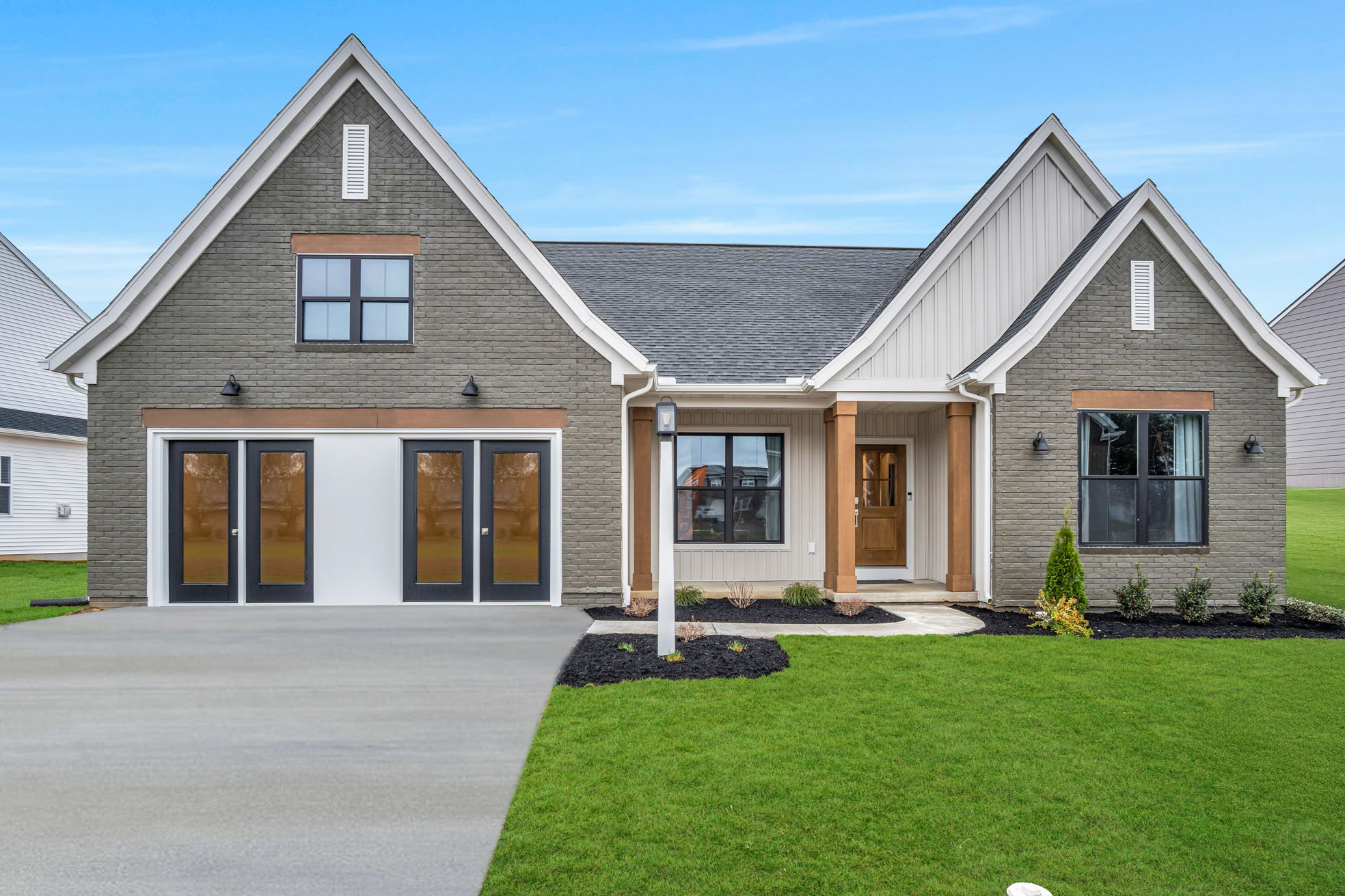
For new construction, Pennsylvania assessment offices generally start with the land as it exists before the home is complete. Once the home is built, the county assessment office updates the property record to reflect the finished improvements.
The timing varies by county and sometimes by billing cycle. That is why new home property tax in PA is not always straightforward at closing.
A practical way to think about it:
- Before construction is complete, taxes may reflect the lot
- During construction, the assessment may still be partial or unchanged
- After completion, the assessment is updated to include the house
- The first full bill on the completed home may not arrive until a later tax cycle
That gap creates confusion for buyers who assume the tax amount shown early in the process is permanent. It rarely is.
Homestead and Farmstead Exclusion in Pennsylvania
The PA homestead exclusion is one of the most useful property tax programs for owner-occupants, and plenty of buyers miss it simply because no one explained it clearly.
What it is
The Homestead Exclusion reduces the taxable value of a primary residence for school tax purposes, based on the rules and approved exclusion amount in the local taxing area. Farmstead Exclusion applies to certain eligible farm buildings that are part of a working farm.
For most homebuyers, the homestead portion is the one that matters.
Who is eligible
In general, a buyer may qualify if:
- the home is their primary residence
- they own the property
- they apply with the county or local assessment office as required
Second homes, investment properties, and rentals do not qualify as a homestead.
Why it matters
Because school taxes are usually the biggest part of the bill, any reduction in school-taxable assessed value can help. The exact savings depend on the local exclusion amount and the school district’s tax rate, but this is one of the few straightforward ways an owner-occupant can reduce the tax burden.
The deadline buyers miss
The deadline that catches buyers is often March 1.
That date matters in many Pennsylvania jurisdictions for homestead filing eligibility for the coming tax year. Buyers assume the exemption is automatic because they live in the home. It is not. You usually need to file.
Before publishing or applying, the exact filing process and deadline should be verified with the Pennsylvania Department of Revenue and the applicable county assessment office. But the practical rule is simple: file as soon as you are eligible and do not wait.
Senior Tax Relief Programs in Pennsylvania
Pennsylvania also offers tax relief programs for eligible seniors, widows and widowers, and people with disabilities. The best-known statewide program is the Property Tax/Rent Rebate Program.
Property Tax/Rent Rebate Program
This program can provide rebates to eligible Pennsylvanians based on income and program rules set by the state. For buyers or homeowners helping aging parents plan their housing budget, this can be an important part of affordability.
County-level relief can vary
Beyond statewide programs, some counties or local governments may have additional relief options, application support, or local variations in how information is provided. That is why senior buyers should check both state guidance and county resources.
If you are buying in a 55+ community or planning a right-sized move, tax relief should be part of the budgeting conversation early, not after the first bill arrives.
How Tax Rates Vary Across Garman’s Core Counties
Property taxes vary across South Central PA because counties, municipalities, and school districts all set their own rates. County lines matter. School district lines matter even more.
Below is a practical county-by-county guide for the markets where we build most often. These are directional comparisons for buyers preparing to budget, not final quoted tax rates. Exact millage should always be verified with the county, municipality, and school district before publishing or making a purchase decision.
Lebanon County property tax
Lebanon County often appeals to buyers looking for strong value and a central location. Total tax burden can still vary widely depending on municipality and school district, but many buyers find the county offers an attractive balance between home price and ongoing cost.
What drives the bill:
- School district millage
- Borough versus township location
- Assessed value treatment on the completed home
Lancaster County property tax
Lancaster County property tax can be meaningful, especially in high-demand areas where school district reputation and location keep values strong. Buyers often focus on the purchase price here, but the annual tax side deserves equal attention.
What drives the bill:
- Strong local school districts
- Borough, township, or city tax differences
- Competitive housing demand and location desirability
Cumberland County property tax
Cumberland County property tax varies significantly by school district and municipality. This is one of the clearest examples of why district choice matters. Two homes in the same general market area can carry very different tax bills depending on the local school district.
What drives the bill:
- School district boundaries, especially high-demand districts
- Township or borough millage
- New construction value in premium suburban markets
York County property tax
York County can offer compelling value relative to more expensive nearby markets, but tax rates still need a close look. Buyers relocating for affordability sometimes focus only on home price and overlook the local tax structure.
What drives the bill:
- District-specific school taxes
- Municipal differences across townships and boroughs
- Value positioning compared with nearby counties
Dauphin County property tax
Dauphin County includes a wide mix of suburban, urban-adjacent, and commuter-oriented areas. That variety shows up in tax bills too. A home near Harrisburg may have a different tax profile than one in another part of the county, even at a similar price point.
What drives the bill:
- School district funding levels
- Municipal structure
- Location relative to major job centers and commuter routes
Perry County property tax
Perry County often attracts buyers who want more space, a quieter setting, and commuter access to Harrisburg. Tax bills may still vary meaningfully by district and municipality, but buyers often see a different value equation here than in more built-up counties.
What drives the bill:
- Rural municipal structure
- School district rates
- Lower-density land and housing patterns
How School District Choice Changes the Math
School district choice can have a bigger effect on your tax bill than the county itself.
That is the PA tax point buyers miss most often.
A home in one district may carry thousands more per year in school taxes than a similar home in a nearby district. That does not automatically make one choice better than another. It means the budget conversation needs to include more than base price, square footage, and mortgage rate.
Real-world budgeting example
Imagine two new homes priced similarly in neighboring areas:
- Home A sits in a lower-tax school district
- Home B sits in a higher-tax school district
Even if the mortgage payment is nearly identical, Home B may cost noticeably more each month once full taxes are escrowed. Over several years, that adds up.
This is one reason we encourage buyers to compare total monthly ownership cost, not just sale price. A smarter way to buy starts with the numbers that keep showing up after closing.
Estimating Your Year-1 and Year-2 Tax Bills on a New Construction Home
 If you are buying a newly built home, estimate taxes in two stages.
Year 1 estimate
Your year-one number may include:
- lot-only taxes for part of the year
- a partial reassessment period
- one or more bills that do not yet reflect the full completed home
- a lower lender escrow estimate than you will ultimately need
This number can look artificially low.
Year 2 estimate
Your year-two number should assume:
- the home has been fully assessed as completed
- county, municipal, and school taxes all reflect the improved property
- escrow has adjusted to the true annual tax amount
This is usually the better measure of your ongoing carrying cost.
A simple way to estimate
Use this process:
- Confirm the current taxes on the lot or existing parcel
- Ask for the taxing jurisdictions: county, municipality, and school district
- Review the current millage rates for each
- Ask how the county handles assessments for completed new construction
- Estimate a likely full assessed value based on county assessment practices
- Model the full annual bill, not just the initial escrow number
- Add a buffer in your monthly budget for escrow adjustment
If you want a cleaner budgeting conversation, ask this direct question early: “What do you expect the full stabilized annual property taxes to be once this home is fully assessed?”
That question saves buyers a lot of frustration later.
A Better Way to Budget for a New Home in PA
Property taxes are part of the real cost of owning a home in Pennsylvania. They are not a side note, and with new construction, they should never be treated as a fixed number until you understand how the assessment timing works.
The good news is that this is manageable when buyers know what to expect. Plan for county, municipal, and school taxes. Assume school tax is likely the biggest piece. File for the PA homestead exclusion as soon as you qualify. Budget for the possibility of an escrow shortage after the first reassessment cycle. And compare homes based on full monthly cost, not headline price alone.
That is how you buy with more confidence.
If you are exploring new homes in South Central Pennsylvania, we can help you think through the full picture, from location and floor plan to energy efficiency, long-term value, and the budgeting details that matter after closing. Explore our new home communities, view available homes, or learn more about our process. We’re here to help you move forward with clarity.
FAQ: Pennsylvania Property Tax Guide for New Construction
How are PA property taxes calculated on new construction?
PA property taxes on new construction are based on the property’s assessed value and the local tax rates set by the county, municipality, and school district. The challenge is timing. Early bills may reflect only the land or a partial assessment, while later bills reflect the completed home.
Why is my new home property tax in PA lower at closing than later?
It is usually lower because the completed home has not yet been fully assessed when you close. Your lender may escrow based on the current tax record, which can be incomplete. Once the county updates the assessment, the full tax bill appears and escrow often rises.
What is the year-one property tax surprise in Pennsylvania?
The year-one surprise is the jump buyers see when a newly built home moves from a land-only or partial assessment to a full completed-home assessment. It often leads to a higher bill and an escrow shortage if the lender collected too little during the first year.
Is school tax really the biggest part of a PA property tax bill?
Yes. In most Pennsylvania communities, school district tax is the largest share of the total property tax bill. County and municipal taxes still matter, but school taxes usually have the biggest effect on annual cost.
What is the PA homestead exclusion?
The PA homestead exclusion is a property tax benefit for owner-occupied primary residences. It reduces the taxable value used for school taxes, based on local rules and approved exclusion amounts. Buyers generally need to apply for it. It is not automatic.
What is the deadline to apply for homestead exclusion in PA?
In many Pennsylvania jurisdictions, the filing deadline is March 1 for the coming tax year. Because deadlines and procedures should be confirmed locally, buyers should verify with the county assessment office and file as soon as they are eligible.
Do property taxes vary a lot between Lancaster County and Cumberland County?
Yes. Lancaster County property tax and Cumberland County property tax can differ significantly, especially once school district and municipality are factored in. County name alone does not tell the full story. The school district often has the bigger impact.
How can I estimate my full property taxes before buying a new construction home in PA?
Estimate taxes by identifying the county, municipality, and school district, then reviewing current rates and how the county assesses completed new construction. Ask for a projected full stabilized annual tax bill on the finished home, not just the current bill on the lot or the lender’s initial escrow figure.


 0
0