


Nest Notes
What Does Ready Soon Mean for a New Home? A Guide to Quick Move-In Stages

September 4, 2026
What Does Ready Soon Mean for a New Home? A Guide to Quick Move-In Stages
Ready soon can mean three very different things depending on the home. Here is what each stage actually means, and what it means for your timeline.
If you’re searching for a quick move-in home, the phrase “ready soon” sounds simple. In real life, it needs a little more context. One home may be finished and available for a fast close. Another may still have weeks of construction ahead. A third may be close to settlement but not quite ready for move-in day.
That difference matters. It affects when you give notice on a lease, list your current home, lock in financing or plan a job relocation. Here’s how to understand the main quick move in stages before you make a decision.
Key Takeaways
- “Ready soon” is not one fixed timeline. It can describe a completed home, an under-construction home or a home nearing settlement.
- A completed and move-in ready home is typically the fastest path because the home is finished, inspected and available for a quicker close.
- An under-construction quick move-in home gives you more visibility than starting from scratch, but the completion date can still shift.
- A home nearing settlement is in the final stretch, which usually means a firmer timeline than earlier construction stages.
- Buyers should ask direct questions about the home’s actual status instead of relying only on listing language.
- Your quick move-in stage affects financing, lease timing, current home sale plans and relocation decisions.
- The best next step is to confirm the specific stage and target date with our team before you build your timeline around it.
What Does Ready Soon Mean for a New Home?
“Ready soon” means a new home is available on a shorter timeline than building from the beginning, but it does not always mean the home is finished today. In new construction, ready soon can refer to a completed home, a home under construction or a home nearing settlement.
That’s why the general quick move-in label only tells part of the story. The specific stage tells you what kind of planning window you’re working with.
If you’re still deciding whether a quick move-in home or a to-be-built home is the better fit, start with our guide: Build a New Home or Buy a Quick Move-In: An FAQ Guide to Your Path.
Stage 1: Completed and Move-In Ready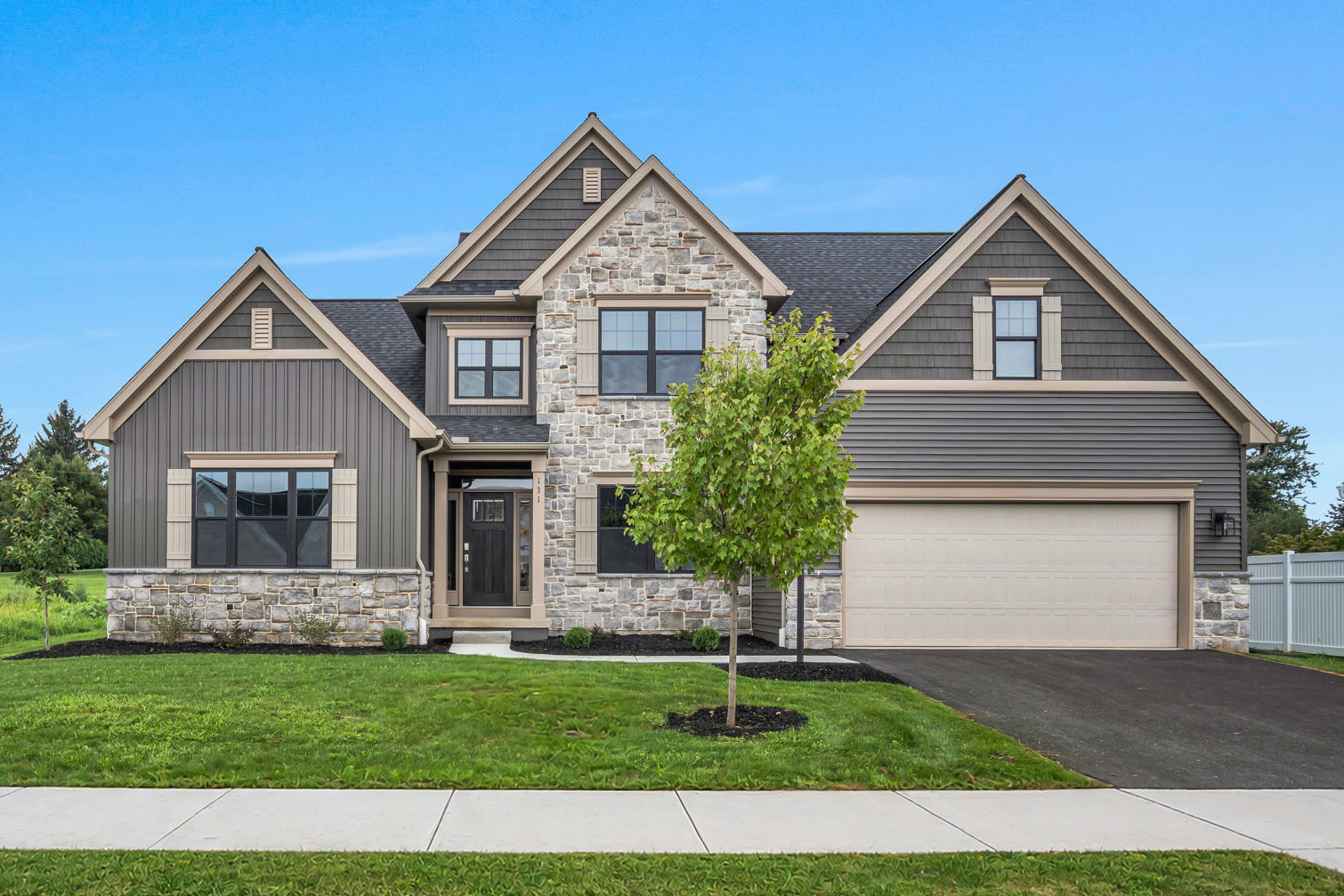
A completed and move-in ready home is the shortest timeline of the three. The home is finished, inspected and available for a fast close once the contract, financing and settlement details are in place.
This stage is the clearest version of “ready soon.” You can usually walk the home, see the finished spaces and understand exactly what you’re buying. The cabinets are in. The flooring is down. The layout, finishes and final details are no longer abstract.
For buyers, the benefit is certainty. You’re not waiting for framing, drywall or final selections. You’re looking at a home that is ready for the next step.
A completed home can be a strong fit if you:
- Need to move quickly
- Are relocating for work
- Have a lease ending soon
- Already sold your current home
- Want to avoid a longer construction timeline
- Prefer seeing the finished home before making a decision
The tradeoff is timing pressure. A completed home may require a faster financing timeline, especially if you want to secure the home and close quickly. If this is the path you’re considering, it helps to be pre-qualified before you tour.
For more on timing, read How Fast Can You Actually Close on a Quick Move-In Home?.
Stage 2: Under Construction
An under-construction quick move-in home is actively being built and has a target completion window. It is not move-in ready yet, but it is already far enough along that you have more clarity than you would with a brand-new build from the start.
This is where the phrase “ready soon” can get confusing.
A home can be under construction and still months away from completion, or it can be far enough along that the remaining work is more limited. The stage of construction matters. Foundation, framing, mechanicals, drywall, trim and finishing work all represent very different points in the timeline.
An under-construction home often gives buyers a helpful middle ground. You’re not starting with a blank page, but you’re also not stepping into a finished home that requires an immediate closing plan.
Depending on how far along the home is, you may be able to:
- Review finishes that have already been selected
- Understand the floor plan and homesite more clearly
- Plan around a general completion window
- Compare the home against other available homes in nearby communities
- Build in a little more time for financing or the sale of your current home
There is still some uncertainty. Weather, trade schedules, inspections, materials and final construction steps can affect the date. That does not mean the timeline is vague. It means you should ask what work remains and what factors could still move the completion window.
For buyers comparing completed home vs under construction options, the biggest difference is control over timing. A completed home moves faster. An under-construction home usually gives you more time to prepare.
Stage 3: Nearing Settlement
A home nearing settlement is in its final stages. It is close to completion, with a firmer date than a home still under construction, but it is not quite ready for immediate move-in.
This stage can be the sweet spot for buyers who want a quick move-in home timeline without the urgency of a fully completed home. You may have enough time to finalize financing, coordinate movers and wrap up your current housing situation. At the same time, you’re not looking at a long build schedule.
Nearing settlement new construction typically means the home is close enough that the remaining steps are more defined. Final inspections, punch list items, cleaning, documentation and settlement preparation may still need to happen. The exact details will depend on the specific home.
The important word here is “specific.”
A home that is nearing settlement should have a clearer target date than one in earlier construction. Still, it is worth asking how firm that date is. “Close” does not always mean “ready next week.”
How to Tell Which Quick Move-In Stage a Listed Home Is Actually In
The only reliable way to know the stage of a specific quick move-in home is to ask directly. Listing language can be helpful, but it does not always explain the full picture.
A home may be described as available, coming soon, ready soon, move-in ready or nearing completion. Those phrases can overlap. They can also mean slightly different things depending on the home’s construction status, inspection timing and settlement readiness.
When you’re seriously considering a home, ask our team:
- Is the home fully completed?
- Has the final inspection happened?
- What construction work remains?
- What is the current target completion or settlement date?
- How firm is that date?
- Are there any known items that could affect timing?
- What steps need to happen before closing?
This is especially important when you’re comparing available homes across different communities. One home may be finished. Another may be framed and moving toward interior work. Another may be days from settlement.
Those are not the same timeline.
If you’re looking at more than one community, use this guide next: How to Compare Available Homes Across Garman Communities.
What Buyers Should Ask at Each Stage
The right questions change depending on the home’s stage. A completed home, an under-construction home and a home nearing settlement each need a different kind of due diligence.
Questions to Ask About a Completed Home
For a completed and move-in ready home, focus on inspection status and closing logistics.
Ask:
- When did the final inspection happen?
- Is the home ready for immediate settlement?
- What steps remain before closing?
- What is the earliest realistic settlement date?
- Are there any final touch-ups or punch list items?
- What financing timeline should I be prepared for?
This stage is usually the most straightforward, but it still requires coordination. A fast close works best when financing, title work and buyer documents are already moving.
Questions to Ask About an Under-Construction Home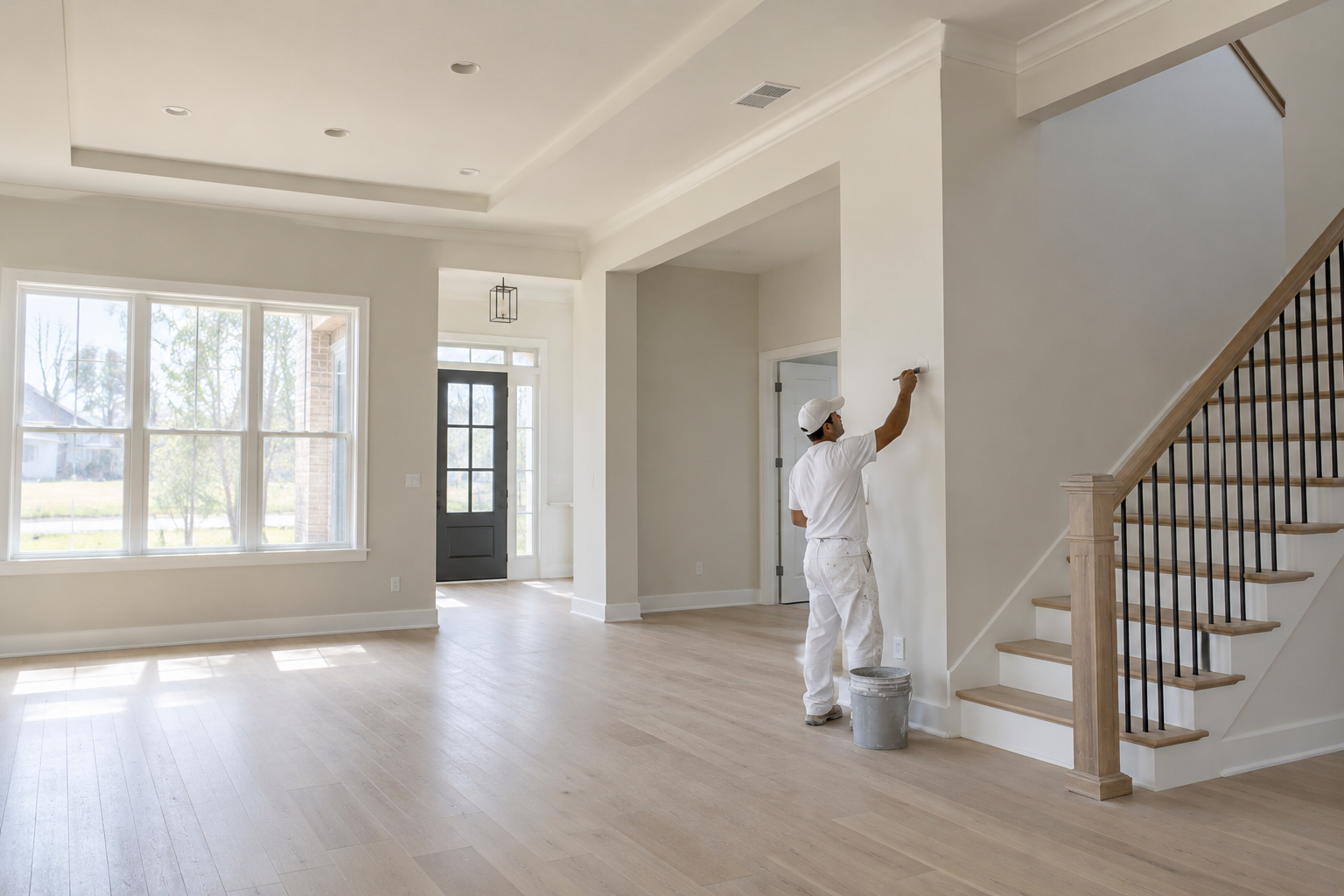
For an under-construction home, focus on what remains and what could shift the date.
Ask:
- What stage of construction is the home in right now?
- What major construction steps are still left?
- Have finishes already been selected?
- What is the current target completion window?
- What could change that timeline?
- How often will I receive updates?
- When will the settlement date become firmer?
This is where clear communication matters. You want to understand both the current plan and the realistic moving parts.
Questions to Ask About a Home Nearing Settlement
For a home nearing settlement, focus on how firm the settlement window actually is.
Ask:
- What final items remain before settlement?
- Has the home passed final inspection?
- Is the settlement date confirmed or still a target?
- Are there any outstanding approvals or punch list items?
- When should I schedule movers?
- When should I give notice or finalize my current housing plan?
At this stage, the details matter more because your personal plans may already be close to changing.
Why the Stage Matters for Your Own Planning
Your quick move-in home timeline stages affect more than the home itself. They shape the way you plan the next several weeks or months of your life.
A completed home may be ideal if you need speed. But speed also means you need your financing, documents and moving plans ready quickly.
An under-construction home gives you more time, but the completion window can still shift. That can work well if you need to sell your current home or you’re trying to line up a lease end date with less pressure.
A home nearing settlement sits closer to the finish line. You get more certainty than earlier construction, but you still need to confirm the final date before making firm commitments.
This matters most when you’re coordinating:
- A lease end date
- The sale of your current home
- A job relocation
- School timing
- Movers and storage
- Temporary housing
- Rate lock timing
- Down payment funds
It is frustrating to build your life around a date that was assumed instead of confirmed. That’s why we recommend asking about the stage and target date early, then checking in again before making major decisions.
How Quick Move-In Stages Connect to Financing
The stage of a quick move-in home affects your financing timeline.
A completed home may require quicker action because the home is already ready for settlement. If you want to move forward, your lender needs time to process your application, order the appraisal, verify documents and prepare for closing.
An earlier-stage quick move-in home usually gives you more time to finalize financing. That does not mean you should wait. It means you have more breathing room to prepare, compare options and make sure the numbers work.
A home nearing settlement falls in between. The timeline is shorter than an under-construction home, but usually not as immediate as a completed home.
The practical move is simple: get pre-qualified before you fall in love with a specific quick move-in home. It gives you a clearer sense of buying power and helps you move with confidence when the right home is available.
For more guidance, read When Should You Get Pre-Qualified for a New Construction Home? or visit our Financing Info page.
The Practical Takeaway: Confirm the Stage Before You Plan Around the Date
The label “quick move-in” is useful, but it is not enough on its own. The real question is where the home sits in the new home availability stages.
Is it completed and move-in ready? Is it under construction? Is it nearing settlement?
Those answers tell you how fast you need to move, how much flexibility you have and what needs to happen next. They also help you avoid assumptions, especially when two homes both say “ready soon” but have very different timelines.
At Garman Builders, our goal is to give buyers more value, more control and more confidence. That starts with clear information. A better-built home matters, and so does a buying experience that helps you plan your next step with less guesswork.
Explore our current available homes, then contact our team to confirm the exact stage and target date for any home you’re seriously considering.
FAQs About Quick Move-In Stages
What does ready soon mean for a new home?
Ready soon means the home is available on a shorter timeline than building from the beginning, but the exact timing depends on the stage. It may be completed, under construction or nearing settlement. Always ask for the home’s specific status and target date.
What are the main quick move in stages?
The three common quick move in stages are completed and move-in ready, under construction and nearing settlement. Completed homes typically offer the fastest close. Under-construction homes have a target completion window. Homes nearing settlement are close to completion but not always ready immediately.
What is the difference between a completed home vs under construction?
A completed home is finished, inspected and generally ready for a faster settlement process. An under-construction home is still being built and has work remaining. The under-construction option usually gives buyers more time to prepare, but the completion date can still shift.
What does nearing settlement mean in new construction?
Nearing settlement means the home is in its final stages and moving toward closing. It is usually closer to completion than a typical under-construction home, but final inspections, punch list items or settlement preparation may still need to happen.
Can I close faster on a completed quick move-in home?
Yes, a completed quick move-in home typically offers the shortest timeline because construction is finished. The actual closing speed still depends on financing, title work, contract timing and required settlement steps.
Should I get pre-qualified before touring quick move-in homes?
Yes. Pre-qualification helps you understand your buying power before you find a home you want. It is especially important for completed homes because the financing timeline may need to move faster.
Why should I ask about the stage instead of trusting the listing?
Listing language can be broad. Phrases like “ready soon,” “available now” or “nearing completion” do not always explain the home’s actual construction status. Asking directly gives you a clearer timeline and helps you plan with confidence.


 0
0