


Nest Notes
Financially Ready to Buy a Home? A 6-Factor New Construction Readiness Checklist

August 27, 2026
Financial readiness is not one number. It is six factors working together. Here is how to check all six before you start touring homes.
If you are asking, “Am I ready to buy a new construction home?”, the answer does not come from your income alone. It does not come from a calculator alone either. To know if you are financially ready to buy a home, you need to look at income stability, savings, down payment, credit, debt and monthly payment comfort together.
That sounds like a lot. It is manageable when you break it into pieces.
This home buying readiness checklist is built to help you understand where you stand today, what needs attention and when it makes sense to take the next step. No pressure. No guesswork. Just a clearer view of your buying power.
Key Takeaways
- Being financially ready to buy a home means more than having enough income. Lenders also look at consistency, debt, credit and available funds.
- A strong down payment helps, but you also need savings left over after closing for moving costs, furniture and the unexpected.
- Credit matters because it affects loan options, interest rates and monthly payment possibilities.
- Debt load tells you how much room you have for a mortgage payment without stretching your monthly budget too far.
- Monthly payment comfort is different from loan approval. What you qualify for and what feels sustainable are not always the same number.
- Most buyers are stronger in some areas than others. Needing time to improve one or two factors is common.
- The Buying Power Calculator is a helpful first step, not a final answer or a commitment.
- Your results can show whether you are ready to move forward now or whether a few focused adjustments would put you in a better position.
What It Means to Be Financially Ready to Buy a Home
Being financially ready to buy a home means your income, savings, down payment, credit, debt and monthly payment comfort all support the purchase. One strong area can help, but it does not erase weakness in another.
A buyer with strong income but heavy debt may need to adjust. A buyer with great credit but limited savings may need more time. A buyer with a solid down payment may still need to decide what monthly payment feels comfortable.
That is why we look at readiness as a full picture.
At Garman Builders, we want buyers to move forward with clarity. A new home should feel like a smart next step, not a financial guess. That is especially true in new construction, where you are planning not only for purchase price but also for timing, selections, settlement and the first few months after move-in.
Factor 1: Income Stability
Lenders care about income, but they also care about consistency. A steady income history helps show that your current earnings are reliable enough to support a mortgage payment.
This does not mean every buyer needs to be in the same job for years. It does mean lenders will review how long you have been earning at your current level, whether your income is predictable and how your employment history supports the loan.
What to Check
Ask yourself:
- How long have I been earning my current income?
- Is my income salary, hourly, commission-based, self-employed or a mix?
- Has my income changed recently?
- Can I document my income clearly?
- Does my current income feel dependable for the next few years?
A higher income is helpful, but consistency matters. A lender needs to see that your income can reasonably support the payment over time.
If your income recently increased, that can be good news. The key is understanding whether a lender can use that full amount right away or whether they need more history first.
Factor 2: Savings Beyond the Down Payment
Your down payment is only one part of the cash you need to buy a home. You also want money left after closing.
Moving costs add up. So do furniture, window treatments, small repairs, appliances if applicable and everyday setup expenses. Even in a brand-new home, life still happens. A tire goes flat. A pet needs the vet. A child needs braces. The point is not to be negative. It is to be realistic.
What to Check
Before you start touring homes, look at your savings in two:
- Money available for the home purchase
- Money you want to keep after settlement
That second number matters. Emptying every account to buy a home can make the first few months feel tighter than they need to be.
A better-built new home can reduce the worry that comes with older systems, surprise maintenance and worn-out materials. Still, a financial cushion gives you confidence after move-in. That matters.
Factor 3: Down Payment Readiness
Down payment readiness is about more than the amount. It is also about where the money is coming from and whether it will be accessible when you need it.
Some buyers use personal savings. Some receive gift funds. Some use proceeds from selling a current home. Others use a combination. Each source may need to be documented by your lender.
For a deeper breakdown, read our guide: Pennsylvania First-Time Home Buyer Programs: What PHFA Offers and How It Works
What to Check
Ask yourself:
- How much do I have available for a down payment?
- Is the money already in my account?
- If I am using gift funds, has that been discussed clearly?
- If I am selling a current home, how does that timing affect the purchase?
- Will I still have savings left after closing?
- Do I understand the upfront cash needed to get started?
Down payment requirements vary by loan type, buyer profile and program. The right number is not the same for every buyer.
This is also where affordability programs can help. Garman Pathways™ to Homeownership was created to give buyers smarter ways forward with more control, more clarity and more confidence. If upfront cash is the part that feels hardest, it is worth learning what options may be available.
Factor 4: Credit Standing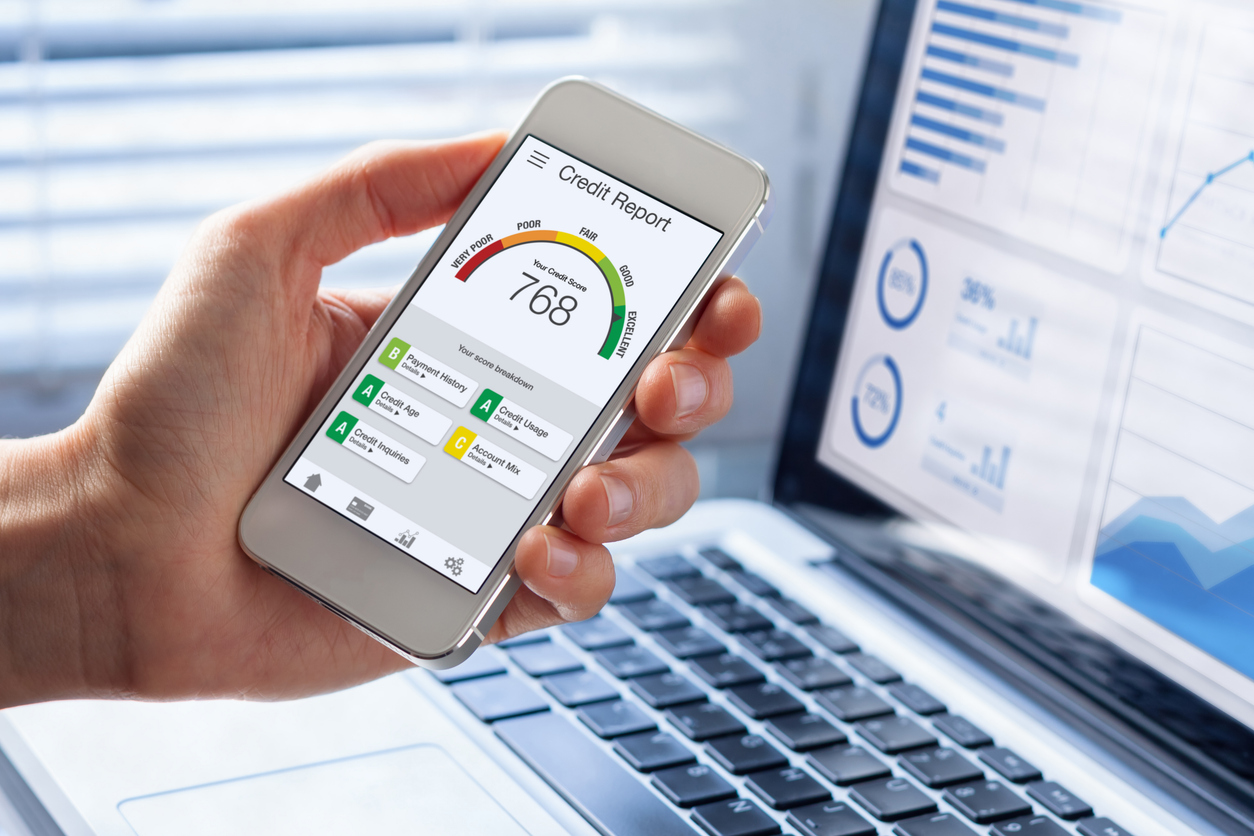
Your credit score helps lenders understand how you manage borrowed money. It can affect loan options, interest rates and the monthly payment you may be able to secure.
You do not need a perfect credit score to begin learning where you stand. You do need to know your current score, review your credit report and understand whether your credit is helping or holding back your buying power.
For more detail, read: What Credit Score Do You Need to Buy a New Construction Home?
What to Check
Start with these questions:
- Do I know my current credit score?
- Have I checked my credit report for errors?
- Do I pay bills on time?
- Are my credit card balances manageable?
- Have I opened several new accounts recently?
- Do I understand how my score compares with the loan programs I may use?
Different loan programs use different credit guidelines. A lender can tell you how your score fits with your options. If your score needs work, small changes can make a meaningful difference over time.
Credit is one of the areas where “not ready yet” often becomes “ready soon” with the right plan.
Factor 5: Debt Load
Debt affects how much room you have for a new mortgage payment. Lenders look at your monthly obligations, including things like car payments, student loans, credit cards, personal loans and other recurring debt.
This is not about whether debt is good or bad. It is about the space it takes up in your monthly budget.
What to Check
Make a list of every monthly debt payment you have:
- Car loans
- Student loans
- Credit card minimum payments
- Personal loans
- Existing mortgage or rent obligations
- Child support or other required payments if applicable
Then ask the practical question: after these payments, how much room is left for a mortgage, taxes, insurance, utilities, HOA dues if applicable and everyday life?
A buyer with moderate income and low debt may have more buying power than expected. A buyer with strong income and high debt may have less room than the income number suggests.
This is why income and debt need to be reviewed together.
Factor 6: Monthly Payment Comfort
Qualification and comfort are not the same thing.
A lender may approve you for a certain amount, but that does not automatically make the payment right for your life. You still need to decide what feels sustainable after groceries, gas, childcare, travel, giving, savings and the parts of life that do not fit neatly into a loan application.
This is one of the most important signs you are ready to buy a house: you know the payment range that lets you live well after you move in.
What to Check
Before you focus on purchase price, focus on payment.
Ask yourself:
- What monthly payment would feel comfortable?
- What payment would feel like a stretch?
- What payment would create stress?
- Have I included taxes, insurance and HOA dues if applicable?
- Do I still have room for savings?
- Would I feel good about this payment six months after move-in?
This step protects your confidence. A home should support the way you live, not squeeze everything else out of the budget.
A Simple Home Buyer Readiness Assessment
Use this quick self-assessment to rate yourself on each factor. Keep it honest. This is for clarity, not judgment.
Rate each area from 1 to 3:
- 1 = Needs work
- 2 = Getting close
- 3 = Strong
| Readiness Factor | Your Score |
|---|---|
| Income stability | 1 / 2 / 3 |
| Savings beyond the down payment | 1 / 2 / 3 |
| Down payment readiness | 1 / 2 / 3 |
| Credit standing | 1 / 2 / 3 |
| Debt load | 1 / 2 / 3 |
| Monthly payment comfort | 1 / 2 / 3 |
What Your Score Means
15 to 18: You may be in a strong position to talk with a lender, review homes and take the next step.
10 to 14: You are likely close, but one or two factors need attention. This is a good time to run the Buying Power Calculator and get a clearer sense of your range.
6 to 9: You may need more preparation before moving forward. That is not a dead end. It is a starting point.
This assessment does not replace lender review. It gives you a practical way to see where you stand before you get deep into home searches, model home visits and floor plan decisions.
Why “Not Ready Yet” Is Common and Not a Dead End
Most buyers are not perfectly ready in every category at the same time. That is normal.
You may have strong income but need more savings. You may have solid savings but want to improve your credit. You may qualify on paper but realize the payment feels too tight. None of that means homeownership is off the table.
It means you have information.
If you are not quite ready, read: What Happens If You Don’t Qualify for a New Home?
The buyers who feel most confident are not always the ones who start with the highest income or largest down payment. They are the ones who understand their numbers, know their comfort zone and take the next right step.
Use the Buying Power Calculator as a First Step, Not a Final Answer
The Buying Power Calculator does not require you to be fully ready. It simply helps show where you stand today.
That is the point.
You can use it before you talk to a lender, before you visit communities and before you decide whether now is the right time to buy. It gives you a starting range so you can begin with more control and less guessing.
After you run your numbers, use this guide to understand the result.
A calculator is not a loan approval. It is not a commitment. It is a low-pressure way to move from “I wonder if we can” to “Here is what we need to look at next.”
What to Do Next Based on Your Results
Your next step depends on what the numbers show and how the payment feels.
If You Look Ready
If your income is stable, savings are strong, credit is in good shape, debt is manageable and the payment feels comfortable, it may be time to talk with our team and a trusted lender.
From there, you can review communities, available homes, floor plans and timelines with more confidence.
If You Are Close
If one or two areas need work, focus there first. That might mean paying down a credit card, building reserves, clarifying down payment funds or getting a more accurate payment estimate.
A few months of focused preparation can change the conversation.
If You Are Not Ready Yet
If several areas need attention, slow down and make a plan. That is a responsible choice.
Use your readiness assessment to decide what comes first. Credit? Savings? Debt? Payment comfort? You do not have to fix everything in one week. You just need a clear next step.
And when you are ready to check again, run the Buying Power Calculator with updated numbers.
A Clearer Path Toward a Home Built for the Way You Live
Buying a new home should start with confidence, not pressure.
When you understand income stability, savings, down payment, credit, debt and monthly payment comfort, the process gets clearer. You know what is strong. You know what needs work. You know whether it makes sense to move forward now or take a little more time.
Start with the number that helps you ask better questions. Use our Buying Power Calculator to see where you stand today, then connect with our team when you are ready to talk through your options.
FAQ
How do I know if I am financially ready to buy a home?
You are financially ready to buy a home when your income is stable, you have savings beyond the down payment, your credit supports your loan options, your debt is manageable and the monthly payment feels sustainable. Readiness is the full picture, not one number.
Am I ready to buy a new construction home if I have not talked to a lender yet?
You can start exploring before speaking with a lender, but lender review is important before making firm decisions. A tool like the Buying Power Calculator can help you estimate where you stand first, then a lender can give you a more complete answer.
What are the biggest signs you are ready to buy a house?
Strong signs include steady income, available savings, a clear down payment source, healthy credit, manageable debt and a monthly payment range that feels comfortable. You should also feel prepared for moving costs and normal expenses after closing.
Do I need a large down payment to buy a new construction home?
Not always. Down payment needs vary by loan type, buyer profile and available programs. The more important first step is understanding how much cash you have available, where it is coming from and whether you will still have savings after closing.
What if my credit score is not where I want it to be?
A lower credit score does not always end the process. It may limit loan options or affect payment, but many buyers improve their position over time by paying bills on time, reducing balances and avoiding unnecessary new debt. A lender can explain what your current score means.
Why does monthly payment comfort matter if I qualify for the loan?
Loan qualification tells you what a lender may approve. Monthly payment comfort tells you what fits your life. A payment can be technically approved and still feel too tight after savings, groceries, utilities, childcare and other everyday expenses.
Should I use the Buying Power Calculator before touring homes?
Yes. The Buying Power Calculator is a smart first step before touring homes because it helps you understand your estimated range early. It is not a final approval or commitment. It gives you a clearer starting point.
What should I do if I am not ready to buy yet?
Focus on the factor that needs the most attention. Build savings, reduce debt, improve credit or clarify your target monthly payment. Many buyers are close but need a few months to strengthen one or two areas before moving forward.


 0
0