


Nest Notes
Starter Home vs Forever Home: How to Know What You’re Really Shopping For

September 1, 2026
A starter home is meant to be a stepping stone, usually for 5 to 10 years. A forever home is meant to be the last move you make for decades. Knowing which one you are actually shopping for changes what you should prioritize.
That’s the real difference in the starter home vs forever home conversation. It is not just about square footage or price. It is about what season of life the home needs to serve.
For some buyers, the right first home is a smart, affordable place to begin. For others, the right next home needs to support school years, aging parents, future hobbies, quieter routines or long-term comfort. And plenty of buyers fall somewhere in the middle.
This guide will help you figure out which category fits your life right now, so you can make a clearer decision about floor plan, location, budget and long-term value.
Key Takeaways
- A starter home is usually smaller, more affordable and purchased with the expectation that you will move again.
- A forever home is chosen with long-term needs in mind, including space, community fit, accessibility and future lifestyle changes.
- If your budget is tight or your life may look very different in 5 years, you are likely shopping for a starter home.
- If you want school stability, first-floor living potential and room to stay for decades, you are likely shopping for a forever home.
- Many buyers are really shopping for a “next home,” which sits between a starter home and a true forever home.
- Move-up buyers should think about how today’s starter home could affect tomorrow’s equity and buying power.
- Downsizing can still be a forever home decision when the goal is comfort, lower maintenance and long-term ease.
- The simplest self-check is this: are you optimizing for the next chapter or the whole rest of the book?
Starter Home vs Forever Home: What Is the Difference?
The difference between a starter home and a forever home comes down to timeline and priorities. A starter home helps you enter homeownership or bridge a life stage. A forever home is built around long-term comfort, stability and flexibility.
A starter home is not “less than.” It can be a smart first step. A forever home is not always larger or more expensive either. For some buyers, forever means less upkeep, fewer stairs and a home that finally fits the way life looks now.
That distinction matters because the wrong priorities can make a good home feel wrong later. If you are buying for 5 years, resale appeal and affordability carry more weight. If you are buying for 25 years, livability matters more than squeezing into the lowest possible monthly payment.
Starter Home Definition: What Counts as a Starter Home?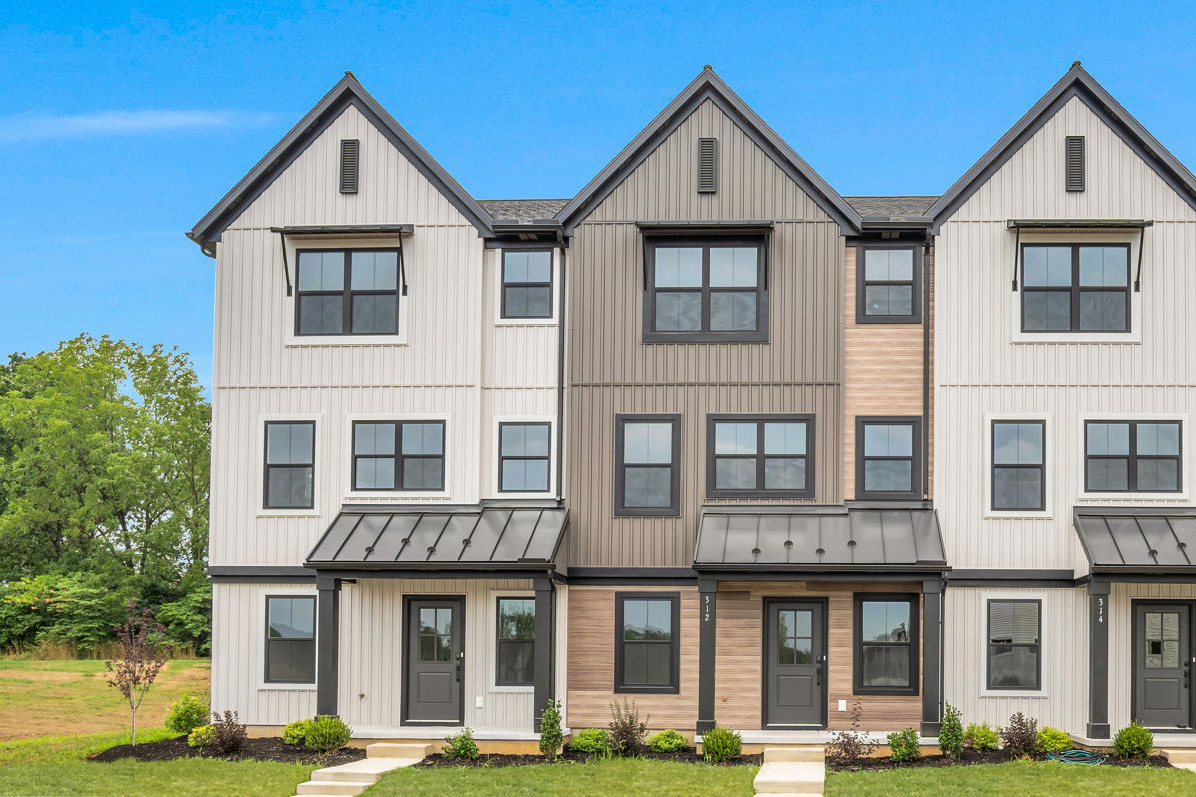
A starter home is typically a smaller, more affordable home chosen with the expectation that the buyer will move up later as income, family size or lifestyle needs change.
Starter homes often make sense for first-time buyers who want to stop renting, build equity and begin homeownership without stretching too far. The goal is not to solve every future need. The goal is to make a responsible first move.
Common starter home priorities include:
- A manageable monthly payment
- A location that works for daily life
- Lower maintenance needs
- Strong resale potential
- Functional space without excess square footage
- A home that helps you build equity over time
This is where new construction can deserve a serious look. A new home can help reduce the unknowns that often come with older resale homes, especially around maintenance, energy use and modern layouts. If you are early in the process, read our guide: Why First-Time Buyers Should Consider New Construction (Not Just Resale).
At Garman Builders, we also know affordability is not a small detail. It is the detail that decides whether a buyer can move forward with confidence. Programs like Garman Pathways™ to Homeownership are designed to help buyers understand smarter ways forward, not pressure them into a home that does not fit.
What Is a Forever Home?
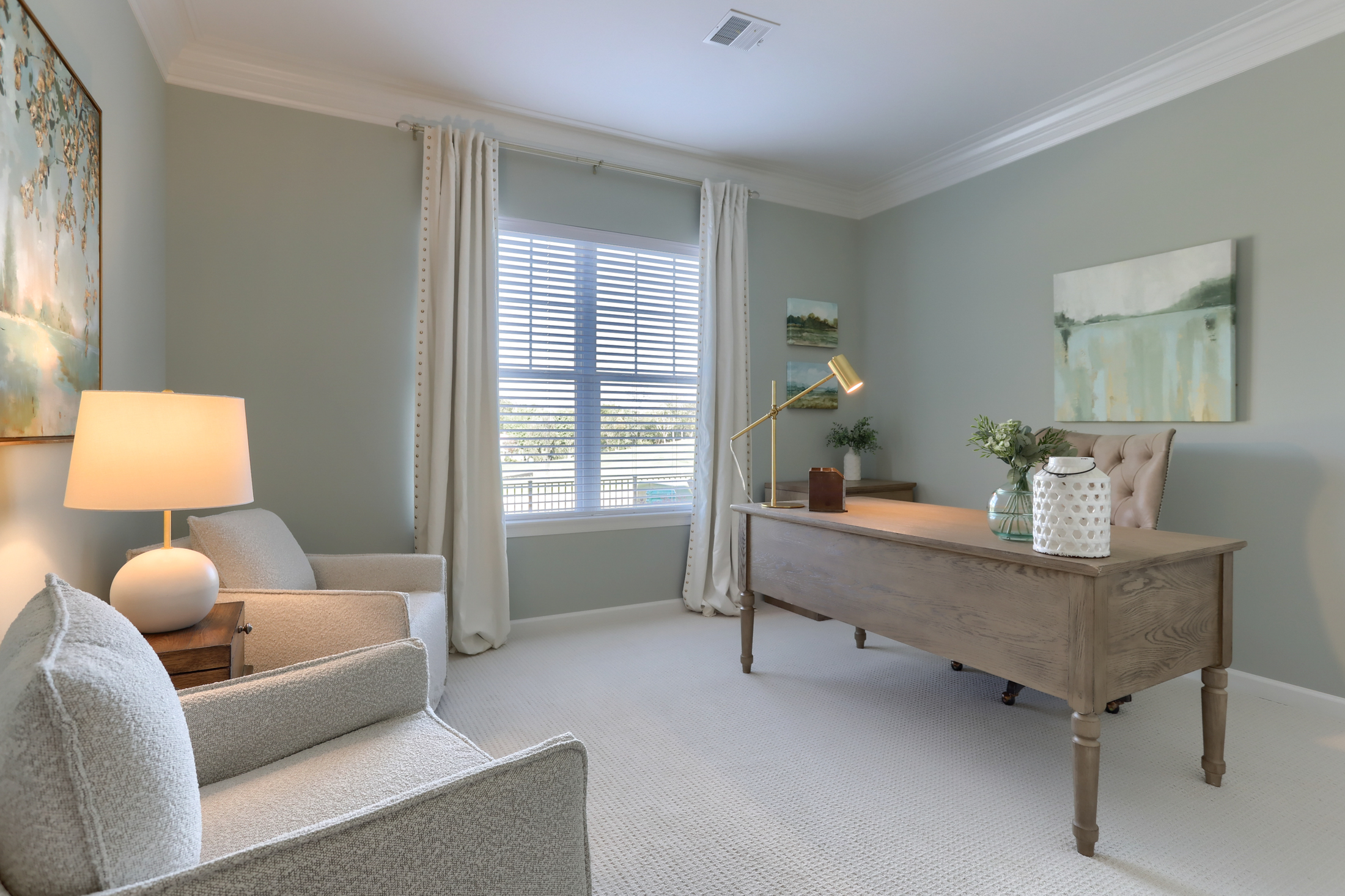
A forever home is a home chosen with long-term needs already factored in. The forever home meaning is less about perfection and more about staying power. It should support your life now and still make sense years from now.
A forever home often includes priorities like:
- A community you can see yourself staying in
- School stability for children or future children
- Enough space to avoid outgrowing the home quickly
- Flexible rooms for work, guests, hobbies or caregiving
- First-floor living potential
- Storage that works for real life
- Outdoor space or low-maintenance living, depending on your lifestyle
- A floor plan that can adapt as your needs change
Forever homes are personal. For a growing family, it may mean extra bedrooms, a larger kitchen and a community close to schools. For an active adult buyer, it may mean single-level living, less yardwork and a layout that feels easy to live in every day.
A forever home should not force you to predict every detail of the future. No one can do that. But it should give you enough flexibility that normal life changes do not immediately push you back into the market.
Signs You Are Actually Shopping for a Starter Home
You are likely shopping for a starter home if your current needs are clear but your long-term life picture is still forming.
That is normal. First homes often happen during a season when careers, relationships, family plans and income are still changing. Trying to buy the “last home” too early can create unnecessary pressure.
Your Budget Is Tight Compared to Your Long-Term Goals
If the home you want long term is outside your comfortable budget today, a starter home can be the right move. It lets you buy responsibly, build equity and learn what you actually value in a home.
Stretching too far for a forever home can turn homeownership into stress. A better-built, right-sized starter home can give you more control.
You Are Not Sure Where You Will Be in 5 Years
If your job, family size or preferred location could change, buying for the next chapter makes more sense than buying for the next several decades.
A starter home gives you room to live well now without pretending your life is already settled.
You Are Prioritizing Price and Location Over Long-Term Flexibility
Starter home buyers often care most about getting into the right area at the right price. They may accept fewer bedrooms, a smaller yard or less flexible space because the home’s main job is to work well for the next several years.
That is a valid strategy. Just be honest about it.
Signs You Are Actually Shopping for a Forever Home
You are likely shopping for a forever home if you are making decisions around stability, long-term comfort and fewer future moves.
This does not mean you have every answer. It means your priorities are less temporary. You know what kind of life the home needs to support.
Your Family Size Is Close to Final
If you have a clear sense of how many bedrooms, gathering spaces and private areas you need, you can make a stronger long-term floor plan decision.
Growing families often start thinking this way when they want better flow, more storage, a dedicated home office or space for kids to have room as they get older.
You Are Thinking About Aging in Place
Aging in place is not only for older buyers. It is smart long-term planning. First-floor primary potential, wider circulation, fewer steps and an adaptable layout can make a home easier to live in later.
If this is part of your decision, read: Aging in Place: How to Design a Home That Grows Old With You.
You Would Rather Pay More Now Than Move Again Later
Moving is expensive, disruptive and honestly, tiring. If avoiding another move matters to you, it can make sense to invest more now in the floor plan, community and features that will keep the home working longer.
That does not mean overbuying. It means buying with staying power.
Why Buying a Starter Home vs Forever Home Changes What to Prioritize
Buying a starter home vs forever home changes the decision because each home has a different job.
A starter home should help you buy wisely, live comfortably and preserve future options. A forever home should support long-term livability, lifestyle fit and confidence that you will not outgrow it quickly.
If You Are Buying a Starter Home, Prioritize Affordability and Resale Appeal
Starter home buyers should weigh these factors heavily:
Monthly payment comfort
Your first home should leave room for real life, not just the mortgage.
Location strength
A convenient location can support everyday life now and resale interest later.
Low maintenance
Fewer surprise repairs can make early homeownership feel more manageable.
Efficient space
A smart layout matters more than extra square footage you do not need yet.
Broad buyer appeal
If you expect to sell in 5 to 10 years, think about what the next buyer will value too.
This is where a townhome, duplex or right-sized single-family home can be a strong fit. The home does not need to do everything forever. It needs to do the right things well now.
If You Are Buying a Forever Home, Prioritize Long-Term Livability
Forever home buyers should weigh these factors heavily:
Floor plan flexibility
Look for rooms that can change purpose as your life changes.
First-floor living potential
A first-floor primary suite or future-friendly layout can extend how long the home works.
Community fit
Schools, commute, amenities, nearby family and everyday convenience matter more when you plan to stay.
Storage and function
Pantries, mudrooms, closets and garage space have a way of becoming more important over time.
Comfort and efficiency
A better-built home should feel good to live in and cost less to operate than an older, less efficient home.
Garman homes are Built for the Way You Live, which means we think about more than what looks good on move-in day. Through The Garman EDGE, we focus on Efficiency, Design & Building Science, Guaranteed Settlement and Excellence, so the home feels considered from contract to closing.
The Middle Ground: You May Be Shopping for a “Next Home”
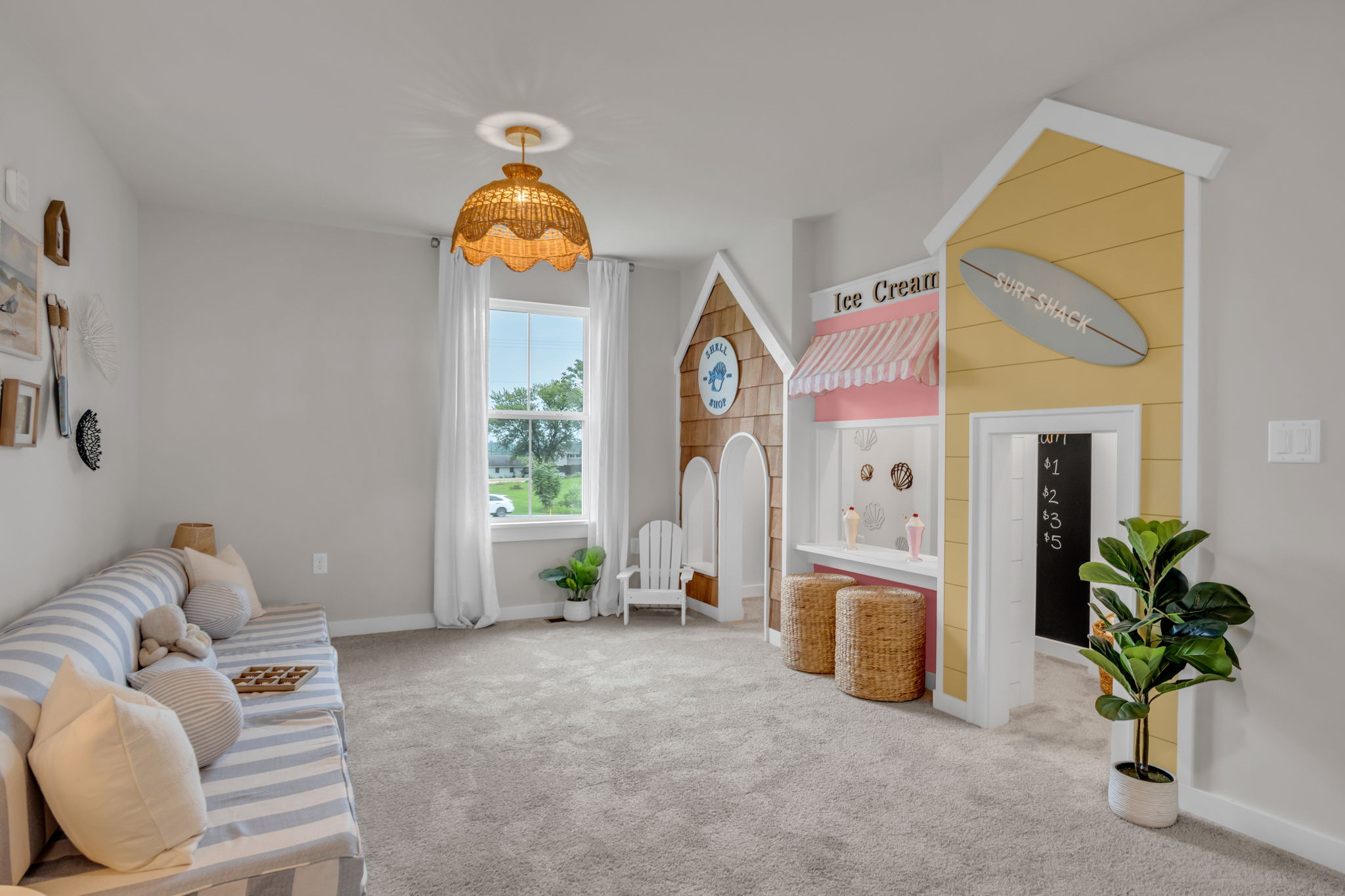
Not every buyer fits neatly into starter home or forever home. Many are shopping for a next home.
A next home is the home that fits the next major stage of life. It may not be the last home you ever own, but it is more intentional than a starter home. It usually solves a clear problem: not enough space, the wrong layout, too much upkeep, the wrong school district or a home that no longer fits how you live.
Move-up buyers often fall into this category. They are not necessarily trying to buy their forever home. They are trying to buy a better fit.
A next home might include:
- More bedrooms or bathrooms
- A larger kitchen and gathering area
- A dedicated home office
- A better school district fit
- More storage
- A quieter community
- A lower-maintenance layout
- Space for guests, hobbies or older children
This category matters because it removes the pressure to make one home solve the whole rest of your life. Sometimes the right decision is simply the smarter next step.
How Starter Homes Connect to Move-Up Buying
Today’s starter home purchase often becomes tomorrow’s move-up decision. Thinking about that now can help you make a smarter first purchase.
If you know your first home is temporary, choose one with future resale in mind. Look at location, layout, condition, efficiency and overall appeal. A home that serves you well now and appeals to future buyers can give you more confidence when it is time to move up.
This is also where buying new can help. Modern layouts, energy-efficient construction and lower early maintenance needs can make the first few years of ownership more predictable. That matters when your goal is to build equity and move forward, not spend weekends dealing with repairs you did not see coming.
A starter home should not trap you. It should help position you for what comes next.
How Forever Homes Connect to Downsizing
For some buyers, the forever home conversation does not mean buying bigger. It means downsizing into something more manageable.
This is one of the most overlooked parts of the first home vs long term home conversation. A buyer in their 50s, 60s or beyond may be choosing a forever home because they want fewer stairs, less yardwork, a more comfortable layout and a community that supports their next chapter.
That is not downgrading. It is right-sizing.
If you are thinking about less maintenance, single-level living or a home that gives you more freedom day to day, read: Downsizing Without Downgrading: What to Look for in Your Next Home.
Garman’s 55+ communities are designed around that kind of lifestyle: low-maintenance living, community connection and homes that feel comfortable without asking you to keep more space than you want.
Floor Plan Choices Matter More Than Labels
The label only helps if it leads to better decisions.
A starter home, next home and forever home can all be good choices. The important part is matching your floor plan to your stage of life.
If you are deciding between single-story and two-story living, think about how the layout will feel on an ordinary Tuesday. Where do groceries land? Where will guests sleep? Can kids, pets or visiting family move comfortably through the home? Will stairs be fine for the next 20 years or annoying sooner than you want to admit?
For a deeper look at layout by life stage, read: Single-Story vs. Two-Story Homes: Which Layout Is Right for Your Stage of Life?.
The best floor plan is not always the largest one. It is the one that removes friction from daily life.
A Simple Self-Check Before You Shop
Ask yourself one question before you compare floor plans, communities or finishes:
Am I optimizing for the next chapter or the whole rest of the book?
If you are optimizing for the next chapter, focus on affordability, location, resale appeal and low-maintenance ownership. You are probably shopping for a starter home or next home.
If you are optimizing for the whole rest of the book, focus on long-term livability, flexible space, community fit, first-floor living potential and comfort over time. You are probably shopping for a forever home.
Neither answer is better. The honest answer is the useful one.
Find the Home That Fits This Stage of Life
The starter home vs forever home decision is really a clarity exercise. It helps you decide what matters most, what can wait and what the home needs to do for your life right now.
At Garman Builders, we build homes across South Central Pennsylvania for first-time buyers, move-up buyers, active adults, downsizers and families in between stages. Our goal is not to push every buyer toward the same answer. It is to help you find the right path with more value, more control and more confidence.
Explore our new home communities, view available homes or contact us when you are ready to talk through what fits your next chapter.
FAQ
What is a starter home?
A starter home is a smaller or more affordable home purchased as a first step into homeownership. Most buyers expect to live in a starter home for 5 to 10 years before moving up as income, family size or lifestyle needs change.
What is a forever home?
A forever home is a home chosen for long-term living. It usually includes enough space, flexibility, community fit and future-friendly features to support the buyer for decades rather than just the next few years.
Is it better to buy a starter home or a forever home first?
The better choice depends on your budget, timeline and life stage. A starter home makes sense when affordability and flexibility matter most. A forever home makes sense when your long-term needs are clear and you want to avoid moving again later.
Can a first-time buyer buy a forever home?
Yes, a first-time buyer can buy a forever home if the budget, location and long-term needs are clear. The key is avoiding an overextended purchase. A forever home should create confidence, not financial pressure.
Is downsizing considered buying a forever home?
Downsizing can be a forever home decision when the goal is long-term comfort, lower maintenance and easier living. For many buyers, the right forever home is smaller, more efficient and better suited to the next stage of life.
What should I prioritize in a starter home?
Prioritize affordability, location, resale appeal, low maintenance and a functional layout. A starter home should work well now while keeping your future options open.
What should I prioritize in a forever home?
Prioritize long-term livability, flexible space, community fit, storage, comfort and first-floor living potential. A forever home should support your life now and adapt as your needs change.


 0
0