


Nest Notes
Is New Construction Cheaper to Insure? What Homebuyers in Central PA Should Know

August 19, 2026
New construction homes are often cheaper to insure than older homes of similar size, not more expensive. Here is why, and what actually drives your premium.
A lot of buyers assume a newer home must cost more to insure because it costs more to buy. That is not usually how homeowners insurance works. Insurance carriers care less about whether a home feels newer or bigger, and more about how risky and expensive it would be to repair or rebuild after a loss.
If you are comparing a new build to an older resale home in South Central Pennsylvania, this matters. The right comparison is not just purchase price. It is replacement cost, system age, roof condition, location-based risk and the likelihood of future claims. We will break down what insurers actually look at, why a new construction home often comes out ahead and what you should do before closing so there are no last-minute surprises.
Key Takeaways
- New construction homes are often cheaper to insure than older homes of similar size because they usually have newer systems, roofing and code-compliant materials.
- Homeowners insurance premiums are based more on rebuild cost and risk factors than on the home’s sale price.
- Updated electrical, plumbing and roofing systems often reduce the chance of fire or water damage claims.
- Many carriers offer a new home insurance discount or other credits for newer construction.
- A new home can cost more to insure if it has a higher replacement cost because of larger square footage or more expensive finishes.
- Central PA factors like flood exposure, wind and hail history and proximity to fire services can affect pricing.
- Buyers should get insurance quotes during the build process, not the week before closing.
- Your lender will require proof of homeowners insurance before closing, so this needs to stay on your timeline.
What homeowners insurance premiums are actually based on
Homeowners insurance premiums are usually based on risk and replacement cost, not just the price you paid for the home.
That distinction matters. A carrier is pricing the cost to rebuild the home after a covered loss, along with the likelihood that a claim will happen in the first place.
Rebuild cost
Rebuild cost, also called replacement cost, is one of the biggest pricing factors. This is the estimated cost to repair or reconstruct the home using current labor and material costs.
It is not the same as market value. Land value, neighborhood demand and resale competition affect purchase price. Insurance does not cover those things. It covers the structure.
Roof age and material
Older roofs carry more risk. They are more likely to leak, fail in wind events or suffer damage that leads to larger claims. A newer roof, especially one installed to current code standards, often helps lower premiums.
Electrical and plumbing system age
Older electrical panels, aging wiring and outdated plumbing systems increase the odds of fire and water damage. Insurers know that. Newer systems usually mean fewer red flags during underwriting.
Proximity to fire services
How close the home is to a fire hydrant or fire station can affect insurance cost. In some parts of Central PA, township layout and emergency service coverage make a real difference.
Claims history in the area
Insurance companies also look at area-wide loss patterns. If a ZIP code or township has frequent water, wind, hail or liability claims, rates can reflect that even if your individual home is brand new.
Why new construction often costs less to insure
If you are asking, “is new construction cheaper to insure,” the answer is often yes. Not always, but often enough that buyers should not assume the opposite.
Here is why a home insurance new construction home comparison frequently favors the new build.
Updated electrical and plumbing systems reduce risk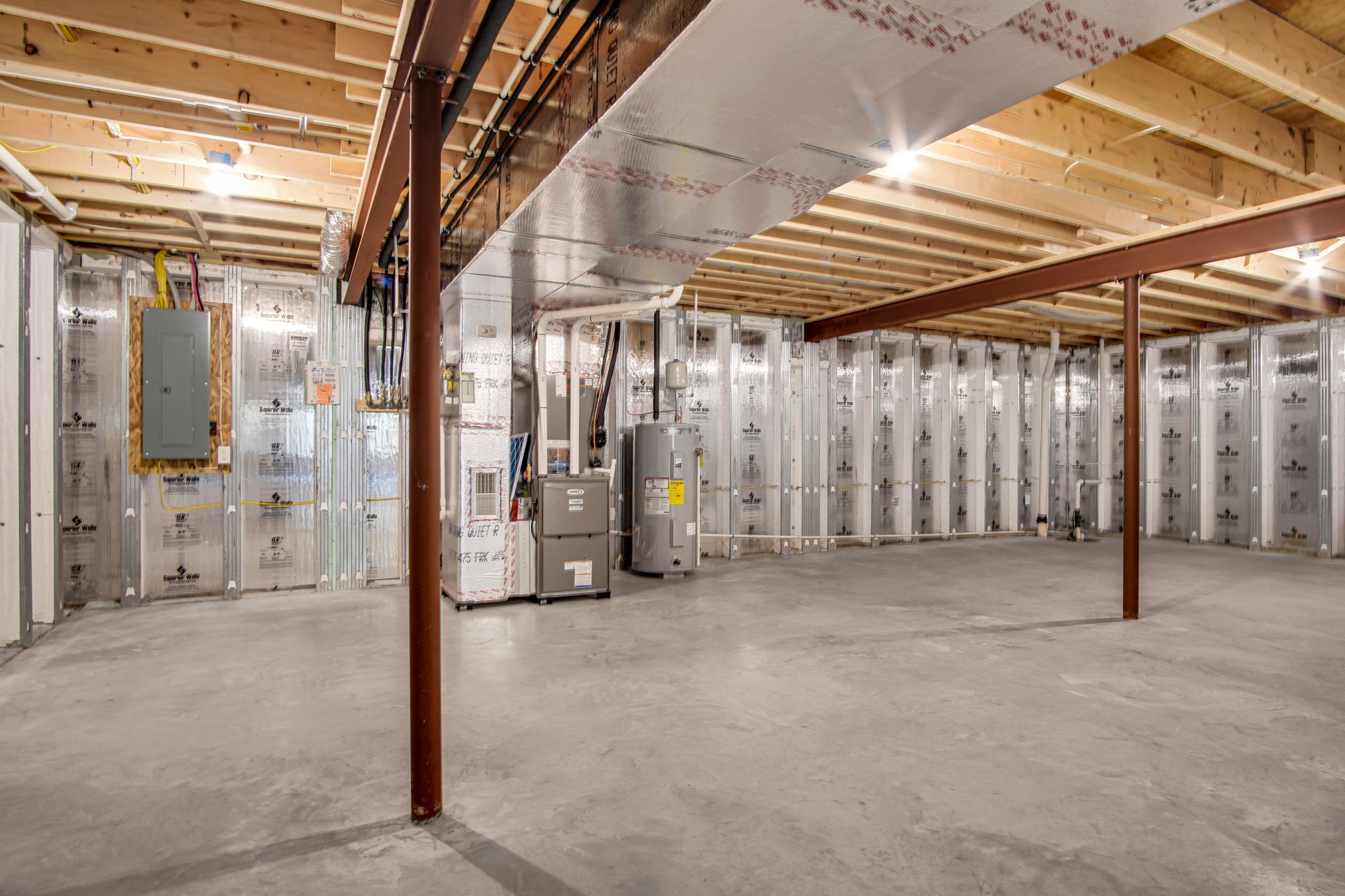
New homes start with new systems. That sounds obvious, but it has a direct impact on insurance risk.
New electrical systems are less likely to have overloaded panels, worn wiring or outdated components that can contribute to fire claims. New plumbing systems are less likely to leak because of corrosion, failing joints or aging supply lines. That lowers the chance of expensive damage behind walls, under floors or around fixtures.
If you want a related read, our post on What Makes a New Home Easier to Maintain Over Time? explains why systems age matters well beyond insurance.
New roofing often qualifies for better rates
Roof age is one of the clearest examples of insurance cost new house vs old house.
An aging roof is a known problem. Even if it looks fine from the street, insurers see a shorter remaining life and a higher chance of loss. A brand-new roof can help buyers qualify for better rates than a comparable older home with a roof nearing replacement.
That does not mean every new roof gets the same pricing. Material type, local weather exposure and carrier rules still matter. But newer usually wins.
Modern materials and code compliance help
New construction is built to current code. That includes structural standards, safety requirements and installation practices that did not exist when many older homes were built.
Modern materials and code compliance can reduce certain risk factors tied to fire spread, water intrusion and storm damage. Insurers price that in. A house built decades ago may have charm. It may also have older materials and methods that cost more to insure.
Many carriers offer a new home insurance discount
This is the piece buyers often miss. A lot of insurers offer a new home insurance discount or a homeowners insurance new build program specifically for newly built homes.
The name varies by carrier. The underwriting rules vary too. But the logic is consistent. New homes usually present fewer immediate maintenance and systems-related risks, so they may qualify for better pricing.
This is one reason it pays to shop quotes instead of assuming the rate. Carrier A may treat a new construction home very differently than Carrier B.
Where new construction can cost more
New construction is not automatically cheaper to insure in every case.
A new home can cost more if the replacement cost is higher. That usually happens when the home is larger, has premium finishes, includes custom details or would simply cost more to rebuild because of materials and labor.
Insurance is based on replacement cost, not purchase price. So if one home has more square footage, more detailed trim, upgraded cabinetry, stone surfaces or other higher-cost finishes, the premium can rise even if the underlying risk profile is strong.
That is why two homes in the same neighborhood can have different insurance costs. One may be newer and lower-risk, but still more expensive to rebuild.
Can ENERGY STAR and efficiency features help with insurance?
Sometimes, yes.
Some carriers offer credits tied to efficiency, resilient materials or newer high-performance construction. That can include homes with recognized certifications or features associated with reduced risk, though discounts vary widely by insurer.
If you are researching an energy star insurance discount, ask carriers directly whether they recognize ENERGY STAR certified homes or related high-efficiency features in their underwriting. Do not assume every insurer handles it the same way.
For a fuller look at high-performance construction, read What Is an Energy-Efficient Home? HERS, ENERGY STAR & Net-Zero Explained.
What to do before closing on a new construction home
Get insurance quotes during the build process, not the week before closing.
That is the practical step that saves buyers the most frustration. Rates can vary a lot between carriers, even for the same home. Waiting until the last minute compresses your timeline and limits your options.
A better approach looks like this:
- Start gathering quotes well before settlement
- Ask each carrier about new construction discounts
- Confirm replacement cost assumptions are accurate
- Ask about bundling, security and efficiency-related discounts
- Make sure your lender receives proof of insurance on time
If you are budgeting for settlement, insurance is part of that picture. Our post on What Closing Costs Should I Expect When Buying a New Home in Pennsylvania? breaks down the broader closing-cost side.
Central PA factors that can affect insurance pricing
Location still matters, even with a brand-new home.
In South Central Pennsylvania, buyers should pay attention to a few regional factors that can influence premiums.
Flood zone considerations
Standard homeowners insurance does not usually cover flood damage. If a home is in or near a mapped flood-risk area, you may need separate flood insurance. That can change your total housing cost in a hurry.
This is especially important to verify early, not after the closing file is already moving.
Wind and hail history
Carriers also look at local weather patterns. Wind and hail losses can influence deductible structures, roof-related coverage terms and overall rates.
Proximity to hydrants and fire stations by township
In more suburban or rural parts of Central PA, fire protection grading can vary by township and service area. A home closer to a hydrant or station may price differently than one farther out.
These are not details most buyers can predict on their own. That is why getting real quotes matters more than guessing.
Bundling and other discount opportunities
A lower premium is not always about the house alone. It can also come from how you structure your policies.
Ask about:
- Multi-policy discounts for bundling home and auto
- Security system discounts
- Smart-home monitoring discounts, when applicable
- New-construction-specific carrier programs
- Loyalty or claim-free discounts
Not every carrier offers every option. But this is an easy place to compare value beyond the headline premium.
The mortgage connection buyers should not ignore
Your lender will require proof of homeowners insurance before closing.
That means insurance is not something to handle after the fact. It belongs on your build timeline. If you wait too long, you can create avoidable stress right when everything else is coming together.
The same goes for understanding protection after you move in. If you want clarity there, read What’s Actually Covered by a New Home Warranty in Pennsylvania?. Homeowners insurance and a builder warranty are not the same thing, and buyers should understand both.
What this means for buyers comparing new vs. old
If you are comparing a new build to an older resale home, do not assume the bigger or newer house will cost more to insure just because the purchase price is higher.
A newer home often has the insurance advantage because the roof is new, the electrical and plumbing systems are new, the materials meet current code and the home may qualify for a new home insurance discount. That does not erase the impact of size, finishes or location. But it changes the math.
A smarter way to compare is simple: get actual quotes on both homes and compare total monthly ownership cost, not just the list price.
FAQs
Is new construction cheaper to insure than an older home?
Often, yes. New construction homes are frequently cheaper to insure than older homes of similar size because they usually have newer roofs, electrical systems, plumbing and code-compliant materials that reduce claim risk.
Why would a new home cost less to insure?
A new home often costs less to insure because insurers see less immediate risk of fire, water damage and roof-related claims. Many carriers also offer discounts specifically for newly built homes.
Does homeowners insurance go by purchase price or rebuild cost?
Homeowners insurance is based primarily on rebuild cost, not purchase price. The carrier is estimating what it would cost to repair or reconstruct the home after a covered loss using current labor and materials.
Can a new construction home ever cost more to insure?
Yes. A new construction home can cost more to insure if it is larger, has premium finishes or would cost more to rebuild. Lower risk does not always mean lower premium if replacement cost is significantly higher.
Do insurers offer a new home insurance discount?
Many do. A new home insurance discount is common, though the name and eligibility rules vary by carrier. Buyers should ask each insurer directly what discounts apply to new construction.
Can ENERGY STAR features reduce homeowners insurance cost?
Sometimes. Some insurers may offer discounts or credits tied to high-efficiency or resilient construction features, but these programs are not universal. Buyers should ask carriers directly about any energy star insurance discount or related credits.
When should I get homeowners insurance quotes for a new build?
Get quotes during the build process, not right before closing. That gives you time to compare carriers, confirm coverage details and make sure your lender receives proof of insurance on schedule.
Built for the Way You Live, and Planned the Right Way
Insurance is one more place where new construction can offer an edge buyers do not always expect. A better-built home often comes with newer systems, fewer immediate risk factors and a clearer path to coverage. That can mean more value and more confidence, not just at closing but over time.
If you are exploring a new home in South Central Pennsylvania, we can help you think through the full picture, from home design and energy efficiency to timeline and closing preparation. Contact us to learn more about our communities, available homes and a better way to buy.


 0
0