


Nest Notes
How Does a Lot Release Work? A Buyer's Guide to New Home Community Releases

October 2, 2026
How Does a Lot Release Work? A Buyer's Guide to New Home Community Releases
A lot release is when a home builder opens a set of homesites in a new community for buyers to choose from. It's often the first chance to pick a specific homesite and reserve it, before anyone else can. If you've seen a community like Laurel Forge in Cumberland County announce a new section opening up and wondered what that actually means for you as a buyer, here's what happens.
Walking into a new home community lot release without knowing the mechanics puts you at a disadvantage. You're making real decisions, often on the spot, about where your home will sit, what you'll build, and how much you're willing to commit that day. Knowing what to expect changes how you show up.
Key Takeaways
- A lot release is the moment a builder opens a specific group of homesites for buyers to select and reserve, usually your first real shot at choosing where your home will sit.
- Builders release lots in phases because development happens in phases. Streets, utilities, and grading need to be finished before a homesite is buildable.
- The first release in a community typically has the widest selection, including the corner lots, cul-de-sacs, and premium positions that go first.
- At a release, you're not just picking a lot. You're often deciding on a floor plan, signing a contract, and putting down a deposit in the same visit.
- How a release actually runs, appointment based or open to the public, selection order, deposit timing, varies by builder and by community. Ask before you go.
- Reading a homesite well means looking past the dirt in front of you: orientation, grade, what's next door, what's behind you, and what's coming in later phases.
- Buyers who arrive with financing sorted and plan priorities set move faster and make better decisions than buyers figuring it out on the spot.
- A community like Laurel Forge shows how this plays out in real time, as new sections come to market and homesites fill in order.
What Is a Lot Release in a New Home Community?
A lot release is a defined event, sometimes a single day, sometimes a short window, where a builder makes a set of homesites available for buyers to select. Before a release, those homesites usually aren't for sale. They might not even be fully developed yet. After a release, buyers can walk the section, pick a specific lot, and move toward a contract.
Not every homesite in a community is released at once. Builders work through a community in phases, called sections or releases, and each one opens as the land and infrastructure catch up. A community like Laurel Forge will go through multiple releases over the life of the project, not one single event where every lot hits the market at the same time.
Why Home Builders Release Lots in Stages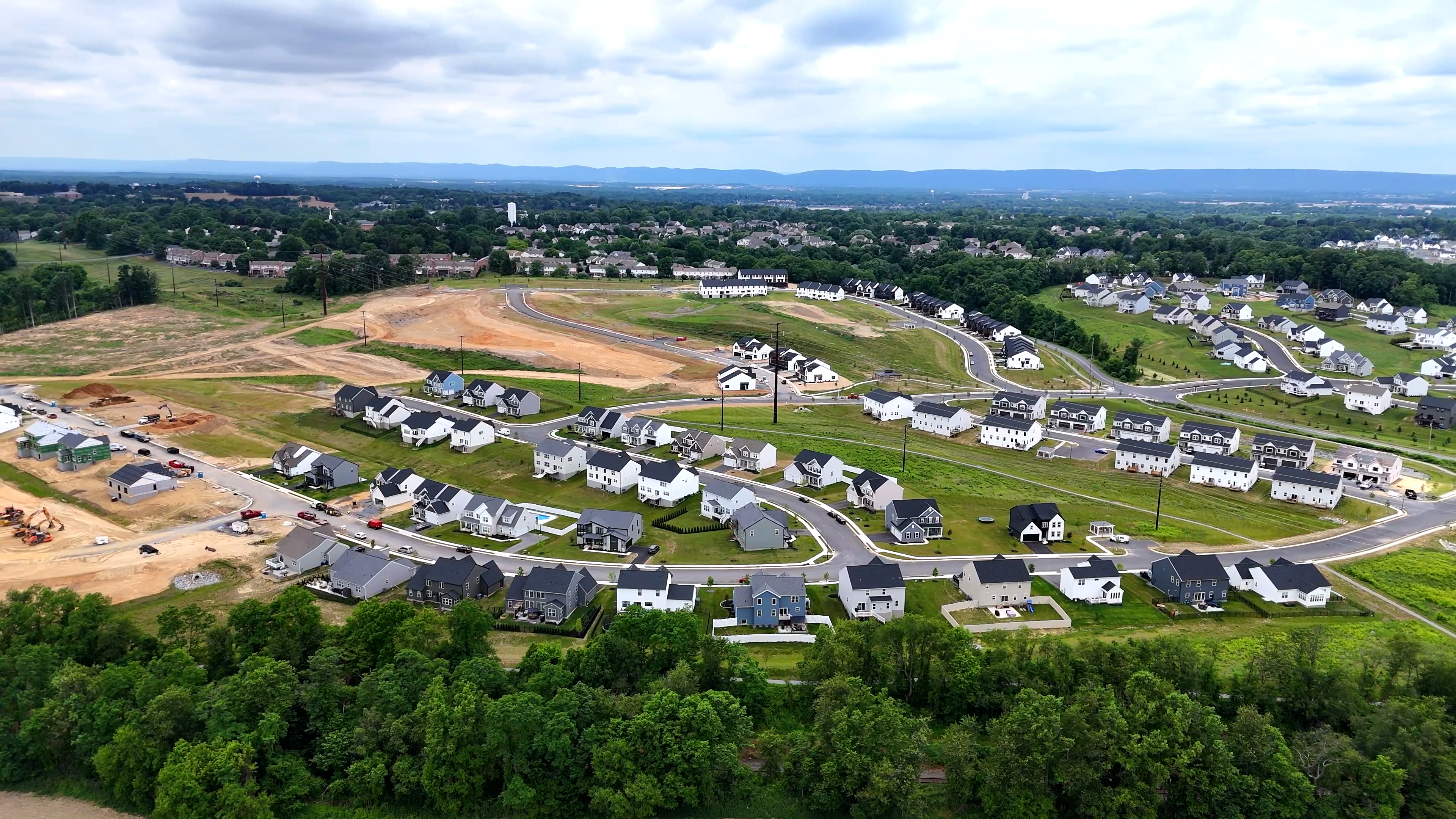
Phasing isn't a sales tactic. It's how land actually gets turned into a buildable neighborhood.
Roads, water, sewer, and electric have to be installed and approved before a street of homesites is ready for construction. Grading and stormwater work happen section by section. And a builder's construction crews and trade partners can only frame, roof, and finish so many homes at once without quality or schedule suffering. Releasing lots in groups keeps construction paced in a way that protects the timeline for everyone who's already building.
This is also why the first release in a new community tends to generate the most interest. It usually includes the broadest mix of homesite types, corner lots, larger lots, cul-de-sac positions, and the sites with the best views or orientation. Later releases still offer good homesites, but the full range of options is almost always strongest at the start.
What You're Actually Deciding at a Lot Release
A release isn't just about picking a spot on a map. In most cases, you're making several decisions at once, and they're connected.
- The homesite. Which specific lot you want, based on size, position, and what surrounds it.
- The floor plan. Many builders require you to pair your homesite with an available plan at the same time, since not every plan fits every lot.
- The contract and deposit. Reserving a homesite typically means signing a purchase agreement and putting down a deposit to hold it.
- Incentives. Builders sometimes tie specific offers, pricing, or bonuses to a particular release window, so what applies on release day may not apply later.
Because these decisions often happen together, a lot release moves faster than a typical home search. That's exactly why preparation matters more here than almost anywhere else in the buying process.
Questions to Ask About How a Specific Release Works
Every builder runs releases a little differently, and the details change the strategy. Before you show up, ask the builder or sales team:
- Is the release appointment based, or is it open to whoever shows up?
- How is the order of selection determined? First come, first served, a lottery, or a prior sign-up list?
- When does plan selection happen, at the same appointment or afterward?
- When is the deposit due, and is it due that day or within a short window after?
- What's the difference between VIP or priority days and public release days, and do you qualify for early access?
These answers shape everything else. A first come, first served release rewards showing up early. An appointment based release rewards getting on the list ahead of time. Confirm the format with the specific builder and community before you plan your approach.
How to Choose a Homesite You've Never Lived On
Picking a homesite is harder than it looks, because you're imagining a finished neighborhood from a site that might still be dirt and stakes. A few things are worth checking in person, not just on a site map.
Orientation. Which direction does the home face, and what does that mean for sunlight in your main living spaces, your backyard, and your driveway in winter.
Grade. Is the lot level, sloped, or walkout. Grade affects what's possible for a basement, a patio, or a yard, and it can affect cost depending on the plan you want.
Size and shape. A wide, shallow lot lives differently than a narrow, deep one, even if the square footage is close. Think about where the driveway lands, how much usable yard you'll actually have, and whether a side-load garage fits.
What's beside and behind you. Check what's planned for the adjacent lots, not just what's built there now. A quiet wooded view can change once the next phase breaks ground.
What's coming later. Ask what's planned for nearby land, future sections of the community, and any shared amenities. A homesite that backs up to open space today might back up to another row of homes in two years.
At a growing community like Laurel Forge, where new sections continue to come online, these questions matter even more. The land around your lot today is not necessarily the land around your lot once the community is built out.
What to Have Ready Before Release Day
The buyers who move with confidence at a release are the ones who did their homework before they arrived.
- Pre-qualification or a clear sense of your buying power. Know your realistic price range before you fall for a lot, not after.
- A comfortable payment range, not just the number a lender approved. Those aren't always the same thing.
- Two or three floor plan priorities. Know which plans you'd actually build, ranked, so you're not deciding from scratch in the moment.
- A short list of homesite preferences. Corner lot, cul-de-sac, walkout, specific orientation, know what matters most to you before you're standing on one.
- Everyone who needs to weigh in. If a decision maker isn't there, a release day commitment can get complicated fast.
Common Mistakes Buyers Make at a Lot Release
A few patterns show up again and again.
Arriving without your numbers settled is the most common one. If you don't know your buying power, you're negotiating against the clock and your own uncertainty at the same time.
Falling in love with a homesite before checking that your preferred plan actually fits it is another. A great lot paired with the wrong plan can mean a redesign, a different plan altogether, or a homesite that doesn't deliver what you pictured.
And then there's pacing. Moving too fast to beat the crowd can mean skipping real due diligence on grade, orientation, or what's planned nearby. Moving too slowly can mean losing the homesite you actually wanted to someone who decided first. Neither extreme serves you. The buyers who do best walk in prepared enough to move decisively once they find the right fit.
What Happens After You Choose Your Homesite
Once you've selected a homesite and signed a contract, a general sequence usually follows, though exact timing depends on the builder and the community.
- Contract and deposit. You formalize your selection with a signed agreement and a deposit to hold the homesite and plan.
- Design appointments. You'll work through structural options, finishes, and selections, often at a design studio or with a design consultant.
- Permits and approvals. The builder submits for the permits required before construction can begin.
- Construction start. Once permitting clears and your selections are finalized, your home moves into the building schedule.
Timelines vary widely by builder, by municipality, and by how complex your design selections are, but it's common for several weeks to a few months to pass between signing and an actual construction start. Ask your builder for a realistic timeline specific to your community and your plan, since this is one area where generic estimates can set the wrong expectations.
Lot Release FAQ
Can I change my mind after choosing a homesite?
It depends on the builder's contract terms and how much progress has been made. Some builders allow changes within a short window after signing, others treat the selection as final once the contract is signed. Confirm this directly with the builder before you commit.
What if the homesite I want is already taken?
Ask about the next release, about any other available homesites in the current section, or whether a waitlist exists. Builders release lots in phases, so a homesite you miss in one release may have a comparable option in the next.
Do I need to sign up ahead of time?
Many builders use a registration or priority list to manage interest ahead of a release, which can mean earlier access or a better position in the selection order. Check with the specific community well before the release date.
Is the deposit refundable?
Deposit terms vary by builder and are usually spelled out in the purchase agreement. Read the contract carefully and ask directly what happens to your deposit if you cancel, change plans, or don't move forward.
These answers are general by design. Every builder structures releases differently, so confirm the specifics with the community you're working with before you make a decision.
A Lot Release Rewards Buyers Who Show Up Prepared
A lot release moves fast, but it doesn't have to feel chaotic. Buyers who understand the process, know their numbers, and have real priorities set for both plan and homesite are the ones who walk away with the lot they actually wanted. The ones who show up without a plan are the ones left picking from whatever's left.
If you're watching a community like Laurel Forge and waiting for the next section to open, the best thing you can do right now is get your financing and your priorities in order. When the release comes, you'll be ready to move.
Reach out to our team to learn more about upcoming releases, available homesites, and how the process works at Laurel Forge and our other South Central Pennsylvania communities.

 0
0