


Nest Notes
Is Low Maintenance Living Right for Me?

July 28, 2026
You spent Saturday morning mowing again. Or shoveling. Or replacing shutters. Or dealing with the drainage issue by the driveway. And at some point, probably while looking at a chore list that somehow keeps growing, you asked yourself a pretty honest question: is this really how I want to spend my weekends?
That question matters more than people admit. For a lot of buyers in South Central Pennsylvania, the issue is not whether they can keep up with the house. It’s whether they still want to. The time, the cost, the planning, the constant mental tab of what needs attention next, it adds up.
Low maintenance living is often framed as a practical housing choice. It is practical. But the deeper reason people start looking is emotional. They want more ease. More freedom. Less to manage. A home that supports their life instead of quietly running it.
If you’ve been wondering whether this kind of move fits you, this guide will help you sort that out.
Key Takeaways
- Low maintenance living is not about settling for less, it’s about buying back time, flexibility and peace of mind.
- If exterior upkeep keeps eating into your weekends, budget or mental energy, it may be time to rethink what you need from homeownership.
- The real cost of maintaining a single-family home goes beyond repairs and landscaping, it also includes decision fatigue and lost free time.
- Low maintenance living is often a strong fit for empty nesters, busy professionals, frequent travelers, downsizers and buyers nearing retirement.
- It is not the right fit for everyone, especially buyers who genuinely enjoy yardwork, outdoor projects or daily use of a private yard.
- Condo and low maintenance living can offer a meaningful lifestyle shift in the first six months, especially for buyers used to constant exterior chores.
- At 117 On The Boulevard, the appeal is not just the home itself. It’s the ease that comes with exterior maintenance handled through the HOA, elevator access, secure parking and a walkable location.
The Self-Assessment: 7 Questions That Reveal Whether Low Maintenance Living Is Right for You
If you’re searching for answers to “is low maintenance living right for me,” start here. Not with square footage. Not with finishes. With your actual life.
1. How many hours per week do you spend on exterior upkeep?
Count the mowing, trimming, weeding, mulching, shoveling, pressure washing, gutter cleaning and the quick fixes that never stay quick. In peak seasons, a lot of homeowners are putting several hours a week into outside maintenance alone.
time doesn’t disappear by accident. It comes from somewhere. Saturday mornings. Sunday afternoons. Evenings that could have gone another way.
2. When was the last weekend you spent not thinking about home maintenance?
This is usually the better question.
Even when you’re not actively doing the work, home maintenance tends to sit in the background. You notice the downspout that needs attention. The deck boards that should be resealed. The bushes that are overgrown again. The driveway edge that keeps washing out.
Maintenance is rarely just labor. It’s mental load.
3. Do you actually use your yard, or do you just maintain it?
A lot of homeowners love the idea of a yard more than the day-to-day reality of one.
If you picture outdoor living and then spend most of your time managing grass, edging beds and scheduling seasonal cleanup, that tells you something. A yard should serve your life. If it mostly demands your time, it may not be earning its keep.
4. Would you rather travel more, work less or spend more time on hobbies?

This gets to the heart of low maintenance home.
What would you do with the time? Visit family more often? Take weekend trips? Golf? Garden in containers instead of managing an entire property? Read on the porch instead of power washing it?
Low maintenance living works best when you’re not just trying to escape chores. You’re making room for something better.
5. Are you already paying for landscaping or snow removal anyway?
Some buyers assume staying in a traditional house saves money because they are “doing it themselves.” But plenty of homeowners are already outsourcing part of the work, especially snow removal, lawn care and seasonal cleanup.
If those costs are already part of your budget, compare them honestly against what low maintenance living includes. The numbers may be closer than you think.
6. Do you enjoy your current home’s maintenance, or endure it?
There’s no wrong answer here.
Some people genuinely like yardwork. They enjoy projects. They want a garage full of tools and a reason to use them. Others are just keeping up because that’s what the house requires.
If you endure the upkeep more than enjoy it, pay attention to that. It usually gets more frustrating, not less.
7. What would you do with the time you spent last month on upkeep?
Be specific.
Would you have gone to brunch with friends? Traveled for a long weekend? Visited grandchildren? Picked up a hobby again? Worked less on your days off?
That answer tells you what you’re really buying if you choose a low maintenance lifestyle in PA. Not just a different property. A different use of your time.
What You’re Actually Buying With Low Living
People hear “low maintenance living” and sometimes assume it means compromise. Less house. Less privacy. Less ownership.
That’s not the real trade.
What you’re often buying is more time. More flexibility. More predictability. Fewer interruptions. Fewer surprise exterior expenses. Fewer weekends shaped around the house.
That matters.
A home should still feel like something you’re proud to own. But it should not require constant effort just to stay ahead. For the right buyer, an easy maintenance home creates a sense of relief that has very little to do with square footage and everything to do with how daily life feels.
This is one reason more buyers start comparing condo vs house maintenance long before they’re ready to move. They’re not simply shopping homes. They’re evaluating how much responsibility they still want attached to ownership.
The Real Math on Exterior Maintenance Costs in Central PA
This part is worth looking at clearly.
Single-family home maintenance costs vary by age of home, lot size, materials and whether you hire work out or do it yourself. In Central PA, common exterior expenses can include:
- Roof repairs and long-term replacement planning
- Siding repair, cleaning or replacement
- Landscaping and lawn care
- Snow removal
- Exterior painting or trim touch-ups
- Deck sealing, staining or board replacement
- Gutter cleaning and repairs
- HVAC exterior component service and maintenance around outdoor units
- Drainage or grading fixes
- Driveway and walkway upkeep
For many homeowners, these aren’t monthly bills in one neat category. They show up in waves. A few hundred here. A seasonal service there. A larger project that cannot wait another year.
A reasonable annual estimate for exterior maintenance on a single-family home in Central Pennsylvania can run into the low thousands even before major replacements, and higher if you outsource routine work or own an older home. Landscaping and snow removal alone can make a noticeable dent in the budget. Add gutter service, deck upkeep, exterior repairs and paint or trim work, and the total climbs fast.
Specific figures should be verified with a Garman advisor before publication, especially if you plan to present local averages. But the bigger point is simple: maintenance has a real cost, whether you pay in cash, time or both.
That is why the conversation around low maintenance living should never stop at HOA fees. Buyers should compare total ownership experience, not just one line item.
For a broader look at smart ownership decisions, our team also explores these questions in Why 117 On The Boulevard Is Lebanon’s Smartest Move and our Move-Up Buyer’s Guide.
The First Six Months: What Changes After the Move

When buyers move from a traditional house into a condo or low maintenance home, the first shift is usually not dramatic. It’s subtle.
They notice they are not checking the weather the same way.
They stop planning weekends around mowing.
A snowstorm stops feeling like a task list.
Travel becomes easier because leaving town does not create another layer of property worries.
That’s the part people tend to underestimate.
In the first six months, the biggest change is often mental space. There are fewer small decisions waiting in line. Fewer “we need to deal with that soon” conversations. Less background stress tied the exterior of the home.
For buyers who have spent years managing a larger property, that change can feel bigger than expected. Not because they gave something up, but because they got part of their life back.
If that sounds familiar, you may also want to read Downsizing Without Downgrading, which speaks to buyers who want less upkeep without losing quality, comfort or pride of ownership.
Who Low Maintenance Living Is Not For
This matters, because low maintenance living is not automatically better. It’s better for the right person.
It may not be the right fit if:
- You genuinely enjoy yardwork and outdoor upkeep
- You want a large private yard used daily by children or pets
- You like exterior projects and seasonal home improvement work
- You want full control over every exterior detail of your property
- A big part of your enjoyment comes from maintaining and improving the land itself
There is nothing wrong with wanting those things. For some buyers, that hands-on ownership is part of what makes a home feel like home.
If that’s you, forcing a lower-maintenance setup may feel restrictive instead of freeing.
Who It Is For
Low maintenance living tends to make immediate sense for buyers who are ready for a home that supports their lifestyle with less effort attached.
It is often a strong fit for:
Empty Nesters
The house that once made perfect sense can start to feel oversized in a very practical way. Less exterior upkeep can mean more time to enjoy this chapter instead of managing space you no longer use the same way.
Professionals With Long Commutes or Full Schedules
If your weekdays are already full, losing weekends to chores gets old fast. A low maintenance lifestyle in PA can create a more workable rhythm.
Buyers Who Travel Frequently
Whether you travel for work, visit family often or simply want the freedom to leave town without worrying about the property, lower-maintenance ownership can make that easier.
Buyers Approaching Retirement
A lot of buyers are not looking for “less.” They are looking for simpler. They want comfort, quality and control, just without the same physical and mental demands.
Downsizers
Not every downsizer wants to move because they have to. Some are making a clear, intentional choice. Less upkeep. Better location. Easier daily living. More flexibility going forward.
Our Luxury Condo Living at 117 article takes a closer look at why this style of ownership is resonating with buyers who want that balance.
How 117 On The Boulevard Was Designed for This Kind of Buyer
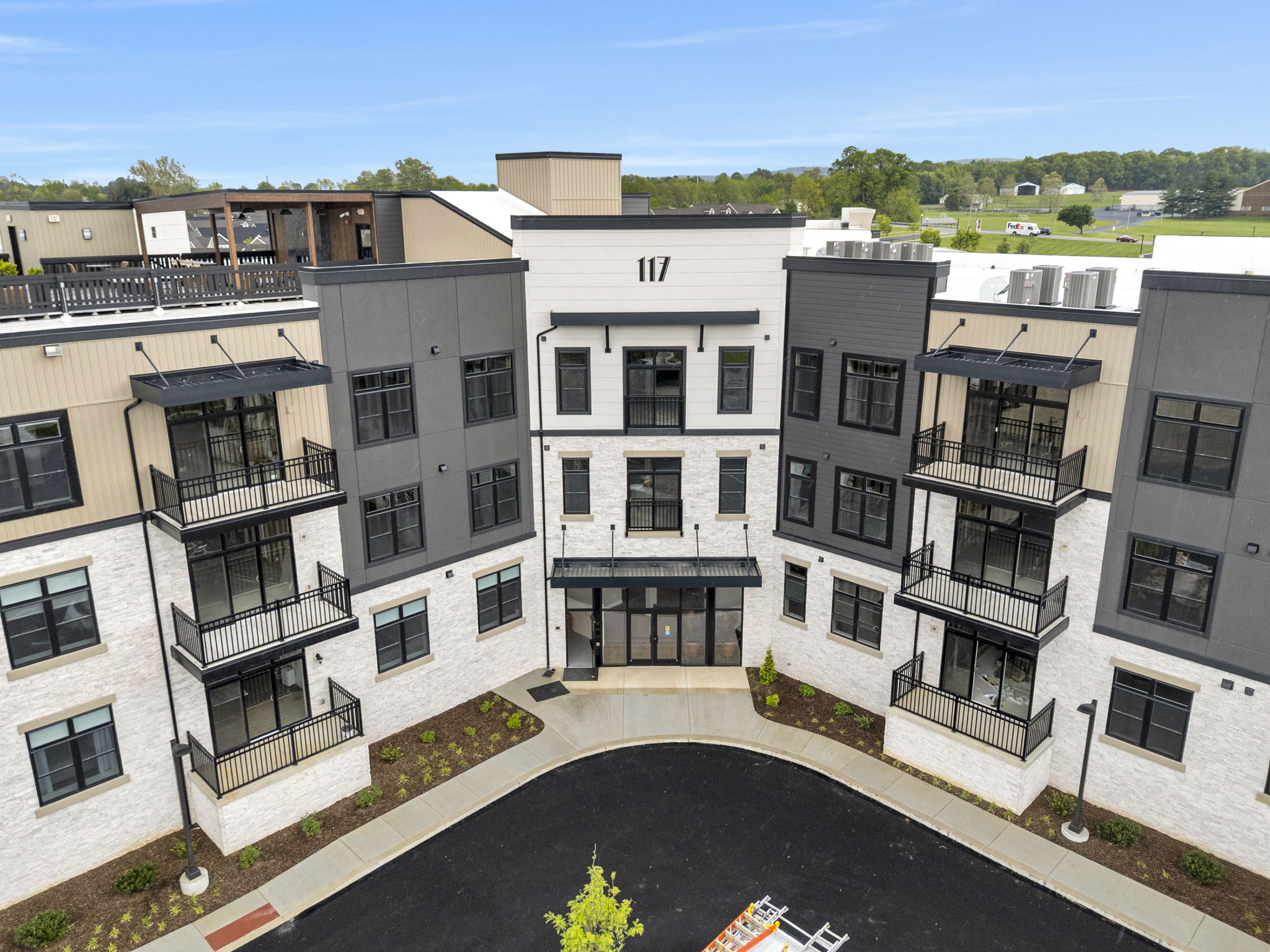
Some communities talk about convenience in a vague way. This one is easier to describe because the features connect directly to daily life.
At 117 On The Boulevard, low maintenance living is not an afterthought. It is part of the structure of the experience.
The HOA handles exterior maintenance, which helps remove the recurring burden of outside upkeep. That matters in every season, especially here in Pennsylvania where yardwork, weather and seasonal maintenance never stay quiet for long.
Elevator access adds everyday ease. Secure parking adds comfort and practicality. And a walkable setting means daily errands do not have to feel like a production.
That combination appeals to buyers who are done managing more house than they need and more upkeep than they want. Not because they have stopped caring about where they live, but because they care more about how they live.
A Better Question to Ask Yourself
The question is not just whether you can keep up with your current home.
It’s whether the upkeep still matches the life you want.
If your weekends keep getting claimed by chores, if the yard feels more like an obligation than a benefit, if exterior maintenance has become one more thing to manage, then low maintenance living deserves a closer look.
That doesn’t mean everyone should make the move. But it does mean the trade-off is worth seeing clearly. You’re not simply giving up tasks. You’re reclaiming time, flexibility and headspace.
Maintenance isn’t just work. It’s decisions, cost and mental load. If you’re ready to buy those back, low maintenance living is worth exploring.
To see what that can look like in a real community, explore 117 On The Boulevard. If you’re still sorting through the lifestyle side of the decision, our related articles on Luxury Condo Living at 11, Why 117 On The Boulevard Is Lebanon’s Smartest Move and the Move-Up Buyer’s Guide are good next steps.
Frequently Asked Questions
What is low maintenance living?
Low maintenance living means owning a home with fewer exterior responsibilities and less routine upkeep. That often includes services handled through an HOA, such as landscaping, snow removal or exterior maintenance, depending on the community.
Is low maintenance living right for me?
Low maintenance living is a strong fit if you are tired of yardwork, exterior repairs, snow removal or the ongoing mental load of managing a larger property. It makes the most sense for buyers who value time, flexibility and ease over maintaining a traditional yard.
What are the main low maintenance home benefits?
The biggest benefits are time savings, fewer exterior chores, more predictable upkeep and less mental stress tied to homeownership. For many buyers, the real value is not just convenience. It is having more freedom to travel, relax or spend time on other priorities.
How does condo vs house maintenance compare?
A traditional house usually requires the owner to manage lawn care, snow removal, gutters, exterior repairs and long-term upkeep planning. In a condo or low maintenance community, some of those responsibilities are often handled collectively through the HOA, which reduces the day-to-day burden on the homeowner.
Is low maintenance living cheaper than owning a house?
Not always in every category, but it can reduce or replace many recurring exterior maintenance costs. The better comparison is total ownership experience, including money spent on landscaping, snow removal, repairs, upkeep supplies and the value of your time.
Who is low maintenance living best for?
It is often best for empty nesters, downsizers, professionals with busy schedules, frequent travelers and buyers nearing retirement who want a home that feels easier to own without giving up comfort, quality or location.


 0
0