


Nest Notes
Do New Homes Need an Inspection?

August 19, 2026
Yes, an independent home inspection is worth getting on new construction, even with a builder warranty and municipal inspections already completed. Each one checks for different things, and none of them fully substitutes for the others.
That answer surprises a lot of buyers. They hear that a new home goes through code inspections, builder walkthroughs and warranty coverage, then assume hiring their own inspector would be redundant. It is not. A home inspection on new construction serves a different purpose, and it gives you one more layer of clarity before closing.
If you are trying to decide whether new homes need an inspection, here is what each step already covers, what it does not and where an independent inspector fits in.
Key Takeaways
- Yes, do new homes need an inspection is still an easy question to answer: they do.
- Municipal inspections verify code compliance at required stages of construction, not overall fit, finish or buyer-level detail.
- Your pre-drywall walkthrough helps you understand the home before walls are closed up, but it is not the same as a third-party inspection.
- Your final walkthrough is important for confirming condition and noting visible items, but it is not a systems-based evaluation.
- A builder warranty addresses covered issues that arise after closing, but it does not replace a pre-closing review of the home’s condition.
- An independent inspector brings a second set of trained eyes and documents the home as it stands before settlement.
- In Central PA, a new home inspection cost is usually modest compared with the price of the home and the peace of mind it provides.
What already gets inspected before you hire anyone
Before you ever bring in your own inspector, a lot already happens during the construction process.
First, there are municipal code inspections at key stages of the build. Those inspections are there to confirm that required parts of the home meet local code requirements as construction moves forward.
You will also have your own pre-drywall walkthrough. In that meeting, you can see the home before insulation and drywall cover up the framing, wiring, plumbing and other major systems. Our guide, What to Look for at Your Pre-Drywall Walkthrough, explains what buyers should pay attention to during that step.
Then, before closing, you will complete a final walkthrough. That is your chance to review the finished home, note visible concerns and make sure agreed-upon items are accounted for before settlement.
Those are important parts of a well-run process. They matter. They just do not make an independent inspection unnecessary.
What municipal inspections and walkthroughs do not cover
A short answer block:
Municipal inspections focus on code compliance. Buyer walkthroughs focus on orientation, visibility and condition. An independent inspector looks at the home as a complete product, checking accessible components, testing systems and identifying issues that may not be obvious to a buyer or within the scope of a code inspection.
That distinction matters.
Municipal inspections are not full quality-control reviews
Code inspections are essential, but they are limited by scope. They are not intended to function as a comprehensive assessment of every visible and accessible detail in the house.
A municipal inspector is generally checking whether specific elements meet applicable code at a given stage. That is different from evaluating overall workmanship consistency, looking for minor installation issues across the entire home or testing the house the way a private inspector typically will.
Your walkthrough is important, but it is not technical
Your walkthrough helps you get familiar with the home and ask questions. It helps you spot visible items and understand how things are coming together.
Still, most buyers are not trained to inspect grading, HVAC performance, window operation, outlet polarity, plumbing fixtures, insulation gaps, flashing details or attic conditions. Even careful buyers miss things. That is normal.
Independent inspectors look for details that fall between categories
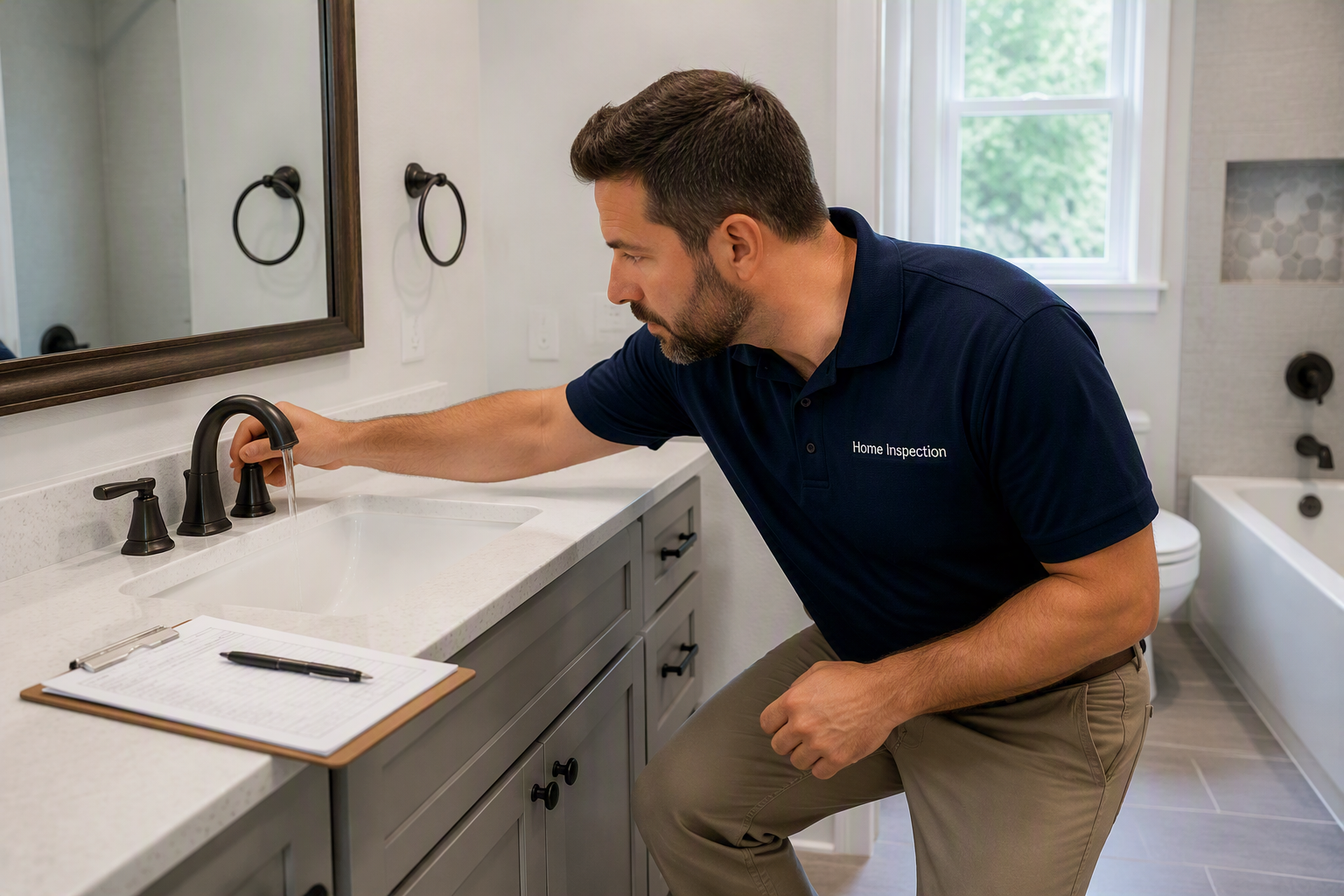
This is where an independent inspector for new construction adds value. They often check items that are not necessarily code failures, but still worth correcting before you move in.
That can include:
- Inconsistent workmanship
- Doors or windows that do not operate correctly
- Missing caulk or sealant
- Plumbing leaks at fixtures
- HVAC airflow or performance concerns
- Improper appliance installation details
- Grading or drainage observations
- Missing insulation in accessible areas
- Electrical issues visible through standard testing
- Safety items that deserve attention even if they are minor
Not every inspection finds major concerns. Most do not. But that is not the point. The point is to get a trained, independent review of the home before closing.
Home inspection vs builder warranty: they are not the same thing
This is one of the biggest points of confusion for buyers.
A home inspection vs builder warranty comparison is simple: an inspection identifies issues before closing, while a warranty addresses certain covered issues after they appear.
We explain warranty coverage in more detail in What’s Actually Covered by a New Home Warranty in Pennsylvania?. The short version is that a builder warranty is there to respond to qualifying problems that arise within the coverage period. It is not designed to replace a pre-closing evaluation.
What a builder warranty does cover
Warranty coverage generally helps with certain defects or issues that show up after you have taken ownership, subject to the warranty terms and timeframes.
That matters. It gives buyers support after settlement and adds confidence to the ownership experience.
What a builder warranty does not cover
A warranty does not function like a final third-party inspection report. It does not document the exact condition of the home on closing day. It also does not replace the value of catching correctable items before settlement, when access, scheduling and accountability are often simpler.
That is why new construction inspection worth it is not really a debate for most careful buyers. The inspection and the warranty do different jobs.
Why an independent home inspection on new construction is worth it
If you are asking whether a home inspection on new construction is worth the time and money, here is the practical case for it.
1. You get a second set of trained eyes
Even in a strong building process, extra review helps. A private inspector has no role in the build and no responsibility except evaluating the home in front of them.
That independence is useful. It is not about distrust. It is about being thorough.
2. You get documentation of the home’s condition at closing
An inspection report creates a dated record of what was visible and accessible before settlement. If a question comes up later, that report can be useful context for warranty conversations.
It also helps you keep track of items that may need follow-up once you are living in the home.
3. You get peace of mind
For first-time buyers especially, the process can feel like a lot. A professional inspection gives you one more level of confidence that the house has been reviewed carefully before you sign the final paperwork.
And peace of mind counts. Buying a home is a big decision. It should feel informed, not rushed.
When to schedule a new home inspection and what it usually costs
The best time to schedule your independent inspection is usually before closing and early enough to allow time for review, discussion and any pre-settlement corrections that make sense.
In practice, many buyers schedule the inspection shortly before their final walkthrough or just ahead of closing, depending on the home’s completion status and the builder’s timeline.
Typical timing
A simple answer block:
Schedule your independent inspection after the home is substantially complete and before closing, with enough time to review findings and coordinate any punch list or repair discussions before settlement.
Typical cost in Central PA
For a standard new construction home in Central PA, a private inspection often falls in the rough range of about $400 to $700, depending on the home’s size, age, location and any add-on services.
Prices vary, and specialty inspections can cost more. But for most buyers, the new home inspection cost is small compared with the cost of the home itself.
What an inspector checks that overlaps with your walkthrough, and what they catch that you probably will not
There is some overlap between your own final walkthrough and a private inspection. That is fine. The overlap is part of what makes the process stronger.
Items you may notice on your own
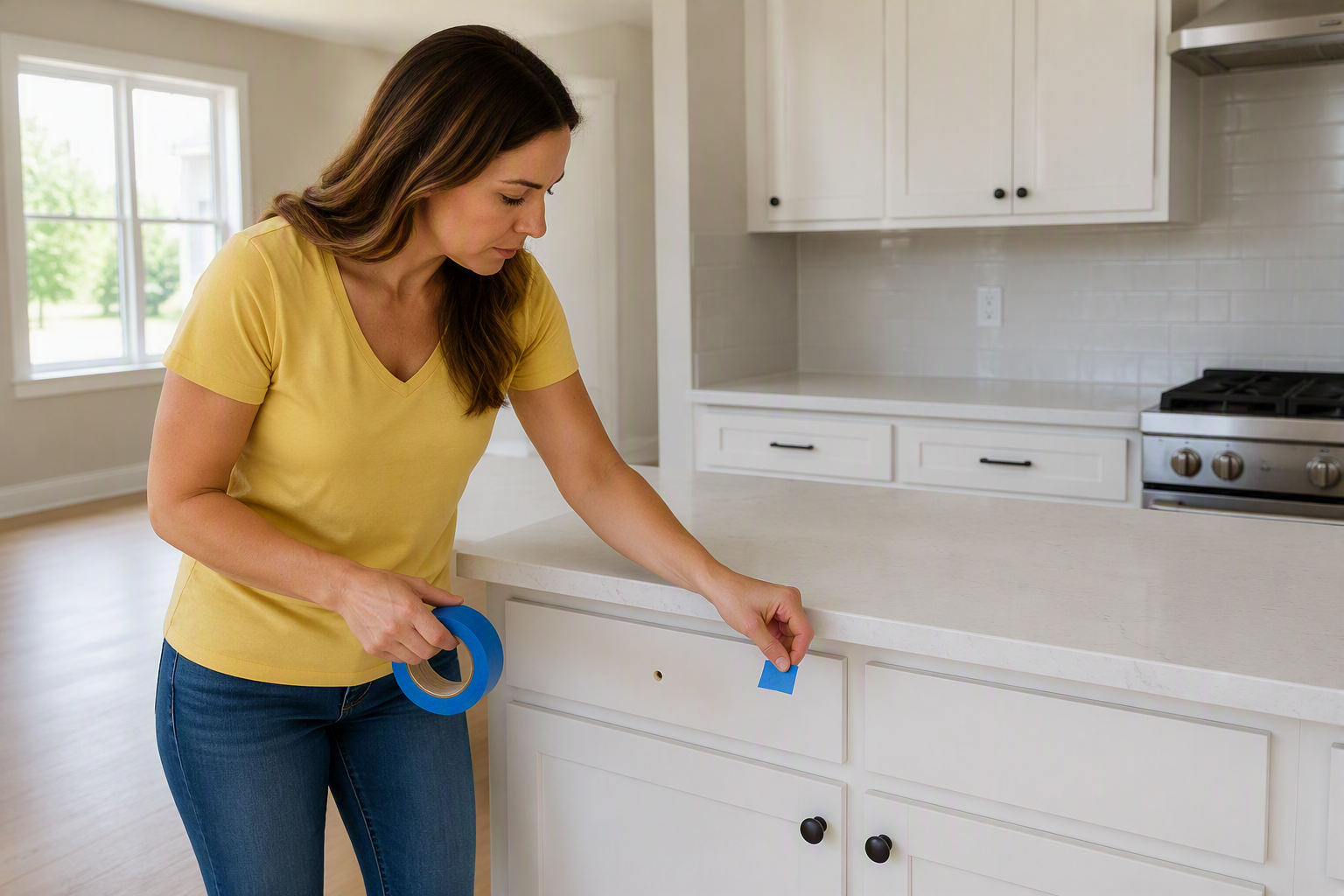
During your walkthrough, you can often catch:
- Paint touch-up needs
- Scratches or cosmetic damage
- Missing hardware
- Cabinet or trim blemishes
- Flooring defects
- Appliance dents
- Doors that rub or latch poorly
- Items that belong on the punch list
If you are not familiar with that process, our guide on What Is a Punch List? helps explain how these items are typically tracked before closing.
Items an inspector is more likely to catch
An experienced inspector may also test and evaluate:
- HVAC operation and temperature splits
- Electrical outlets, GFCIs and polarity
- Accessible plumbing connections and drainage
- Attic insulation depth and visible gaps
- Roof observations from accessible vantage points
- Exterior grading and drainage concerns
- Window flashing signs or sealing issues
- Garage door auto-reverse function
- Moisture indicators around tubs, showers and sinks
- Venting and exhaust termination details
That is the real difference. Buyers are usually looking at how the home looks and feels. Inspectors are also checking how it performs.
How to choose an inspector who knows new construction
Not every inspector approaches new construction the same way. That matters because a new home inspection is not identical to a resale inspection.
Look for someone who:
- Has direct experience with new construction inspections
- Understands current building methods and systems
- Provides a clear written report with photos
- Knows how to distinguish cosmetic items from more important concerns
- Communicates clearly and professionally
- Can inspect within your pre-closing timeline
Ask directly how many new construction inspections they do. Ask what their report includes. Ask whether they understand punch list timing and pre-settlement coordination.
The best fit is someone thorough, calm and practical.
What happens if your independent inspector finds something
Usually, the next step is straightforward.
You review the report, separate cosmetic items from more important concerns and share the relevant findings with your builder team according to the process and timeline already in place. Some items may belong on the punch list. Others may need a trade partner to review them before closing.
A short answer block:
If an independent inspector finds issues, those findings typically become part of the pre-closing discussion. Some items are added to the punch list, some are corrected before settlement and some may be monitored or addressed through standard post-closing warranty procedures depending on timing and severity.
The key is to stay organized and communicate promptly. The earlier the report comes in, the easier it is to work through the list before settlement.
A smart extra step, not a sign of distrust
The healthiest way to think about this is simple: a private inspection is not there because the process is broken. It is there because buying a home deserves care.
At Garman, we already believe in a thorough process, clear communication and confidence from contract to closing. Municipal inspections matter. Your pre-drywall walkthrough matters. Your final walkthrough matters. Warranty coverage matters too.
An independent inspection still adds something useful. It gives you one more layer of information before you close, and that is a smart way to buy.
Frequently Asked Questions
Do new homes need an inspection if they already passed code inspections?
Yes. Code inspections and private home inspections serve different purposes. Code inspections check required compliance items at specific stages, while a private inspector evaluates the completed home more broadly for accessible defects, performance concerns and workmanship issues before closing.
Is a home inspection on new construction worth it?
Yes. A home inspection on new construction is worth it because it gives you an independent review of the home’s condition before settlement, creates documentation and can catch issues that are outside the scope of municipal inspections or easy to miss during your own walkthrough.
What is the difference between a home inspection and a builder warranty?
A home inspection identifies visible and accessible issues before closing. A builder warranty addresses certain covered problems that arise after closing, based on the warranty terms. One does not replace the other.
When should I schedule an independent inspector for new construction?
Schedule your inspector when the home is substantially complete and before closing. Most buyers do this shortly before the final walkthrough or with enough time ahead of settlement to review findings and address pre-closing items.
How much does a new home inspection cost in Central PA?
A new home inspection cost in Central PA often falls around $400 to $700 for a standard new construction home. Pricing depends on square footage, scope and any add-on services.
What should I do if the inspector finds problems?
Review the report carefully, identify the items that need builder follow-up and share them promptly within the pre-closing timeline. Some concerns may go on the punch list, while others may be corrected before settlement or addressed through warranty procedures if appropriate.
Should I hire an inspector who specializes in new construction?
Yes. An inspector with new construction experience is more likely to understand current building practices, common installation issues and the difference between cosmetic punch list items and more meaningful concerns.


 0
0