


Nest Notes
New Home Warranty Pennsylvania Guide: What’s Covered, What’s Not, and When to Submit a Claim

August 15, 2026
A typical new home warranty in Pennsylvania has three coverage tiers: 1-year workmanship, 2-year systems, and 10-year structural. Each covers different issues, and knowing which problem belongs in which window makes a big difference once you’ve moved in.
That’s where most buyers get stuck. They hear “new home warranty,” assume everything is covered for ten years, then realize too late that cosmetic items, mechanical systems, and structural defects all follow different rules. The result is confusion, missed deadlines, and frustration that could have been avoided with a little clarity up front.
We’re going to break down what a new home warranty covers, what it usually does not cover, how the 1-year, 2-year, and 10-year tiers work in Pennsylvania, and how to think about timing, especially the 11-month walkthrough, which is one of the most important post-closing milestones in a new home.
Key Takeaways
- A typical Pennsylvania new home warranty includes 1-year workmanship, 2-year systems, and 10-year structural coverage
- Year 1 usually covers installation-related defects in visible finishes like drywall, paint, trim, doors, cabinets, and windows
- Year 2 usually covers major mechanical systems such as plumbing, electrical, and HVAC
- Years 3 through 10 usually cover specific structural defects, not cosmetic issues or routine repairs
- The 11-month walkthrough is the best time to document year-1 items before workmanship coverage expires
- Builder warranty coverage does not usually include homeowner damage, normal wear, weather events, appliances, or changes made after closing
- Good documentation matters, photos, dates, and a clear description of the issue help move claims faster
- Warranty terms can vary by builder, so buyers should always review their own documents and customer care instructions
What is a new home warranty?
A new home warranty is a builder-backed and or third-party-backed set of coverage periods for defects in a newly built home. It is not one blanket promise that covers everything for ten years.
In most cases, builder warranty coverage is divided into three parts:
- 1-year workmanship warranty
- 2-year systems warranty
- 10-year structural warranty
That structure is common across Pennsylvania and much of the broader new construction market. The details can vary, but the framework stays fairly consistent.
The easiest way to think about it is this:
- Year 1 covers how many visible components were installed and finished
- Year 2 covers key house systems that keep the home functioning
- Years 3 to 10 cover major structural failures, not normal maintenance
If you’re early in the process, it also helps to understand how warranty questions connect to what happens before closing. Buyers usually start noticing these topics around the Pre-Drywall Walkthrough, the Punch List, and the handoff period covered in What to Do, and Not Do, After You Sign Your New Home Contract.
Year 1: Workmanship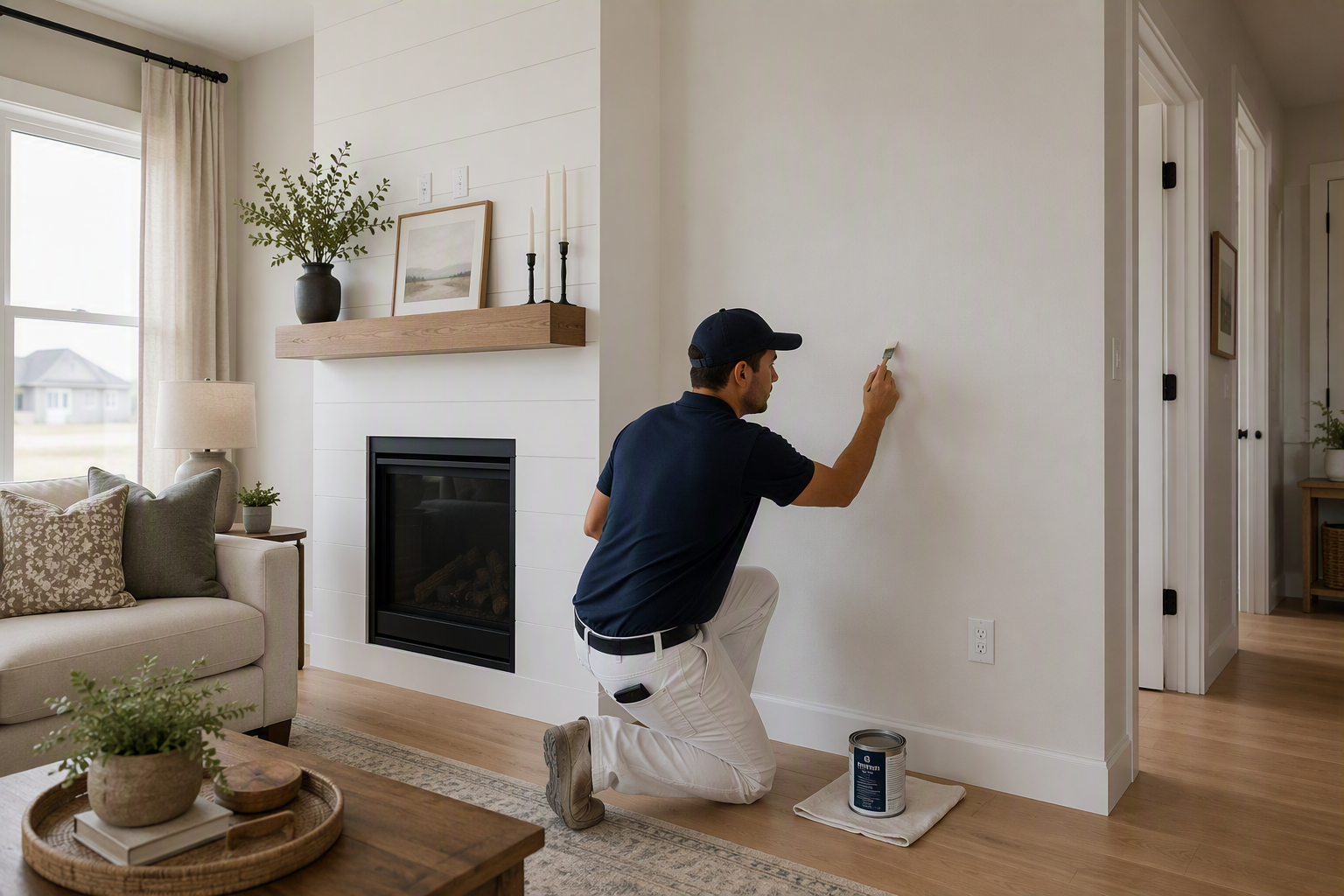 warranty, what’s usually covered
The 1 year new home warranty is the coverage period buyers use most often. It typically applies to defects in workmanship and materials tied to installation and finish quality.
This is the part of the warranty that usually covers things like:
- Paint defects related to original workmanship
- Drywall issues
- Interior trim installation defects
- Cabinet installation defects
- Door alignment issues
- Window installation defects
- Hardware that was installed incorrectly
The key distinction is this: workmanship coverage usually addresses defects in installation, not damage that happens after you move in.
For example, a door that sticks because it shifted out of alignment as the home settled may fall under workmanship review. A door your child dented with a toy does not. A cabinet drawer installed out of square may be covered. A chipped cabinet face caused during move-in probably is not.
Common year-1 issues buyers notice
The first year is when the house goes through its biggest adjustment period. Materials expand and contract. Humidity changes. The home dries out and settles into regular use.
That’s why these year-1 issues are common:
- Hairline drywall cracks from normal settling
- Nail pops
- Caulking gaps at trim or millwork joints
- Sticky interior doors
- Hardware that needs alignment
- Paint touch-ups related to settling repairs
- Minor trim separation
Some of these items are expected in new construction. That doesn’t mean you should ignore them. It means they’re common enough that buyers should keep a running list and bring them forward at the right time.
The 11-month walkthrough matters more than most buyers realize
If there’s one part of this entire new construction warranty guide buyers should remember, it’s this: do not miss the 11-month walkthrough window.
Most homeowners spend the first few months focused on unpacking, adjusting, and getting used to the home. Then life gets busy. By the time the first anniversary approaches, they’ve forgotten half the items they meant to report.
The 11-month walkthrough gives you a smart deadline. It lets you live in the home through all four seasons, notice settling-related items, and submit workmanship concerns before the 1-year coverage period ends.
This is when you want to review:
- Drywall cracks
- Nail pops
- Interior paint issues tied to repairs or settling
- Cabinet and trim separation
- Doors that rub, stick, or do not latch correctly
- Windows that do not operate as intended
- Loose hardware
- Gaps in caulking at interior finish points
Treat this as a real appointment, not a casual mental note. Walk room by room. Take photos. Write everything down.
Year 2: Systems warranty, what’s usually covered
The second tier usually covers major operating systems in the home. This is where buyers asking what does a new home warranty cover often get tripped up, because systems coverage is broader than workmanship but still not unlimited.
A typical year-2 systems warranty often includes:
- Plumbing systems
- Electrical systems
- HVAC systems
- Certain mechanical systems
These are the systems behind the walls and ceilings that make the home function day to day.
Common year-2 issues
Not every system issue shows up right away. Some only become obvious after extended use across different seasons.
Common examples include:
- HVAC balancing concerns between rooms or floors
- Mechanical defects that affect heating or cooling performance
- Plumbing leak-through issues tied to original installation
- Electrical outlet failures
- Switches that stop functioning properly
- Water pressure issues connected to system performance
Again, the issue has to tie back to covered defects, not lack of maintenance or damage caused after move-in.
For example, if an outlet fails because of a covered electrical issue, that may belong in year 2. If a system problem is caused by a homeowner-installed modification, that’s a different story.
What buyers should test in year 2 before coverage ends
This is the part most people skip. They use their house normally, assume everything is fine, then discover a problem after the systems period has ended.
Before your 2-year systems coverage expires, check the home deliberately.
Test these items:
Heating and cooling in every season
Make sure the home heats and cools evenly enough for normal function. Pay attention to rooms that consistently run too hot or too cold.
All plumbing fixtures
Run sinks, tubs, showers, and exterior spigots. Look for slow drains, weak pressure, leaks, or unusual sounds.
Toilets and shutoff valves
Confirm they operate correctly and consistently.
Outlets, switches, and GFCI protection
Test each one. Don’t assume rarely used outlets are fine.
Exhaust fans and ventilation-related components
Make sure bathrooms and other vented spaces are functioning properly.
Visible utility areas
Look around the water heater, HVAC equipment, and accessible plumbing lines for signs of leakage or unusual wear.
If something feels off, document it before the systems deadline passes.
Years 3 through 10: Structural warranty, what’s usually covered
The 10 year structural warranty is the longest coverage period, but it is also the narrowest in scope. This is the source of the biggest misunderstanding in the entire warranty conversation.
A structural warranty usually covers qualifying defects in major load-bearing elements such as:
- Load-bearing framing
- Foundation integrity
- Structural components that affect the home’s stability
- Roof structure, meaning the structural framing, not the surface materials
That’s the important distinction. Structural coverage is about the home’s essential support system.
What’s usually not covered under structural warranty
A structural warranty does not usually cover:
- Shingles
- Siding
- Cosmetic drywall cracks
- Flooring wear
- Paint issues
- Caulking
- Non-structural settlement concerns
- Routine aging
- General maintenance items
So when buyers say, “I have a 10-year warranty,” the answer is yes, but only for very specific structural defects.
When to file a structural claim
A structural claim makes sense when the issue points to failure or impairment of a major load-bearing component. Examples can include serious foundation movement, framing failure, or a qualifying structural defect that affects the home’s integrity.
A structural claim does not make sense for:
- A few cracked shingles
- Loose siding
- A cosmetic ceiling crack
- A sticking cabinet door
- Flooring scratches
- Wear from normal use
Those are repair or maintenance issues, not structural warranty issues.
When in doubt, start with your builder’s warranty team or the warranty administrator listed in your documents. They can help direct the issue to the right channel.
What new home warranty coverage does not include
This is the section every buyer needs, because a lot of post-close frustration comes from assuming the warranty works like all-risk insurance. It doesn’t.
A new home warranty is designed to cover defined defects during defined periods. It is not a catch-all protection plan for anything that goes wrong in or around the home.
Homeowner negligence or misuse
Damage caused by misuse, neglect, or accidental impact is generally not covered.
Examples include:
- Broken windows from impact
- Cabinet damage from heavy misuse
- Plumbing backups caused by improper disposal
- HVAC problems tied to failure to replace filters or perform basic maintenance
Normal wear and tear
Every home changes with use. Floors scratch. Paint gets marked up. Caulk ages. Hardware loosens over time.
That kind of ordinary aging is usually not covered.
Weather and acts of nature
Storms, hail, wind damage, flooding, lightning, and other external events are generally handled through homeowners insurance, not builder warranty coverage.
Appliances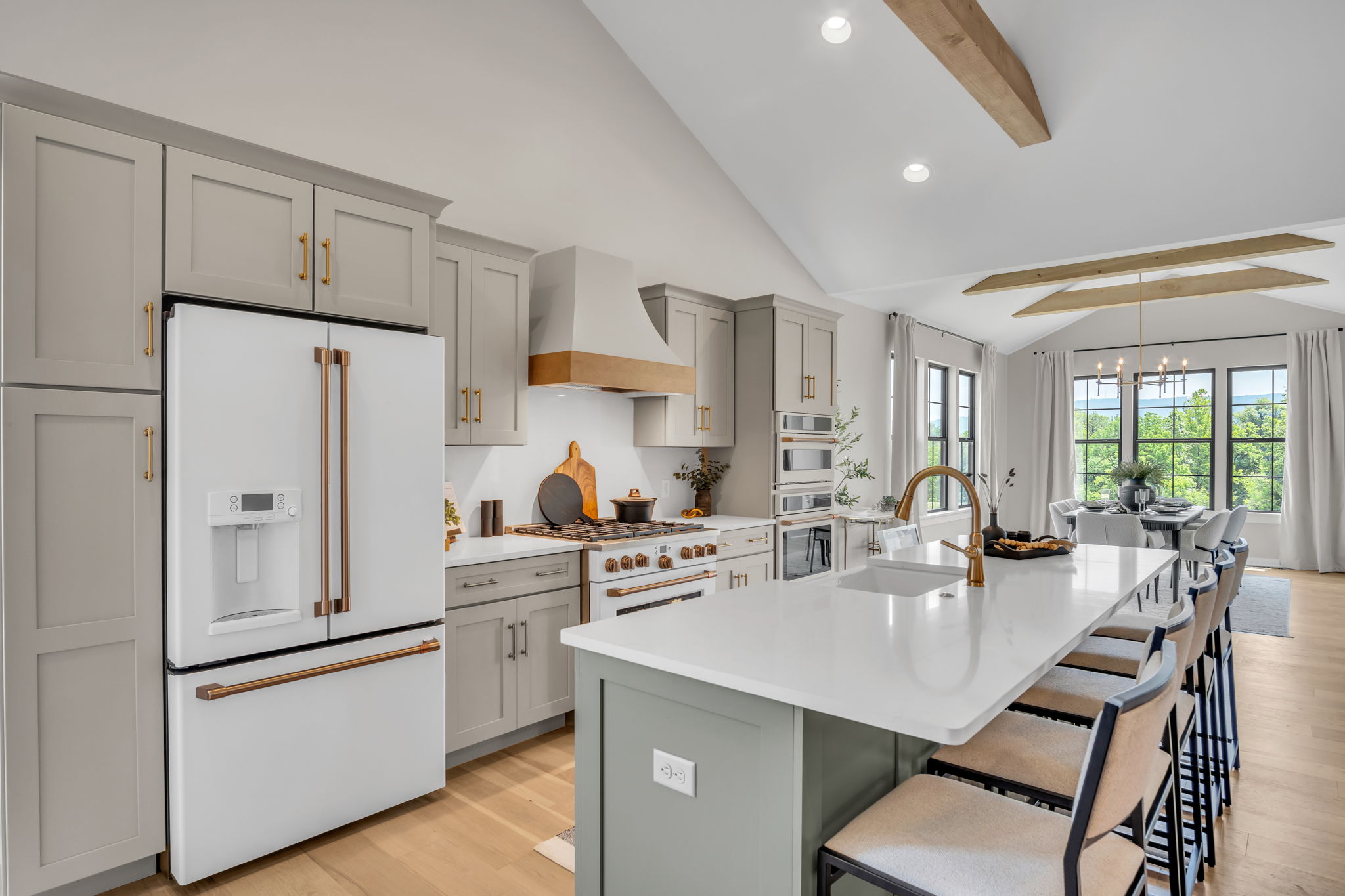
This catches buyers all the time. Appliances are typically covered by the manufacturer’s warranty, not the builder’s warranty.
That usually includes things like:
- Refrigerator
- Dishwasher
- Range
- Microwave
- Washer and dryer, if included
Keep your appliance manuals and registration information. You may need them sooner than you think.
Landscaping, hardscaping, and post-close modifications
Changes or additions made after settlement can affect warranty coverage. So can landscaping drainage changes, patio work, fence installation, deck additions, or homeowner renovations.
Exterior living improvements are great, but they can create responsibility that belongs to the homeowner or contractor who performed the work, not the original builder.
How to file a warranty claim
The exact submission process varies by builder, which is why buyers should always review their closing documents and customer care instructions. That said, the basic process usually follows the same pattern.
What you’ll typically need
Prepare:
- Your closing date
- Your property address
- A clear description of the issue
- Photos or short videos
- The date you first noticed the problem
- Notes about whether the issue is ongoing or intermittent
Be specific. “Bedroom window bad” is not useful. “Upstairs front bedroom window does not lock fully and catches at the top right corner when closing” is useful.
How claims are usually handled
Most builders and warranty administrators ask homeowners to submit warranty requests through an online portal, email system, or customer care form. After that, the issue is usually reviewed, categorized, and either assigned for inspection or routed to the appropriate trade partner.
Some items will need an in-person review first. Others can be scheduled directly once the documentation is clear enough.
Response timelines
Response time depends on the issue type.
Emergency concerns, such as active water intrusion, total loss of heat in certain conditions, or urgent electrical safety concerns, are usually handled faster than cosmetic punch items. Routine items may be grouped into service visits, especially around anniversary walkthroughs.
For Garman-specific response timelines, claim channels, and customer care procedures, we recommend confirming the latest process directly with the Garman warranty or customer care team before publication and before submitting a request. Builders often refine those systems over time.
Common builder warranty myths, debunked
Myth 1: The 10-year warranty covers anything for 10 years
It doesn’t. The 10-year tier usually covers structural defects only. Cosmetic repairs, finish issues, and most systems concerns do not fall into that bucket after their shorter coverage periods end.
Myth 2: I have to catch every issue in year 1
You do need to stay organized in year 1, especially for workmanship items. But not every issue belongs in year 1. Some system-related defects don’t show up until later, which is why the 2-year systems period matters.
Myth 3: The builder warranty covers appliances
Usually, no. Appliances are typically covered by the manufacturer’s own warranty, not the builder’s.
Your 11-month walkthrough playbook
If you do one thing before your first year ends, do this well.
The 11 month walkthrough is your chance to catch workmanship-related concerns after the home has had time to settle and go through seasonal changes. It’s practical, not technical.
What to check room by room
Use this checklist:
- Drywall cracks at corners, ceiling lines, stairwells, and over doors
- Nail pops
- Interior paint areas affected by settlement or repair needs
- Trim joints that opened up
- Caulking gaps at interior finish points
- Doors that stick, swing open on their own, or don’t latch
- Windows that are hard to open, close, or lock
- Cabinet doors and drawers that are misaligned
- Loose hardware
- Flooring transitions that shifted unexpectedly
- Visible finish defects tied to original installation
How to document it
- Walk the house in daylight
- Take wide and close-up photos
- Label each item by room
- Keep a single running list
- Submit the list before the workmanship period ends
If you want a better sense of how this differs from earlier quality checkpoints, our posts on the Pre-Drywall Walkthrough, What Is a Punch List?, and The 9 Stages of Building a New Home help show where warranty review fits into the full process.
Third-party warranty companies vs. builder-direct warranties
Not every builder handles warranty service the same way.
Some builders manage most post-close service directly through an in-house customer care team. Others use a third-party warranty company for certain coverage tiers, especially structural coverage.
Builder-direct warranty handling
With builder-direct support, the builder is often your first point of contact for covered concerns. That can feel more straightforward because you’re working with the company that built the home and knows the community, plans, and trade partners.
Third-party warranty administration
With third-party-backed coverage, especially on long-term structural protection, homeowners may need to submit claims through a separate warranty administrator. Those programs can provide formal claim review and defined structural standards, but the process can feel more procedural.
Neither model is automatically better in every case. What matters is understanding who handles what, and when.
How Garman handles warranty claims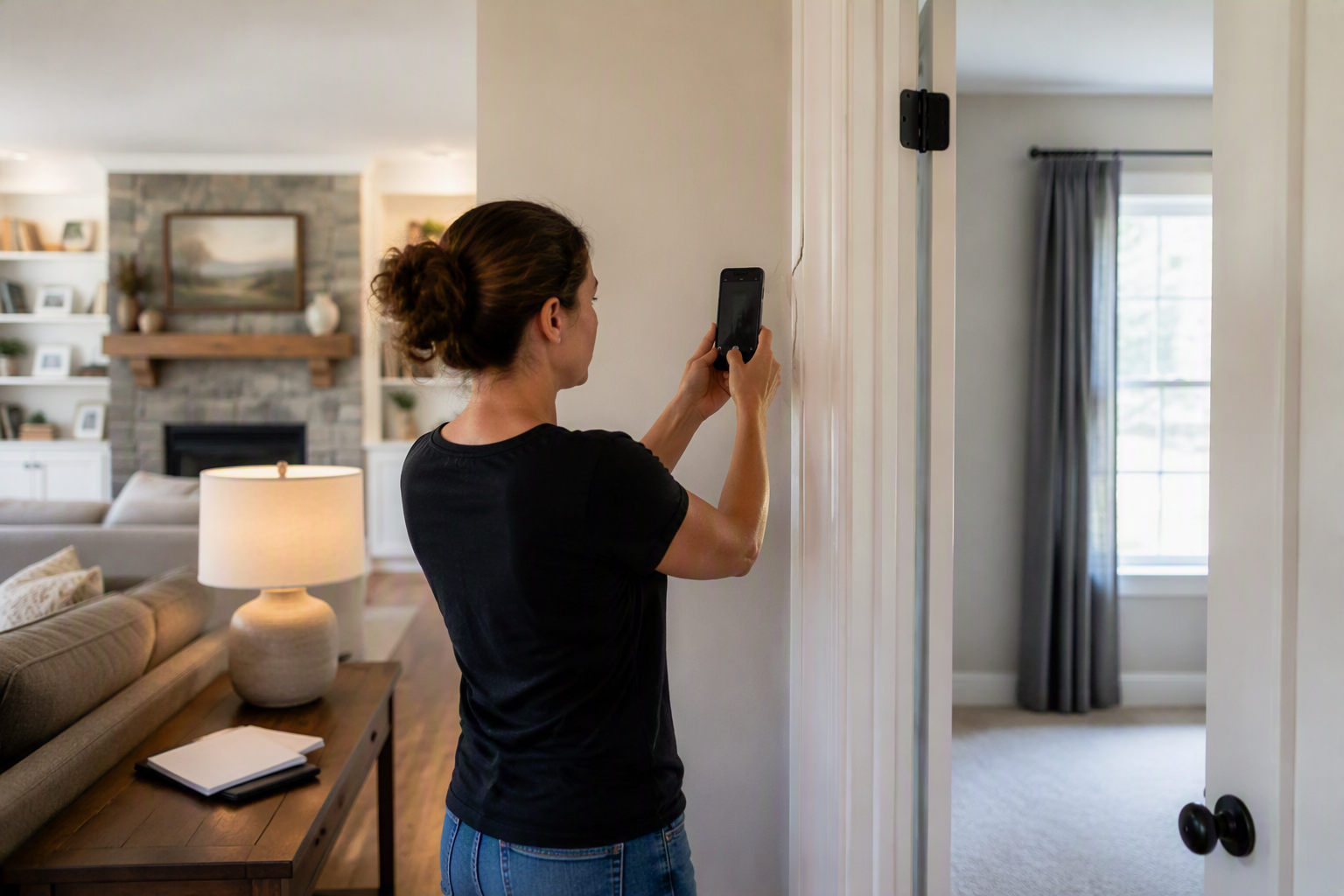
Garman’s broader customer care approach includes support beyond settlement, including follow-up touchpoints after closing. That matters, because warranty service works best when buyers know where to go, what to submit, and when to speak up.
For the builder-specific details in this section, including:
- Garman’s exact warranty tiers
- Whether coverage includes any builder-extended terms beyond common Pennsylvania standards
- Whether claims are submitted through an online portal, customer care contact, or third-party provider
- Expected scheduling and response procedures
- How 3-month and 1-year follow-ups are handled
those details should be verified directly with Garman’s warranty or customer care team before this article is published.
That step matters because minimum coverage standards and builder-specific extras can vary, and buyers need the real process, not a generic version.
Why this matters before and after closing
A good warranty experience starts before you ever file a claim.
Buyers who understand the process early tend to be better organized after settlement. They know the difference between a punch item and a warranty item. They keep better records. They flag concerns inside the right time window. And they’re less likely to panic over normal settling or assume that a true system problem is “probably nothing.”
That’s part of buying smarter. A better-built home should come with more confidence, not more confusion.
A clearer path to post-close confidence
A new home warranty in Pennsylvania usually follows a simple structure: 1 year for workmanship, 2 years for systems, and 10 years for structural coverage. The hard part isn’t memorizing the timeline. The hard part is knowing what belongs where.
That’s why the 11-month walkthrough matters so much. It helps you catch year-1 workmanship items before that window closes. From there, year 2 is about testing the systems you rely on every day, and years 3 through 10 are about understanding what truly counts as structural.
If you’re building with us, or comparing builders in South Central Pennsylvania, we’re happy to help you understand how the warranty process works, what to expect after settlement, and how The Garman EDGE supports confidence long after move-in. Explore our buying resources, read more on our blog, or contact us to learn more.
FAQ
What does a new home warranty cover in Pennsylvania?
A typical new home warranty in Pennsylvania covers three tiers: 1-year workmanship items, 2-year major systems, and 10-year structural defects. Exact terms vary by builder, so buyers should always review their own warranty documents.
What is covered under a 1 year new home warranty?
A 1-year new home warranty usually covers workmanship and material defects tied to original installation. That often includes drywall, paint, trim, cabinets, doors, windows, and similar finish items, but not homeowner damage or ordinary wear.
What is covered under a 10 year structural warranty?
A 10-year structural warranty usually covers qualifying defects in major load-bearing components such as the foundation, framing, and certain roof structure elements. It does not usually cover shingles, siding, cosmetic issues, or maintenance items.
Does a builder warranty cover appliances?
Usually not. Appliances are typically covered by the manufacturer’s warranty, not the builder’s warranty. Buyers should keep appliance manuals, model numbers, and registration details after closing.
What is an 11 month walkthrough?
An 11-month walkthrough is a review of your home near the end of the first warranty year. It helps homeowners document settling-related and workmanship-related issues before the 1-year coverage period expires.
When should I file a warranty claim on a new construction home?
File a warranty claim as soon as you notice a covered issue, especially for active leaks, safety concerns, or system failures. For routine workmanship items, many buyers keep a running list and submit it before the end of the first-year coverage period.
What is not covered by a new home warranty?
New home warranties do not usually cover homeowner negligence, misuse, normal wear and tear, weather damage, appliances, landscaping, hardscaping, or post-close modifications. Insurance or manufacturer warranties often apply instead.
Do all Pennsylvania builders offer the same warranty coverage?
No. The 1-year, 2-year, and 10-year structure is common, but specific terms, exclusions, submission methods, and extended builder protections vary. Always review the builder’s written warranty and customer care process.


 0
0