


Nest Notes
10 Lesser-Known Habits That Actually Keep Your Home Organized

January 16, 2026
Most homes do not become cluttered because people are careless or unmotivated. They become cluttered because the systems meant to support daily life slowly stop working. Schedules change, families grow, routines fall apart and suddenly the organization methods that once made sense no longer fit the way a home is being used.
What many homeowners discover over time is that staying organized is not about one big purge or a perfectly labeled storage room. It is about forming small habits that are repeated consistently, even on busy days. These habits quietly prevent clutter from accumulating and reduce the mental load associated with managing a home.
Well-designed homes, like those we build at Garman Builders, can make these routines easier by offering intentional layouts, functional storage and thoughtful flow. Still, habits are what keep a home organized long after move-in day. Below, we are sharing ten lesser-known home organization habits that go beyond common advice like buying more bins or decluttering every spring. These are realistic systems that work for real households and help organizations actually stick.
End the Day With a Five-Minute Reset

One of the most effective organizational habits is ending each day with a short reset. This does not mean deep cleaning or tackling every room. It simply means spending five minutes returning key areas of the home to a baseline state. That might include clearing kitchen counters, loading the dishwasher, disposing of trash or returning stray items to their designated places.
This habit works because it prevents clutter from accumulating. When small messes are left overnight, they often grow into bigger ones by the end of the week. A brief reset keeps surfaces usable and prevents that slow buildup that leads to overwhelming cleanups later. It reduces morning stress, limits decision fatigue and makes the home feel calmer from the start of the day. Consistency matters far more than perfection. Even a partial reset is enough to maintain momentum.
Designate One Weekly Reset Day
Daily habits are important, but weekly rhythms provide an extra layer of support. A designated reset day acts as a safety net for the home, catching anything that slipped through during the week. This habit focuses on high-traffic areas like the kitchen, entryway and living room rather than the entire house.
A weekly reset might involve catching up on laundry, checking the refrigerator, vacuuming main spaces, emptying trash and restoring order where it matters most. When this reset happens on the same day each week, it becomes predictable and more manageable to maintain. Knowing there is a built-in reset helps homeowners relax and prevents small messes from turning into full weekend cleaning marathons. It is a practical way to stay organized without constant effort.
Create a Real Drop Zone at the Door
Many clutter problems begin right at the front door. Shoes, bags, keys, mail and jackets tend to land wherever there is an open surface. Without a clear system, those items quickly spread throughout the home.
A functional drop zone provides a clear home for everyday items as soon as they enter the house. Hooks for bags, a tray for keys, space for shoes and a small basket for mail help contain incoming clutter to one area. This keeps kitchen counters and stairways clear, making daily routines smoother.
This habit is especially helpful for families and anyone juggling busy schedules. When leaving the house is easier, stress decreases. Over time, a reliable drop zone prevents clutter from migrating into other rooms and keeps the home feeling more intentional.
Handle Paper Once, Then Decide Immediately
Paper clutter often builds because decisions are delayed. Mail, school forms and documents are set aside with good intentions, but those piles quickly become visual noise. The one-touch habit solves this by requiring an immediate decision for every piece of paper that enters the home.
When paper arrives, it is recycled, shredded, scanned, filed or acted upon immediately. There is no holding pile, and no second pass is required later. This approach works because it removes decision avoidance and keeps surfaces clear.
In many homes, the kitchen becomes the command center for paperwork. When paper is handled once, islands and counters remain functional for cooking, gathering and everyday life.
Keep a Permanent Donation or Exit Box
Decluttering often fails because it feels like a big project. A permanent donation or exit box turns decluttering into a micro-habit instead. This box is typically located in a closet, laundry room, garage or even a car trunk and is always readily available.
When an item is no longer useful, it goes directly into the box. There is no waiting for a future cleanout. Once the box is full, it is dropped off or scheduled for pickup. This system prevents “maybe someday” items from lingering in storage. This habit works particularly well in homes with thoughtful storage, where it is easy to see when something no longer earns its space. It removes guilt, reduces clutter creep and keeps the home aligned with how it is actually being used.
Treat Storage Like a Budget, Not a Puzzle
A common organizational mistake is trying to fit everything by adding more containers. The container concept flips that approach. Each shelf, drawer or bin becomes a limit rather than a challenge to overcome.
When a space is full, the solution is editing, not expanding. This mindset reduces overwhelm because the decision is simply what stays, not how to store everything. It also leads to calmer rooms and faster cleanup. Treating storage like a budget helps homeowners feel more in control. It eliminates the cycle of buying new organizers while clutter continues to grow.
Give Every Room a Purpose
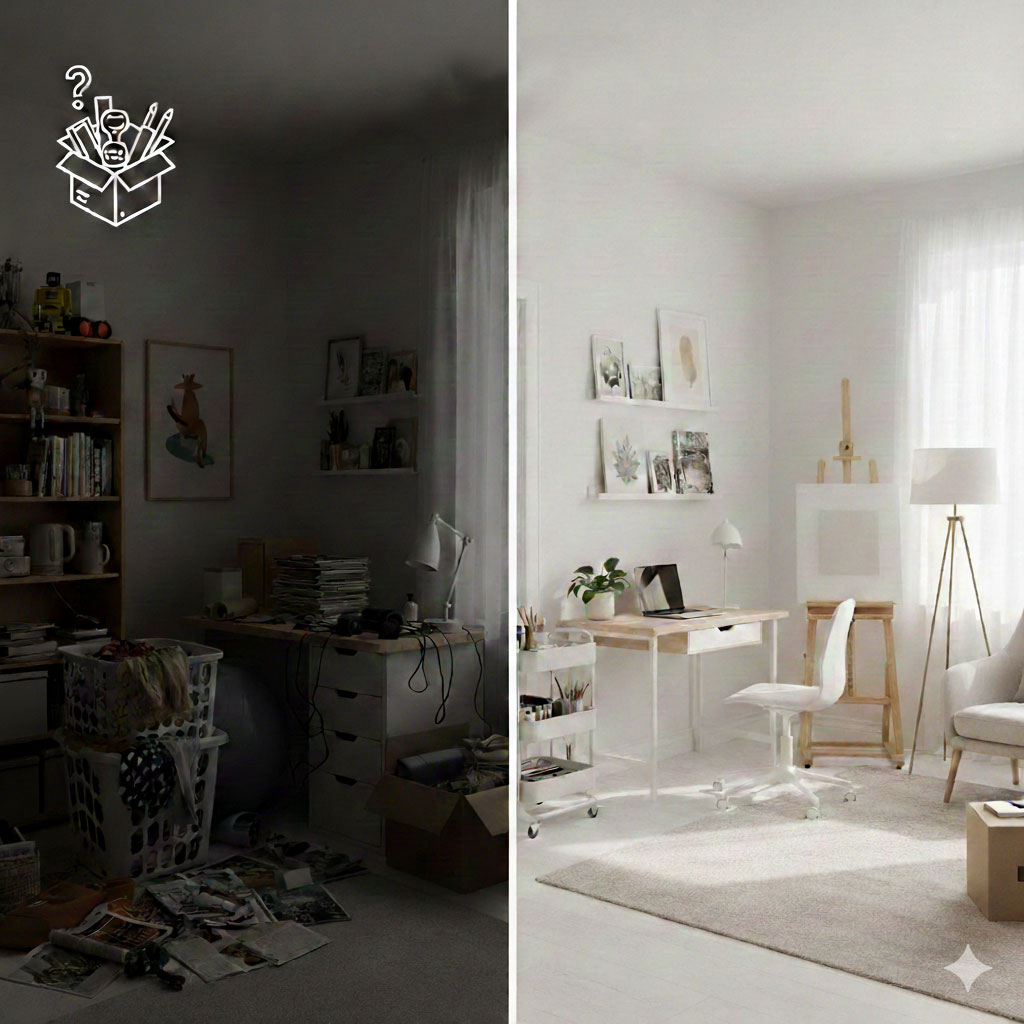
Rooms without a clear purpose tend to collect clutter. Items drift in because there is no guiding rule for what belongs. Assigning a specific job to each room creates clarity and supports better decisions.
When a room has a purpose, it becomes easier to identify what does not belong. If an item does not support the function of the space, it is relocated or removed. This is especially helpful for flex rooms and shared areas. This helps households adapt rooms as needs change without letting them become catch-all storage zones.
Lower the Effort Required to Put Things Away
Organizational systems fail when they require too much effort. When people are tired or rushed, even small obstacles can prevent items from being put away. A friction audit helps identify and remove those barriers.
If clutter continues to form in the same spots, the system likely needs adjustment. Adding hooks, moving storage closer to where items are used or simplifying categories can make a big difference.
When putting things away is easy, it happens more often, even on busy days.
Use Photos to Spot Hidden Clutter
Over time, people become clutter blind. What once felt messy begins to fade into the background. Taking photos of problem areas helps reset perspective and reveals issues that are easy to overlook.
Viewing a space through a photo creates distance and objectivity. It allows homeowners to see their home the way a guest might. This habit is beneficial for counters, desks, and home offices.
A monthly or seasonal photo check helps identify patterns and improve systems without judgment. It is a simple way to stay aware and proactive.
Make the Trash Can Your Secret Weapon
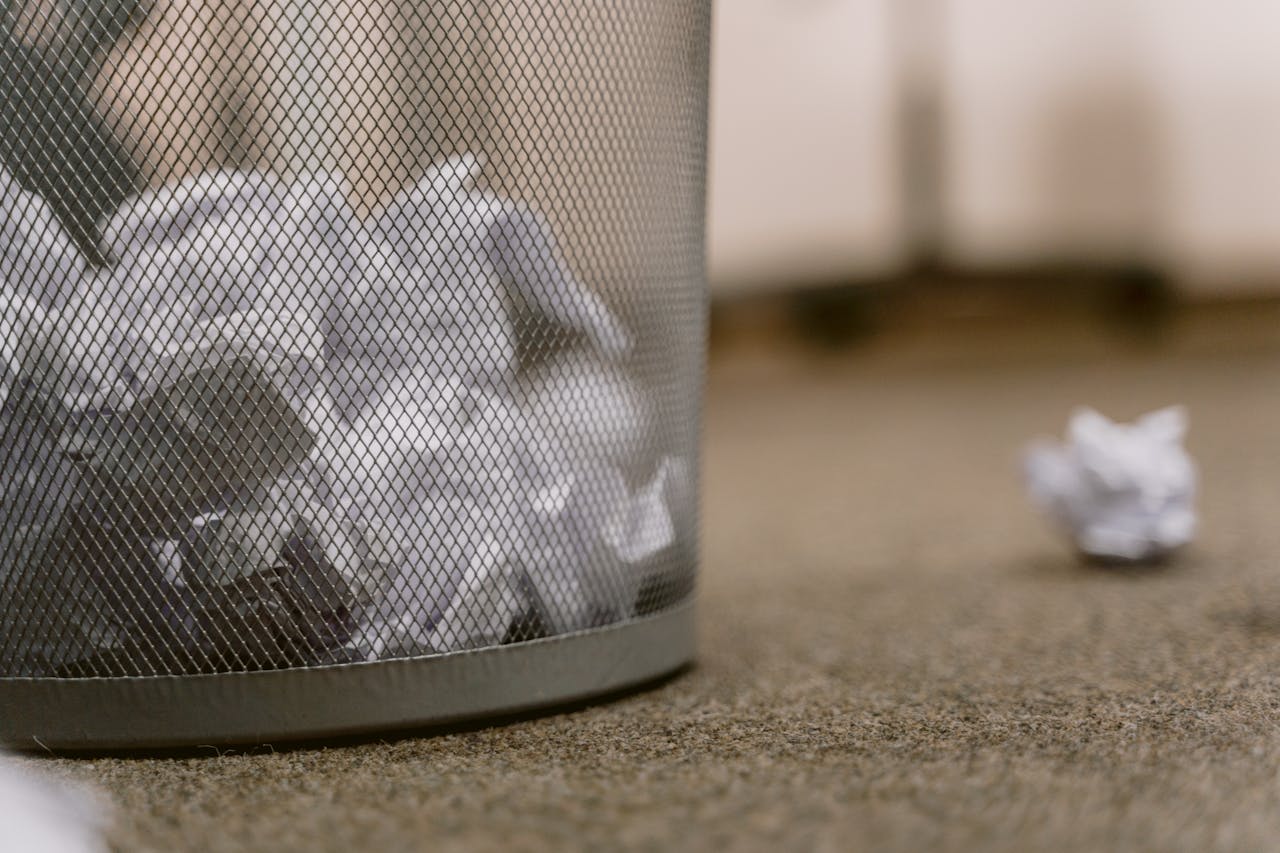
One of the easiest ways to reduce clutter is to make trash disposal effortless. Small trash or recycling bins in high-traffic rooms eliminate the temptation to leave items for later.
When trash is easy to toss, it does not accumulate on surfaces. Emptying these bins regularly prevents them from becoming their own problem and keeps rooms feeling lighter.
This may seem minor, but it has a noticeable impact on daily tidiness. It supports cleaner counters, nightstands and desks with minimal effort.
Building Organization That Lasts
Staying organized is not a one-time project. It is the result of habits that fit naturally into daily life. The most effective routines are simple, repeatable and realistic, not perfect or extreme.
Rather than trying all ten habits at once, we recommend starting with just one. Small changes create momentum and over time, those habits add up to a home that feels calmer, more functional and easier to maintain.
And if you’re dreaming of a home that supports easier routines from the start with smarter storage, better flow and layouts designed for real life Garman Builders is here to help. Explore our new home communities or contact our team to find a home that suits your lifestyle.


 0
0