


Nest Notes
Who Builds My New Construction Home? Understanding New Home Construction Team Roles

August 15, 2026
You will talk to several different during your build, and it helps to know who does what before the first phone call.
That sounds simple, but it solves a real problem. A lot of buyer stress has less to do with the home itself and more to do with not knowing who to call, what each person handles or why one question belongs with one team member and not another. If you are building for the first time, that confusion is normal.
At Garman Builders, your experience is shaped by a team, not just one person. Each role has a purpose. Each handoff matters. And when you understand the new home construction team roles from the beginning, the whole process feels more manageable.
If you want the full timeline, our guide to The 9 Stages of Building a New Home: A Phase-by-Phase Guide for Buyers walks through the process from contract to closing. This article focuses on the people inside those stages, who they are, when they step in and what they help with.
Key Takeaways
- You will work with several people during your homebuilding journey, and each one handles a specific part of the process.
- Your sales consultant is your first point of contact and helps with community selection, floor plans, general questions and timeline guidance.
- Your design consultant leads your Design Studio appointment and helps turn your style preferences into actual selections for your home.
- Your construction superintendent manages the build on site and becomes your main contact for construction-specific updates once the home is underway.
- Your loan officer or preferred lender handles financing, pre-qualification, rate locks and closing coordination alongside your build timeline.
- Your warranty or customer care representative steps in after closing to help with covered warranty items and scheduled follow-up visits.
- Buyers who know who to contact during a home build get answers faster and avoid unnecessary frustration.
Why There Are Multiple People Involved in a New Home Build
A new home is not one conversation. It is a series of decisions, milestones and moving parts that need different kinds of expertise.
That is why the answer to “who builds my new construction home?” is not just the builder. It is the builder’s team. Sales, design, construction, financing coordination and post-settlement care each require a different skill set. Putting one person in charge of everything would not make the process easier. It would slow it down and create more confusion.
A better way to build is a better-organized team. At Garman, that structure is there to give you more clarity, more control and more confidence.
The Sales Consultant: Your First Point of Contact
Your sales consultant is usually the first person you meet. This is the team member who helps you get oriented from day one.
They guide you through community options, homesite availability, floor plans, pricing conversations and the early steps of moving forward. If you are still deciding where to build, what kind of home fits your life or what the process looks like, this is the person helping you sort it out.
They also serve as your go-to for general questions, especially in the early part of the process. That matters more than people realize. Buyers often assume they need every answer immediately from every department. Most of the time, your sales consultant helps point you in the right direction and keeps the overall experience moving.
What the sales consultant typically helps with
- Community and homesite selection
- Floor plan guidance
- General pricing and available options
- Early timeline expectations
- Next steps from contract through pre-construction
- General questions about the process
If you want a closer look at that first interaction, read [What to Expect During Your First Visit With Garman Builders](this batch).
The Design Consultant: The Person Who Helps Personalize Your Home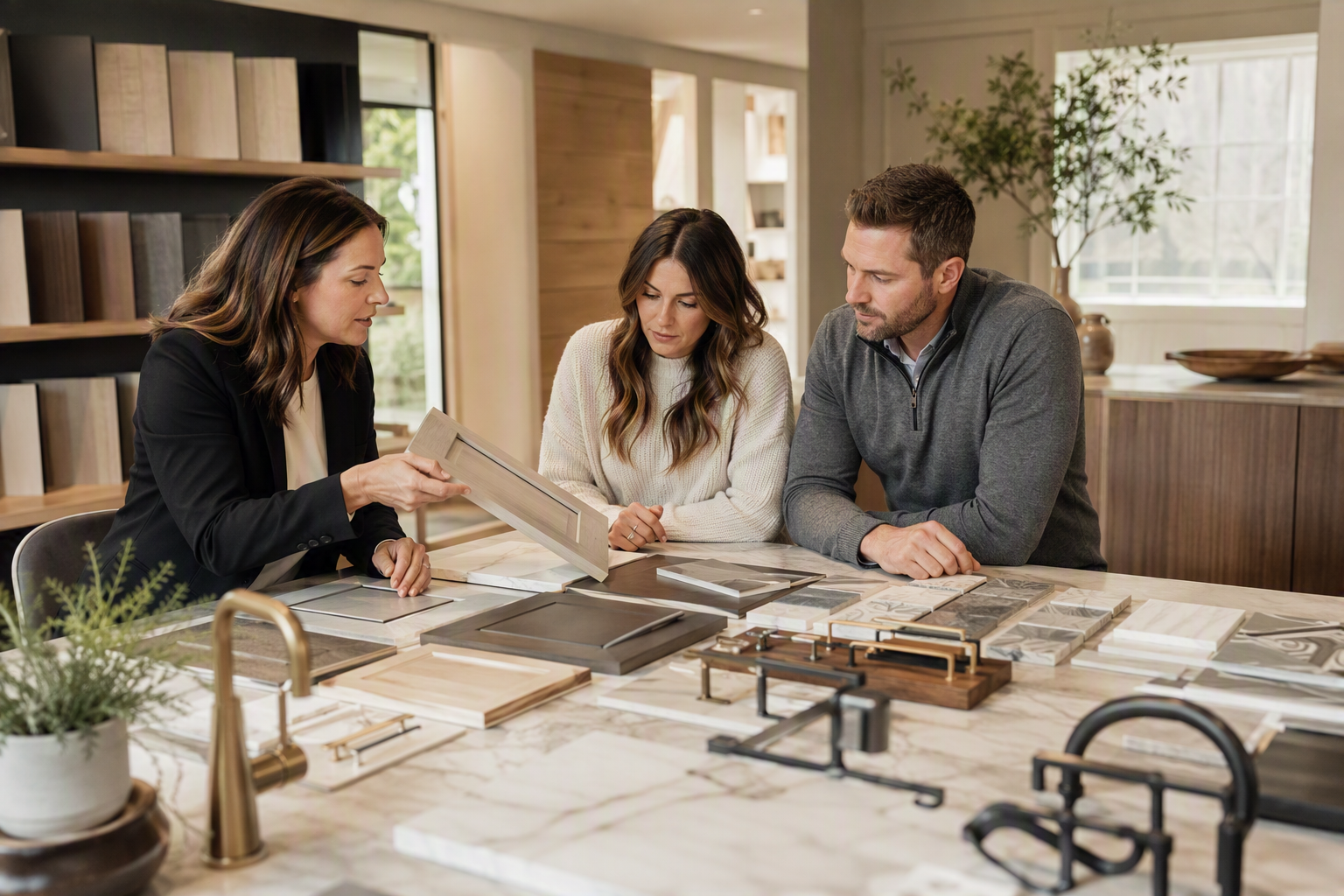
Once your home and contract are in place, your attention shifts from where you are building to how your home will look and feel inside. That is where the design consultant steps in.
This person leads your Design Studio appointment and helps you make selections that fit your home, your lifestyle and your budget. Their job is not just to show you materials. They help translate preferences into real choices, then explain how those choices work together.
That includes helping you understand standard features versus upgrades, where to invest, where to simplify and how your selections will carry through the finished home. For many buyers, this is one of the most exciting parts of the process. It can also get overwhelming fast if no one is guiding it well.
A good design consultant keeps it clear. You do not need to walk in knowing cabinet species, tile terminology or fixture finish trends. You need to know what you like, what matters most to you and how you want the home to live. They help with the rest.
What the design consultant typically helps with
- Preparing for your Design Studio appointment
- Explaining included features versus upgrade options
- Coordinating finishes, fixtures and materials
- Helping match selections to your style and priorities
- Keeping design decisions aligned with your budget
For a deeper look at this part of the process, see What to Expect at Your Design Studio Appointment.
The Construction Project Manager: The Person Managing the Home on Site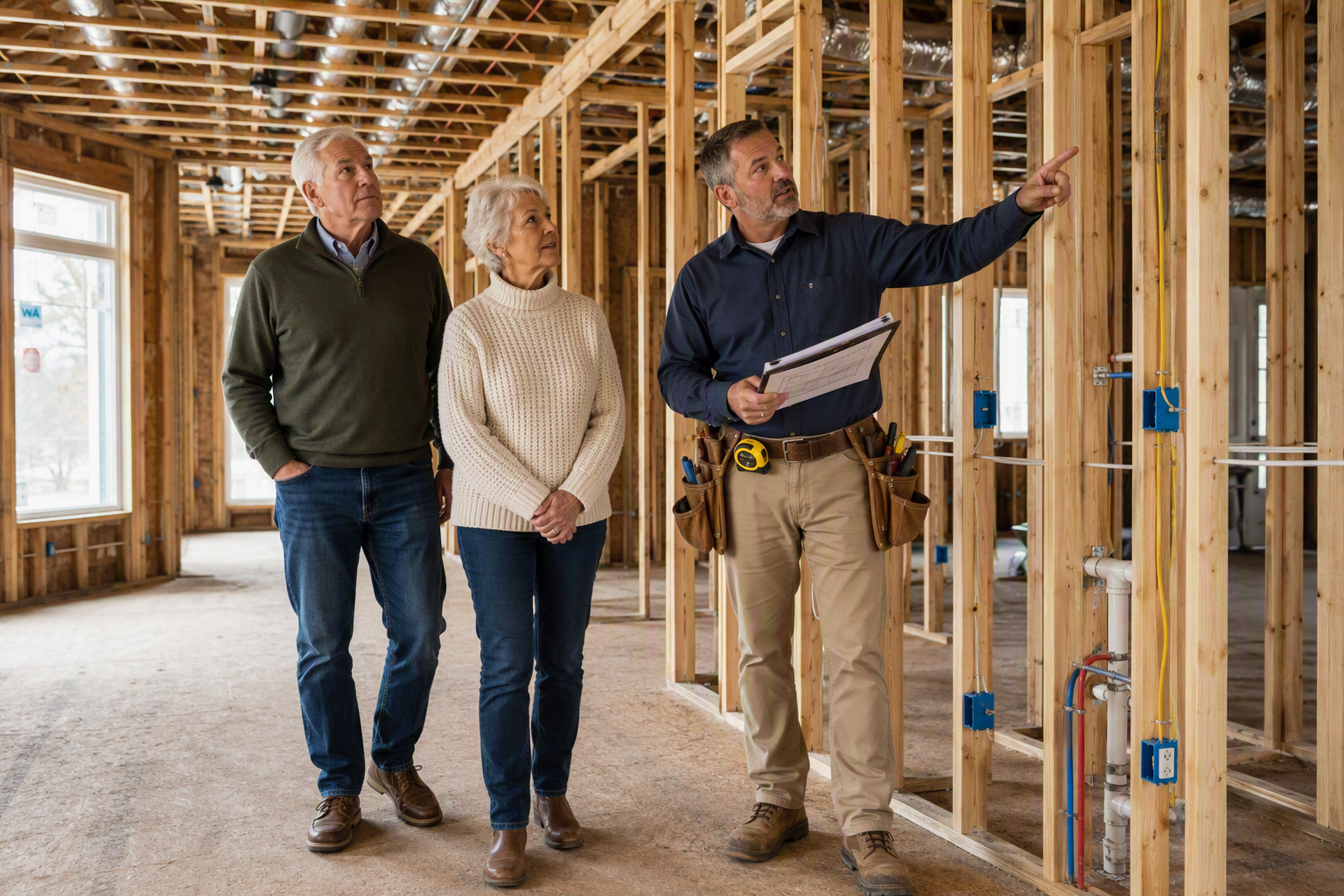
This is the role many buyers are most curious about, and often the least familiar with before they build.
The construction Manager manages the actual build on site. They oversee progress in the field, work with trade partners, monitor quality and help keep the home moving through construction milestones. Once the build begins, this is typically your point of contact for construction-specific questions.
If your question is about framing, scheduling of site work, what you are seeing during a walkthrough or the status of a construction phase, this is the right person to ask.
You will also meet this person at your pre-drywall walkthrough. That is an important milestone because it gives you a chance to see your home before the walls are closed up and to better understand how the house is coming together behind the finishes.
What the construction Manager role includes
- Managing on-site construction activity
- Coordinating trade partners and schedules
- Monitoring build progress and quality
- Answering construction-specific questions
- Leading or participating in key construction walkthroughs
If you want to better understand that milestone, read What to Look for at Your Pre-Drywall Walkthrough.
The Loan Officer or Preferred Lender: The Financing Side of the Process
Your loan officer is not part of the Garman team in the same way your sales consultant, design consultant or superintendent are, but they are still a critical part of the process.
This person handles financing, pre-qualification, loan application steps, documentation, rate locks and closing coordination. Their work runs alongside your homebuilding timeline, and strong communication between lender and builder matters.
This is one area where buyers can get tripped up. They assume the builder handles every money question directly. In reality, financing questions belong with the lender. Builder questions belong with the builder. The two work together, but they do different jobs.
What the loan officer or lender typically helps with
- Pre-qualification and financing review
- Monthly payment and loan program discussions
- Interest rate lock timing
- Required loan documentation
- Closing preparation and coordination
The Warranty or Customer Care Representative: Your Contact After Closing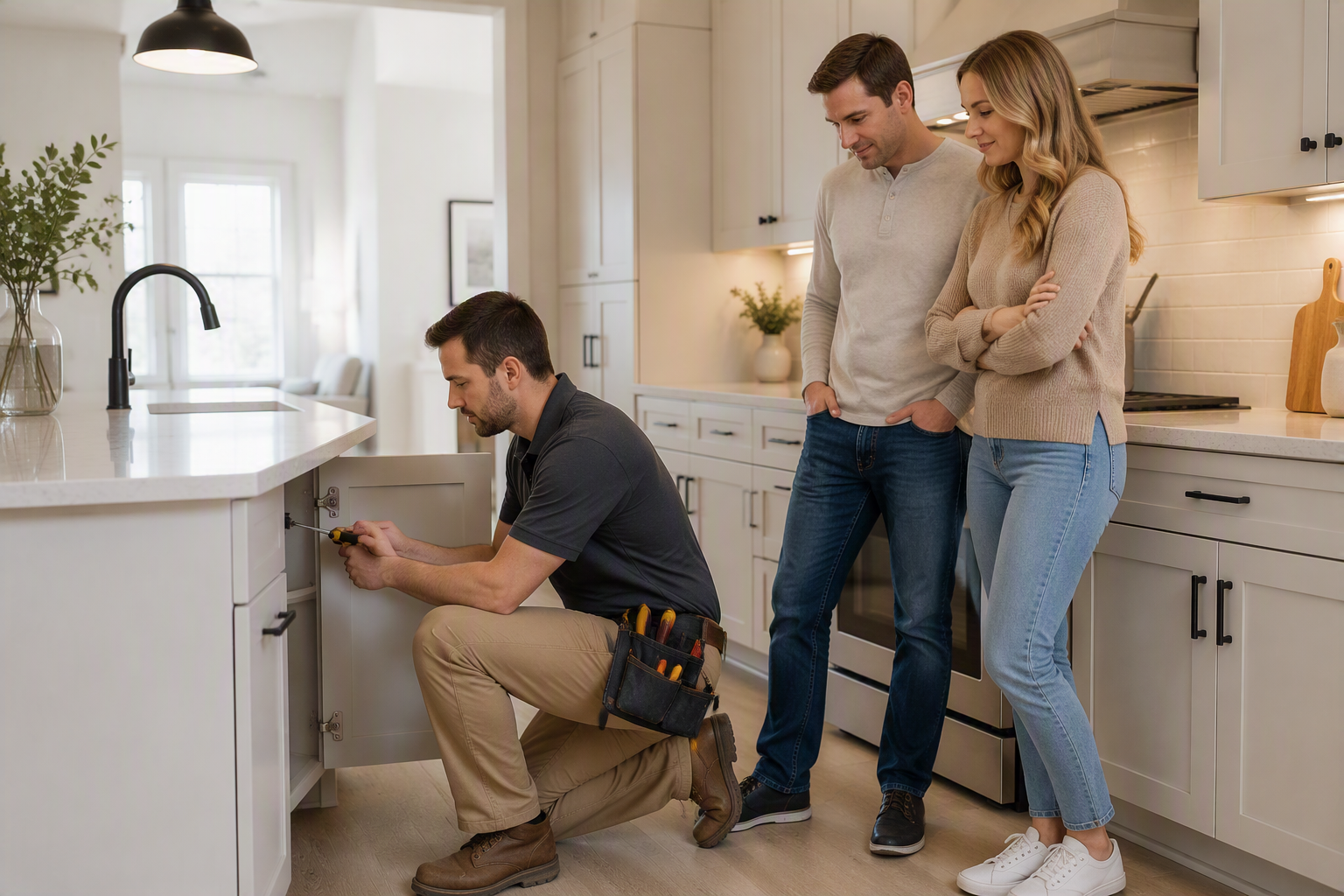
The relationship does not stop at settlement. After you close, your main point of contact changes again.
Your warranty or customer care representative helps with items covered under your new home warranty and guides you through post-closing service, including the 11-month walkthrough. This role matters because even a well-built home has a settling-in period. Materials adjust. Questions come up. Minor service items happen.
What buyers need most at this stage is clarity. What is covered, what is normal, what needs attention and who to tell. A strong customer care process gives homeowners confidence long after move-in day.
What the warranty or customer care representative typically helps with
- Post-closing service communication
- Warranty request procedures
- Covered warranty items
- Scheduled follow-up, including the 11-month walkthrough
- Guidance on what is normal homeowner maintenance versus warranty service
For more on that topic, see What’s Actually Covered by a New Home Warranty in Pennsylvania?.
Who to Contact During Your Home Build
If you want the quick version, here it is.
Budget and community questions
Contact your sales consultant.
Design selections and upgrade questions
Contact your design consultant.
Construction updates and site-specific questions
Contact your construction superintendent.
Financing, loan status and rate lock questions
Contact your loan officer or lender.
Post-close issues and warranty questions
Contact your warranty or customer care representative.
That simple breakdown saves buyers a lot of time. It also prevents the back-and-forth that happens when a question starts with the wrong person.
How These Roles Hand Off Throughout the Build
The handoffs should feel natural, not abrupt.
Early on, the sales consultant leads because you are still deciding where, when and what to build. Once the contract is in place and selections begin, the design consultant takes a more active role. As construction starts, the superintendent becomes more visible because your questions become more build-specific. The lender stays active throughout, especially at the front end and again as closing approaches. After settlement, customer care takes over.
That progression mirrors the build itself. The right person becomes the primary contact at the right time.
A simple stage-by-stage view
Exploration and contract phase
Sales consultant leads, lender begins pre-qualification and financing steps.
Design and pre-construction phase
Design consultant leads selections, sales consultant still helps with broader process questions.
Active construction phase
Construction superintendent becomes the main contact for build-related communication.
Closing phase
Lender and builder coordination becomes especially important as dates, documents and final details come together.
Post-settlement phase
Warranty or customer care representative becomes your point of contact for covered issues and follow-up care.
Our The 9 Stages of Building a New Home: A Phase-by-Phase Guide for Buyers shows where those handoffs happen across the full process.
Why Knowing This in Advance Reduces Frustration
Most buyer frustration is not caused by bad intent. It is caused by crossed wires.
A buyer asks a construction question to the lender. A financing question goes to the superintendent. A design question goes back to sales after selections are already underway. Then the answer gets delayed because it has to be rerouted.
That is frustrating for everyone, especially when you are already juggling deadlines, paperwork and a move.
Buyers who understand the team structure ask the right person the right question the first time. They get clearer answers. They spend less time waiting. And the whole process feels more organized because it is.
This is one of the quiet advantages of an experienced builder. Process matters, but so do people. Confidence from contract to closing comes from both.
What Good Communication Looks Like During a Build
Good communication is not constant noise. It is clear, timely and relevant.
You should know who your current point of contact is. You should understand when updates typically happen. You should know what kinds of questions belong with which team member. And if an answer needs to come from someone else, you should not be left guessing about that.
At Garman, strong communication should feel like this:
- You know who is leading your current stage
- Your questions are directed to the right person
- Expectations are explained before milestones happen
- Updates are tied to actual next steps
- Handoffs between team members are clear
That is what builds trust. Not flashy language. Not overpromising. Just steady communication and a team that knows its role.
What to Do If You Feel Out of the Loop
Say something early.
Most communication issues are easier to fix when they are addressed right away. If you are unsure who to contact, start with the person you last heard from or the team member currently leading your stage. If you are not getting clarity, ask directly: Who is my main contact for this part of the build?
That is a good question. Buyers should ask it.
You can also keep a simple running list of questions and sort them by category: design, financing, construction or post-close care. That makes calls and emails more productive, and it helps your team answer more efficiently.
The goal is not to make buyers figure everything out on their own. The goal is to make the process feel supported and understandable.
The Team Behind the Home Matters
A new home build can feel like a lot at first. There are decisions, deadlines and plenty of unfamiliar terms. But the process gets easier when you know the people behind it.
Your sales consultant, design consultant, construction superintendent, lender and customer care contact each play a different role in getting you home. Knowing who does what is one of the easiest ways to make the experience feel less overwhelming.
That is part of The Garman EDGE. Not just better-built, more efficient homes, but a better way to build and buy, with more value, more control and more confidence.
If you are getting ready to build and want a clearer picture of what the experience looks like, contact us or explore our homebuilding process. We are here to help you understand the path ahead and the team that will walk it with you.
FAQ
Who builds my new construction home?
Your new home is built by a team. At Garman Builders, that typically includes a sales consultant, design consultant, construction superintendent, lending partner and post-close customer care or warranty contact. Each person handles a different part of the process so you get more specialized support at every stage.
What does a construction superintendent do during a home build?
A construction superintendent manages the home on site during active construction. This role coordinates trade partners, tracks progress, monitors quality and answers construction-specific questions. You will usually meet this person during key walkthroughs, including the pre-drywall walkthrough.
What does a design consultant do in a new home build?
A design consultant guides your Design Studio appointment and helps you make selections for finishes, fixtures and materials. They explain standard versus upgrade options and help translate your style preferences into choices that fit your home and budget.
Who should I contact during my home build?
Contact your sales consultant for community, pricing and general process questions, your design consultant for selections, your construction superintendent for build updates, your lender for financing and your customer care or warranty contact for post-close issues.
Who handles financing when building a new home?
Your loan officer or preferred lender handles financing. That includes pre-qualification, loan approval steps, documentation, rate locks and closing coordination. They work closely with the builder’s timeline, but they are responsible for the financing side of the process.


 0
0