


Nest Notes
9 Stages of Building a Home, What Actually Happens at Each Step

July 21, 2026
You signed the contract. Now what?
That’s the point where a lot of buyers go from excited to slightly uneasy. You know a home is being built for you, but what actually happens between contract and move-in day can feel vague if no one lays it out clearly.
This guide breaks down the stages of building a new home in plain terms. We’ll walk through the 9 major new home construction stages, what gets built in each one, what buyers should know, when site visits usually make sense and what’s worth documenting along the way. We’ll also touch on how weather in South Central Pennsylvania can affect progress and how we keep buyers informed from contract to closing.
Just as important, we’ll explain how The Garman EDGE supports buyers through the process, including our Guaranteed Settlement promise. Building a home is a major commitment. You deserve confidence not only in how your home is built, but in when it will be ready.
If you want the pacing view, read our companion guide on how long it takes to build a new home in PA. That piece focuses on timing. This one focuses on what’s actually happening on your homesite.
Key Takeaways
- The homebuilding process follows 9 major stages, from site preparation through final walkthrough and closing.
- Some stages move quickly, others depend on inspections, weather and trade scheduling.
- The foundation and insulation stages matter more than most buyers realize because they affect durability, comfort and long-term performance.
- Framing and pre-drywall are two of the most important times for buyer site visits and photos.
- Weather in Central PA can affect excavation, concrete work, exterior progress and site access, especially in winter and early spring.
- Multiple trade partners work through the home in a specific sequence, and one delay can affect the next phase.
- Buyers help the process most by staying engaged, making selections on time and following site visit guidance.
- At Garman, communication and Guaranteed Settlement are part of The Garman EDGE, giving buyers more confidence from contract to closing.
What are the stages of building a new home?
The stages of building a new home are the major phases of construction that take a home from a prepared lot to a completed, move-in-ready house. In most production and semi-custom builds, those stages include site preparation, foundation, framing, exterior dry-in, mechanical rough-ins, insulation, drywall, interior finishes and final inspections with closing.
That sounds straightforward on paper. In real life, each stage includes its own inspections, trade coordination and weather variables. It also requires steady communication so buyers know what is happening and what comes next. That’s one reason The Garman EDGE matters. Better construction is only part of the experience. Confidence in the process matters too.
Stage 1: Site Preparation
Typical duration: About 1 to 2 weeks, depending on lot conditions and weather
This is where the homesite starts to become a jobsite.
Before the home itself goes up, the lot has to be prepared correctly. That usually includes clearing the site if needed, grading, confirming property lines and elevations, marking utilities and preparing the footprint for excavation and foundation work. On some homesites, this stage is simple. On others, slope, drainage or recent weather can slow things down.
The trade partners involved here usually include surveyors, excavation crews and site utility teams.
What buyers should know during site preparation
This stage can look messy before it looks productive. Dirt gets moved around. Stakes and markings appear. Equipment comes and goes. That does not mean something is wrong. It means the lot is being prepared for the structure that follows.
It’s also one of the stages most affected by weather in Central PA. Heavy rain can create muddy conditions that delay grading or make it impractical to move equipment safely.
What buyers should do
- Stay in touch with your builder contact
- Resist the urge to read too much into a muddy or quiet site
- Ask when excavation is expected to begin if you want to plan a visit
Site visit recommendation
A drive-by or scheduled visit can be helpful, but this usually is not the most exciting photo stage.
Photos worth taking
- The empty lot before work begins
- Survey stakes and site markings
- The first equipment on site
Stage 2: Foundation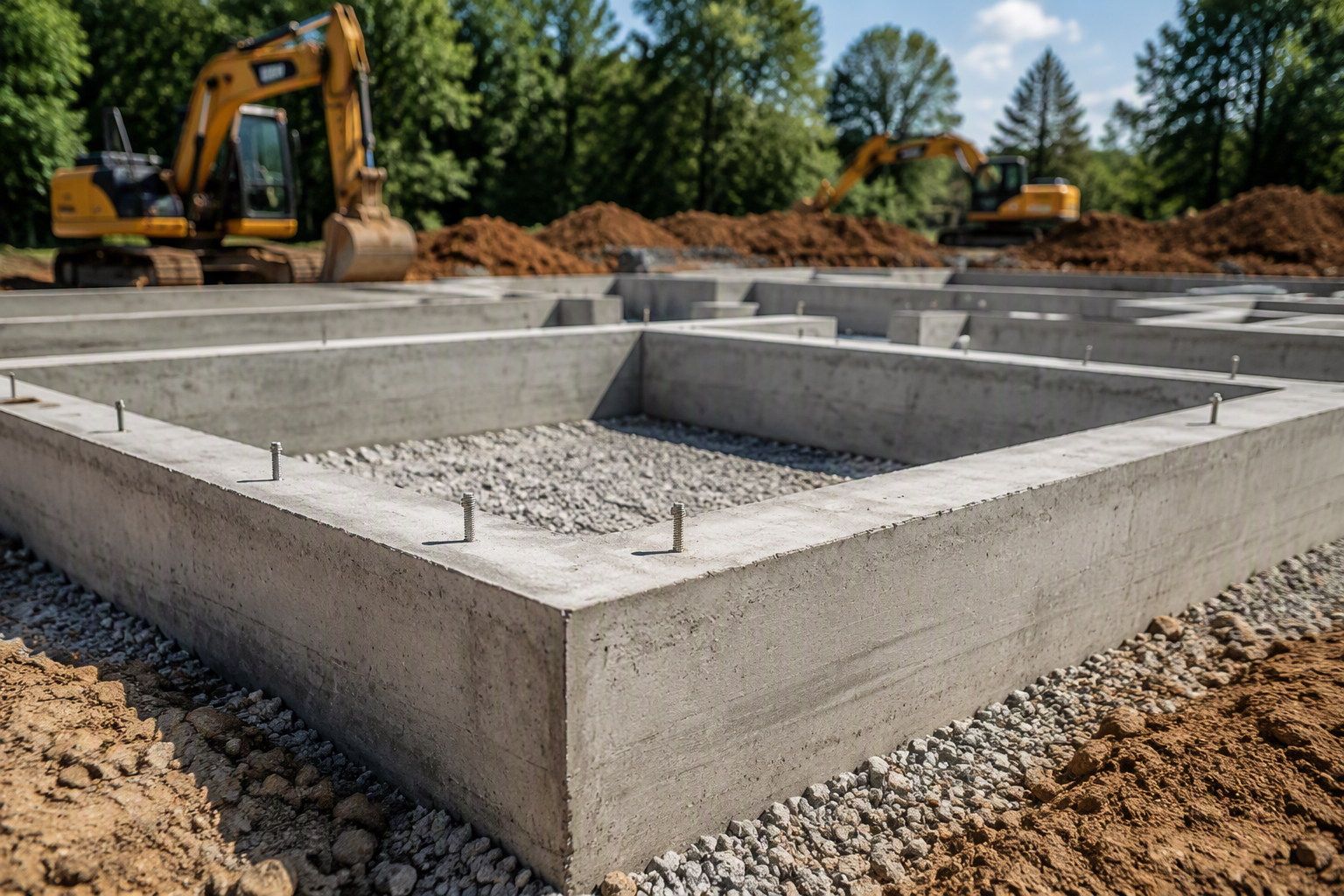
Typical duration: About 2 to 4 weeks, depending on home type, inspections and curing conditions
The foundation stage is one of the most important parts of the new construction process steps, and one of the least visible once the home is complete.
This usually includes excavation, footers, foundation walls or slab work, drainage details and waterproofing. Once complete, much of this work is covered and won’t be seen again, which is exactly why it matters. A well-built home starts here.
The trades involved typically include excavators, concrete crews, foundation specialists and waterproofing teams.
What buyers should know during the foundation stage
Concrete work depends heavily on conditions. Temperature, moisture and curing time all matter. In winter, work may move more slowly because crews need the right conditions for placement and curing. In wet spring conditions, excavation and footing schedules can shift.
This is also a stage where inspections happen before work moves forward. That can create short pauses that are normal and necessary.
What buyers should do
- Ask your builder when the foundation is complete if you want to understand progress
- Take this stage seriously even though it is not visually dramatic
- Avoid assuming a quiet site means no progress, inspections and cure times matter
Site visit recommendation
If permitted by your builder, this is worth seeing once. It helps you understand the footprint of the home before framing starts.
Photos worth taking
- Excavation for the basement or foundation footprint
- Footers before they’re covered
- Foundation walls going in
- Waterproofing before backfill
Stage 3: Framing
Typical duration: About 2 to 4 weeks
Framing is when buyers usually feel the biggest emotional shift. This is the moment the house stops feeling theoretical and starts feeling real.
Floors, walls and roof structure go up. Window and door openings become visible. Room sizes make sense. Hallways, ceiling heights and sightlines start to read the way they will in everyday life. For a lot of buyers, this is the first time the home actually looks like their home.
Framing crews handle the structure, and truss or lumber suppliers play a big role in keeping this phase moving.
What buyers should know during framing
This stage can move fast. A lot can happen in a few days if weather cooperates and materials are on site. It’s also a great reminder that homes are built in sequence. If a framing package is delayed or storms roll through, downstream trades get pushed too.
Wind, snow and prolonged rain can slow framing in Pennsylvania, especially during roof structure work.
What buyers should do
- Schedule a visit if your builder allows it, this is one of the best times to walk the home
- Bring your floor plan if you want to connect drawings to real spaces
- Ask questions about layout now, not after walls are closed up
Site visit recommendation
Highly recommended, builder approval. This is one of the best photo opportunities in the full home building phases process.
Photos worth taking
- Front elevation taking shape
- Views from key rooms
- Framed kitchen, great room and primary suite
- Family members standing in future spaces
Stage 4: Roofing and Exterior Sheathing
Typical duration: About 1 to 2 weeks
Once framing is up, the next goal is simple: get the home weather-tight.
This stage usually includes roof installation, exterior sheathing details, house wrap and early siding prep depending on the build sequence. Windows and exterior doors may also be part of the dry-in process. The objective is to protect the structure from weather so interior work can move forward in a controlled environment.
The trades here often include roofers, exterior crews, window installers and weather barrier teams.
What buyers should know during this stage
This phase is all about protection. It may not feel as exciting as finishes, but it matters because it sets up the home for the interior stages ahead.
Fall and winter weather in Central PA can affect this work. Roof installation needs safe conditions, and high winds can delay exterior materials handling.
What buyers should do
- Ask when the home is considered dried in or weather-tight
- Keep expectations flexible if wind or rain affects exterior progress
- Avoid unplanned jobsite visits during active roofing work
Site visit recommendation
A scheduled exterior visit makes sense. Interior access depends on builder policy and site safety.
Photos worth taking
- The roofline completed
- Exterior shape of the home
- Front porch or entry details
- Progress shots from the street as the home gets closed in
Stage 5: Mechanicals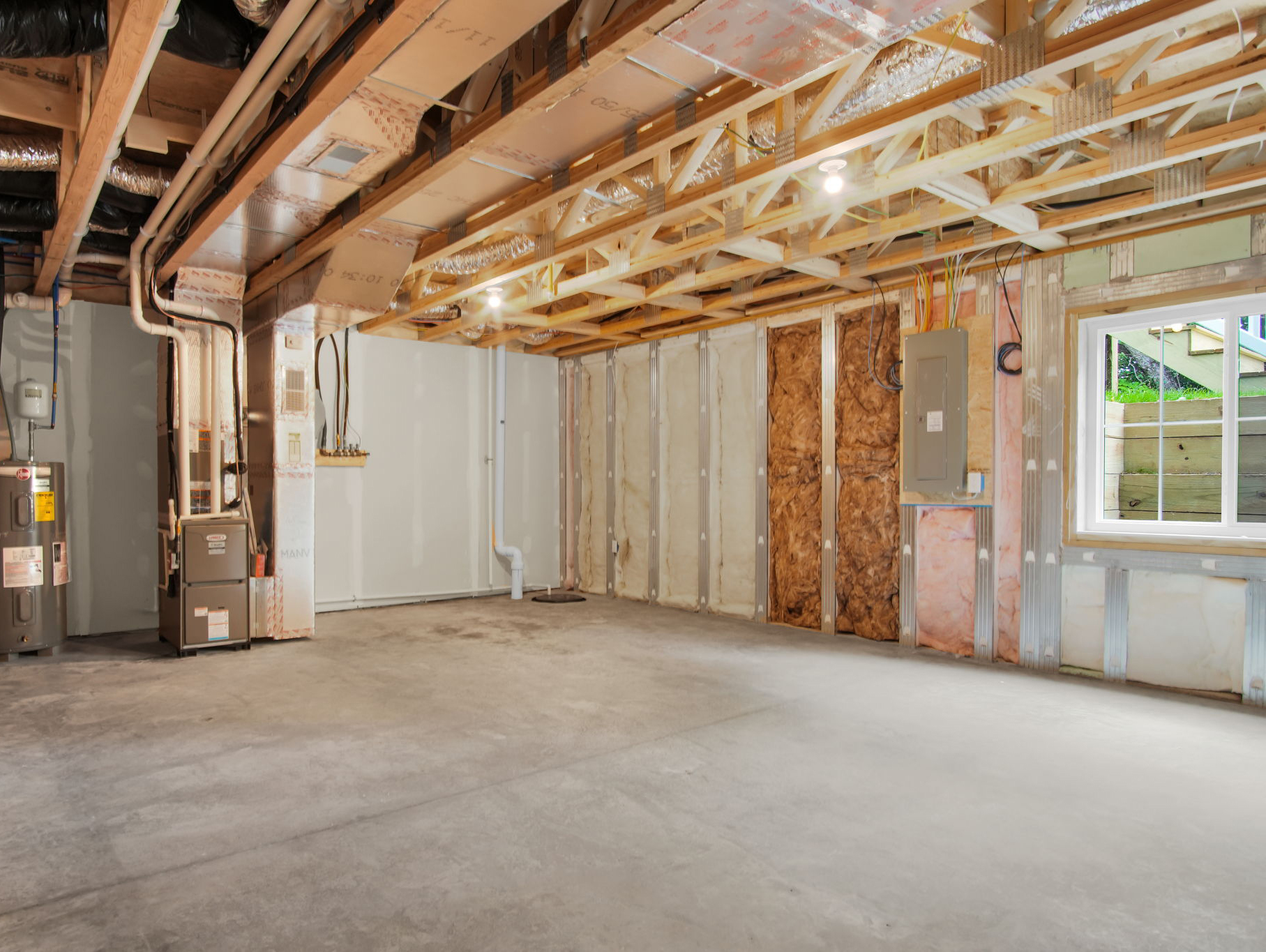
Typical duration: About 2 to 4 weeks
This is one of the most important phases of a new home build, even though it does not look polished.
Plumbing, electrical and HVAC rough-ins happen here. Pipes, wiring, ductwork, vents and system locations are installed before insulation and drywall cover everything. This is also the point when the home starts to show how it will actually function day to day, not just how it will look.
The main trades involved are plumbers, electricians and HVAC crews.
What buyers should know during the mechanical stage
This is often when the pre-drywall walkthrough happens. It’s one of the most valuable site visits in the entire process because you can see behind the walls before they’re closed up.
This is the time to understand outlet locations, switch placements, plumbing points, duct runs and major system areas, within the scope of your build and your builder’s walkthrough process.
What buyers should do
- Attend the pre-drywall walkthrough if offered
- Bring questions and your plans
- Focus on understanding, not making late design changes
- Follow your builder’s guidance on what can and cannot be adjusted at this point
Site visit recommendation
Strongly recommended. For many buyers, this is the most educational visit of the whole process.
Photos worth taking
- Mechanical systems before drywall
- Kitchen and bath plumbing locations
- Electrical panel and outlet placements
- Ductwork and utility areas
Stage 6: Insulation
Typical duration: About 1 week
Buyers often overlook this stage. They shouldn’t.
Insulation plays a major role in comfort, efficiency and long-term performance, especially in Pennsylvania where homes need to handle cold winters, humid summers and everything in between. This is where building science starts to translate into everyday life, steadier indoor temperatures, less wasted energy and a home that feels better to live in.
The trades involved include insulation installers and, depending on the build process, testing or quality-control teams tied to energy performance standards.
Why insulation matters so much
At Garman, efficiency is one of the core parts of The Garman EDGE. Our homes are HERS tested and proven to be 37% more efficient than the average home built today. Continuous insulation and better-performing wall systems are part of what helps create that result.
For buyers, that means the insulation stage is not just a box to check. It’s one of the reasons a better-built, more efficient home feels different after move-in.
What buyers should do
- Ask questions if you want to better understand energy efficiency features
- Use this point to connect behind-the-walls construction to long-term value
- Don’t wait until utility bills arrive to care about insulation
Site visit recommendation
This can be a useful visit if scheduled at the right moment, but timing matters because the window between rough-ins and drywall can be short.
Photos worth taking
- Exterior wall insulation before drywall
- Insulated ceiling or attic areas where visible
- Any builder-identified efficiency details worth documenting
Stage 7: Drywall and Interior Prep
Typical duration: About 2 to 3 weeks
This is the transformation stage.
Once drywall goes up, taped seams are finished and interior surfaces start to smooth out, the house changes fast. What felt open and rough during framing and mechanicals now starts to feel enclosed, quieter and much more like a finished interior.
The trades involved include drywall installers and finishers.
What buyers should know during drywall
This stage often feels dramatic because visual progress happens quickly. It also brings more dust, material movement and active trade work, so site access may be limited.
Humidity and temperature can affect drying and finishing times, especially in colder months.
What buyers should do
- Be patient with the appearance of unfinished drywall, it goes through messy phases before it looks clean
- Keep design documents handy so you’re ready for the finish stage ahead
- Follow your builder’s site access policy closely
Site visit recommendation
Usually less important than framing or pre-drywall, but it can still be satisfying to see the interior shape come together.
Photos worth taking
- Main living areas once walls are up
- Hallway sightlines
- Fireplace or feature wall areas
- The first time each room feels like an actual room
Stage 8: Interior Finishes
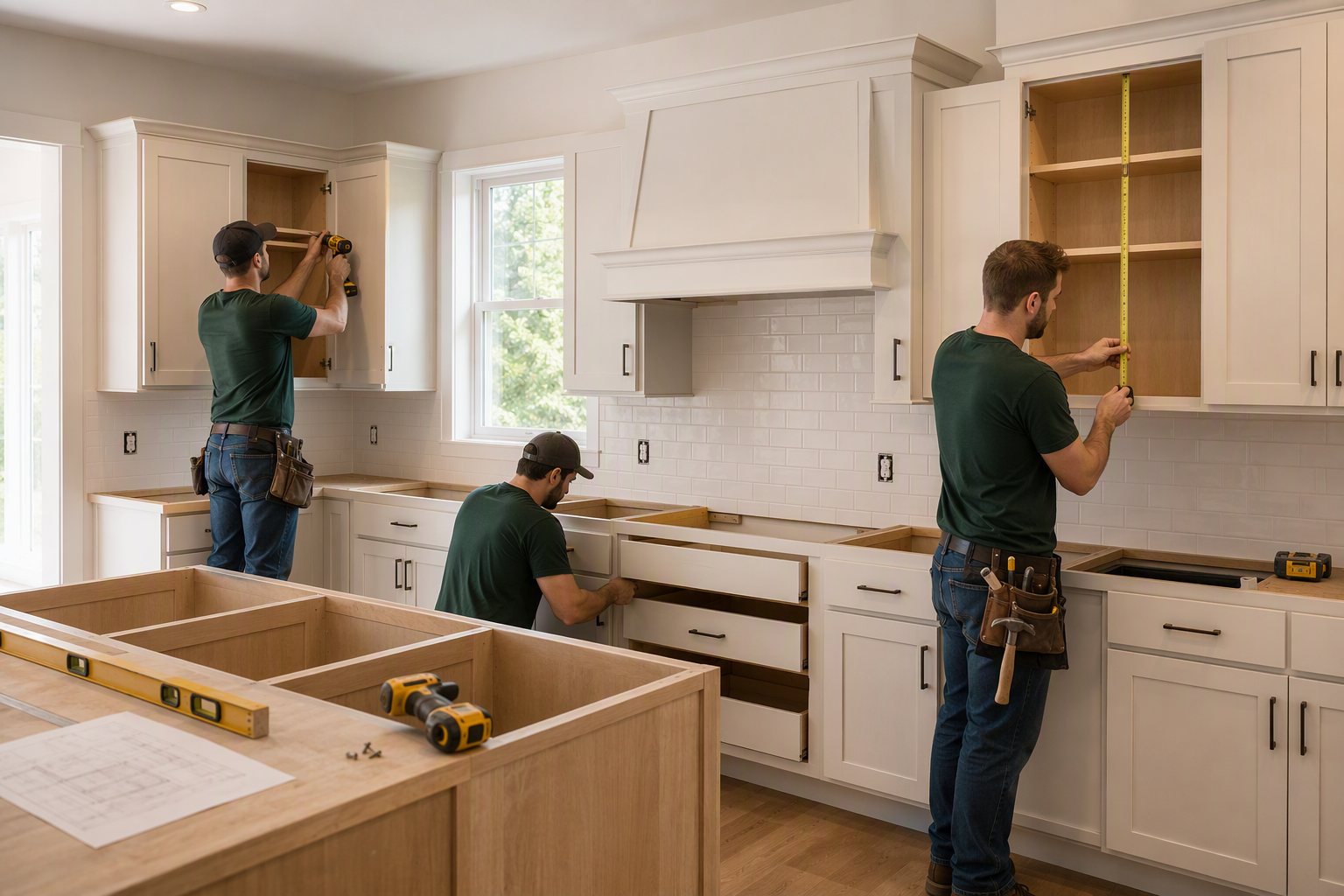 Typical duration: About 4 to 8 weeks, depending on selections, product lead times and home complexity
This is the stage buyers usually picture when they think about a new home taking shape.
Cabinets, countertops, flooring, paint, interior doors, trim, lighting, plumbing fixtures and hardware all start coming together. This is where selections made earlier in the process begin to show up in real space. The house starts to look less like a construction site and more like the home you’ve been imagining.
The trades involved can include painters, trim carpenters, cabinet installers, flooring crews, countertop installers and fixture installers.
What buyers should know during interior finishes
This stage involves a lot of people and a lot of sequencing. Cabinets may need to go in before countertops. Paint timing can affect trim work. Flooring and fixture installation need the home at the right level of readiness. Even when visible progress seems slower, there is usually a reason.
This is also where product availability can affect timing. If a selected material is delayed, it can push related finish work. That is exactly why reliable scheduling and clear communication matter so much to the buyer experience.
What buyers should do
- Make selections on time and confirm details when requested
- Avoid assuming visible completion means the home is almost done, there are still inspections and punch work ahead
- Stay responsive to communication from your builder
Site visit recommendation
A scheduled visit can be very rewarding here. Buyers start to see color, texture and personality take shape.
Photos worth taking
- Kitchen cabinetry and island
- Flooring transitions
- Primary bath finishes
- Trim details, lighting and fixture installs
- The first room that feels fully complete
Stage 9: Final Inspections, Punch List and Closing
Typical duration: About 1 to 3 weeks
This final stage brings everything together.
The home goes through final inspections, systems checks and detail review. Any punch list items are documented and addressed. The buyer walkthrough happens, questions get answered and the home is prepared for settlement and move-in day.
The trades involved at this point may include final cleaning teams, service technicians, construction supervisors and any trade partners needed for final touch-ups or corrections.
What buyers should know before closing
No home goes from active construction to perfect overnight. Final quality review matters. This stage is about making sure the home is complete, functional and ready.
It’s also where Guaranteed Settlement, part of The Garman EDGE, becomes especially meaningful. We deliver on time, every time, with a guaranteed closing date that helps buyers plan with confidence. If we fall short, we stand behind that promise and pay buyers for every day their settlement date is delayed. That kind of accountability matters when you’re coordinating movers, lease endings, school schedules and the details that depend on a reliable closing.
What buyers should do
- Attend your final walkthrough ready to learn and document
- Ask operating questions about systems, maintenance and warranty items
- Expect small touch-up items to be normal and manageable
- Keep your closing timeline organized with confidence in your guaranteed settlement date
Site visit recommendation
Essential. This is your chance to walk the completed home, understand key systems and prepare for move-in.
Photos worth taking
- Final walkthrough day
- Empty finished rooms before furniture
- Front door and exterior on closing day
- Family move-in photos
How weather affects new home construction stages in Central PA
Weather matters in every new home construction timeline phase, but not every stage is affected the same way.
Winter
Winter can slow excavation, concrete work, roofing and exterior progress. Frozen ground, snow and temperature-sensitive materials all matter. Interior stages often move more steadily once the home is weather-tight.
Spring
Spring brings good momentum, but rain can create muddy site conditions and delay grading, excavation and foundation work. It can also affect exterior scheduling if storms are frequent.
Summer
Summer usually supports strong exterior and framing progress, though heavy rain and heat can still affect pace and site conditions.
Fall
Fall is often one of the most consistent seasons for exterior work in Pennsylvania, but shorter daylight hours and late-season rain can still affect scheduling.
The bigger point is this: weather doesn’t automatically mean major delay. But it does affect sequence, safety and quality standards. Good builders adjust without rushing the wrong work. And strong scheduling discipline helps protect the closing timeline as much as possible, which is one reason Guaranteed Settlement matters to buyers who need more certainty.
Who’s working on your home behind the scenes?
One reason the what happens during home construction question feels hard to answer is that so many teams are involved.
Across the full process, your home may involve:
- Surveyors
- Excavation crews
- Concrete and foundation teams
- Framers
- Roofers and exterior crews
- Plumbers
- Electricians
- HVAC installers
- Insulation teams
- Drywall crews
- Painters
- Trim carpenters
- Flooring installers
- Cabinet and countertop teams
- Fixture installers
- Construction supervisors
- Inspectors and punch list support
A home build is not one crew showing up every day until it’s done. It’s a sequence of specialists, each stepping in at the right stage. That’s why communication and coordination matter so much. It’s also why predictable scheduling is valuable. Buyers are not just waiting on construction. They’re planning a move, managing finances and coordinating real life around a promised settlement date.
How we keep buyers informed during the new home construction stages
A better way to build includes a better way to communicate.
Buyers should not feel like they have to guess what stage their home is in or whether silence means something is wrong. Clear communication builds confidence. It also helps buyers know when decisions are needed, when site visits make sense and what to expect next.
At Garman, that means keeping the buyer experience grounded in care, communication and follow-through. Site visits and updates should align with construction progress and safety requirements, especially during active trade work. The exact cadence and site visit policy can vary by community and build stage, so buyers should always follow the guidance of their Garman team.
That communication matters all the way through closing. Our Guaranteed Settlement promise is not just a line item. It reflects respect for the buyer’s time and the importance of delivering when we say we will. Confidence from contract to closing is a real part of The Garman EDGE.
If you are building with us now, your best source for stage-specific expectations is your builder and customer care team. They can help you understand what has happened, what comes next and when a visit is appropriate.
A better-built home takes shape one stage at a time
When buyers understand the new home construction stages, the process feels a lot less mysterious. You can see why some weeks look busy, why others are quieter and why the work behind the walls matters as much as the finishes you picked in the Design Studio.
That’s also where trust gets built. Not with vague promises, but with clear communication, solid craftsmanship and a process that respects your time and your investment. The Garman EDGE brings that together through efficiency, design and building science, excellence and Guaranteed Settlement that gives buyers more confidence in the final step.
If you’re comparing builders or just starting your search, explore our available homes, floor plans and resources at GarmanBuilders.com. And if you want a pacing overview too, read our companion post on how long it takes to build a new home in PA.
FAQ: Stages of Building a New Home
How long do the stages of building a new home usually take?
Most stages take anywhere from about 1 to 8 weeks depending on the phase, weather, trade scheduling, inspections and home complexity. Finish work usually takes longer than buyers expect because many trades are involved and sequencing matters.
What is the most important stage of new home construction?
Every stage matters, but foundation, framing, mechanicals and insulation have an outsized impact because they affect structure, function, comfort and long-term performance. These are the parts of the home you rely on every day, even if you rarely see them.
When should buyers visit the jobsite during construction?
The most valuable times are usually framing, pre-drywall and final walkthrough. Those visits help buyers understand layout, see behind-the-walls systems and prepare for move-in. Always follow your builder’s site visit and safety policy.
Does weather delay every phase of the homebuilding process?
No. Weather mainly affects exterior stages like site prep, foundation framing and roofing. Once the home is weather-tight, interior work often becomes more predictable, though temperature and humidity can still affect materials like drywall and paint.
What happens at the pre-drywall walkthrough?
The pre-drywall walkthrough usually happens after plumbing, electrical and HVAC rough-ins are installed but before insulation and drywall cover the walls. It gives buyers a chance to see system locations, ask questions and better understand how the home functions.
Why is the insulation stage such a big deal?
Insulation affects comfort, energy use and long-term performance. In Pennsylvania, homes need to handle both winter cold and summer humidity, so insulation and building envelope details play a major role in how the home feels and performs.
What is Guaranteed Settlement and why does it matter?
Guaranteed Settlement is part of The Garman EDGE. It means we provide a guaranteed closing date so buyers can plan their move with more confidence. If we miss that date, we stand behind the promise and pay buyers for every day settlement is delayed.
Is the home basically done once cabinets and flooring go in?
Not yet. Interior finishes are a major milestone, but final inspections, systems checks, punch list work and walkthroughs still need to happen before closing. A home is not truly ready until those last details are completed well.


 0
0