


Nest Notes
Buying a House as a Single Person: A Single Home Buyer Guide
November 7, 2026
Buying a House as a Single Person: A Single Home Buyer Guide
You do not need a partner to buy a home. That used to be the assumption baked into most homebuying advice, but the numbers tell a different story. In the National Association of REALTORS® 2025 Profile of Home Buyers and Sellers, single women made up 21% of all buyers and 25% of first-time buyers. Single men made up 9% of all buyers. That is nearly a third of the market walking into closing on one income and one signature.
If you are in your 20s or 30s and done renting, this guide is for you. We will cover how to budget on a single income, why townhomes and duplexes tend to be a smart fit, the loan options and programs that can help, and how to plan for a life that may look different five years from now than it does today.
Key Takeaways
- Single buyers accounted for 21% of all home purchases and 25% of first-time purchases among women, and 9% of all purchases among men, according to NAR's 2025 Profile.
- On one income, your monthly payment should leave room for savings, not just cover the mortgage.
- Cash reserves matter more for single buyers since there is no second income to lean on if something breaks or work slows down.
- About a third of single first-time buyers lived with friends or family before buying, a common strategy for building savings faster.
- Townhomes and duplexes often offer a lower price point, less exterior upkeep, and enough space to grow into.
- Low down payment loans, first-time buyer programs through the Pennsylvania Housing Finance Agency, and builder incentives can all help a single income stretch further.
- A spare room and strong resale appeal protect you if your life changes, whether that means a roommate, a partner, or a growing family.
- Community features like well-lit streets, nearby neighbors, and low-maintenance exteriors matter more when you are the only one coming home at night.
Budgeting on One Income
When two incomes back a mortgage, there is a built-in cushion. One job slows down, the other one covers the gap. Buying on your own means that cushion does not exist, so the plan has to build it in a different way.
Set your monthly payment at a number that still lets you save every month, not a number that uses every dollar you make. Lenders will often approve you for more than you should actually spend. The qualifying number and the comfortable number are rarely the same thing, and the difference matters more without a second paycheck behind you.
Cash reserves are not optional here. A furnace repair, a slow month at work, or an unexpected expense will not wait for a convenient time. Most financial advisors suggest three to six months of expenses set aside before you buy, and for a single buyer, that reserve is doing a job a second income would otherwise do.
Saving Strategies for a Single First-Time Buyer
Getting to a down payment on one income takes a different kind of planning, and the data shows that most single first-time buyers find a way. According to NAR's 2025 Profile, about a third of single first-time buyers lived with friends or family before buying.
That is not a failure to launch. It is a savings strategy, and it works. Cutting your largest monthly expense, even temporarily, speeds up the timeline to a down payment in a way that trimming smaller costs never will. If that is not an option, look at where your money actually goes each month and decide which costs you are willing to pause for a year or two to get to closing faster.
Why Townhomes and Duplexes Often Fit a Single Buyer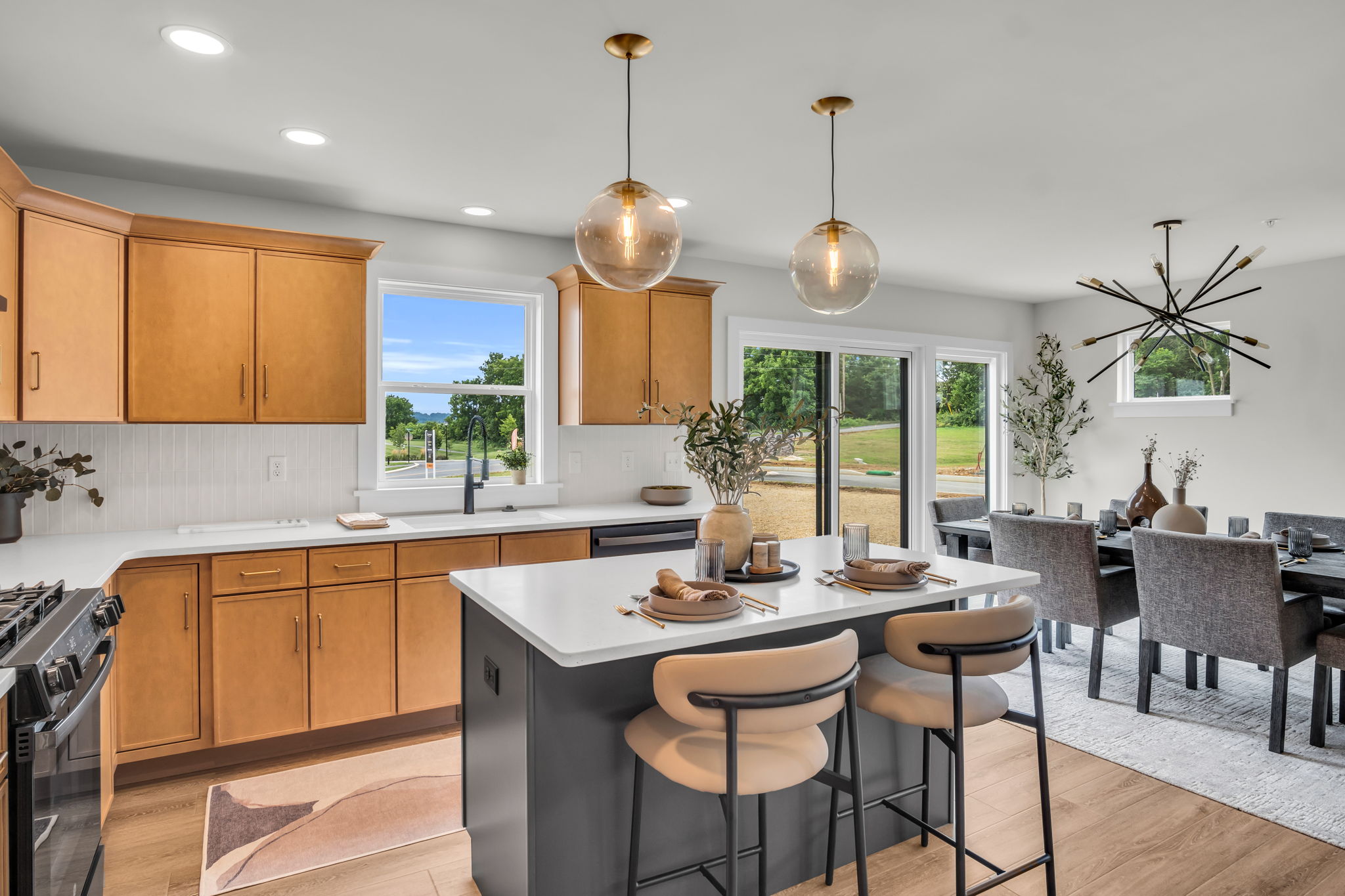
A single-family home with a full yard and a long list of exterior maintenance is not always the right starting point, and it does not need to be. A townhome or duplex often hits the mark for a townhome for single buyer in a way a larger home does not.
The price point is typically lower, which means a smaller mortgage and a more manageable monthly payment. The upkeep is lighter too. Less lawn, less exterior to maintain, and in some communities, HOA-covered landscaping and snow removal that takes the task off your plate entirely. You still get a real home with room to grow into, just without carrying maintenance obligations that make sense for two incomes but stretch one.
Loan Options and Help for One Income
A lower down payment loan can make a meaningful difference when you are buying without a second income to pool savings with. FHA loans, for example, allow down payments as low as 3.5%, which keeps more of your reserves intact for the months after closing.
Pennsylvania buyers also have access to first-time buyer programs in pa through the Pennsylvania Housing Finance Agency, which offers resources aimed at helping buyers move forward with more manageable upfront costs. We also offer builder incentives and flexible programs designed to help one income go further, without asking you to compromise on the home itself. Talk with your lender and with us early. The right combination of loan type, program, and incentive is different for every buyer, and figuring it out before you shop saves time once you find the home.
Test Your Budget Before You Shop
Before you start touring homes, run your numbers. Our Buying Power Calculator shows what your income actually supports, based on real figures instead of a guess. It takes a few minutes, and it gives you a number to shop with instead of a number to hope for.
Planning for Life Changes
The home that fits you today should still make sense in five years, even if you cannot predict exactly what those five years hold. A spare room costs little to build in now and gives you options later, whether that means a roommate to help with the mortgage, a partner moving in, or a home office that becomes something else entirely.
Resale value matters just as much. Life changes, jobs move, relationships start, and a home that holds its value gives you room to make a different decision later without losing ground. A well-built home in a desirable location is the kind of flexibility that protects you either way.
What Matters When You Live Alone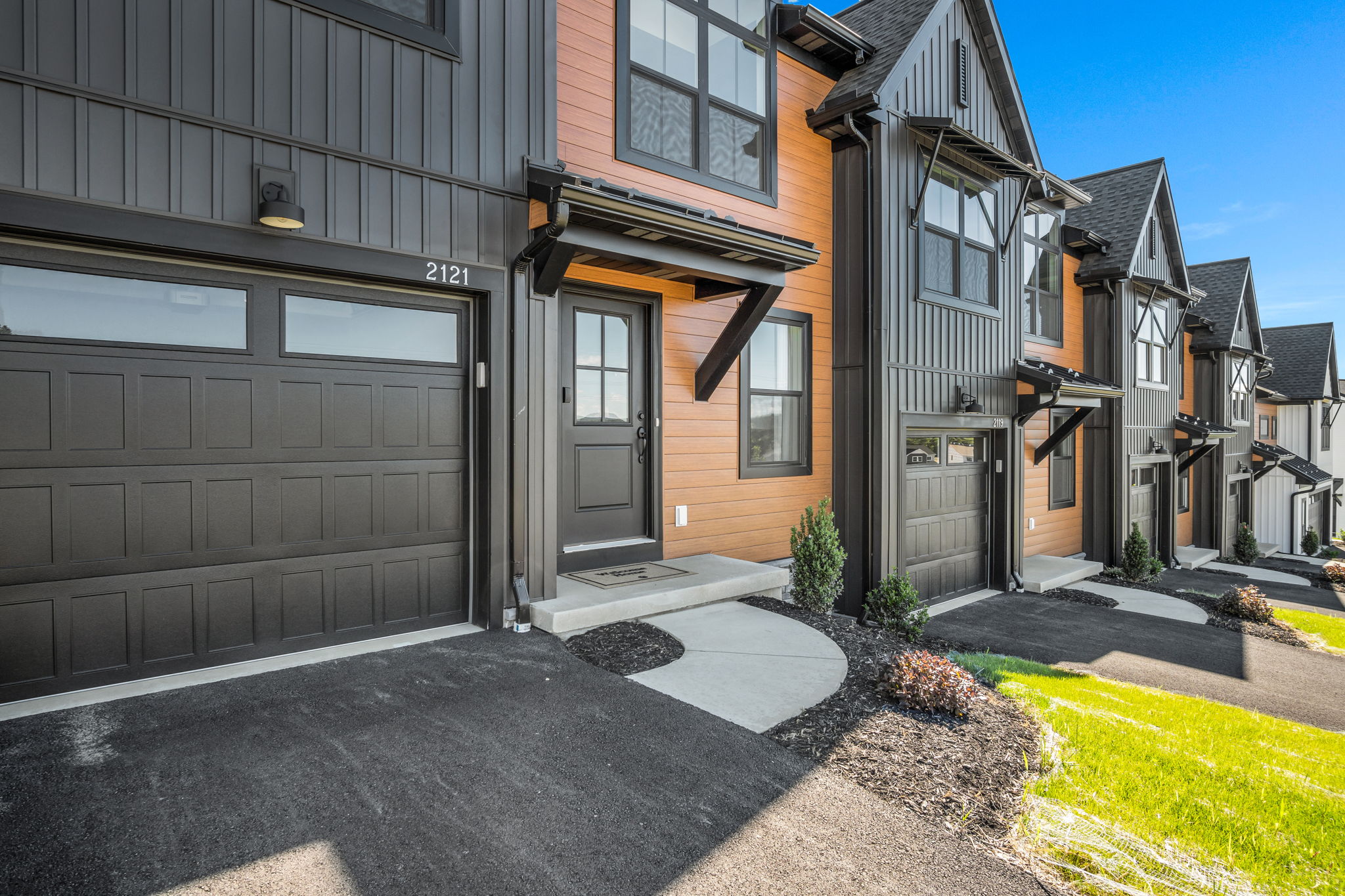
Buying alone changes what you look for in a community, not just in a floor plan. Well-lit streets, neighbors close enough to notice if something is wrong, and exteriors that do not demand weekend after weekend of upkeep all carry more weight when you are the only one responsible for the home.
These are not small details. They are part of what makes a home feel comfortable to come back to at the end of a long day, especially when there is no one else sharing that responsibility with you.
A Plan Built Around You
Buying on your own is a bigger step than buying with a partner, if only because every decision runs through you. The right plan, built around your income, your timeline, and your life, makes that step a confident one instead of a stressful one.
We have helped single buyers across South Central Pennsylvania find a home that fits their budget, their lifestyle, and their plans for what comes next. If you are ready to see what your income supports, contact us or explore our current communities to get started.
FAQ
Can I qualify for a mortgage on one income?
Yes. Lenders evaluate your individual income, debt, and credit profile regardless of marital status. The key is setting a target payment that leaves room for savings and reserves, not just the maximum amount a lender approves.
Is it smarter to buy a townhome or a single-family home as a single buyer?
A townhome or duplex often fits better for a single buyer because of the lower price point and reduced exterior maintenance, though the right choice depends on your budget, lifestyle, and long-term plans.
What down payment do I need to buy a house on one income?
Down payment requirements vary by loan type. FHA loans allow as little as 3.5% down, and first-time buyer programs through the Pennsylvania Housing Finance Agency may offer additional assistance for qualifying buyers.
How much should I save before buying a home alone?
Beyond your down payment, aim to have three to six months of expenses set aside in reserves. Without a second income to fall back on, this cushion covers unexpected repairs or income changes after closing.
Should I buy a home with a spare room even if I live alone?
A spare room adds flexibility for a future roommate, partner, or changing needs, and it can also support resale value down the road.
Latest Posts
November 7, 2026
How to Choose a Moving Company You Can Trust
November 7, 2026
Local Taxes When Moving to Pennsylvania: Earned Income Tax, Local Services Tax and How to Find Your Rate
November 6, 2026
Moving From New Jersey to Pennsylvania: What South Central PA Offers That a Longer Search in NJ Doesn't
November 6, 2026
How to Choose a Homesite: Corner Lot vs Cul-de-Sac and Every Other Option
November 6, 2026
Buying a House with a Partner You're Not Married To: What to Settle Before You Make an Offer
November 6, 2026
Rate Locks and New Construction: What Happens When Your Build Takes Longer Than Your Lock
November 6, 2026
Morgan's Crossing: New Construction Townhomes in Carlisle, PA
November 6, 2026
What Is Title Insurance? A Plain-Language Guide for New Home Buyers
November 6, 2026
HOA Documents to Review Before Buying a New Construction Home
Next Article

 0