


Nest Notes
New Home Maintenance vs Old Home: Why New Construction Needs Less Maintenance

August 15, 2026
A 30-year-old resale home and a brand new Garman home are not just different in age. They are different in how much of your time and money they will quietly ask for every year.
That difference matters more than a lot of buyers expect. When people compare new construction to resale, the first thing they usually look at is purchase price. Fair enough. But the maintenance burden starts the day you move in, and it keeps showing up long after closing.
If you're weighing a new home against an older resale at a similar price point, this is one of the most practical comparisons you can make. Here's why new construction needs less maintenance, what deferred maintenance really means in an older home, and how to think about upkeep over the next 5 to 10 years.
Key Takeaways
- A new home starts with brand-new major systems, materials and mechanicals, which reduces early repair and replacement pressure.
- Older resale homes often come with unknown maintenance history, aging infrastructure and a higher chance of surprise repairs.
- Modern building materials, insulation standards and current building codes help newer homes perform better and put less strain on major systems.
- Deferred maintenance is common in older homes, especially those that have changed hands multiple times.
- Over the first 5 to 10 years, new homes usually cost less to maintain in major categories like roofing, HVAC and water heating.
- Some upkeep costs stay the same regardless of age, including landscaping, seasonal maintenance and normal cosmetic wear.
- A new home warranty adds another layer of confidence, but the real advantage starts with the home itself being newer, better-built and earlier in its service life.
New Home Maintenance vs Old Home Starts With System Age
The simplest answer to new home maintenance vs old home is this: older systems need more attention.
In a new home, your HVAC system starts at year zero. So does your water heater. So do your major appliances, sump pump, roofing materials, windows and other core components. That doesn't mean nothing will ever need service. It means you're not inheriting years of wear, unknown usage or spotty maintenance records.
In an older resale home, those questions show up fast. How old is the furnace, really? Was the water heater serviced properly? Has the sump pump ever been replaced? Was the roof installed well, or just replaced cheaply before listing?
Those aren't small questions. They're the kinds of things that turn a "good deal" into a steady stream of weekend projects, service calls and unexpected invoices.
HVAC systems start fresh in a new home
A new HVAC system begins its service life with the home. That's one of the clearest new construction maintenance benefits buyers get.
In an older home, even if the HVAC system is still functioning, it may already be halfway through its usable life. And if the home has had multiple owners, you may never get a full picture of filter changes, annual service or past repairs. A system can look fine during a showing and still become your first big expense.
A new HVAC system also benefits from being installed for the home as it exists now, not for a house that has been altered over time with additions, air sealing changes or duct modifications that may or may not have been done well.
Water heaters, sump pumps and mechanicals have runway ahead
The same logic applies to water heaters, sump pumps and other mechanical systems. In new construction, these components start with their full expected service life ahead of them.
That's a major difference from resale. In older homes, these are often the quiet problem areas. They work, until they don't. And when they fail, it usually isn't convenient.
A new home reduces the chance that you're moving in only to spend the first two years replacing one mechanical after another.
Roofing has its full lifespan ahead of it
Roof age matters because roof replacement is expensive, disruptive and easy to underestimate.
In a new home, the roof is newly installed to current standards with its full expected lifespan remaining. In an older resale home, roof age can vary widely. Maybe it was replaced 5 years ago. Maybe 15. Maybe part of it was repaired and part wasn't. Maybe it passed inspection, but is still nearing the end of its practical life.
Why New Construction Needs Less Maintenance: Materials and Codes Have Improved
When we talk about why new construction needs less maintenance, age is only part of it. Materials have improved. Building practices have improved. Codes have improved too.
A home built today is different from one built 20 or 30 years ago, not just because everything is newer, but because the standards are different.
Modern exterior materials generally perform better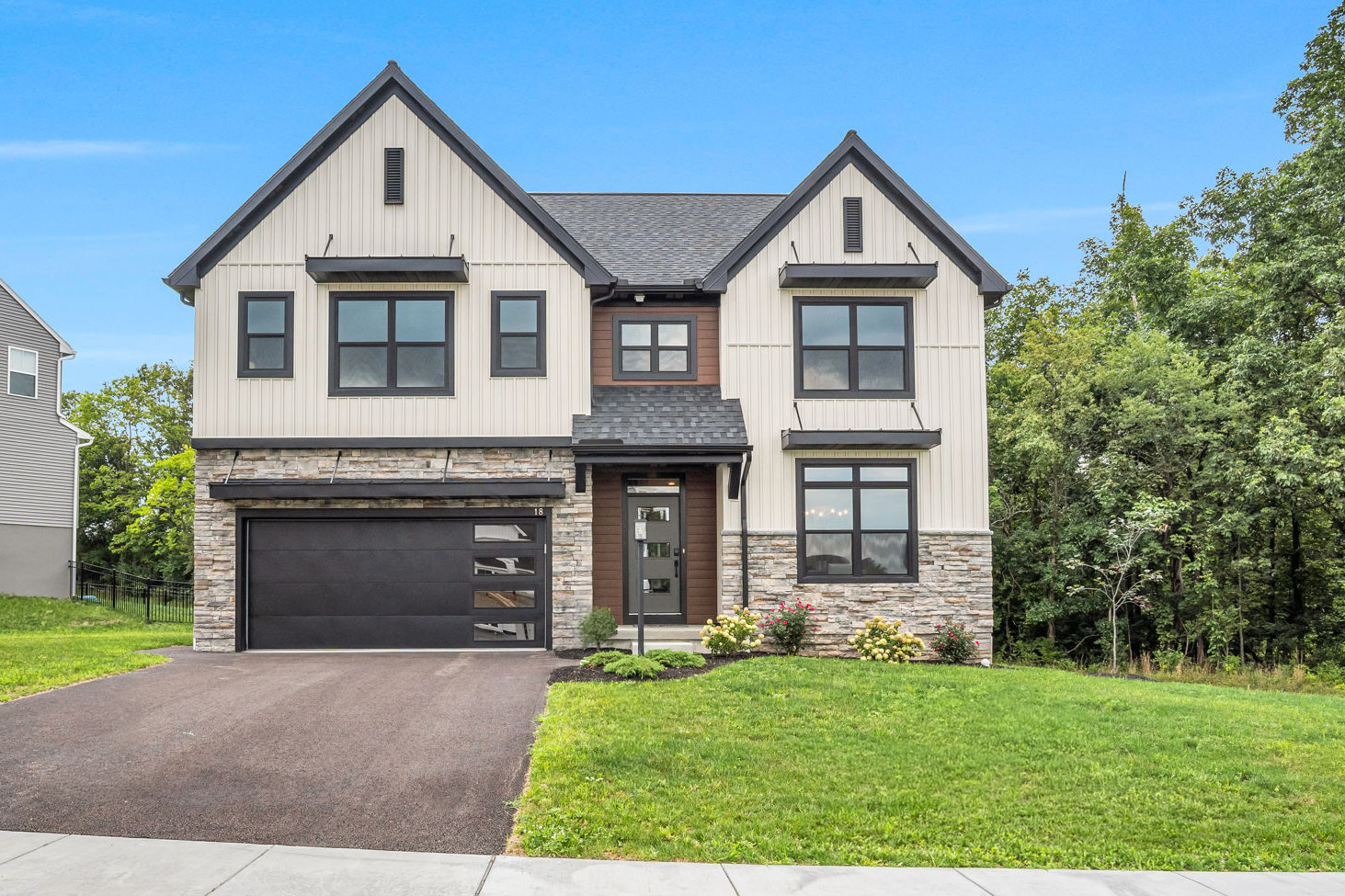
Siding, roofing products and windows used in today's homes generally outperform what was common a few decades ago.
That matters in everyday ways. Better windows help reduce drafts and moisture issues. Better exterior materials hold up more reliably against weather exposure. Better roofing systems are installed with current methods and assemblies in mind, not old shortcuts or outdated standards.
You still maintain them. Every home needs care. But the maintenance curve usually starts later and rises more slowly.
Current energy codes support better building performance
Current energy codes have raised the standard for insulation, air sealing and overall building envelope performance. For buyers, that means better comfort and a home that works harder behind the walls.
At Garman, our homes are HERS tested and proven to be 37% more efficient than the average home built today. We also use continuous insulation and higher-performing wall systems. Those aren't just technical details. They help the home stay more comfortable and reduce unnecessary strain on major systems.
That's where energy efficiency becomes a maintenance issue, not just a utility bill issue. When a home holds conditioned air better and supports more stable indoor temperatures, the HVAC system doesn't have to fight as hard to keep up.
Updated plumbing and electrical reduce surprise-repair risk
Older plumbing and electrical systems aren't always failing. But they carry more risk.
Over time, plumbing connections age, shutoff valves become unreliable and older materials can become a source of recurring repairs. Electrical systems can also reflect old needs, old code requirements or old workmanship.
In a new home, those systems are current from the start. They are installed to current code and built for the way people actually live now, with today's appliances, devices and household demands in mind.
The Deferred Maintenance Problem in Older Homes
If you've been shopping resale, you've probably heard the phrase deferred maintenance older home. It's a useful term because it explains a lot in two words.
Deferred maintenance means upkeep that should have been done earlier, but wasn't.
Maybe it was postponed because the owner didn't want to spend the money. Maybe they meant to get to it and never did. Maybe they made cosmetic updates but skipped the less visible repairs. Whatever the reason, the work doesn't disappear. It gets passed to the next owner.
Why deferred maintenance is common in resale homes
Deferred maintenance is common because many older homes have changed hands several times. Each owner makes different choices. Some stay on top of everything. Some fix only what becomes urgent. Some plan to move and stop investing heavily in the home.
That creates a layered effect. One owner postpones gutter replacement. Another ignores window sealing. Another patches a plumbing issue but never fully addresses the cause. By the time the home hits the market again, the visible condition may still look decent while the hidden maintenance backlog keeps growing.
This is one of the biggest differences between resale and new construction. In a new home, there is no chain of accumulated neglect.
Inspection surprises are part of the resale equation
Home inspections are valuable. They also reveal how often older homes come with issues buyers didn't spot during the showing.
Inspection findings in resale homes often include aging roofs, HVAC concerns, plumbing leaks, moisture issues, outdated electrical components, insulation gaps, worn exterior materials or drainage problems. Not every issue kills the deal. But each one becomes a negotiation, a repair plan or a future cost.
New construction doesn't remove the need for diligence, but it changes the starting point. You're not inheriting decades of unknown fixes, half-repairs or maintenance decisions made by someone else.
For a broader look at that comparison, read our blog on A Home Buyer's Dilemma: Should I Build New or Buy Resale.
What the New Home Warranty Adds, and Why It Matters
A new home warranty adds confidence on top of the maintenance advantage. But it isn't the whole story.
The real reason warranty coverage matters is that it supports something already working in your favor: the home is new. The systems are new. The materials are new. The service life is just beginning.
That's why we think of this conversation as the "why" behind the warranty conversation. If you want the coverage details, read What's Actually Covered by a New Home Warranty in Pennsylvania?. That piece breaks down the terms. This one explains the maintenance reality underneath them.
The Real Maintenance Cost Comparison Over 5 and 10 Years
A direct answer for featured snippets:
Over 5 to 10 years, new homes typically cost less to maintain in major categories such as roofing, HVAC, water heating and other core systems. Maintenance costs that stay similar regardless of age include landscaping, seasonal upkeep and everyday cosmetic wear.
That's the practical version of new home vs resale maintenance cost.
Categories where a new home usually costs less to maintain
These are the big categories where new construction usually has the edge in the first 5 to 10 years:
Roofing
A new roof should not be nearing replacement any time soon. An older roof in a resale home may already be well into its lifespan.
HVAC
A new system should need routine service, not replacement. An aging system in a resale home is a common repair and replacement expense.
Water heater
A brand-new water heater starts fresh. An older one may be close to failure without much warning.
Major mechanicals
Sump pumps, ventilation components and similar systems are all earlier in their lifespan in new construction.
Plumbing and electrical repairs
Updated systems lower the chances of inherited repair issues tied to age, wear or outdated components.
Categories where maintenance costs are similar either way
Not every upkeep expense disappears in a new home.
These costs are part of ownership no matter what you buy:
- Landscaping and lawn care
- Snow removal and seasonal exterior upkeep
- Cleaning and filter changes
- Paint touch-ups and cosmetic wear
- Basic home care like caulking, weather checks and routine servicing
That distinction matters. We aren't saying a new home is maintenance-free. It isn't. We're saying the maintenance burden is usually lighter, more predictable and less expensive where it counts most.
If you're also comparing the broader financial picture, including purchase costs, lot premiums and design selections, read The True Cost of Building a New Home in Pennsylvania: 2026 Breakdown.
Energy Efficiency Is Also a Maintenance Advantage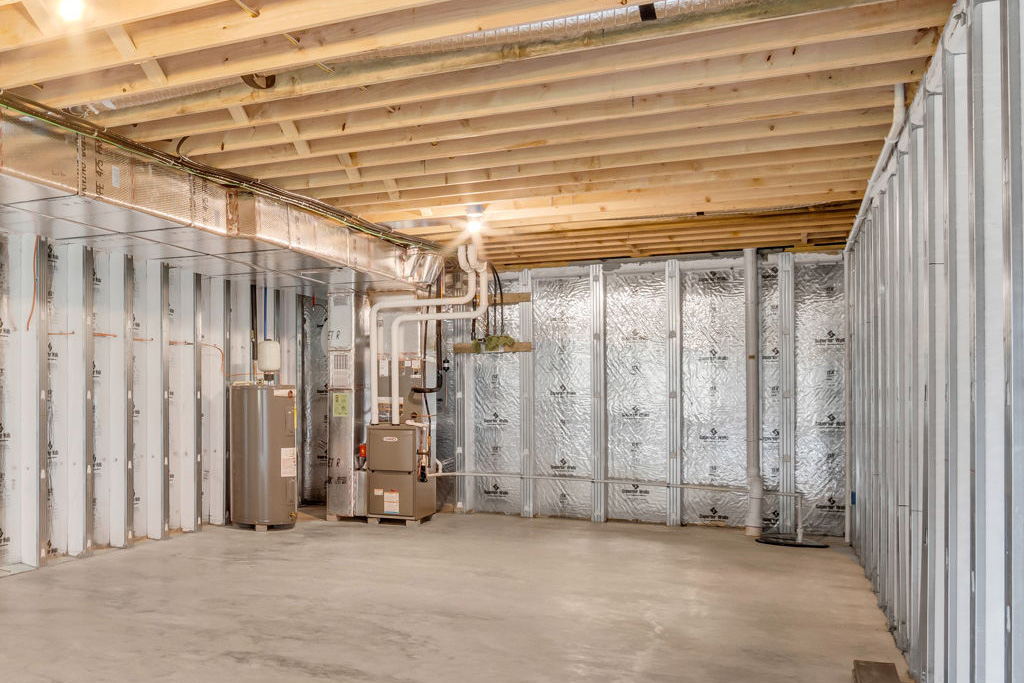
Energy efficiency usually gets discussed as a monthly savings story. That's part of it, but it misses something important.
Efficiency also affects wear.
A home with a stronger building envelope, better insulation and properly sized mechanical systems puts less strain on its HVAC equipment over time. When the system doesn't have to overwork to compensate for air leaks, poor insulation or uneven temperature control, that supports longer-term performance.
At Garman, we focus on better-built, more efficient homes because comfort and durability go together. Craftsmanship you can see, and performance you can feel. That's part of The Garman EDGE.
This is one reason home system lifespan new construction matters so much. You're not just getting new equipment. You're getting a home designed to support that equipment better from the start.
What This Means When You're Comparing Homes at a Similar Price Point
This is where buyers often pause. If a new home and an older resale home are priced similarly, is the new home really the better value?
On maintenance, yes, it often is.
An older resale home at the same price may give you square footage, a mature neighborhood or certain finishes that look appealing right away. But if the roof is halfway through its life, the HVAC is aging, the windows are dated and the plumbing or electrical system is carrying risk, the ownership experience changes fast.
A new home gives you a cleaner starting point. Fewer immediate repair concerns. Less guesswork. More control. More confidence.
That's especially important for buyers who want to spend their first years enjoying the home, not catching up on someone else's to-do list.
If you're deciding between different building paths, you may also want to read New Construction vs. Custom Home: Which Path Is Right for You?. And if your priority is reducing upkeep as part of your lifestyle, take a look at Is Low-Maintenance Living Right for You?.
A Better Way to Think About Homeownership
When buyers compare new construction to resale, maintenance should be part of the first conversation, not the last one.
The real difference isn't just that a new home looks newer. It's that the systems, materials and performance behind the walls are newer too. That changes how much the home asks from you in the first few years, and often well beyond that.
A Garman home is Built for the Way You Live. That includes the part buyers don't always see right away: better-built, more efficient homes that give you more confidence from contract to closing, and less maintenance pressure after move-in.
If you're comparing a new Garman home to an older resale in South Central Pennsylvania, we can help you think through the tradeoffs clearly. Contact us to explore available homes, communities and smarter ways forward.
FAQs
Does new construction really need less maintenance than an older home?
Yes. New construction usually needs less maintenance because the major systems, roof, windows, plumbing and electrical components all start new. Older homes often come with aging infrastructure, unknown maintenance history and a higher chance of near-term repairs.
Why do older resale homes often cost more to maintain?
Older resale homes often cost more to maintain because more components are further along in their service life. Roofs, HVAC systems, water heaters and plumbing or electrical systems may still function, but they are more likely to need repairs or replacement sooner.
What is deferred maintenance in an older home?
Deferred maintenance is upkeep or repair work that should have been done earlier but was postponed. In older homes, this can include roofing issues, worn exterior materials, drainage problems, outdated systems or small repairs that grew into larger ones over time.
Are new homes maintenance-free?
No. New homes still need regular upkeep like filter changes, seasonal checks, landscaping and general care. The difference is that new homes typically have fewer major repair concerns in the early years of ownership.
How does energy efficiency reduce maintenance needs?
Energy efficiency helps reduce maintenance because a well-insulated, well-sealed home puts less strain on the HVAC system. When heating and cooling equipment does not have to work as hard, it can perform more reliably over time.
Is maintenance one of the biggest advantages of buying new instead of resale?
It is one of the biggest practical advantages. Buyers often focus on purchase price first, but lower repair risk, newer systems and fewer inherited issues can make a major difference in the day-to-day cost and stress of ownership.


 0
0