


Nest Notes
Buying a New Construction Condo: What to Know Before You Tour

July 28, 2026
You’ve owned a single-family home for 20 years. A condo is a different animal, and buying new construction is a different animal again. Here’s what you need to know before you tour.
For a lot of buyers, the appeal is obvious. Less exterior upkeep. A simpler layout. A more convenient location. Maybe a chance to right-size without giving up quality. But the questions that matter most usually don’t come up right away in the sales conversation.
You’re thinking about the things you’ll have to live with after closing. Will it be quiet enough? Where does everything go without a basement? What does the HOA actually cover? How does warranty service work when part of what you own is shared with everyone else in the building?
This new construction condo buyer guide is built for those questions. We’ll walk through the real differences between a new construction condo, a resale condo and a single-family home, along with the details to evaluate before you sign anything.
Key Takeaways
- Buying a new construction condo means evaluating both your individual unit and the building as a whole.
- New construction condos usually offer warranty coverage, better energy efficiency, modern layouts and fewer immediate repair concerns than resale condos.
- Condos and single-family homes differ in sound, maintenance responsibilities, HOA involvement, parking and building access.
- Floor plan details matter more in condo living, especially storage, balcony access and what sits above and below your unit.
- HOA fees should be understood line by line, including what they cover now and how they may change over time.
- Amenities can add real value, but only if they fit how you actually live.
- Condo construction timelines often involve phased move-ins and building-wide coordination, not just one home finishing at a time.
- The right questions before signing can save you from surprises after settlement.
New Construction Condo vs. Resale Condo: What’s Different?
If you’re comparing a brand-new condo with one in an existing building, the choice usually comes down to certainty in different forms.
A resale condo gives you a lived-in picture. The building is already operating. The HOA has a track record. The neighbors are already there. You can often review actual budgets, reserve studies, maintenance history and community rules before making a decision. In some cases, the upfront purchase price may also be lower.
A new construction condo gives you a different kind of confidence. You’re starting with a home that hasn’t been lived in, with current materials, current code requirements and a cleaner maintenance picture at the beginning. You’re not walking into years of deferred repairs hidden behind a lower sticker price.
What new construction condos typically offer
A new construction condo stands out for a few reasons:
- Warranty coverage: New homes typically include builder-backed coverage on the home, which can provide peace of mind early on.
- Energy efficiency: New construction is built to current efficiency standards, which often means lower energy waste, more consistent comfort and better long-term value.
- Modern layouts: Today’s floor plans are designed around how people actually live, with open gathering spaces, smarter kitchens and more intentional storage.
- No inherited maintenance backlog: You’re not taking ownership of aging systems inside your unit on day one.
That last point matters. In resale, the visible purchase price is only part of the picture. Appliances, flooring, windows, HVAC components and shared building systems all age. Even when a unit looks well-kept, the building may still be approaching larger repairs.
What resale condos may offer instead
Resale condos still have real advantages:
- Established HOA operations
- An existing neighbor mix and community culture
- A mature building with a known maintenance history
- Immediate availability in many cases
- Potentially lower purchase price
Neither option is automatically better. It depends on whether you value a building with a track record or a home with a fresh start.
New Construction Condo vs. Single-Family Home: The Key Differences
This is where most longtime homeowners need the biggest reset. Condo living is not just a smaller version of house living. It changes how ownership works day to day.
Buying a New Construction Condo vs. a House
The biggest differences in condo vs house buying come down to shared space, maintenance and how the property is managed.
With a single-family home, you control the whole structure and the land around it. With a condo, you typically own the interior of your unit and share responsibility for common elements through the association. That affects everything from repairs to rules to monthly costs.
Shared walls and ceilings
In a single-family home, privacy is mostly about your lot. In a condo, privacy is also about construction details and unit placement.
You should expect shared walls. Depending on the building and your location within it, you may also have another home above or below you. That doesn’t mean condo living is noisy. It means sound should be part of your evaluation.
Ask how the walls and floor assemblies are built. Ask what sound-mitigation methods are used. Ask about quiet hours. These are smart questions, not awkward ones.
Shared amenities
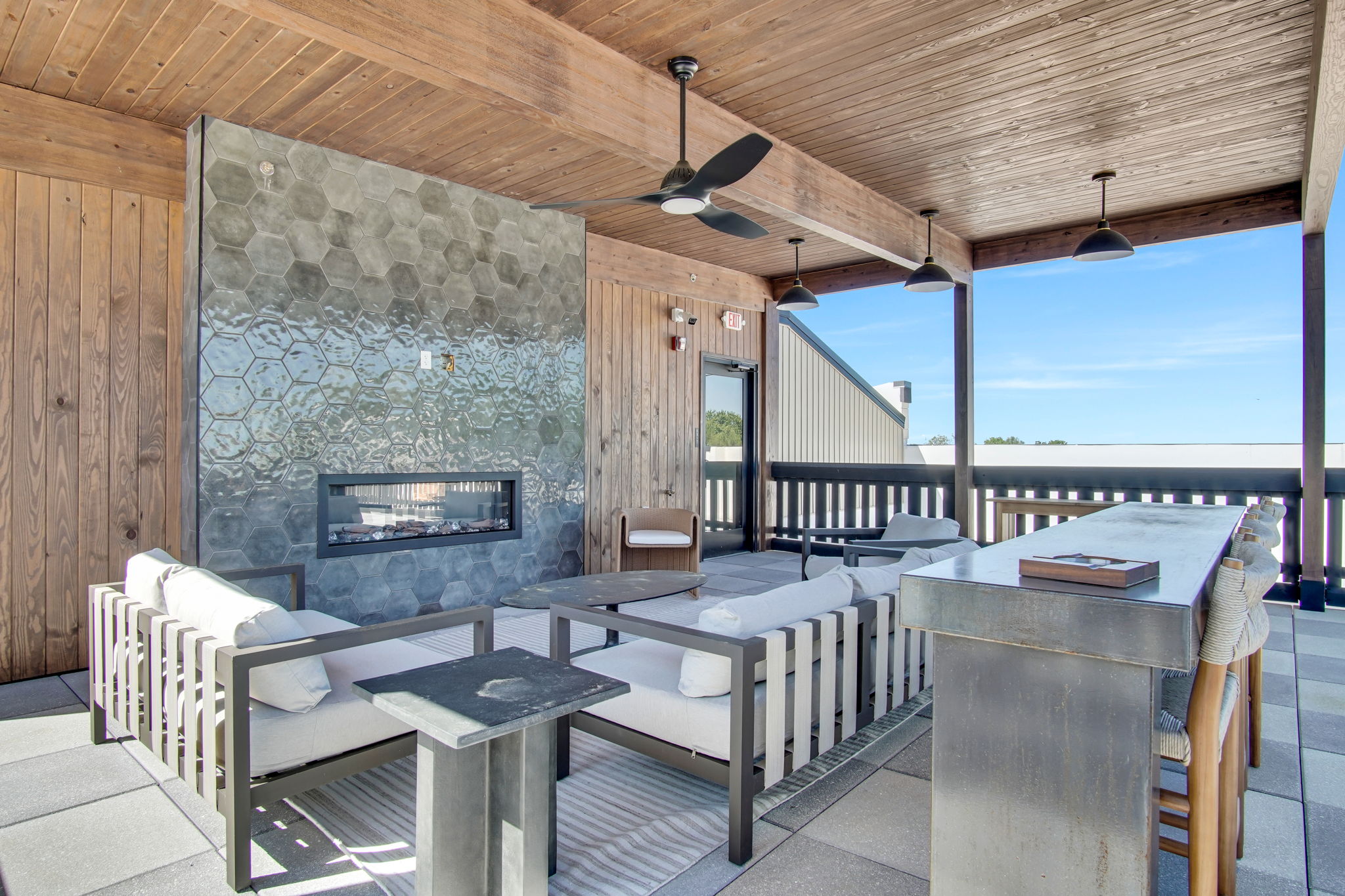
Single-family homes usually give you private space. Condos often give you access to shared spaces instead.
That might include a fitness center, gathering areas, lounges, outdoor seating or other common amenities. For some buyers, that’s a real upgrade. You get spaces you’ll use without maintaining them yourself.
Still, it only counts as value if it fits your life. A rooftop lounge sounds great. But if you know you’ll never use it, don’t let it distract you from the things that matter more, like layout, storage or parking.
HOA involvement
This is one of the biggest mindset shifts.
With a house, you handle your own roof, siding, lawn care and snow removal. With a condo, the HOA usually manages many exterior and shared responsibilities, and you contribute through a monthly fee.
That fee isn’t just an extra cost. It’s part of how the property is maintained. The real question is whether the fee covers the things you no longer want to manage yourself.
Parking
Parking is often more straightforward in a single-family home. Garage, driveway, maybe street parking. Condo parking can vary a lot by building.
You’ll want to know:
- Is parking assigned?
- Is it deeded, reserved or first-come, first-served?
- Are there garage spaces?
- Is there guest parking?
- How far is parking from the building entrance?
Underground parking is still relatively rare in Central PA, so don’t assume it’s included. Ask early.
Building access
A house has its own front door. A condo adds another layer: how people get into the building itself.
That includes secure entry systems, visitor access, elevator access, package handling and overall day-to-day convenience. If privacy and security matter to you, and they usually do, this deserves more than a quick glance during a tour.
Floor Plan Considerations Unique to Condos
A good condo floor plan does more than look attractive on paper. It needs to function well without the extra square footage and storage areas many homeowners are used to.
Vertical stacking: understand what’s above and below you
In condo living, the location of your unit matters almost as much as the layout itself.
A top-floor unit may reduce overhead noise. A lower-level unit may offer easier access. A unit near an elevator, stairwell, trash room or common area may feel more active than one tucked farther away.
Before you buy, ask:
- What is above this unit?
- What is below this unit?
- Is this near an elevator or mechanical room?
- Is this above shared amenity space or parking?
Those details shape your daily experience.
Balcony or terrace access
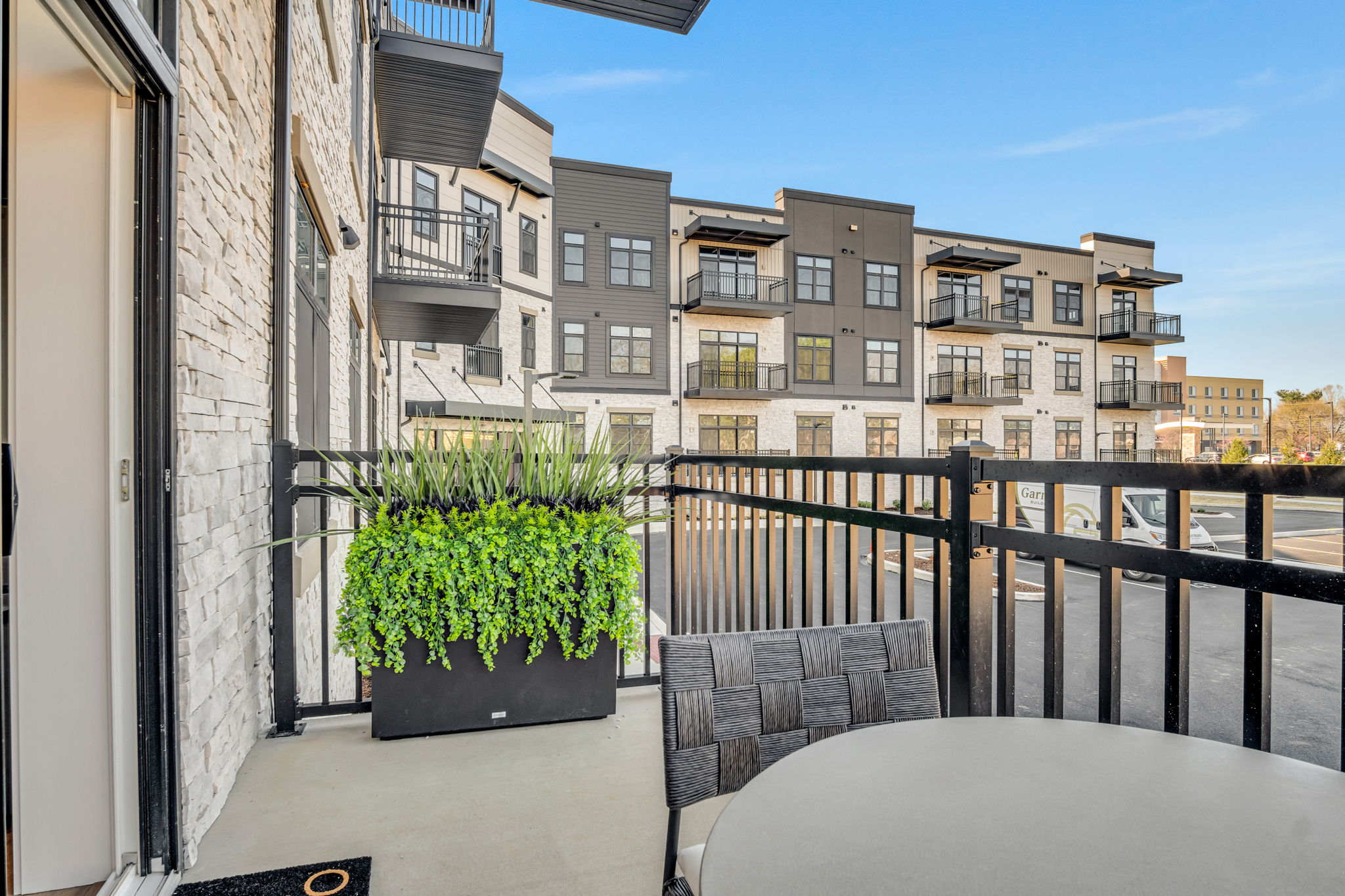
Outdoor space matters more when you don’t have a private yard.
Pay attention to how the balcony or terrace connects to the home. Is it directly off the main living area? Off the primary suite? Is it large enough to use, or just large enough to say it exists?
The best outdoor condo spaces feel like an extension of the home, not an afterthought.
Storage matters more than buyers expect
This is where experienced homeowners get caught off guard.
If you’re coming from a house, you’ve probably spent years relying on a basement, attic, garage shelves or a hall closet that quietly absorbed everything. Condos usually ask you to be more intentional.
Look closely at:
- Pantry space
- Linen storage
- Coat closets
- Laundry room storage
- Bedroom closet size
- Any dedicated storage room or locker
A beautiful condo can start to feel tight fast if there’s nowhere to put the things you use every week.
HOA Fees Explained
Condo HOA fees deserve a clear, direct look because buyers tend to either dismiss them too quickly or fear them too much.
A condo HOA fee is the monthly amount paid to help operate, maintain and protect the building’s common elements and shared services. In a new construction condo, that often includes things like exterior maintenance, common area upkeep, landscaping, snow removal, building insurance on shared elements and amenity maintenance.
That doesn’t make every HOA fee equal. You need to understand exactly what’s included.
What HOA fees may cover in a new construction condo
Coverage varies by community, but often includes:
- Exterior building maintenance
- Roof and siding for shared structures
- Landscaping
- Snow removal
- Maintenance of common halls, elevators and amenity areas
- Shared utility costs for common spaces
- Insurance for common elements
- Association management
What it usually does not cover is just as important. Interior electric, personal contents insurance, internet, upgrades inside your unit and some repair items may still be your responsibility.
How HOA fees are set
In a new community, HOA fees are generally based on an operating budget created around anticipated building expenses. Over time, those fees may be adjusted as actual costs, vendor contracts, maintenance needs and reserve funding become clearer.
That’s normal. What matters is whether the budget is realistic and whether the association is planning responsibly for future repairs.
How HOA fees can change over time
Fees can rise over time for the same reason any property-related cost rises: insurance, labor, materials and routine operating expenses all change.
The goal is not to find a fee that never increases. The goal is to understand whether the association is collecting enough to maintain the property well without creating avoidable surprises later.
If the fee looks unusually low, don’t assume that’s a win. Sometimes it means the budget is light where it shouldn’t be.
Building Amenities to Evaluate Before You Buy
Amenities look great on marketing materials. But when you’re deciding whether a condo fits your life, the better question is simple: will you actually use them?
Fitness center
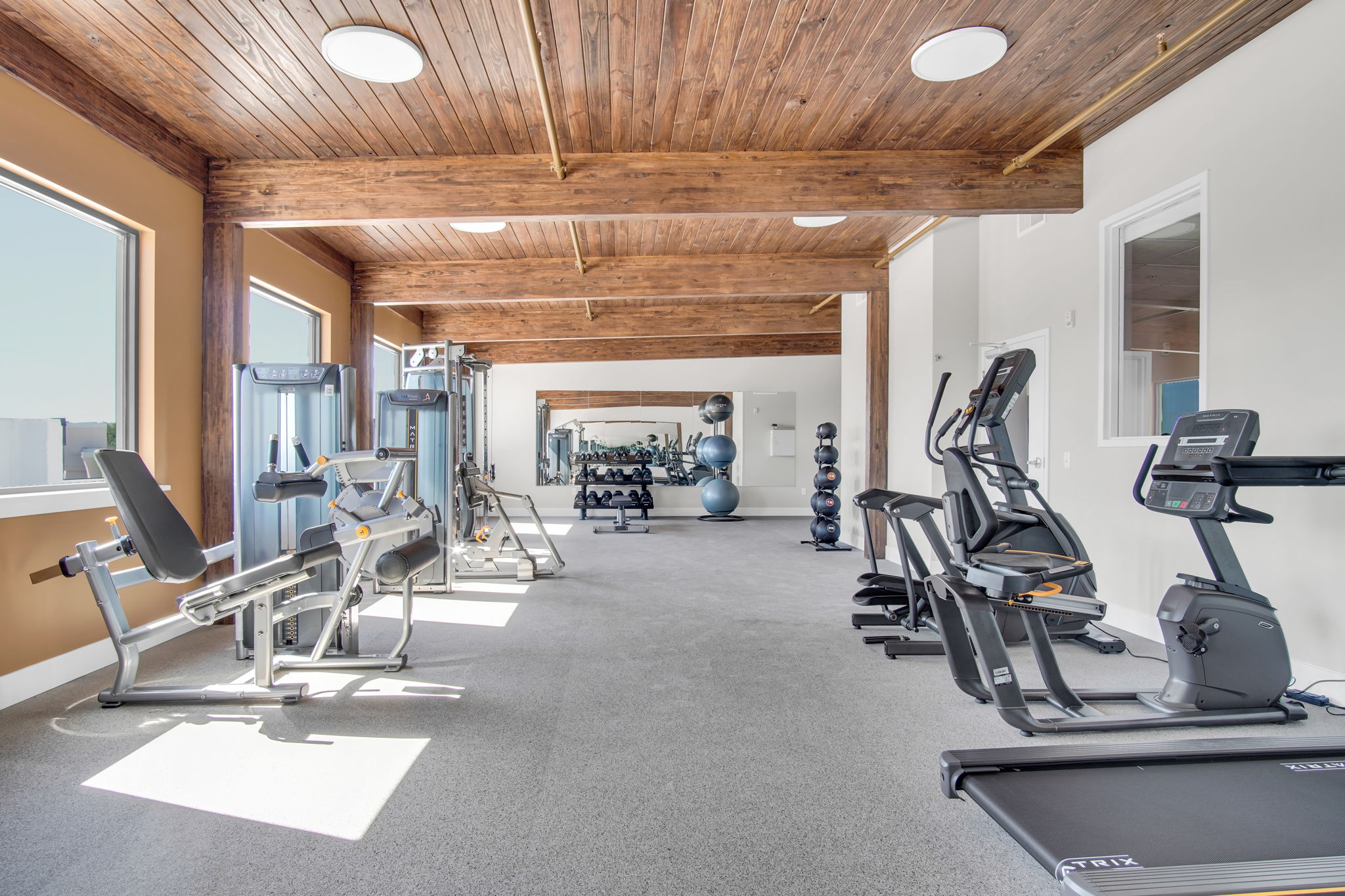
A fitness center can be a real convenience. It can also be little more than a room with a treadmill if it isn’t thoughtfully planned.
Ask about:
- Hours of access
- Types of equipment
- Cleaning and maintenance
- Peak usage times
- Whether residents actually use it
If it saves you a gym membership or makes daily routines easier, it has real value.
Rooftop or common spaces
Shared lounges, terraces and gathering spaces sound appealing because they are appealing. But you should still understand how they work.
Ask whether these areas can be reserved, whether guests are allowed, whether there are usage limits and how often residents tend to use them. A space that sits empty most of the year may matter less than a well-designed private balcony you’ll use every week.
Storage lockers or bike rooms
In condo living, extra storage can make a big difference. If the building offers lockers, bike storage or secure accessory storage, ask where it is, whether it is assigned and whether there is an added cost.
Don’t treat this as a small detail. It affects how comfortably you live in the home.
Guest parking capacity
Guest parking problems don’t feel important until your first holiday, birthday dinner or weekend visit.
Find out how many guest spaces there are, whether overnight parking is allowed and whether visitor parking tends to fill up quickly. This is one of those quality-of-life questions buyers rarely ask soon enough.
New Construction Condo Warranty: What It Covers
A new construction condo warranty usually has two layers: coverage related to your individual unit and coverage related to shared building elements.
Your unit-specific items may include workmanship, systems and other components covered under the builder’s warranty terms. Shared building components may be handled differently because they fall under association responsibility.
That division matters.
Unit-specific vs. building-wide responsibility
Inside your condo, warranty service may apply to items that are part of your home itself. Shared hallways, roofs, exterior walls, elevators and common systems are typically managed at the building or association level.
So if something affects a shared area, your first call may not be handled the same way as a service request inside your unit.
Ask exactly how this process works before you sign. You want to know:
- What is covered inside the unit?
- What is covered by the association?
- Who submits a claim for shared-area issues?
- How are warranty requests documented and handled?
That clarity helps avoid finger-pointing later.
Why warranty matters more in condos than buyers think
With a house, most buyers understand that a builder warranty protects a newly built home. In a condo, buyers sometimes assume that because parts of the building are shared, the warranty picture is vague.
It shouldn’t be vague. It should be clearly explained.
If you’re considering new construction, ask for the actual warranty outline and review it carefully. This is one of the strongest advantages new construction has over resale.
Construction Timing for a New Construction Condo
Condo construction schedules are different from single-home construction schedules because the builder is coordinating multiple homes inside one building or across a phased community.
That means your move-in date is tied not just to your unit, but to broader building readiness.
What buyers should expect
In a new construction condo, several things may happen at once:
- Multiple units may settle within the same general timeframe
- Move-ins may happen in phases
- Common areas may be completed on a different schedule than individual residences
- Final building systems and inspections may affect timing
That doesn’t mean the process is unreliable. It means it needs to be understood correctly.
If you’re new to the process, our 9 Stages of Building a New Home can help you understand the broader rhythm of new construction and what happens between contract and closing.
Building completion vs. unit completion
A unit can look nearly done before the full building is truly ready for settlement. Elevators, life-safety systems, common corridors, exterior access points and municipal approvals all matter.
That’s why condo buyers should ask not just, “When will my unit be done?” but also, “What building milestones have to happen before move-in?”
It’s a better question.
Questions to Ask Before Signing
If you take nothing else from this article, take this list with you.
A strong buying a condo checklist starts with the questions buyers are often too polite to ask. Ask them anyway.
HOA and financial questions
What’s covered in the HOA fee?
Get the full list in writing.
What’s the current HOA fee, and what’s the history of increases?
If the building is new, ask how the initial fee was determined.
What’s the reserve fund position for major building repairs?
You want to understand how future large expenses are being planned for.
Noise, access and day-to-day living questions
What’s the quiet-hours policy and sound-mitigation in the walls?
This is one of the biggest quality-of-life questions in condo living.
What’s the guest parking and short-term visitor policy?
Especially important if you host often.
What’s the building access and security setup?
Ask about secure entry, visitor access and package handling.
What’s the elevator and mechanical maintenance schedule?
Shared systems affect your day-to-day life. They deserve attention.
Unit-specific questions
What is above and below this unit?
Know the vertical context before you buy.
What storage comes with the unit?
Don’t assume.
How is warranty service handled for my unit versus common areas?
You want the process to be clear before you need it.
How We Approach Condo Living at 117 On The Boulevard
At 117 On The Boulevard, we approach condo living the same way we approach every Garman home: with thoughtful design, better building practices and a clear focus on how people actually live.
For buyers exploring condo ownership for the first time, that matters. The decision usually isn’t about giving something up. It’s about choosing a home that fits this stage of life better, with less maintenance, more convenience and a layout that still feels elevated and comfortable.
117 On The Boulevard gives buyers a chance to enjoy a new home experience in a condo setting, which means the benefits of new construction matter here. Modern floor plans. Better energy performance. New materials and systems. Warranty-backed peace of mind. A home that starts fresh.
If you’re specifically considering 117, we also recommend exploring our related resources:
Before publishing, final community-specific details related to HOA fees, warranty coverage, quiet-hours policy and building access should be confirmed with our sales leadership so buyers have the clearest possible picture.
A Different Way to Own, Not a Step Down

The right condo isn’t a downgrade from a house. It’s a different way to own a home.
For some buyers, it’s a smarter fit for the next chapter. Less upkeep. More simplicity. A layout that supports everyday life without asking you to maintain space you no longer need. But condo living works best when you walk in with open eyes and the right questions.
If you’re considering 117 On The Boulevard, we’d love to help you sort through the details, compare your options and understand whether condo living fits the way you want to live. Explore the community, read through our related resources and connect with our team when you’re ready.
FAQ
What should I know before buying a new construction condo?
Before buying a new construction condo, understand the HOA fee, warranty coverage, parking setup, building access, storage, sound considerations and construction timeline. You should evaluate both the unit and the building because shared systems, common areas and association rules affect daily life.
Is buying a new construction condo different from buying a resale condo?
Yes. A new construction condo usually offers modern layouts, better energy efficiency, warranty coverage and fewer immediate maintenance concerns. A resale condo may offer a lower purchase price, a mature building and an established HOA history with actual operating records to review.
Are condo HOA fees worth it?
Condo HOA fees can be worth it when they cover meaningful services like exterior maintenance, landscaping, snow removal, common area care, building insurance and amenity upkeep. The key is knowing exactly what the fee includes and whether the association is budgeting responsibly.
How does a new construction condo warranty work?
A new construction condo warranty typically covers items within your individual unit under the builder’s warranty terms, while shared building elements may be handled through the association. Buyers should ask for a clear breakdown of unit-specific versus building-wide responsibilities before signing.
Are new construction condos quieter than older condos?
That depends on the building design and sound-mitigation methods used in walls, floors and ceilings. Buyers should ask how the assemblies are built, what is above and below the unit and whether the building has quiet-hours policies that help support comfortable shared living.
What questions should I ask before buying a condo?
Ask what the HOA fee covers, how fees are set, whether there is a reserve fund, how parking works, what the guest policy is, how building access is managed, what storage comes with the unit and how warranty service is handled for both unit and common-area issues.
Is a condo better than a house for downsizing?
For a lot of buyers, yes. A condo can be a better fit when you want less exterior maintenance, a more manageable layout and a lock-and-leave lifestyle. The tradeoff is shared ownership structure, HOA involvement and less private storage or outdoor space than a house.
How long does it take to move into a new construction condo?
The timeline depends on both unit completion and overall building readiness. In condo construction, multiple units may deliver around the same time, common areas may be phased and shared systems or approvals can affect move-in timing even if your unit appears nearly finished.


 0
0