


Nest Notes
Is a Quick Move-In Home Cheaper? QMI vs Building From Scratch Cost

September 8, 2026
Is a Quick Move-In Home Cheaper? QMI vs Building From Scratch Cost
Neither option is automatically cheaper. QMI homes sometimes carry stronger incentives, while a to-be-built home lets you control costs by choosing only the upgrades you want. Here is how the real comparison works.
When buyers ask us, “Is a quick move-in home cheaper than building from scratch?” they are usually asking a smarter question underneath it: “Which path gives me the better total value?”
That answer depends on the specific home, the finishes, the incentives and how closely the already-selected choices match what you would have picked yourself. A quick move-in home can be a strong financial fit. So can a to-be-built or custom home. The mistake is assuming one path always wins before comparing the details side by side.
Key Takeaways
- A quick move-in home is not automatically cheaper than building from scratch, but it can become more cost-competitive when incentives are available.
- QMI pricing is easier to understand because the home, finishes and included features are already selected and priced in.
- A to-be-built home gives you more cost control because you choose the upgrades that matter to you and skip the ones that do not.
- The Design Studio is where a to-be-built home’s final price can change most, especially if selections expand beyond the original estimate.
- QMI incentives often focus on a specific home, such as closing cost assistance or rate buydown opportunities when available.
- To-be-built incentives may show up differently, often as design credits or savings tied to selections, depending on the current offer.
- The best comparison is a specific QMI home against a similarly sized to-be-built estimate with comparable finishes.
- The deciding factor is often simple: if the QMI finishes match your taste, the value can be hard to beat.
Is a Quick Move-In Home Cheaper Than Building From Scratch?
A quick move-in home can be cheaper than building from scratch, but not always. QMI homes may qualify for stronger incentives because they are already under construction or complete. A to-be-built home can cost less when buyers make disciplined design selections and avoid paying for finishes they would not have chosen.
That is the direct cost answer.
The practical answer is more personal. A move-in-ready home with the right layout, location and finishes can be the better value because the major choices are already made. A to-be-built home can be the better value when you want control and would rather put your budget toward very specific selections.
For a broader look at overall new construction costs, start with [The True Cost of Building a New Home in Pennsylvania: 2026 Breakdown]. This article narrows the question to the head-to-head comparison buyers ask us most: QMI vs building from scratch cost.
What Makes QMI Pricing Competitive?
Quick move-in homes are already complete or far enough along that many of the major decisions have been made. That changes the pricing conversation.
A QMI home has a set price attached to a real address, real homesite, real floor plan and real finishes. You are not starting with a base price and then adding selections from there. You can walk through the home or review its selections and understand what is included before making a decision.
Builder Carrying Costs Can Create Incentive Opportunities
Finished inventory comes with carrying costs. The builder has already invested in the homesite, materials, labor, selections and construction schedule. Because of that, QMI homes can sometimes have incentives tied to a specific home.
Those incentives may include closing cost assistance, rate buydown opportunities or other savings depending on the home and current offer. They are not automatic. They also vary by community, timing and availability.
For a deeper look at this question, read [Can You Negotiate the Price on a Quick Move-In Home?].
The Price Is More Fixed
A QMI home also gives buyers a clearer sense of the all-in price. The finishes are already selected. The cabinets, countertops, flooring, fixtures and structural choices are already part of the package.
That matters because there is less room for design center overspend. You are not walking into a selection process with a starting number and then watching the total rise with each upgraded choice.
This does not mean every QMI home is the lowest-priced option. It means the pricing is more defined.
What Makes a To-Be-Built Home Cost-Competitive?
A to-be-built home can compete very well on cost because you control what goes into it.
You choose the homesite, floor plan and selections based on your priorities. If you care deeply about the kitchen but are more flexible on flooring, you can put more of your budget into the kitchen. If you want a cleaner, simpler finish package, you can avoid upgrades that do not matter to your daily life.
That control is valuable.
You Only Pay for the Upgrades You Choose
With a to-be-built home, you are not paying for someone else’s preferences. You are deciding what belongs in the home from the start.
That can be a real advantage if the available QMI homes include finishes you would not have selected yourself. Maybe the home has upgraded flooring throughout, a higher-end appliance package or exterior features that are beautiful but not essential to you. If those choices are already priced into the home and they are not choices you value, the QMI may not feel like the best use of your budget.
A to-be-built home lets you be more selective.
The Design Studio Can Help You Stay Focused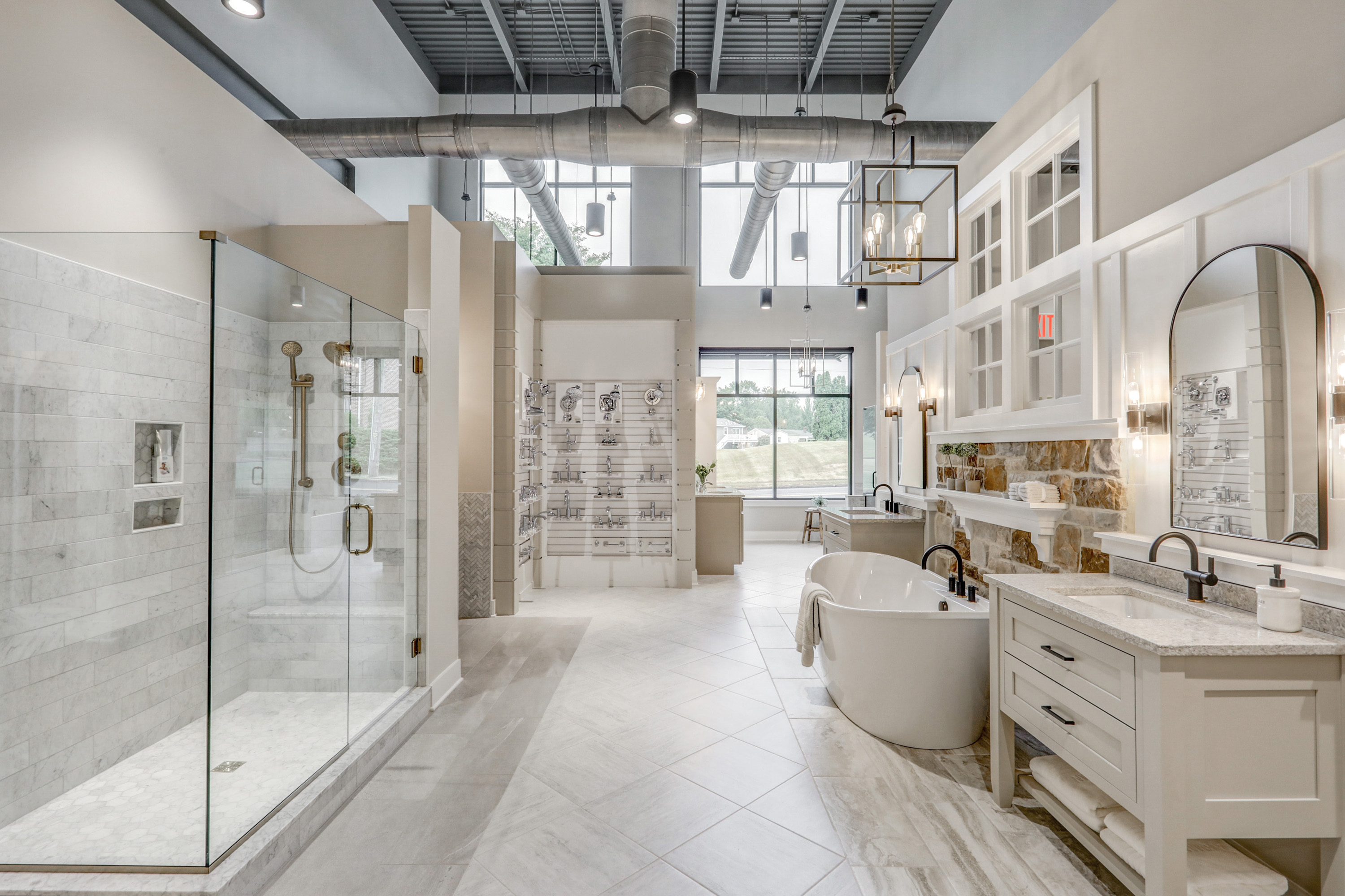
Our Design Studio gives buyers a guided way to make selections without feeling like they have to figure everything out alone. The best design process is not about adding every upgrade. It is about choosing the finishes, fixtures and features that support the way you actually live.
That is where a to-be-built home can be especially strong. You can build value around your own priorities instead of adapting to someone else’s selections.
The Hidden Cost Comparison Buyers Often Miss
The hidden cost in a QMI vs to-be-built comparison is not always the purchase price. It is how the finishes are counted.
A QMI home’s finishes are already priced in. A to-be-built home’s final price depends heavily on the choices made after the starting price is established. That means two homes with similar square footage can end up at very different final prices depending on selections.
Here is where buyers get tripped up.
They compare a QMI home with upgraded finishes against the base price of a to-be-built plan. On paper, the to-be-built home looks less expensive. But once comparable cabinets, countertops, flooring, lighting and structural options are added, the gap can narrow quickly.
The reverse can also happen. If the QMI home includes upgrades the buyer does not care about, a simpler to-be-built home may be the smarter cost move.
For more on this part of the decision, see [Why Already-Selected Finishes Can Make Buying a New Home Easier].
Where Incentives Show Up Differently
Incentives are not always structured the same way for a quick move-in home and a to-be-built home.
That is why buyers should compare the full offer, not just the list price.
QMI Incentives Often Attach to a Specific Home
Quick move-in incentives typically center on a specific address. When available, they may help with closing costs, interest rate buydowns or other purchase-related savings.
This can make a QMI home especially attractive for buyers who want a clearer monthly payment picture or need to move within a shorter timeline.
The key phrase is “when available.” Incentives change by market, community, home and timing.
To-Be-Built Incentives May Focus on Selections
To-be-built incentives can look different. They may focus on design center credits, upgrade savings or flexibility during the selection process.
That can be valuable if you want to personalize the home and already know where you want to spend. A design credit may help you choose the flooring, kitchen finishes or bath selections that make the home feel more like yours without stretching the budget as far.
A QMI incentive may reduce the cost of buying. A to-be-built incentive may increase the value of what you can select.
Both can matter.
QMI vs Building From Scratch Cost: A Worked Example
The cleanest way to compare is to put a specific QMI home next to a similarly sized to-be-built home with similar finishes.
Below is an illustrative example only. Current pricing, incentives and available homes should always be verified with our sales team before making a decision.
| Cost Factor | Quick Move-In Home | To-Be-Built Home |
|---|---|---|
| Base or listed home price | $515,000 | $475,000 |
| Homesite premium | Included | $15,000 |
| Structural options | Included | $12,000 |
| Design Studio selections | Included | $38,000 |
| Finished basement or major upgrade | Included | $20,000 |
| Estimated all-in price before incentives | $515,000 | $560,000 |
| Available incentive example | $15,000 toward closing costs or rate buydown | $10,000 design credit |
| Effective comparison | $500,000 net value | $550,000 net value |
In this example, the QMI home appears more expensive at first glance than the to-be-built base price. But once similar homesite, structural and finish selections are added, the to-be-built home costs more.
Now change the assumptions.
If the buyer does not want the QMI home’s upgraded basement, higher-end flooring or premium finish package, the to-be-built path may become more cost-competitive because the buyer can leave those items out.
That is the point. The winner changes based on what is included and what the buyer actually values.
The Real Deciding Factor for Most Buyers
For most buyers, the real deciding factor is not whether QMI homes are cheaper in a broad sense. It is whether the specific QMI home already includes the choices they would have made anyway.
If the layout works, the location fits and the finishes feel right, a quick move-in home can offer strong value. You avoid months of decision-making. You get a clearer price. You may also benefit from home-specific incentives when they are available.
If the QMI finishes are not your style or include upgrades you would skip, building from scratch may be the better fit. You get more control. You can focus the budget where it matters most. You can create a home that feels personal from the beginning.
Neither path is one-size-fits-all.
That is why we encourage buyers to compare both options with the same level of detail. Look at the floor plan, homesite, timeline, included features, available incentives and final estimated cost.
For a broader decision guide, read [Build a New Home or Buy a Quick Move-In: An FAQ Guide to Choosing Your Path].
How to Compare a QMI Home Against a Custom or To-Be-Built Estimate
Use this simple process when comparing new construction pricing QMI vs to-be-built:
Start with the specific QMI home.
Review the price, homesite, floor plan, square footage, finishes, included features and any current incentive.
Build a comparable to-be-built estimate.
Use a similar floor plan, similar square footage and similar homesite conditions where possible.
Match the finish level.
Do not compare a finished QMI home with upgraded selections against a to-be-built base price. Add comparable cabinets, countertops, flooring, lighting, fixtures and structural options.
Account for incentives separately.
Incentives can change the effective value, but they should not hide the true cost of the home itself.
Decide which selections you actually value.
A finish is only valuable to you if you would have paid for it yourself.
Compare monthly payment, cash to close and timeline.
The lowest purchase price is not always the best fit if the payment, upfront cash or move-in date does not work for your life.
This is a better way to answer the “is building a house cheaper than buying?” question. Compare real homes, real selections and real incentives.
A Better Way to Make the Cost Decision
A quick move-in home can be the better value. A to-be-built or custom home can be the better value. The right answer comes from a true side-by-side comparison, not a rule of thumb.
At Garman Builders, we help buyers look at both paths clearly. We build better-built, more efficient homes across South Central Pennsylvania and guide buyers through the details that affect cost, comfort and confidence.
If you are comparing a quick move-in home against building from scratch, talk with our team. We can help you review available homes, estimate a comparable to-be-built option and decide which path gives you more value, more control and more confidence.
FAQ
Is a quick move-in home cheaper than building from scratch?
A quick move-in home can be cheaper than building from scratch when incentives are available or when the included finishes match what you would have selected anyway. It is not automatically cheaper. The best comparison is a specific QMI home against a to-be-built estimate with similar finishes.
Why can a QMI home be a better value?
A QMI home can be a better value because the price is more defined, the finishes are already included and incentives may be available on a specific home. Buyers also avoid design center overspend because the major selections have already been made.
Why can building from scratch cost less?
Building from scratch can cost less when buyers choose only the upgrades they truly want. If a QMI home includes finishes or options that are not important to you, a to-be-built home may let you spend your budget more intentionally.
How should I compare the cost of move-in ready vs custom build?
Compare the listed price of a specific move-in-ready home against a custom or to-be-built estimate with similar square footage, homesite conditions, structural options and finishes. Do not compare a finished QMI home against a base price alone.
Do QMI homes have different incentives than to-be-built homes?
Yes. QMI incentives often apply to a specific home and may focus on closing costs, rate buydowns or purchase-related savings when available. To-be-built incentives may focus more on design credits or upgrade flexibility, depending on the current offer.
What is the biggest hidden cost in a to-be-built home?
The biggest hidden cost is usually design selection growth. A to-be-built home may start with a base price, but final cost depends on the cabinets, countertops, flooring, fixtures, structural options and other selections made during the process.
What matters more than price in a QMI comparison?
The most important factor is fit. If the QMI home’s floor plan, location and finishes match what you would have chosen, it can be a strong value. If not, building from scratch may give you better control over the final home and budget.


 0
0