


Nest Notes
Can You Negotiate Price on a Quick Move-In Home?

August 19, 2026
If you're wondering whether you can negotiate price on a quick move-in home, the short answer is yes. Quick Move-In homes often have more negotiation room than to-be-built homes, because the builder has real carrying costs on a finished home sitting in inventory. Here is what that actually looks like.
That doesn't mean every listed home comes with a big quick move in home discount. It means the conversation is usually more flexible around timing, incentives and in some cases price, especially when the home is complete or nearly complete and ready to settle. If you already have a specific QMI home in mind, this is the stage where asking the right questions matters.
Key Takeaways
- Quick Move-In homes are often more negotiable than to-be-built homes because finished inventory creates carrying costs for the builder.
- The most common areas of flexibility are closing cost credits, rate buy-downs and home-specific incentives.
- Direct price reductions can happen, especially on homes that have been listed longer.
- What usually is not negotiable is the structure, layout and finishes, because the home is already built or close to complete.
- The best signs of negotiation room are longer days on market, end-of-quarter timing and homes that help close out a community phase.
- Former model homes and designer-finished inventory can offer strong value because upgrades are already included.
- The smartest approach is simple: ask what incentives are available on that exact home and what has changed since it was first listed.
Why Quick Move-In Pricing Can Be More Flexible Than To-Be-Built Pricing
A to-be-built home gives you more personalization, but it usually follows a more structured pricing model. You're choosing a floor plan, homesite and finishes, and the builder is pricing that build around a defined process.
A Quick Move-In home is different. The home is already under construction, nearly complete or finished. That changes the economics.
Every month a completed inventory home sits unsold, it costs the builder money. There are financing costs, taxes, insurance and the general cost of holding finished inventory. That is why buyers asking are QMI homes negotiable are asking the right question. They often are, because there is a real business reason for the builder to create movement on that home.
This is also why QMI opportunities can look different from community to community. Some homes may carry more flexibility than others based on timing, location and inventory level.
What Is Typically Negotiable on a QMI Home?
When buyers ask about quick move in home incentives, these are the areas where flexibility usually shows up first.
Closing Cost Credits
This is one of the most common forms of negotiation. Instead of lowering the list price, a builder may contribute toward closing costs to reduce the cash needed at settlement.
Rate Buy-Downs
In a market where monthly payment matters, rate support can be more valuable than a small price cut. A lower interest rate can improve affordability right away and give buyers more confidence in the purchase.
Direct Price Adjustments
This is where buyers usually focus first, and sometimes it happens. A direct price reduction is more likely when a home has been on the market longer, when inventory needs to move or when the timing lines up with a broader sales push.
Home-Specific Promotions
Some homes carry incentives tied to a campaign, a financing promotion or a seasonal offer. These are often the easiest way to create a real move in ready home discount without changing the home itself.
If you want the broader version of this topic, read this blog.
What Is Usually Not Negotiable?
With a QMI home, you're not negotiating the design process. You're negotiating the finished opportunity in front of you.
That means the structure, floor plan, elevation and most finishes are already set. Cabinets are chosen. Tile is selected. The layout is what it is. In most cases, spec home price negotiation is about price, financing help or closing support, not redesigning the home.
That's one of the biggest differences between a Quick Move-In home and a to-be-built home. If you want to compare both paths, read Build a New Home or Buy a Quick Move-In: An FAQ Guide
Signals That a Specific QMI Home Has More Room to Negotiate
Not every home has the same level of flexibility. A few signals usually tell you when a builder may have more room.
The Home Has Been Listed for a While
If a finished or nearly finished home has been available longer than expected, there is often more motivation to create a deal.
It Helps Close Out a Community or Phase
If a builder is trying to sell the last few homes in a section, there is usually more reason to make that specific inventory home attractive.
It Is the End of a Quarter or Year
Timing matters. Sales goals, inventory targets and upcoming releases can all create stronger quick move in home discount opportunities at certain times of year.
It Is a Former Model or Designer-Finished Home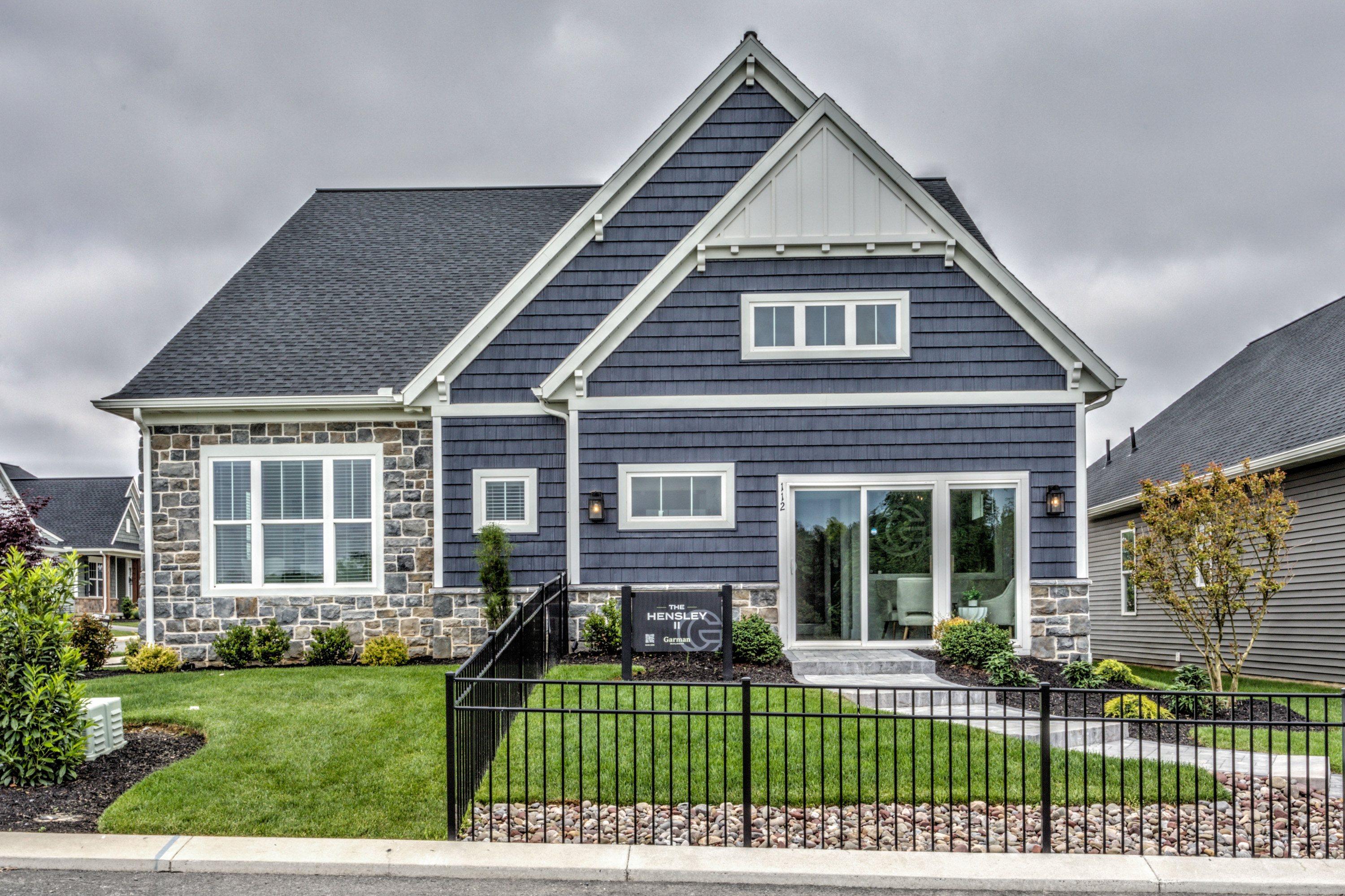
Homes with elevated design selections can offer a lot of built-in value. The buyer is not starting from scratch and the builder may be motivated to move a showcase home once its marketing role is done.
How to Approach the Conversation
You do not need a complicated negotiation strategy. You need clear questions.
Here are the most useful ones to ask on a specific QMI home:
- What incentives are available on this home right now?
- Has the price changed since the home was first listed?
- Are there any current rate buy-down or closing cost promotions tied to this home?
- Is there additional flexibility based on settlement timing?
- Are there community closeout or seasonal offers that apply here?
That approach works because it keeps the conversation specific. You're not asking for a vague deal. You're asking what is available on that exact address, at that exact time.
The Trade-Off Buyers Should Understand
More negotiation room is not always free value. Sometimes it reflects a real trade-off.
A home with stronger flexibility may sit longer because it has a smaller lot, a busier location, a less popular elevation or a design package that appeals to a narrower group of buyers. That does not make it a bad home. It means you should evaluate the whole picture.
A real quick move in home discount is only a smart move if the home still fits the way you live. Price matters, but so do homesite, layout, community location and long-term comfort.
A Real Example: Quick Move-In Opportunity at Wynfield at Annville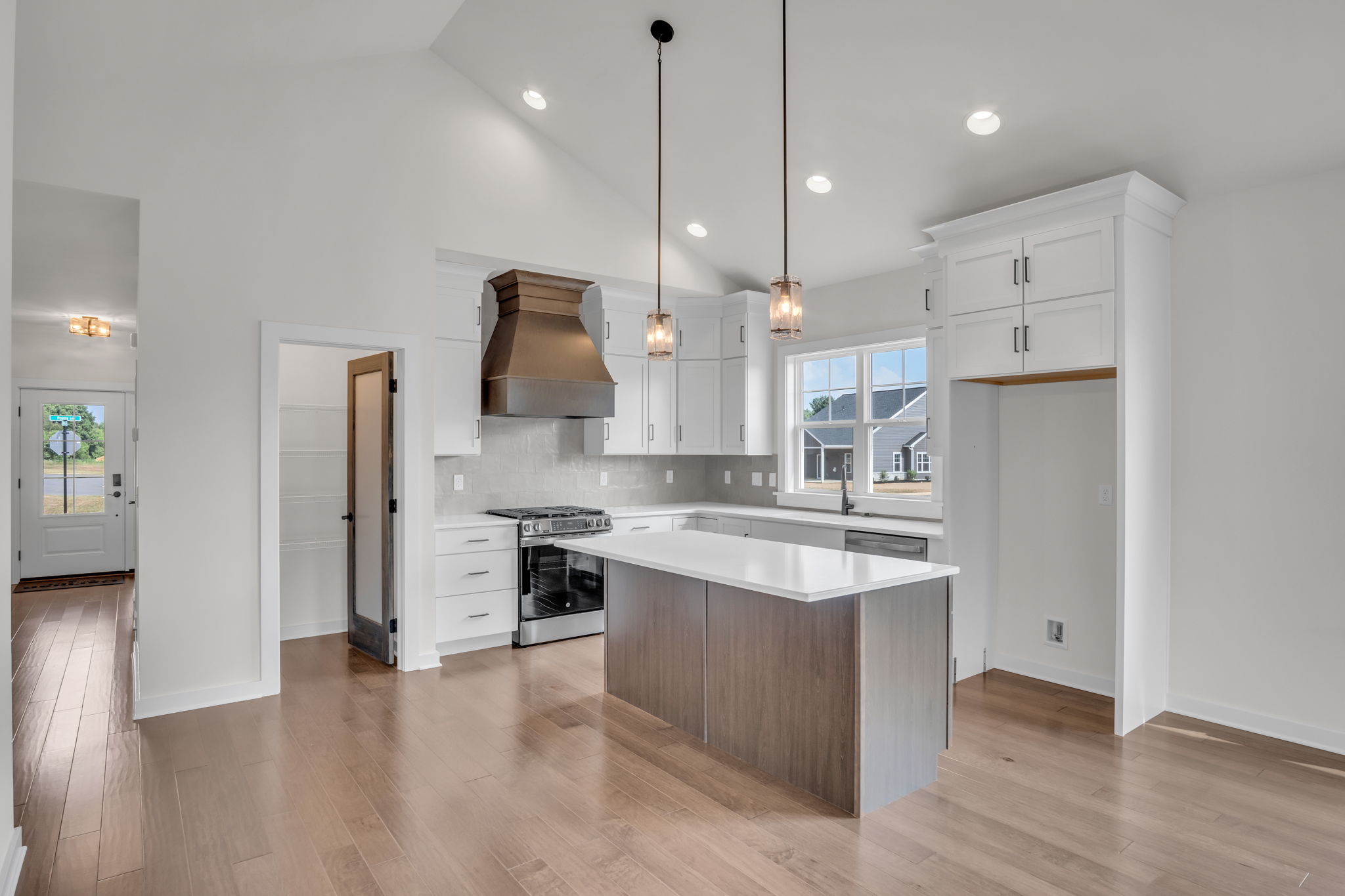
This is where the conversation becomes more practical. At Wynfield at Annville, we have promoted Quick Move-In opportunities that already bring together low-maintenance 55+ living, elevated finishes and a faster path to move.
That includes former model and designer-finished homes, where buyers may find strong value because upgrades are already in place and the home is ready now. These homes can represent the kind of QMI pricing flexibility buyers are looking for, especially when a completed home is already in market and available for a defined timeline.
If you want to see a real local example, read 5 Quick Move-In Homes Now Available at Wynfield at Annville
What This Means for Buyers Looking at a Specific Home
If you have your eye on one Quick Move-In home, do not assume the listed price is final. Ask the question.
The builder may have room through closing cost support, financing incentives or a direct price move, depending on the home and the timing. And because QMI homes are already built or close to it, the conversation is usually more straightforward than buyers expect.
At Garman, we believe in clarity over fine print. If there is flexibility on a home, the best next step is to ask directly and evaluate the total value, not just the sticker price.
FAQs
Are QMI homes negotiable?
Yes, QMI homes are often negotiable. The most common areas of flexibility are closing cost credits, rate buy-downs and home-specific incentives. Direct price changes can also happen, especially on homes that have been listed longer or need to settle within a certain timeframe.
Can you negotiate price on a quick move-in home?
Yes. Buyers can often negotiate price on a quick move-in home, but the result varies by home, market timing and builder goals. In many cases, the better value may come through incentives instead of a straight price reduction.
Why would a builder offer a quick move in home discount?
A builder may offer a quick move in home discount because a finished or nearly finished home carries ongoing holding costs. Selling that inventory can be more valuable than waiting for full asking price.
What incentives are most common on quick move-in homes?
The most common quick move in home incentives are closing cost assistance, mortgage rate buy-downs and occasional price reductions. Some homes may also be tied to seasonal or community-specific promotions.
What is not negotiable on a spec home?
On a spec or Quick Move-In home, the main structure, layout and most finishes are already complete. Buyers are usually negotiating price and incentives, not changing the home's specifications.
When is the best time to negotiate on a move-in ready home?
The best time is usually when the home has been listed for a while, when the builder is closing out a phase or near the end of a quarter or year. Those moments often create stronger motivation to move inventory.
Are former model homes easier to negotiate?
They can be. Former model homes already include upgraded finishes and are no longer needed for showcasing the community once inventory changes. That can create a strong value opportunity for buyers who like the design package and timing.
Ready to Ask About a Specific Quick Move-In Home?
If you're comparing homes and want to know what flexibility exists on a specific address, we're happy to walk you through it. Explore our available homes, ask about current incentives and let us help you find the right balance of price, timing and long-term value.
A better way to build. A smarter way to buy.


 0
0