


Nest Notes
Timeless vs. Trendy: How to Tell Which Design Choices Are Worth Building In

September 11, 2026
Timeless vs. Trendy: How to Tell Which Design Choices Are Worth Building In
Every trend piece tells you what's popular right now. This one tells you which of those choices are worth building in, and which are worth keeping easy to change.
If you've read our piece on Interior Design Trends for 2027, you already know what's showing up in Design Studio appointments across South Central PA this year: warm palettes, color drenching, zoned layouts, softer versions of modern farmhouse. That piece is a snapshot of the moment. This one is different. It's the framework for deciding what to actually do with that information when you're standing in front of a cabinet sample with a six-figure decision in front of you.
The question buyers should be asking isn't "is this trending?" It's "what does it cost me if I'm wrong?" Some design choices are cheap to undo. Others are baked into the house for a decade or more. Knowing the difference is the whole game.
Key Takeaways
- Timeless design choices are defined by broad appeal, a long track record, and no obvious tie to a specific era. Trendy choices have strong current popularity but a shorter shelf life.
- The real filter isn't whether a choice is trendy. It's how expensive and disruptive that choice is to change later.
- Cabinetry, flooring, tile, and countertop material are structural categories. Get these wrong and you're looking at a five-figure redo, not a weekend project.
- Paint color, light fixtures, hardware, and window treatments are swappable categories. These can be updated in a weekend for a few hundred dollars.
- Spend your conviction on the permanent categories. Spend your curiosity on the swappable ones.
- Design choices that dated quickly usually share one trait: they were tied to a specific decade the moment they went in.
- You can bring almost any 2027 trend into your home without regret, as long as you introduce it through paint, fixtures, or accessories instead of cabinetry or flooring.
- Buyers who love their home ten years from now are usually the ones who separated the permanent decisions from the fun ones before they ever sat down at the Design Studio.
What Makes a Design Choice Timeless
Timeless doesn't mean boring, and it doesn't mean the choice everyone else is making because it's safe. It means three specific things.
First, broad appeal. A timeless choice reads well to a wide range of tastes, not just the buyer who picked it. Second, a long track record. Timeless materials and finishes have already survived multiple design cycles without looking dated, which tells you something real about their staying power. Third, no obvious decade stamp. You can't look at a timeless kitchen and immediately guess when it was built. That's the actual test.
Painted white or warm wood cabinetry, natural stone and quartz countertops, wide-plank hardwood or hardwood-look flooring in neutral tones: these have all held up across multiple design eras because they don't scream a specific year. They flex with whatever comes next.
What Makes a Design Choice Trendy
Trendy choices aren't wrong. They're just time-stamped. A trend is defined by strong current popularity paired with a shorter track record, and it's almost always tied to a specific design era that most buyers could identify within a decade if you showed them a photo.
Think about oil-rubbed bronze fixtures and heavily distressed cherry cabinetry from the early 2000s, or the all-gray everything and chevron subway tile that defined 2015 through 2020. Both were the "it" choice in their moment. Both are now the fastest way to date a home the second you walk in. That's not a criticism of the buyers who chose them. It's just what trends do. They peak, they saturate, and then they become a marker of when the house was built rather than a feature of it.
The Cost-to-Change Test
Here's the filter that actually matters, and it has nothing to do with how trendy something is. It's about how expensive and disruptive it is to change later.
A trend you're excited about today might feel dated in five years. That's fine if it cost you $40 and an hour with a screwdriver. It's a much bigger problem if it cost you $18,000 and required tearing out cabinetry down to the studs.
Before you commit to any finish at the Design Studio, ask one question: if I regret this in seven years, what does fixing it actually involve? The answer tells you whether to lean toward timeless or whether trend-chasing is safe.
Structural and Semi-Permanent Categories: Where Timeless Matters Most
Some decisions are effectively permanent once the home is built. These are the categories where we tell buyers to slow down, resist the trend of the moment, and choose what will still feel right in fifteen years.
Cabinetry style and color. This is the single most expensive design decision in most homes, and the hardest to reverse. Refacing or replacing cabinetry is a major project, not a weekend fix.
Flooring. Ripping out flooring means moving furniture, closing off rooms, and often replacing baseboards. It's disruptive, it's dusty, and it's not cheap.
Tile. Once tile is set in a shower, backsplash, or floor, removing it usually means removing the substrate underneath it too. Trendy tile patterns age the fastest of any material in the house, which makes this category especially worth getting right.
Countertop material. Stone and quartz countertops are built to last decades. Swapping them out for a different material means new templating, new fabrication, and a kitchen that's out of commission for days.
If you want a deeper look at how to think through kitchen finishes specifically, our piece on the best kitchen styles for your next remodel walks through timeless kitchen design in more detail.
Easily Swappable Categories: Where Trend-Chasing Carries Little Risk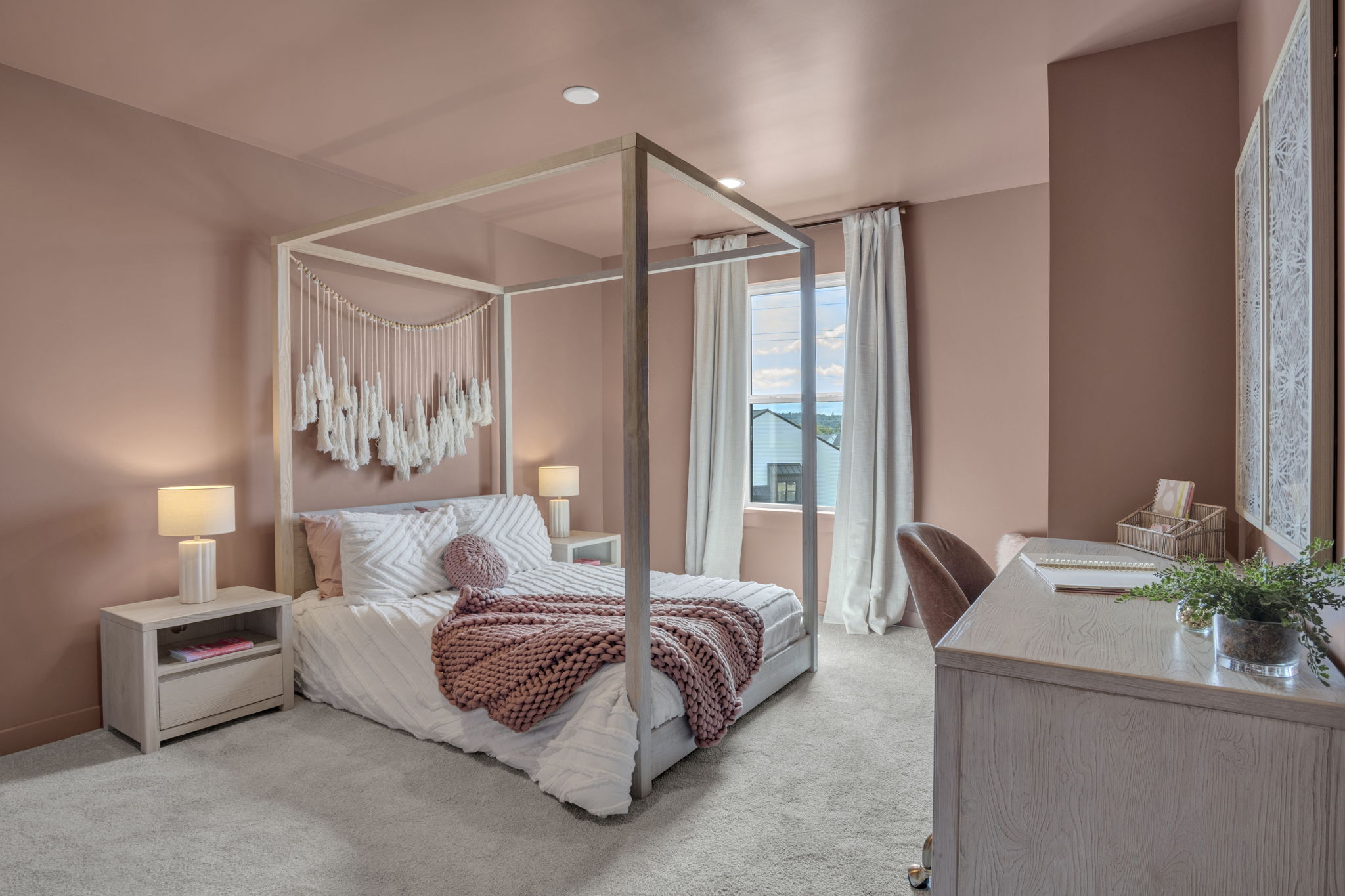
This is where we tell buyers to have fun. These categories are low-cost, low-disruption, and forgiving if your taste shifts down the road.
Paint color. A gallon of paint and a Saturday afternoon changes an entire room. This is the lowest-risk place in the house to chase a trend.
Light fixtures. Swapping a pendant or a chandelier is an afternoon project for most homeowners, and it instantly updates the feel of a space.
Hardware. Cabinet pulls, faucets, and door hardware are inexpensive to replace and make an outsized visual impact for the cost.
Window treatments. These are some of the easiest things in a home to update, and they're rarely a financial regret even if styles shift.
A Practical Framework
Spend your money and your conviction on timeless choices in the permanent categories. Have fun with trends in the swappable ones. That's the whole framework, and it holds up regardless of what's trending in any given year.
This is also exactly how our Design Studio conversations are structured. We walk buyers through which selections are foundational and which ones are flexible, so the decisions that carry real weight get the attention they deserve, and the fun ones stay fun. If you want to know what that process actually looks like in person, we cover it in What to Expect at Your Design Studio Appointment.
Choices That Aged Well vs. Choices That Dated Fast
The clearest way to understand this framework is to look at what's actually held up.
Choices that aged well tend to share a few things: neutral undertones, natural materials, and a lack of any single dominant gimmick. White or wood-toned cabinetry, subway tile in a classic offset pattern, hardwood flooring in medium warm tones, and honed or polished natural stone have all shown up in homes built decades apart without looking out of place in either one.
Choices that dated fast usually did one thing: they leaned hard into a single, identifiable moment. Heavy travertine and oversized arched cutouts marked the early 2000s. All-gray palettes with cool undertones and shiplap accent walls marked the mid-2010s. Neither choice was a mistake at the time. Both are now shorthand for "built in that specific era," which is exactly the outcome you're trying to avoid in the permanent categories of your own home.
Bringing 2027 Trends Into Your Build Without Regret
You don't have to skip the trends covered in our 2027 piece to build a timeless home. You just have to introduce them in the right place.
Want the warm, color-drenched look that's showing up everywhere this year? Do it in paint, on an accent wall, or in a powder room, not across your kitchen cabinetry. Love the current appetite for statement lighting? Put it in your pendants and sconces, categories you can change again in five years without touching a single wall. Drawn to a specific hardware finish that feels very "right now"? Great. Hardware is one of the cheapest updates in the house.
The goal isn't to avoid trends. It's to put them somewhere they can evolve with you instead of somewhere they'll define the house for the next fifteen years.
The Buyers Who Get This Right
The buyers who still love their homes a decade from now aren't the ones who avoided every trend. They're the ones who separated the permanent decisions from the fun ones before they ever picked a single finish. Timeless cabinetry, flooring, and countertops. Trendy paint, fixtures, and hardware. That split does most of the work.
Design also holds up better in a home that was built to last in the first place. If you're weighing how material choices connect to long-term upkeep, our piece on what makes a new home easier to maintain over time is worth a read alongside this one.
Ready to Build a Home That Still Feels Right in 2037?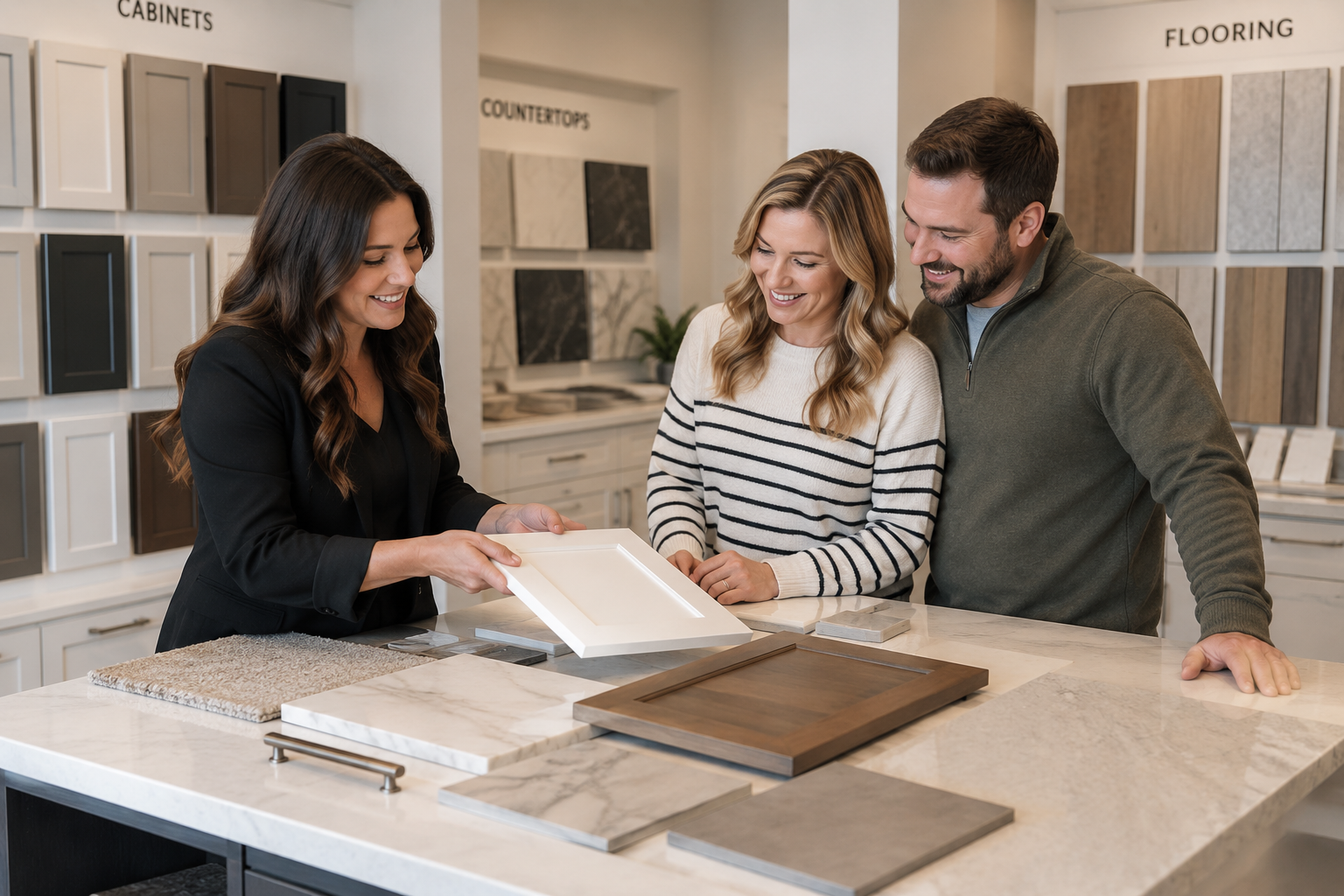
Our Design Studio team helps every buyer work through exactly this kind of decision, permanent versus swappable, timeless versus trendy, so your home reflects your taste today without locking you into a moment that's already passed. Contact our team to schedule your Design Studio appointment and start building a home that's built for the way you live, now and years from now.
Frequently Asked Questions
What's the difference between timeless and trendy design choices?
Timeless choices have broad appeal, a long track record, and no obvious tie to a specific era. Trendy choices are popular right now but tied closely to a design moment most buyers can date within a decade.
What design choices should I avoid in a new home?
Avoid committing to highly trend-specific finishes in permanent categories like cabinetry, flooring, tile, and countertops. These are expensive and disruptive to change, so trend-driven regret hits hardest here.
Where should I splurge on timeless design in a new home?
Splurge on cabinetry style and color, flooring, tile, and countertop material. These categories are difficult and costly to change, so getting them right upfront protects your long-term satisfaction and resale value.
Where is it safe to follow current design trends?
Paint color, light fixtures, hardware, and window treatments are all inexpensive and easy to update. These are the safest places to experiment with whatever's trending in a given year.
How do I avoid trendy home design regret?
Use the cost-to-change test before committing to any finish. If a trend you love would be expensive or disruptive to undo later, choose a timeless version instead and save the trend for a swappable category.

 0
0