


Nest Notes
Cost to Build a House in Pennsylvania in 2026: What New Construction Really Costs

July 21, 2026
New construction pricing is not just the sticker price. That is the part that catches buyers off guard.
If you are trying to understand the cost to build a house in Pennsylvania in 2026, you need more than a base price. You need the full picture: what is included, what is not, what changes from lot to lot, how design selections affect the total and how financing can shift your monthly payment more than the sale price itself.
In South Central PA, we see buyers come in with smart questions and one big concern: “What will this actually cost when everything is added up?” That is the right question. A base price is a starting point, not a final number. And if a builder is not clear about that from the beginning, the process gets frustrating fast.
We take a different approach. We would rather explain the math clearly than bury it in fine print. So here is an honest breakdown of new home cost PA buyers should expect in 2026, especially in South Central Pennsylvania.
Key Takeaways
- The cost to build a house in Pennsylvania in 2026 depends on home type, location, lot, design selections and financing, not just the advertised base price.
- In South Central PA, attached homes can start in the high $200Ks, while many single-family homes land in the $400K to $550K range and premium homes can move well beyond that.
- Base price usually covers the home itself and standard features, but it often does not include lot premiums, many upgrades, closing costs, first-year tax changes or utility setup.
- Lot premiums can add $5,000 to $20,000 or more depending on privacy, views, walkout potential, cul-de-sac placement or oversized homesites.
- Design selections are one of the biggest variables. Many buyers spend about $40,000 to $80,000 in upgrades depending on the community and home type.
- First-year property taxes in Pennsylvania can change after the home is completed and reassessed, which surprises buyers who only budget from the initial estimate.
- Financing matters just as much as price. Interest rate changes, lender credits and rate buydowns can significantly affect the all-in cost.
- The best way to compare builders is not base price to base price. It is full-cost to full-cost, with transparency at every step.
What does new construction cost in South Central PA in 2026?
If you want a direct answer, here it is: in 2026, new construction prices in Central PA range from the high $200Ks for some townhomes to $800K and above for larger estate-style homes in premium locations.
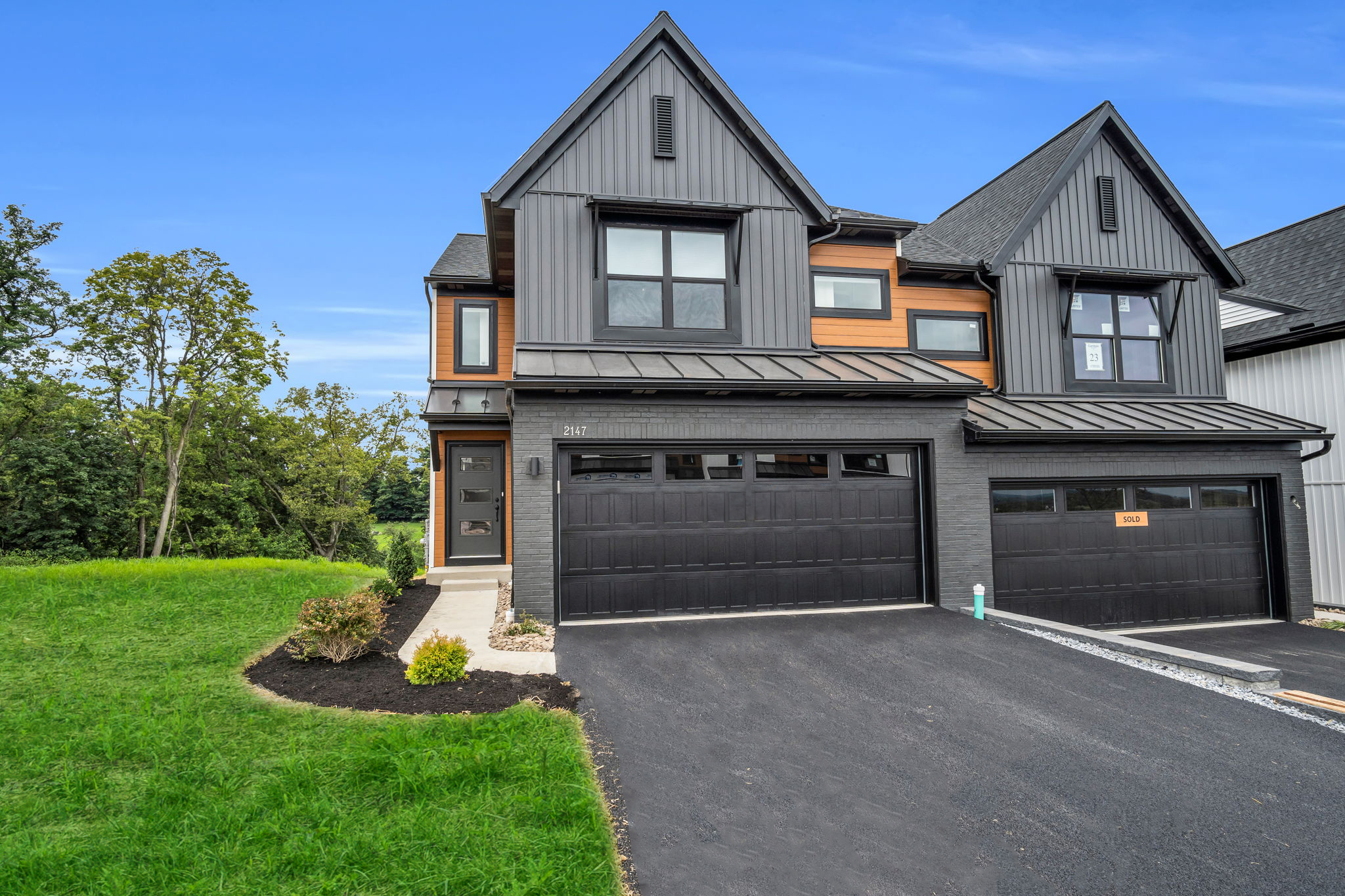
Based on current market conditions across South Central Pennsylvania, Garman communities begin in the high $290Ks for townhomes in Carlisle. Attached homes often fall in roughly the $325K to $390K range. A large share of single-family homes land between about $400K and $550K. Premium and estate product, especially in sought-after school districts and larger homesites, can run past $800K.
That lines up with broader regional trends. South Central Pennsylvania remains more affordable than many nearby metro areas, but pricing is still rising steadily. According to regional market data referenced in our research, the Harrisburg-Carlisle area is expected to see moderate price growth in 2026, and counties like Lancaster, Cumberland and Dauphin continue to show healthy demand.
Typical 2026 new construction price ranges
Here is a practical way to think about how much it costs to build a house in PA in 2026:
- Entry townhomes or attached homes: high $290Ks to upper $300Ks
- Entry-level single-family homes: upper $300Ks to low $400Ks
- Mid-tier single-family homes: roughly $425K to $550K
- Premium, estate or more custom-feeling homes: $650K to $800K+
Those numbers are a starting point. Your final cost depends on the lot, the floor plan, the community, the finishes you choose and the financing you secure.
What is usually included in the base price?
This is where buyers need clarity.
The base price usually includes the core home and a standard package of features. That means the structural shell, the selected floor plan, standard interior finishes and the basic components needed to deliver a completed home.
At Garman, what is included depends on the community and product type, but buyers should generally expect the base price to cover:
- The home itself based on the selected plan
- Standard exterior materials and elevations allowed in that community
- Standard interior finishes and fixtures
- The garage configuration tied to that plan
- Core kitchen and bath layouts
- Heating, cooling, plumbing and electrical systems
- Basic landscaping package, when applicable
- Builder standard construction and energy-efficiency features
That last point matters. Not all homes are built the same behind the walls. We talk a lot about The Garman EDGE because the construction details affect long-term value, comfort and operating costs. Our homes are HERS tested and proven to be 37% more efficient than the average home built today. That does not always show up in a base price sheet, but it shows up in how the home performs.
If you are comparing builders, compare standards too. A lower advertised price does not tell you much if another builder includes less from the start.
What is not included in the base price?
This is where the sticker-price gap usually happens.
A base price is not the same as your all-in cost. Several major items are often separate, and buyers should plan for them early.
Common costs not included in base price
- Lot premium
- Design Studio upgrades and finish selections
- Structural options, if selected
- Well and septic, if applicable in certain locations
- Closing costs
- Prepaid items and escrow setup
- Year-one property tax changes after reassessment
- Utility connection or setup costs
- Appliances or specific landscaping items, depending on builder and community
Not every home includes every one of these line items, but enough of them show up often that buyers should ask for a detailed estimate from the beginning.
This is also why comparing new home cost Lancaster PA or anywhere in South Central PA gets messy online. Public search results often show only starting prices, not the actual build sheet total a buyer sees later.
The lot premium reality
A lot is not just a piece of dirt with a number on it. In new construction, lot value changes based on location within the community and what that homesite offers.
Two buyers can build the same floor plan in the same neighborhood and end up with a very different final price because one homesite backs to open space, sits on a cul-de-sac or supports a walkout basement.
Why some lots cost more
Lot premiums usually reflect things like:
- Better views
- More privacy
- Tree lines or open space behind the home
- Walkout basement potential
- Larger homesites
- End or corner placement
- Cul-de-sac location
- Easier grading or stronger site appeal
In South Central PA, it is not unusual to see a lot premium add $5,000, $10,000, $20,000 or more. In stronger locations or premium sections of a community, it can go higher.
That can feel frustrating until you think about resale and daily life. A better lot affects how the home lives. Backyard privacy, sunlight, driveway layout and space between homes all matter once you move in.
The smart question is not “Why does this lot cost more?” It is “Will I still be glad I paid for this lot five years from now?” Sometimes the answer is yes. Sometimes it is not.
Design center math: where buyers really change the price
Design selections are one of the biggest cost drivers in new construction.
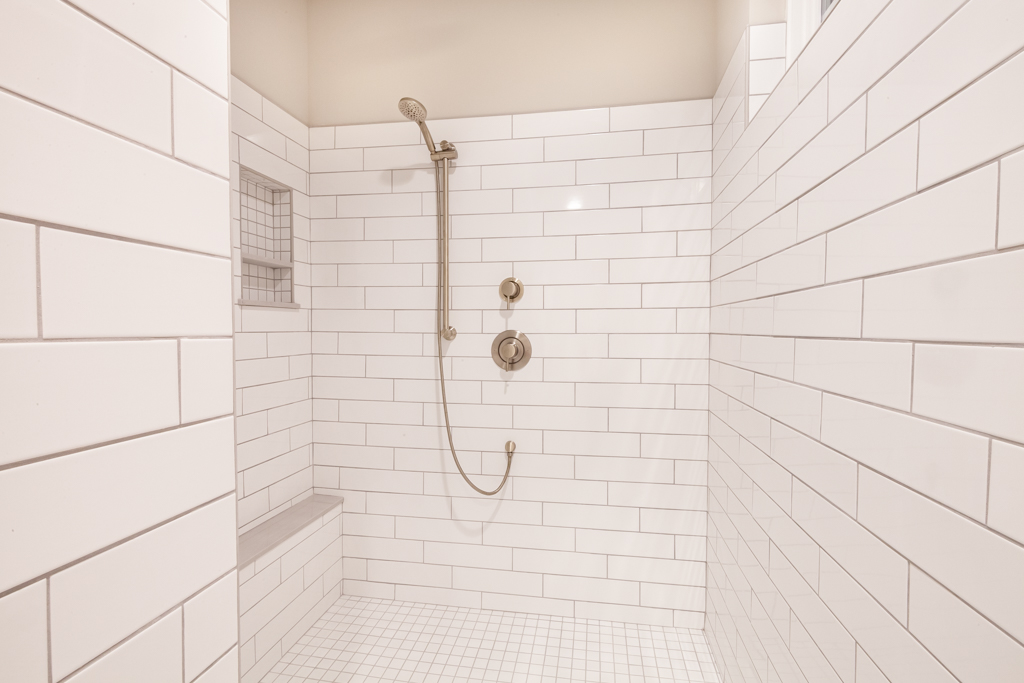
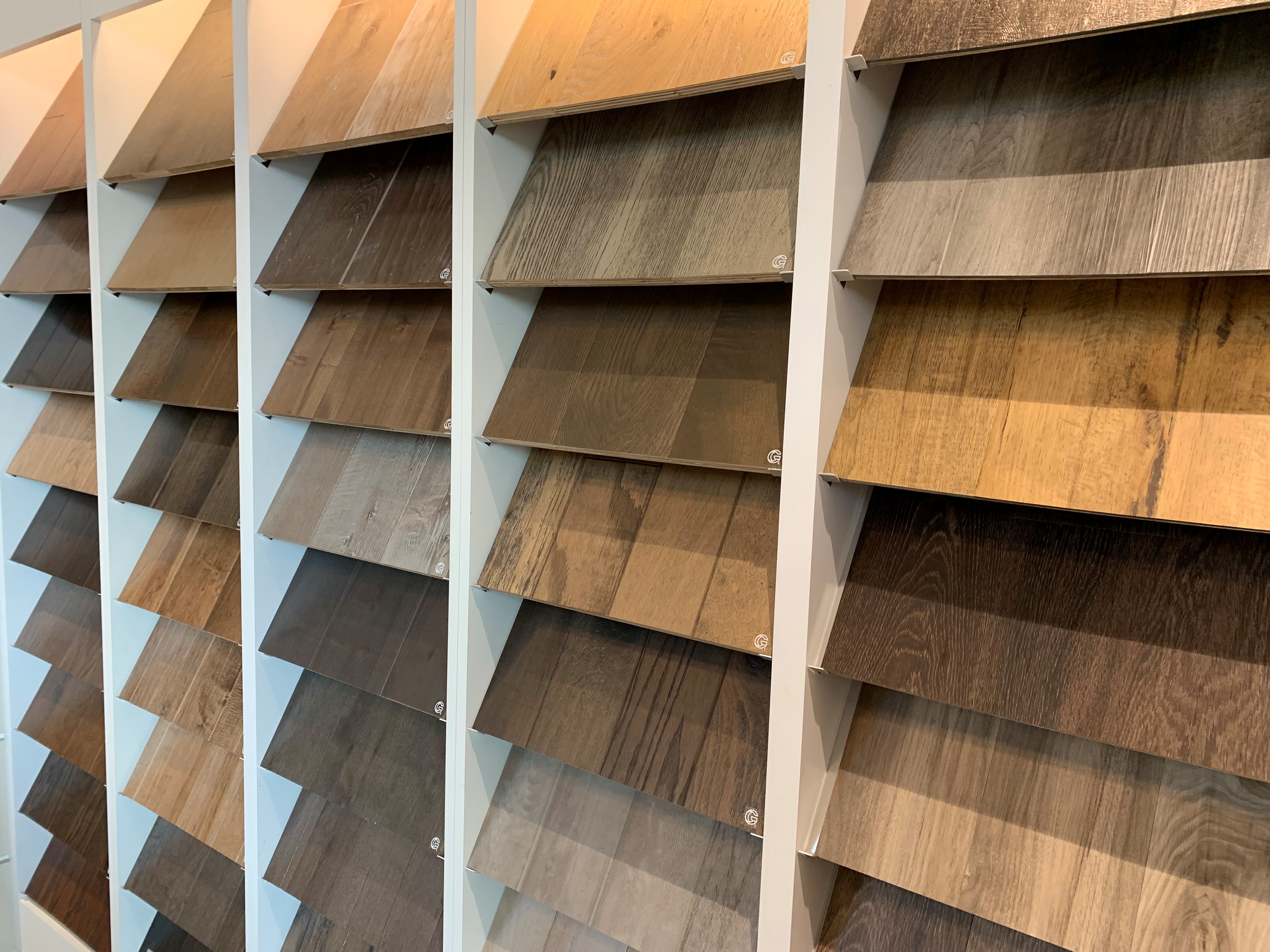
A lot of buyers come in assuming they will keep upgrades light, then realize pretty quickly that there are a few changes they care about more than expected. Better cabinets. A larger kitchen island. Hard surface flooring in more rooms. Quartz countertops. A finished basement. Tiled shower walls. It adds up fast.
For many new-construction buyers in 2026, a realistic upgrade budget is often $40,000 to $80,000. Some spend less. Some spend a lot more. But that range is common enough that it belongs in the conversation from the start.
At Garman, we guide buyers through selections with our in-house Design Studio and online design tools because this is where smart choices matter. The goal is not to upsell everything. It is to help buyers spend where it improves daily life and skip what does not.
Where it usually makes sense to spend more
These are the upgrades buyers tend to appreciate long after move-in:
Kitchen cabinets and countertops
Kitchens take the most daily wear and visual attention.
Flooring in main living areas
This changes the feel of the whole home and is harder to replace later.
Primary bath shower upgrades
Better tile, layout and finishes often deliver real everyday value.
Lighting and electrical placement
Added can lights, ceiling fan rough-ins and smart outlet planning matter more than people expect.
Structural options
Extra windows, expanded layouts, sunrooms, first-floor guest suites or finished lower levels are easier and cheaper to do during construction than after closing.
Where buyers can often save
Not every upgrade needs to happen before move-in.
- Decorative hardware
- Some light fixtures
- Accent paint
- Certain backsplash styles
- Select mirrors
- Garage storage systems
- Some landscaping enhancements
If the home functions well without those items on day one, they can wait. Structural decisions cannot.
That is the cleanest rule in design-center budgeting: if it is behind the walls or tied to framing, do it now. If it is easy to swap later, you can save it for later.
The year-one property tax surprise in Pennsylvania
This one catches people every year.
In Pennsylvania, property taxes on new construction are often reassessed after the home is completed. That means the initial tax estimate you see early in the process may not reflect the final assessed value once the lot has a completed house on it.
So if you budget only from the early number, your monthly payment can jump when the full assessment catches up.
What buyers should expect
The exact timing and amount vary by municipality and county, but the pattern is consistent:
- You may see taxes estimated initially based on the land or a partial assessment.
- After the home is completed, the property is reassessed.
- Your tax bill adjusts to reflect the improved value of the finished home.
That does not mean something went wrong. It means the final tax picture took time to catch up with the actual house.
This matters for anyone researching the average new home cost Pennsylvania buyers face, because tax changes are part of ownership cost, not just purchase cost. Buyers should ask their lender and sales team for a realistic post-completion estimate, not just the preliminary figure used in early projections.
Closing costs in Pennsylvania: what buyers should budget
Closing costs are not hidden exactly, but they are often underestimated.
In Pennsylvania, buyers should budget for lender fees, title-related charges, recording fees, escrows, prepaid taxes and homeowners insurance, along with other loan-related items. The amount depends on the loan type, purchase price, lender and timing.
Typical closing cost range
A common planning range is about 2% to 5% of the purchase price, though your actual number may land outside that depending on financing structure and prepaid items.
For example:
- On a $300,000 home, closing costs might fall around $6,000 to $15,000
- On a $450,000 home, they might land around $9,000 to $22,500
- On a $650,000 home, they might reach $13,000 to $32,500
That is a planning range, not a quote. Escrows and prepaid items can move those numbers around.
What may be negotiable
Some parts of closing costs are fixed. Others may be reduced through lender credits, seller incentives or preferred-lender programs.
Potentially flexible items include:
- Certain lender fees
- Rate buydown structure
- Origination-related costs
- Incentive use toward closing cost support, if offered
This is one reason financing should be part of the home conversation early, not at the end.
How financing changes the all-in price
A lot of buyers focus on sale price because it feels concrete. But financing often affects affordability just as much.
In 2026, the rate environment still matters. Mortgage rates opened the year in the low-6% range, and payment sensitivity remains high. That is why the structure of the loan, any temporary or permanent rate buydown and available lender incentives can change the real monthly cost more than trimming a few thousand dollars from the house price.
Financing factors that affect total cost
- Interest rate
- Loan type
- Down payment
- Rate buydown structure
- Lender credits
- Closing-cost assistance
- Refinance flexibility
- Escrow setup for taxes and insurance
At Garman, affordability tools matter because buyers want control. Programs like Garman Pathways™ to Homeownership are built around that reality, with features designed to lower the upfront cash barrier and give buyers more confidence if market conditions change. That is a real differentiator in a market where affordability questions stop good buyers from moving forward.
Builder-preferred lenders can also streamline communication and may offer pricing advantages or incentives, though buyers should always compare options and choose what works best for them.
The right financing strategy does not make the home cheaper. It makes the path clearer and the payment more manageable.
Sample buyer scenarios: what the all-in number can look like
These examples are not universal quotes. They are realistic planning scenarios based on the price bands we see in South Central PA. The point is to show how base price turns into a real budget.
Scenario 1: Around $300K
This buyer is typically looking at an entry-level townhome or more attainable attached home in a value-oriented community.
What the base price might buy:
- New townhome or attached home
- Standard feature package
- Energy-efficient new construction
- Lower maintenance than resale
- Modern layout and finishes
Possible cost breakdown:
- Base price: $295,000
- Lot premium: $5,000
- Design selections: $15,000
- Closing costs and prepaids: $9,000 to $12,000
- Utility setup and moving-related costs: variable
Estimated all-in cash and contract picture:
Roughly $315,000 to $327,000 before ongoing ownership costs, depending on lender structure and selected finishes.
This is where buyers often compare new versus resale most aggressively. It is worth looking at our new vs. used home resource because older homes at a lower list price can still carry higher maintenance and energy costs.
Scenario 2: Around $450K
This is one of the most active price points for single-family buyers in South Central Pennsylvania.
What the base price might buy:
- Entry-level to mid-tier single-family home
- More square footage
- Garage
- Better kitchen and living flow
- More personalization options
- Community-focused location
Possible cost breakdown:
- Base price: $425,000
- Lot premium: $10,000
- Design selections: $35,000
- Structural options: $10,000
- Closing costs and prepaids: $12,000 to $18,000
Estimated all-in cash and contract picture:
Roughly $492,000 to $498,000, with monthly payment shaped heavily by rate, taxes and down payment.
This is the range where buyers often need to make tradeoffs. Better lot or better finishes? Finished basement or larger kitchen package? We help buyers think through that in terms of daily use, not just wish-list excitement.
Scenario 3: $650K and above
This buyer is often shopping for a premium single-family home, a larger homesite, a stronger school-district location or a more personalized home experience.
What the base price might buy:
- Larger single-family home or estate-style plan
- More square footage and more flexible space
- Higher-end included features, depending on community
- Greater design freedom
- Premium location or homesite opportunity
Possible cost breakdown:
- Base price: $625,000
- Lot premium: $20,000 to $40,000
- Design selections: $60,000 to $100,000
- Structural options: $20,000+
- Closing costs and prepaids: $18,000 to $30,000+
Estimated all-in cash and contract picture:
Roughly $743,000 to $815,000+, depending on homesite, finish level and financing.
At this level, buyers are usually less surprised by upgrades and more focused on getting the house right. Layout decisions, outdoor living, kitchen function and long-term comfort matter more than shaving small amounts off the contract price.
How to compare builders without getting misled by starting prices
This is the most practical advice we can give.
If you are comparing builders in 2026, do not compare the ad. Compare the worksheet.
A transparent pricing conversation should show:
- Base price
- Lot premium
- Included features
- Expected upgrade range
- Structural options under consideration
- Closing-cost estimate
- Property tax estimate after reassessment
- Financing assumptions
That is how buyers get real control.
We built our process around confidence from contract to closing because uncertainty is one of the hardest parts of buying a home. Our homebuilding process and financing resources are designed to make that part easier to understand, not harder.
The cheapest starting price is not always the better deal. And the most expensive home is not always the best value. The right comparison is total cost, total quality and total confidence.
What this means for buyers in 2026
The good news is that new construction is more competitive with resale than a lot of buyers assume.
Industry data shows the old gap between new and resale has narrowed, and South Central Pennsylvania remains one of the more attractive housing markets for buyers who want space, quality and relative affordability. That matters whether you are researching building a house in PA cost, shopping for a townhome near Carlisle or comparing a single-family home in Lancaster, Lebanon, York or Cumberland County.
The bigger point is this: pricing clarity matters.
A buyer can handle a number. What they hate is a surprise.
That is why we believe in walking through the cost openly, line by line, before decisions get emotional. More value. More control. More confidence. That is a better way to build and a smarter way to buy.
Ready to price a new home with fewer surprises?
If you are trying to understand the real new home cost PA buyers should expect in 2026, we are happy to walk through it with you. No vague ranges. No fine print first. Just a clear conversation about community, home type, homesite, selections and financing so you can see what fits.
Explore our available homes, browse our floor plans or contact us to talk through your budget with our team. We will help you build a plan around the way you live.
FAQs
How much does it cost to build a house in PA in 2026?
In 2026, the cost to build a house in Pennsylvania can range from the high $200Ks for some townhomes to $800K and above for premium single-family and estate homes. In South Central PA, many single-family homes fall between about $400K and $550K before lot premiums, upgrades and closing costs.
What is included in a new home base price?
The base price usually includes the home plan, standard structural construction, standard finishes, core systems, garage configuration and a builder’s included feature package. It does not automatically mean every lot, finish or upgrade is included.
What is usually not included in new construction pricing?
Common extra costs include lot premiums, design upgrades, some structural options, closing costs, prepaid items, utility setup and the final impact of property tax reassessment. In certain locations, well and septic costs may also apply.
Why do some new construction lots cost more?
Lot premiums are based on value within the community. Homesites with better views, larger yards, walkout basement potential, cul-de-sac placement, privacy or open-space backing often cost more than standard lots.
How much do buyers typically spend on upgrades?
A realistic range for many buyers is about $40,000 to $80,000 in design selections and upgrades, though the actual number depends on the home type, included features and personal priorities. Structural changes and finished lower levels can push that higher.
Are closing costs negotiable on a new home in Pennsylvania?
Some closing-cost components are fixed, but others may be reduced through lender credits, builder incentives or preferred-lender programs. Buyers should ask for a full estimate early and compare financing structures before assuming the final number.
Why do property taxes change after a new home is built?
In Pennsylvania, new construction is often reassessed after completion. Early estimates may reflect only the land or a partial value. Once the finished home is assessed, the tax bill usually adjusts upward to match the improved property value.
Is new construction more expensive than resale in Central PA?
Not always. Resale can look cheaper upfront, but older homes may bring higher maintenance costs, less efficiency, outdated layouts and more repair risk. New construction often delivers better energy performance, lower maintenance and more predictable ownership costs.


 0
0