


Nest Notes
Build New Home vs Quick Move-In: Which Garman Home Path Fits You Best?

July 23, 2026
You’ve decided on Garman. Now the question is whether to build a new home from the ground up or move into a Quick Move-In home that’s ready or nearly ready today. Here’s how to figure out which is right for you.
This is one of the most common questions we hear from buyers across South Central Pennsylvania, and for good reason. Both options give you a brand-new Garman home, better-built, more efficient construction and the confidence that comes with working with a trusted local builder. But the experience can feel very different depending on your timeline, your budget and how involved you want to be in the design process.
If you need to move soon, want to see the home before you buy it or need more certainty around timing, a Quick Move-In home may be the better fit. If you want more say in the floor plan, structural options and finishes, building from the ground up usually makes more sense.
We’ll walk through the exact differences so you can decide with more control and more confidence.
Key Takeaways
A Quick Move-In home is a brand-new Garman home that is already finished or close to completion, usually available for move-in within 30 to 90 days.
- Building from the ground up gives you the most personalization, including structural options, elevation choices and design selections.
- Quick Move-In homes are the faster path, while ground-up builds usually take about 6 to 10 months.
- Both options are new construction and include the same Garman quality, craftsmanship and warranty coverage.
- Quick Move-In homes often make budgeting easier because pricing is clearer upfront and the home is already taking shape.
- Ground-up builds are a strong fit for buyers who have more time and want a home shaped around their exact preferences.
- Quick Move-In homes are especially helpful for relocation buyers, move-up buyers and anyone navigating a tighter life timeline.
- Garman Pathways™ can support buyers on either path, helping create smarter ways forward whether you build or buy now.
What is a Quick Move-In home?
A Quick Move-In home is a brand-new home we’ve already started building, or one that is nearly complete, and available for purchase with a faster move-in timeline. In most cases, that means you can move in within about 30 to 90 days, depending on the stage of construction.
That’s the simple answer. But here’s what it really means for a buyer.
A Quick Move-In home gives you a chance to buy new construction without waiting through the full build process from lot selection to final walkthrough. The home may already be framed, drywalled, trimmed out or fully complete. In some cases, it’s ready now. In others, it’s just weeks away.
This option works well for buyers who want the benefits of new construction but don’t want to start from scratch. It’s also useful when life is setting the schedule for you, not the other way around. Maybe your lease is ending. Maybe your current home is under contract. Maybe a job change moved things up faster than expected.
A Quick Move-In home is a new construction home that is already built or close to completion and typically available to close within 30 to 90 days.
Is a Quick Move-In home still new construction?
Yes. A Quick Move-In home is still new construction.
That point matters because buyers sometimes assume “Quick Move-In” means resale, model-home condition or something less custom, less current or less protected. It doesn’t. A Quick Move-In home is a brand-new Garman home. No one has lived in it. It’s built to the same standards as any other home we offer.
You still get the craftsmanship you can see and the performance you can feel. You still get the same thoughtful design approach. You still get the benefit of better-built, more efficient homes designed around the way people actually live. And you still get warranty coverage and customer care after settlement.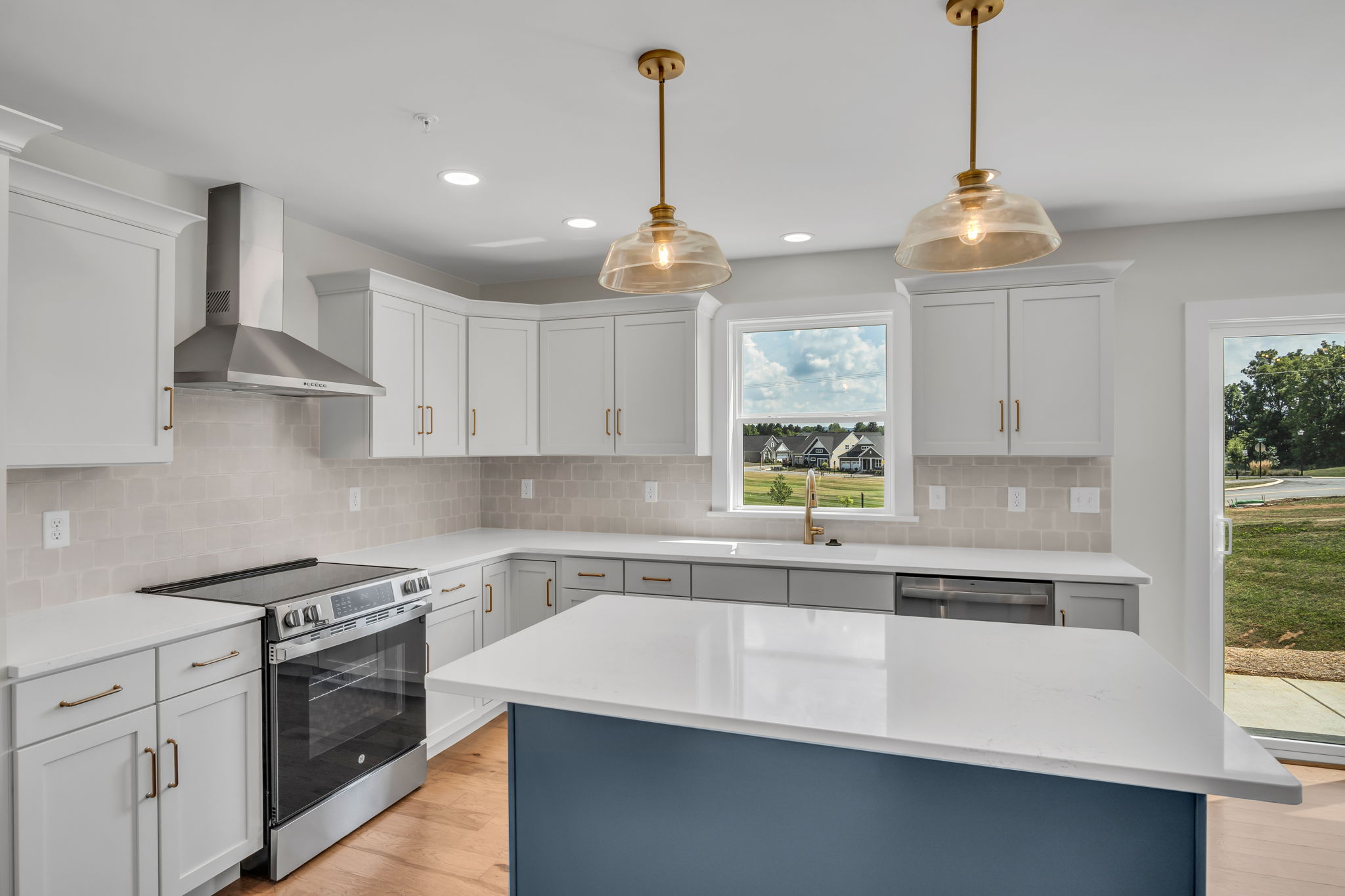 In a ground-up build, you are involved earlier in the process. In a Quick Move-In home, more of the decisions have already been made, or the home is already far enough along that the path is set. But it’s still a new home with all the advantages that come with buying new versus used, including new systems, modern materials, energy-efficient construction and lower maintenance needs from day one.
For buyers comparing [new vs. used homes](https://www.garmanbuilders.com/new-vs-used), this is where the value becomes clearer. You’re not compromising on quality by choosing a Quick Move-In home. You’re choosing a different path to the same standard of home.
Yes. A Quick Move-In home is a brand-new home, not a resale home. It includes the same Garman quality, the same new-construction standards and warranty coverage.
What are the benefits of building from the ground up?
Building from the ground up gives you the highest level of personalization and the most control over how your home comes together.
For a lot of buyers, that’s the whole point. They don’t just want a new home. They want a home that reflects how they live, what they need and what matters to them long term.
When you build from the ground up, you usually have more ability to shape the home in three main ways:
1. You can personalize the structure
This is the biggest difference between building and buying a completed home.
Depending on the community, home plan and stage of release, you may be able to choose structural options, modify layout features, select elevations and make plan decisions that affect how the home lives every day. That might mean adding usable space, creating a better flow for your family or choosing features that support a specific lifestyle.
2. You may be able to choose your homesite
For buyers who care about lot placement, views, yard shape, sun exposure or proximity to open space, building early can matter a lot. In many communities, ground-up buyers have more opportunity to choose the homesite that fits their priorities.
That’s not a small detail. The lot affects how the home feels long after the paint colors fade into the background.
3. You get more finish and design flexibility
Our Design Studio experience helps buyers personalize the look and feel of their home with guidance and clarity. Depending on the timing and plan, building from the ground up gives you a wider range of choices for cabinets, countertops, flooring, fixtures and other finishes.
That’s a strong fit for buyers who know what they want, or who simply want the home to feel more tailored from the beginning.
4. You have more time to plan
A longer timeline can actually be an advantage.
If your move is several months away, a ground-up build gives you time to prepare for the transition, organize the sale of your current home, plan finances and move through the process without rushing every decision. For some households, that runway creates less stress, not more.
5. You’re involved in the design journey
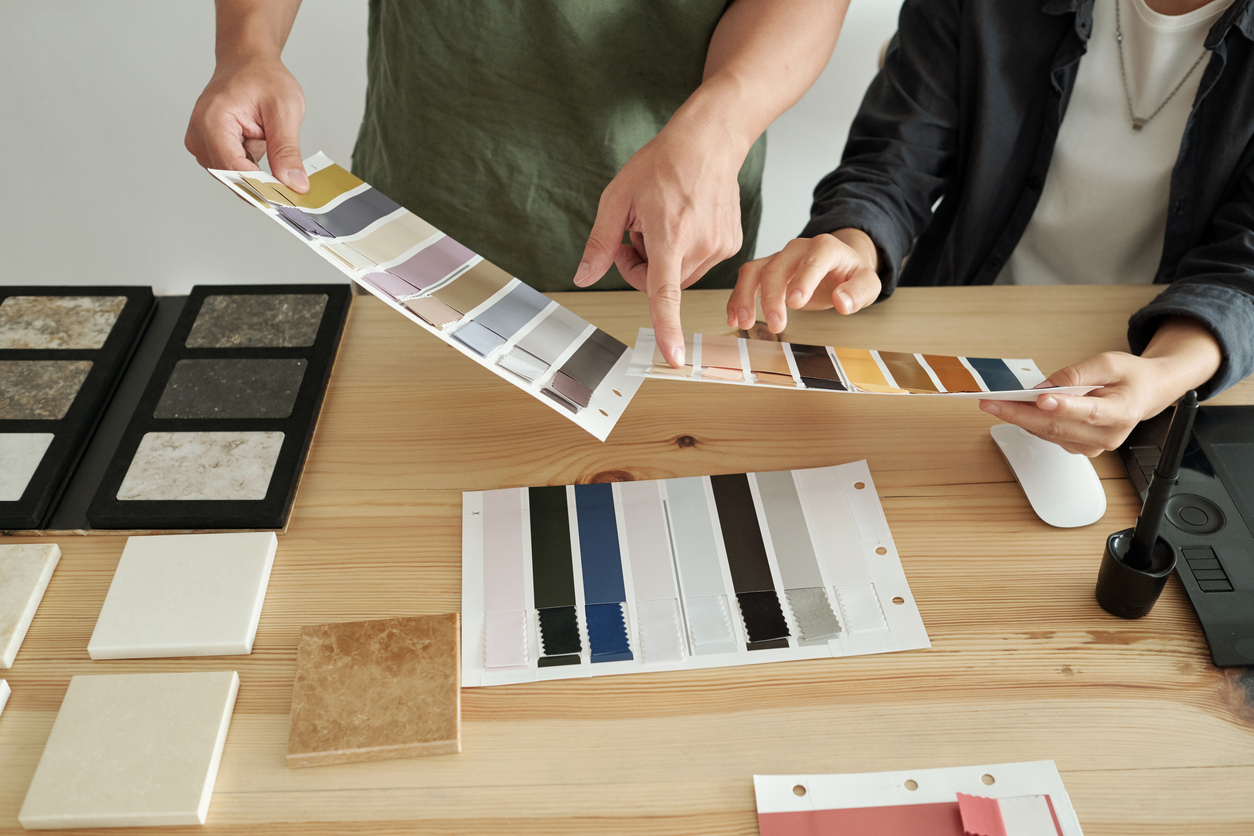
There’s also a personal side to building. You get to watch the home take shape, make choices along the way and feel more connected to the result. For buyers who want that experience, it’s hard to replace.
The biggest benefits of building from the ground up are full personalization, potential lot selection, more design flexibility and a longer planning timeline.
What are the benefits of buying a Quick Move-In home?
Quick Move-In homes solve real-life timing problems without asking you to give up the advantages of buying new.
For some buyers, that alone makes the decision easy. But there’s more to it than speed.
1. You can move in faster
This is the headline benefit. A Quick Move-In home is the faster path to owning a new Garman home.
Instead of waiting months for the full build cycle, you may be able to close in 30 to 90 days depending on where the home is in construction. That matters if your current timeline is fixed, tight or simply unpredictable.
2. You can see what you’re buying
Some buyers love making selections. Others would rather walk through a real home and know exactly what the kitchen looks like, how the light hits the family room and whether the layout feels right.
A Quick Move-In home gives you more visual certainty. You’re not trying to imagine a finished product from plans, samples and renderings alone. You can often see the actual home, the actual lot and the actual design choices that come with it.
3. Pricing is often easier to understand
With a Quick Move-In home, much of the pricing picture is already defined. The selections are chosen, the structural options are set and the home’s value is easier to evaluate in one number rather than a base price plus a chain of decisions.
For buyers who want budget certainty, this can be a real advantage.
4. Quick Move-In homes may include incentives
Available homes are often a strong fit for current promotions or savings opportunities, depending on the home and timing. That can create meaningful value for buyers who want a more immediate move and a more streamlined purchase.
Because incentives can change, it’s smart to ask what is currently available on a specific home. You can start by exploring our available homes and talking with our team about current offers.
5. They work well for relocation and life transitions
Quick Move-In homes are often the right answer when life doesn’t leave much room to wait. Relocation buyers, growing families, move-up buyers, empty nesters and households selling an existing home often need a path that is faster and more predictable.
In those cases, a Quick Move-In home isn’t the compromise. It’s the smarter way forward.
You can also look for community-specific examples in our Quick Move-In spotlight content, where we break down available homes and what makes each one a strong opportunity.
The biggest Quick Move-In home benefits are faster move-in, clearer pricing, the ability to see the finished home and better alignment with tight or changing timelines.
Which option is faster?
Quick Move-In is faster. That’s the clearest difference between the two paths.
A Quick Move-In home typically closes within 30 to 90 days, depending on how far along the home is when you purchase it. If the home is nearly complete, your move could happen quickly. If it’s still being finished, you still get a shorter timeline than a full ground-up build.
Building from the ground up usually takes about 6 to 10 months.
That timeline can vary based on the plan, community, homesite, weather, construction stage and design decisions, but the broad comparison stays the same:
- Quick Move-In home: about 30 to 90 days
- Ground-up build: about 6 to 10 months
For buyers trying to line up a school-year transition, a relocation, a lease expiration or the sale of a current home, that timing gap matters. A lot.
This is also where Garman’s Guaranteed Settlement promise becomes especially meaningful. Confidence from contract to closing matters whether you’re building from the ground up or buying a home that’s already underway. Buyers don’t just want speed. They want reliability.
A Quick Move-In home is faster. Most are available within 30 to 90 days, while a ground-up build typically takes 6 to 10 months.
Which option offers more personalization?
Building from the ground up offers more personalization. That’s the tradeoff for the longer timeline.
If personalization is your top priority, building is usually the better fit because it gives you the broadest range of choices across layout, structural options and finishes. Depending on the stage of the home and the community, that may include:
- Structural changes or added options
- Elevation selection
- Cabinet, flooring and countertop choices
- Fixture and finish selections
- Design Studio guidance throughout the process
A Quick Move-In home can still offer some flexibility, but it depends on the construction stage.
If the home is in a late stage but not yet complete, there may still be a limited window to personalize certain finishes. If the home is complete, the structural and design decisions are already set.
That’s not necessarily a negative. In fact, some buyers prefer it. A finished or nearly finished Quick Move-In home cuts down the number of decisions and speeds up the process. It can feel simpler, cleaner and less overwhelming.
So the better question isn’t just “Which option has more personalization?” It’s “How much personalization do I actually want?”
Some buyers want every choice. Others want a well-designed home with fewer decisions and faster results.
Ground-up builds offer the most personalization. Quick Move-In homes may allow some limited finish changes if the home is not yet complete, but completed homes do not allow structural changes.
Is a Quick Move-In home a good option for move-up buyers?
Yes. In a lot of cases, it’s an especially smart option for move-up buyers.
Move-up buyers are often trying to solve for more than one thing at once. They need more space, a better layout or a different location, but they’re also managing the sale of an existing home, the timing of a move and the financial overlap between two properties. That’s where Quick Move-In homes can make the process easier.
A faster timeline helps narrow the gap between selling your current home and moving into the next one. A more defined price can make budgeting cleaner. A home that is already taking shape or nearly done can also reduce uncertainty. You know what you’re buying, and you have a clearer sense of when it will be ready.
That doesn’t mean every move-up buyer should choose Quick Move-In. If your current home isn’t on the market yet, your timeline is more flexible and you want to personalize the next home in a bigger way, building from the ground up may still be the better fit.
But if timing is tight, if you want more confidence around your move window or if coordinating two transactions feels like the hardest part, Quick Move-In deserves serious consideration.
For a deeper look at that process, our Move-Up Buyers Guide covers what to think about when you’re selling one home while buying another.
How do I decide which option is right for me?
The best way to decide between build new home vs Quick Move-In is to ask four direct questions.
This decision usually gets clearer fast when you stop treating it like a general preference and start treating it like a fit question.
The 4-question decision framework:
1. How soon do I need to move in?
If your timeline is short or fixed, Quick Move-In is usually the better answer.
If you need to move within the next one to three months, a home that’s already built or nearly complete is the obvious fit. If your move is six months or more away and you have room to plan, a ground-up build becomes more realistic.
Ask yourself what’s driving the timeline. Lease end. Current-home sale. Job change. School calendar. Family transition. The tighter that timeline is, the more Quick Move-In makes sense.
2. How much design flexibility do I need?
If you want control over layout, structural options and a broader range of finishes, build from the ground up.
If you’re comfortable choosing from homes with selections already made, or you’d rather avoid decision fatigue, Quick Move-In may be the better path. A lot of buyers say they want full personalization until they realize how many decisions that actually involves.
There’s no right personality for either option. Just a right fit.
3. What’s my budget certainty vs. flexibility?
If you want a clearer price picture early, Quick Move-In often helps.
Because the home’s features are already selected, pricing is generally easier to understand upfront. If you build from the ground up, your budget may have more room to move based on the structural and design choices you make along the way.
That flexibility can be valuable. It can also create drift if you’re not careful. Buyers who want tighter guardrails often appreciate the predictability of a Quick Move-In home.
4. What’s the risk of my current-home timeline slipping?
This question matters most for move-up buyers, but it applies to anyone balancing another property, a relocation window or shifting life logistics.
If your current-home sale could move faster or slower than expected, a Quick Move-In home may help compress uncertainty. If you’re still months out and need time for preparation, repairs or listing strategy, building from the ground up may create more breathing room.
The main thing is this: don’t choose based on what sounds ideal in theory. Choose based on what makes your actual life easier.
What about financing and affordability?
This is where a lot of buyers pause, and understandably so. The path you choose affects timing and customization, but both options still need to work financially.
That’s why it helps to look at affordability as part of the decision, not after it.
Quick Move-In homes often appeal to buyers who want cost clarity. Ground-up builds often appeal to buyers who want flexibility and are willing to manage more moving parts. Neither path is automatically more affordable in every case. It depends on the home, the community, the current incentives and your priorities.
What matters is finding the home path that gives you the right balance of monthly comfort, upfront control and long-term value.
Our financing information is a good place to start, and Garman Pathways™ is built to support buyers who want smarter ways forward with more confidence. Whether you choose a Quick Move-In home or build from the ground up, ask our team how current affordability tools and promotions may apply.
Why this choice matters more than buyers think
A lot of buyers frame this as a simple customization question.
Do I want to pick everything, or do I want something faster?
That’s part of it, but not most of it. The real decision usually comes down to how you want to manage stress, certainty and tradeoffs.
Building from the ground up gives you more control over the home itself. Quick Move-In often gives you more control over timing, visibility and decision load. Neither path is better in every case. But one will usually fit your life better right now.
That’s why we don’t push buyers toward a one-size-fits-all answer. Some households need flexibility. Others need clarity. Some want the Design Studio experience. Others want to walk through a home, point to the kitchen and say, yes, this is it.
A smarter way to buy starts with being honest about what matters most.
Which path tends to fit different buyer types?
While every situation is different, a few patterns show up often
Quick Move-In tends to fit buyers who:
- Need to move soon
- Are relocating for work or family
- Want to see the actual home before purchasing
- Prefer a more defined price upfront
- Want to reduce the number of design decisions
- Are coordinating the sale of a current home
Building from the ground up tends to fit buyers who:
- Have a longer planning window
- Want more structural and design choices
- Care strongly about homesite selection
- Want a home that feels more tailored from the beginning
- Enjoy being involved in the process from the start
This is also why we recommend buyers explore both paths before deciding. Sometimes a buyer starts convinced they want to build, then finds an available home that checks every box. Other times a buyer thinks Quick Move-In is the answer, then realizes they’d regret not making more structural choices.
Seeing what’s actually available helps.
How to take the next step with confidence
If you’re comparing ready to move in vs build, start with the practical side first.
Look at your timeline. Look at your budget. Look at how much flexibility you really want. Then compare that against what’s currently available in the communities you like.
From there, the next steps are straightforward:
1. Browse our available homes to see current Quick Move-In opportunities.
2. Explore our floor plans if you’re leaning toward building from the ground up.
3. Review our homebuilding process, so you know what to expect.
4. Ask about Garman Pathways™ and current affordability solutions for either option.
5. Talk with our team about your timing, your community preferences and what kind of path fits best.
That conversation is usually what turns uncertainty into clarity.
Find the Garman path that fits your life
The choice between building a house vs buying new construction that’s already underway comes down to this: do you need more time to personalize, or do you need a home sooner with more certainty built in?
If speed, visibility and a more defined path matter most, a Quick Move-In home may be exactly right. If personalization, homesite choice and a longer planning runway matter more, building from the ground up is often the better fit.
Either way, you’re still getting a home built for the way you live, backed by craftsmanship, care and confidence from contract to closing.
Frequently Asked Questions
What is the meaning of a Quick Move-In home?
A Quick Move-In home is a brand-new home that has already been built or is close to completion and is available for a faster closing, usually within 30 to 90 days.
Is a Quick Move-In home still considered new construction?
Yes. A Quick Move-In home is still new construction. It has not been previously owned or lived in and includes the same quality standards and warranty coverage as other new Garman homes.
What are the main benefits of building from the ground up?
Building from the ground up gives buyers more personalization, more structural choices, more finish flexibility and often more opportunity to select a preferred homesite.
What are the main Quick Move-In home benefits?
Quick Move-In home benefits include a faster move-in timeline, clearer upfront pricing, the ability to see the actual home before buying and better alignment with relocation or tight move deadlines.
Which is faster, Quick Move-In or to-be-built?
Quick Move-In is faster. Most Quick Move-In homes are available within 30 to 90 days, while a to-be-built or ground-up home usually takes 6 to 10 months.
Which option gives me more personalization?
A ground-up build gives you more personalization. Quick Move-In homes may allow limited finish changes if they are not yet complete, but completed homes do not allow structural changes.
Is a Quick Move-In home a good fit for move-up buyers?
Yes. Quick Move-In homes are often a strong fit for move-up buyers because they can make it easier to coordinate the sale of a current home with the purchase of a new one.
Can Garman Pathways™ be used with either option?
Ask our team about how Garman Pathways™ and current affordability solutions apply to both available homes and to-be-built opportunities. We’ll help you understand which options fit your purchase path best.


 0
0