


Nest Notes
What Credit Score Do You Need to Buy a House, Especially a New Construction Home?

August 19, 2026
Most conventional loans for new construction require a credit score of at least 620, FHA loans can go as low as 580, and the best rates typically start around 740. Here is what those numbers actually mean for you.
If you are asking what credit score to buy a house, you are usually not looking for a lecture on credit. You want to know whether your number is good enough to move forward, whether you should wait, and how much that score will change your payment. That is the real question.
For buyers considering a new construction home in South Central Pennsylvania, the answer is mostly straightforward. The credit score minimums for buying new are often similar to resale, but builder-preferred lenders, construction timelines and program options can change how the process feels. We will break down the score ranges, what they mean for approval and pricing, and what to do if your score is not where you want it yet.
Key Takeaways
- Most conventional loans for a new construction home start around a 620 credit score
- FHA loans often allow scores as low as 580, while VA and USDA requirements vary by lender
- A higher score does more than help with approval, it can lower your interest rate and monthly payment
- New construction financing usually uses the same basic score thresholds as resale, but lender overlays and builder relationships can matter
- Credit score is only one part of the picture, income, debt-to-income ratio, employment history and down payment matter too
- You do not need perfect credit to buy a new home
- Paying down revolving debt, correcting report errors and avoiding new credit before applying can help raise your score
- If your score falls short today, Garman Pathways™ and refundable deposit options can give you a smarter way forward
What credit score do you need for a new construction loan?
For most buyers, the minimum credit score for a new construction loan depends on the loan type:
- Conventional loan: usually 620 or higher
- FHA loan: often 580 or higher
- VA loan: no universal government minimum, but many lenders set their own standards
- USDA loan: no universal government minimum, but many lenders use a lender-set floor
That is the short answer. The more useful answer is this: getting approved is not the same as getting a good deal.
A 620 score may get a buyer into the conversation for a conventional loan. A 740 score usually opens the door to stronger pricing. That difference can change your monthly payment for years.
Credit score minimums by loan type
Conventional loan credit score
A credit score for a conventional loan typically starts at 620. That is the threshold many buyers hear first, and it is the one most often tied to standard conforming financing.
For a new construction home, that 620 baseline is still common. But lenders also look closely at the rest of the file, especially debt, reserves and down payment. A buyer with a 620 score and a strong overall profile can look very different from a buyer with the same score and high monthly debt.
FHA loan credit score
The typical credit score for FHA loan approval can go as low as 580. FHA is often the path buyers look at when their score is below conventional range or when they need more flexibility.
That does not automatically make FHA the better choice. Sometimes it is. Sometimes a conventional loan still wins on total cost. The right loan depends on the full picture.
VA loan credit score
VA loans do not have a single government-set minimum score written into the program the way buyers often expect. In practice, lenders usually set their own requirements.
For eligible buyers, VA financing can be a strong option because of its flexibility and low-down-payment structure. But lender standards still matter, especially for new construction.
USDA loan credit score
USDA loans also do not operate off one simple universal lender threshold in every case. Many lenders set their own minimums based on underwriting standards.
For buyers looking in eligible rural areas, USDA can be worth exploring. Parts of South Central Pennsylvania may make that relevant depending on location and household eligibility.
Is the minimum credit score for a new home different from resale?
Usually, not by much.
The minimum credit score new home buyers need is often similar to the score required for a resale home under the same loan program. A conventional loan is still a conventional loan. An FHA loan is still an FHA loan.
Where things sometimes shift is not the published loan type minimum. It is the lender’s internal requirements, the timeline and the structure of the transaction.
Why new construction can come with slightly different lender requirements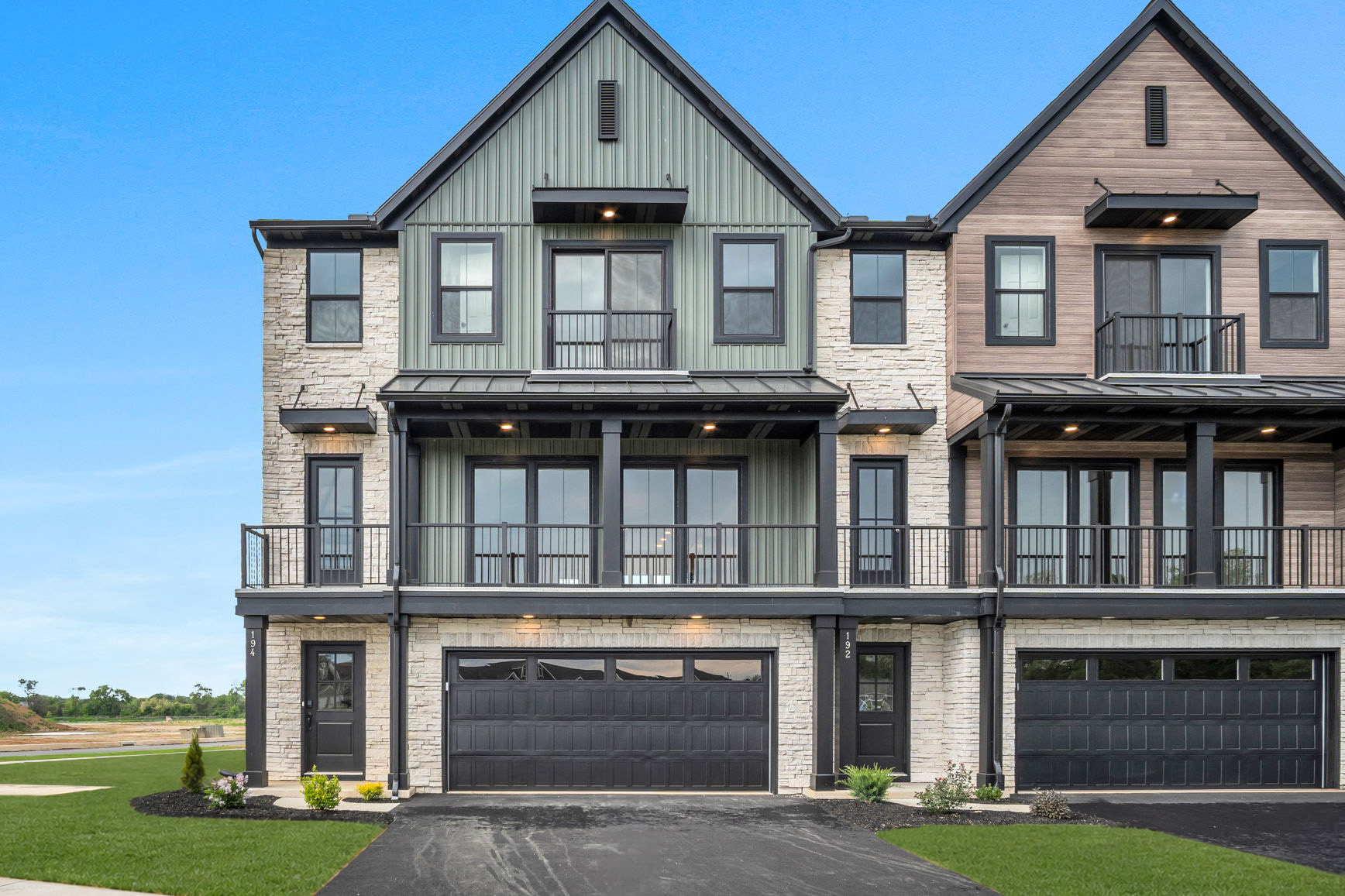
New construction is not harder because it is new. It is different because the transaction has more moving parts.
Construction timelines matter
With resale, the loan process usually moves toward a closing date that is already close. New construction often involves a longer runway. Lenders want confidence that the buyer’s financial picture can hold up through that timeline.
If a home is being built over several months, the lender is thinking beyond today’s snapshot. They are looking at stability.
Draw schedules and construction structure can change underwriting
In some types of new construction financing, especially custom or more construction-oriented loans, the lender may also be evaluating draw schedules, disbursements and timing. That can create more internal scrutiny than a basic resale purchase.
For buyers purchasing in a planned community from a builder like Garman, the experience is often more streamlined than a one-off custom construction loan. Still, the lender is working within a process that is different from resale.
Builder-lender relationships can help smooth the process
This is one of the practical advantages buyers do not always see upfront. Builder-preferred lenders understand the builder’s process, timelines and documentation requirements. That helps reduce friction.
It does not mean rules disappear. It means the lender knows how to navigate the transaction, communicate clearly and spot solutions faster when a buyer is close to qualifying.
Your credit score affects more than approval
A lot of buyers focus only on the threshold. They ask, “Can I get approved?”
That matters, of course. But your credit score affects something just as important: your interest rate.
A higher score can mean:
- A lower interest rate
- A lower monthly mortgage payment
- Less paid in interest over time
- More buying power within the same monthly budget
So if you are asking what credit score to buy a house, the better question is often, “What score helps me buy comfortably?”
A buyer who barely clears the minimum may still move forward. But if waiting a few months raises the score and lowers the payment, that can be the smarter way to buy.
How much does credit score affect your mortgage payment?
Your credit score directly affects loan pricing. Better scores usually qualify for better rates, and better rates mean lower payments.
Even a modest rate difference can add up over a 30-year mortgage. It can affect:
- Your monthly principal and interest payment
- How much home fits your budget
- The total interest you pay over the life of the loan
That is why credit work before applying is often worth it. Small improvements can create real savings.
What counts as a good enough score depends on the full picture
A credit score matters. It is not the whole file.
When lenders review a mortgage application, they are also looking at:
- Income
- Debt-to-income ratio
- Employment history
- Available assets
- Down payment
- Type of loan
- Property type and transaction structure
That is why two buyers with the same score can get different outcomes.
One buyer may qualify because their debt is low and their income is steady. Another may need more work because their monthly obligations are already stretched. The score opens the door. The rest of the file determines how wide it opens.
If you want a better sense of the full budget side of the equation, read How Much Do You Need for a Down Payment on a New Construction Home in PA?
Common credit score myths buyers should ignore
A lot of credit advice floating around online is outdated, oversimplified or just wrong. These are the myths we see most often.
Myth 1: Closing old accounts helps your score
Usually, it does not.
Older accounts can help the average age of your credit history. Closing them can actually hurt, especially if it reduces your total available credit and pushes your utilization ratio up.
Myth 2: Checking your own credit hurts your score
It does not, at least not the kind of credit check you do on yourself.
A personal credit check is typically a soft inquiry. That means you can monitor your credit without damaging it.
Myth 3: You need perfect credit to buy a house
You do not.
Buyers purchase homes every day without elite scores. Perfect credit is not the requirement. A workable credit profile and a responsible financing plan are.
Myth 4: One number tells the whole story
It does not.
Your score matters, but lenders still review the broader picture. A buyer with a decent score and strong income may be in better shape than a buyer with a higher score and too much debt.
How to improve your credit score before buying a house
If you want to improve your credit score before buying a house, focus on the actions that move the needle fastest and most safely.
1. Pay down revolving balances
This is one of the most effective steps for many buyers.
High credit card balances can drag down your score, even if you make payments on time. Lowering those balances can improve your utilization ratio and help your score respond relatively quickly.
2. Correct errors on your credit report
Mistakes happen. Old accounts, incorrect late payments or inaccurate balances can all affect your profile.
Pull your reports, review them carefully and dispute anything inaccurate. This takes effort, but it can be worth it.
3. Avoid new credit inquiries before applying
Do not finance furniture, open a new card or take on a fresh car payment right before applying for a mortgage unless you have talked to your lender first.
New debt can change your score and your debt-to-income ratio at the worst possible time.
4. Keep making payments on time
This sounds obvious because it is. Payment history is a major part of your credit profile.
If your credit needs work, consistency matters more than tricks.
Realistic timelines for improving your score
Most buyers want to know how fast this can happen. The honest answer is that it depends on what is holding the score down.
Here is a realistic way to think about it:
- A few weeks to a couple of months: paying down card balances, correcting reporting errors
- Several months: rebuilding after missed payments, lowering debt meaningfully, establishing cleaner payment history
- Longer-term: recovering from major derogatory events or rebuilding thin credit
This is where timing matters. If you are planning to buy new construction, you may have more room to prepare than you would with a resale purchase. That extra time can be useful if your score is close but not quite there.
You can also read When Should You Get Pre-Qualified for a New Construction Home? if you are trying to time that first conversation correctly.
What if your score falls short right now?
This is the point where buyers often freeze. They assume a lower score means they should stop looking entirely.
Usually, that is the wrong move.
If your score is short of the target today, the better next step is to get clear on where you stand, what is fixable and what options are available. That is one reason Garman Pathways™ matters.
Garman Pathways™ gives buyers more room to move forward wisely
Garman Pathways™ is built to reduce pressure and give buyers more control while they figure out financing. It is a smarter way forward for buyers who want real answers before making a bigger commitment.
The program is designed to help with affordability concerns and lower the stress that keeps many buyers on the sidelines. Combined with refundable deposit options, it reduces the risk of finding out where you stand.
To learn more, read No Commitment Contracts: How Garman Pathways™ Removes the Pressure.
If you are worried about not qualifying at all, What Happens If You Don’t Qualify for a New Home? is the right next read.
How builder-preferred lenders can help when you are close
A builder-preferred lender cannot approve a loan that does not meet guidelines. But they can often help buyers understand options more clearly, especially when the score is just below a standard threshold.
That may include:
- Reviewing whether another loan type fits better
- Identifying credit actions that could improve approval odds
- Helping buyers understand timing
- Structuring the conversation around the actual homebuying process, not generic mortgage advice
That matters. Buyers do better when the lender understands new construction, the community timeline and the builder process from contract to closing.
If you are exploring first-time buyer assistance too, PHFA and First-Time Home Buyer Programs in Pennsylvania is worth reading alongside this.
What these credit score ranges really mean for you
Here is the practical version.
- 580 to 619: You may still have options, especially with FHA, but loan choice and pricing may be tighter
- 620 to 679: You may qualify for conventional financing, but rate sensitivity matters
- 680 to 739: You are in a stronger range, with more flexibility and often better pricing
- 740 and up: This is where buyers often see the strongest rate options
Those ranges are not promises. They are a useful way to frame the conversation.
A home that is Built for the Way You Live should also fit the way you buy. That means looking beyond a simple yes or no and understanding how your score affects the whole decision.
A clearer next step
If you are asking what credit score to buy a house, you do not need vague reassurance. You need a real starting point.
For most buyers, 620 is the conventional baseline, 580 may work for FHA and 740-plus is where the best rates often begin. After that, the conversation becomes more personal. Income, debt, down payment and loan structure all matter, especially with new construction.
The good news is that you do not need perfect credit to move forward. You need a clear plan, the right lending guidance and a builder that gives you more confidence from contract to closing.
If you are considering a new home in South Central Pennsylvania, contact us to learn more about Garman Pathways™, refundable deposit options and the next best step for your budget and timing.
Frequently Asked Questions
What credit score do you need to buy a house?
Most conventional mortgage loans start around a 620 credit score, while FHA loans can often go as low as 580. Higher scores usually qualify for better interest rates, which lowers the monthly payment and long-term loan cost.
What credit score is needed for a new construction loan?
The credit score for a new construction loan is often similar to resale financing. Conventional loans commonly start at 620, FHA may allow 580 and lender-specific standards can apply for VA and USDA financing.
Is the minimum credit score for a new home higher than for a resale home?
Usually, no. The minimum credit score new home buyers need is often similar to under the same loan type. The difference is more likely to come from lender overlays, transaction timing and builder-lender requirements.
What is a good credit score for buying a house?
A good credit score for buying a house is often 680 or above, with stronger pricing commonly available around 740 and higher. You do not need perfect credit, but better scores usually improve your rate and buying power.
Does checking your own credit hurt your score?
No. Checking your own credit is usually a soft inquiry, which does not hurt your score. It is a smart step before talking with a lender.
Can I buy a new home with a 580 credit score?
Possibly, yes. A 580 score may qualify for FHA financing depending on the full loan file, lender standards and other factors like debt, income and down payment.
How can I improve my credit score before buying a house?
The most practical steps are paying down revolving balances, correcting errors on your credit report, avoiding new credit inquiries and making every payment on time. Some buyers see progress within a few weeks, while others need several months.
What if I do not qualify for a mortgage right now?
Do not assume the process is over. A lender can help identify what needs to improve, and programs like Garman Pathways™ can reduce pressure while you work through the next steps.


 0
0