


Nest Notes
Best Time of Year to Buy a New Home for Pricing and Incentives

August 19, 2026
If your question is strictly about price, incentives and timing, the best time of year to buy a new home is often end of quarter, end of year, or when a builder is closing out a community phase, not necessarily one specific season.
That answer is different from the question of when it is easiest or smartest to build from a construction standpoint. This article is about pricing pressure, incentive timing and inventory strategy. It is not about weather delays, frozen ground or winter scheduling. If that is the question you came here with, read our related guide, Is Winter a Bad Time to Build a Home in Pennsylvania?.
For buyers comparing calendars, this is the real issue: when to buy new construction for best price depends less on temperature and more on where a builder is in its sales cycle, inventory position and community timeline. We will walk through what actually moves pricing, where incentive windows tend to show up and how to ask better questions before you commit.
Key Takeaways
- The best time of year to buy a new home for pricing is often tied to end-of-quarter, end-of-year and phase-closeout timing
- This is a different question than construction-weather timing, which we cover separately in Is Winter a Bad Time to Build a Home in Pennsylvania?
- Builders may offer stronger incentives when they want to meet reporting goals, move completed inventory or close out a community phase
- Quick Move-In homes that have been finished and unsold longer can create more room for incentives because carrying costs add up
- Spring and summer usually bring heavier buyer traffic, while fall and winter can create more negotiating room
- Waiting for the absolute best deal can cost you the floor plan, homesite or location you actually want
- A lower rate or better financing structure can matter more than a modest seasonal discount
- The smartest move is to ask direct questions about current incentives, inventory age and what is coming next in the community
Why This Is Different From Asking When It Is a Good Time to Build
These two questions sound similar. They are not.
“When is a good time to build?” is usually about weather, construction schedules and how the process moves through the year.
“When is the best time of year to buy a new home?” is about pricing leverage, builder incentives and when a sales team has the strongest reason to make a deal.
That distinction matters. A buyer can land on both topics and assume they are getting the same answer. They are not. Our winter construction article looks at build timing through the lens of Pennsylvania conditions. This one looks at new construction price timing, inventory pressure and buyer opportunity.
If you are weighing whether to build from the ground up or purchase something sooner, our guide to Build a New Home or Buy a Quick Move-In: An FAQ Guide is a good next step.
End of Quarter and End of Year Can Create Incentive Windows
One of the clearest patterns in new home sales is calendar pressure.
Many builders, including regional builders, work within quarterly and annual sales goals. When a quarter is ending, or when year-end is approaching, there is often stronger motivation to convert interested buyers into contracts. That can show up in the form of financing help, flex cash, design-credit offers or other purchase incentives.
This does not mean every builder runs the same programs at the same time. It means the end of year home buying incentives buyers hear about are usually tied to internal goals, not holiday magic.
Why the calendar matters
At the end of a reporting period, every contract counts. Sales teams want momentum. Builders want to move inventory and keep communities performing. That pressure can create a short window where the offer in front of you is better than what was available a month earlier.
For buyers asking about the best month to buy a house, the honest answer is that there is rarely one perfect month every single year. The better pattern to watch is this:
- End of quarter
- End of year
- Periods when a builder is pushing to convert standing inventory
Those moments tend to matter more than whether it is April or November.
Community Phase Closeouts Can Be One of the Best Times to Buy
The last few homes in a community phase can be especially worth watching.
When a builder is wrapping up one section of a neighborhood and moving into the next, there is often a practical reason to get those remaining homes sold. Clean closeouts help operations, simplify marketing and let the team focus on the next release.
What a phase closeout can mean for buyers
A phase closeout does not always mean a dramatic discount. But it can create stronger pricing conversations, more attractive incentives or better terms than you might see earlier in a release.
This is one of the most overlooked answers to when to buy new construction for best price. Buyers often watch the season. We tell them to also watch the phase map.
Ask what is selling now, how many homes remain in the current release and whether the community is approaching a transition point. Those are practical questions, and they often tell you more than the month on the calendar.
Quick Move-In Inventory Often Creates the Most Immediate Pricing Opportunity
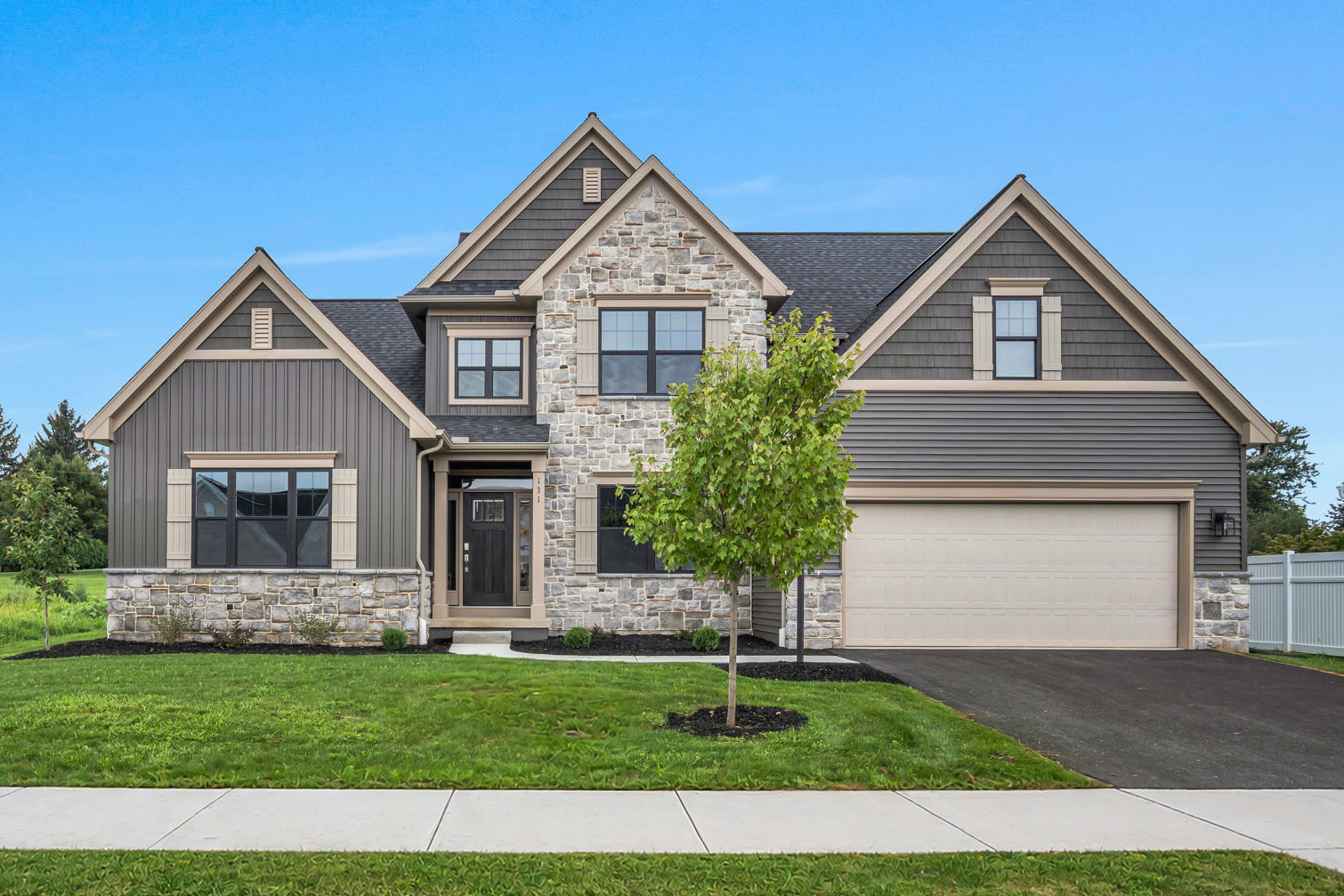
If your goal is the strongest possible incentive position, Quick Move-In homes deserve attention.
A completed or near-complete home carries real costs for a builder. Once a home is finished and unsold, the pressure changes. Interest carry, taxes, utilities, maintenance and simple inventory exposure all add up over time. That does not guarantee a deal. It does create more reason to have a productive pricing conversation.
When Quick Move-In timing matters most
The incentive potential tends to increase when a Quick Move-In home is:
- already complete
- available now or on a short timeline
- one of several standing homes in the same community
- older inventory compared with newer releases
If you are comparing strategies, read Can You Negotiate the Price on a Quick Move-In Home?. It breaks down where flexibility tends to exist and where it usually does not.
Negotiation in new construction looks different than it does in resale. The leverage points are often tied to inventory, timing and incentives more than a simple base-price cut.
Spring and Summer Usually Bring More Traffic, Not Better Deals
A lot of buyers assume the busiest season must also be the best time to buy. Usually, it is the opposite.
Spring and summer bring the most traffic. Families want to move before school starts. Weather is easier for touring communities. Listings feel fresh. Sales offices are busier. When demand is up, builders have less reason to push aggressive incentives.
Fall and winter can look different. Buyer traffic often lightens. The urgency shifts to the builder side. That can create more flexibility, especially on standing inventory or near-term homes.
Builder incentives by season, in simple terms
Here is the pattern buyers usually see:
- Spring and summer: more competition, stronger traffic, less incentive pressure
- Fall: opportunity starts to improve as traffic eases
- Winter and year-end: potentially stronger incentives, especially on Quick Move-In homes or year-end pushes
That said, season alone does not decide the deal. A busy spring phase closeout can beat a quiet winter opening release. Inventory and business timing still matter more.
Waiting for the Best Deal Comes With a Real Trade-Off
The cheapest house is not always the right house.
We see buyers get locked into the idea of timing the market perfectly, then lose the homesite, floor plan or layout they wanted in the first place. That trade-off is real. The best-priced home may sit on a less desirable lot, have fewer personalization options or miss features that matter in day-to-day life.
That is why the answer to best time of year to buy a new home cannot be reduced to “wait until winter” or “buy in December.” Sometimes waiting works. Sometimes it costs you more than it saves.
What buyers give up when they wait too long
Waiting for maximum incentives can mean:
- fewer homesites to choose from
- fewer floor plans available
- less personalization
- missing a community phase you preferred
- competing for a smaller number of ready homes
A home is not just a line item. It is where you will live. Price matters, but fit matters too.
The Best Way to Understand Timing Right Now Is to Ask Better Questions
The best buyers are direct.
If you want to understand what timing looks like in the current market, do not ask only, “Do you have incentives?” Ask the questions that reveal pressure, timing and opportunity.
Questions worth asking a builder or sales team
Ask:
- What incentives are available right now?
- Are those tied to a specific contract or settlement deadline?
- How long has this Quick Move-In home been on the market?
- Is this community closing out a phase soon?
- Are more homesites or releases coming, or is this one of the last opportunities in the current section?
- Is there more flexibility on this inventory home than on a to-be-built home?
Those questions give you a much clearer picture of builder incentives by season and by inventory status.
Interest Rates Can Matter More Than a Seasonal Discount
This is the part buyers sometimes miss.
A modest price break is helpful. A better interest rate, lender credit or payment structure can be more powerful over time. In a market where rates shape affordability month to month, the smarter move is not always waiting for a bigger seasonal incentive. Sometimes it is locking in when financing works in your favor.
That is especially true for buyers who care more about monthly payment than headline price. A small rate improvement can save more over time than a limited design-credit offer.
Think total cost, not just upfront discount
When comparing timing, look at:
- purchase price
- available incentives
- financing structure
- monthly payment
- long-term operating costs
That last point matters with a better-built, more efficient home. At Garman, our homes are HERS tested and built with performance in mind, which supports comfort and long-term value, not just curb appeal. A smarter way to buy looks at the full picture.
What This Means for Buyers in South Central Pennsylvania
For buyers shopping new homes across South Central Pennsylvania, timing matters, but not in a simplistic way.
The strongest opportunities often come when calendar goals, inventory pressure and community timing overlap. That might happen in late fall. It might happen at year-end. It might happen when the last few homes in a phase remain. And it might show up on a Quick Move-In home that is ready now.
The right move is to stay practical. Watch the home you actually want. Ask direct questions. Compare incentives against rate conditions. And do not confuse pricing timing with construction-weather timing. They are different questions, and they lead to different decisions.
If you want help sorting through available homes, community timing or current offers, we are here to help. Explore our available homes, learn more about our special offers or contact us to talk through what makes sense for your timeline.
FAQs
What is the best time of year to buy a new home for the best price?
The best time is often end of quarter, end of year or during a community phase closeout. Those periods can create stronger incentive windows because builders may be focused on sales goals, inventory movement or releasing the next phase.
Is winter the best season to buy new construction?
Not automatically. Winter can bring lighter buyer traffic and sometimes better incentives, but the strongest pricing often depends on inventory pressure and builder timing, not season alone. For weather-related build timing, see Is Winter a Bad Time to Build a Home in Pennsylvania?.
Do builders lower prices at the end of the year?
Some do, but not always through a simple base-price reduction. End-of-year offers may show up as financing incentives, flex cash, design credits or stronger terms on Quick Move-In homes. The structure of the deal matters as much as the headline discount.
Are Quick Move-In homes cheaper than building from the ground up?
They can be, especially if a completed home has been on the market longer and the builder wants it sold. But cheaper is not guaranteed. Quick Move-In homes are often most attractive when you value speed, convenience and immediate incentive potential.
Is spring a bad time to buy a new home?
No. Spring is a strong time to shop because inventory and community activity are high. But it is usually a busier season, which can mean less incentive pressure. Buyers may get more choice in spring, but not always the best pricing leverage.
Should I wait for a bigger incentive before buying?
Only if the trade-off makes sense. Waiting can help if inventory is building or a reporting deadline is approaching. But waiting can also mean losing your preferred homesite, floor plan or community opportunity. The best financial move is not always the latest one.
How do I know if a builder has room to negotiate?
Ask about current incentives, how long a specific home has been listed and whether the community is nearing a phase closeout. You can also read Can You Negotiate the Price on a Quick Move-In Home? for a deeper look at how negotiation usually works.
Latest Posts
October 2, 2026
How Does a Lot Release Work? A Buyer's Guide to New Home Community Releases
October 2, 2026
How to Buy a New Home Before Selling Yours: A Step-by-Step Guide for Move-Up Buyers
October 2, 2026
Is Buying a New Home Worth It With High Interest Rates?
October 2, 2026
How Much Equity Do You Need to Buy Your Next Home?
October 2, 2026
A Contingent Offer on New Construction: What Move-Up Buyers Need to Know
October 2, 2026
Should You Give Up Your Low Mortgage Rate to Buy a New Home?
September 28, 2026
What Is a Mortgage Rate Buydown, and Is It Worth It for Your New Home?
September 28, 2026
What Is a Dual Owner's Suite Floor Plan? A Practical Guide for 55+ and Multigenerational Buyers
September 28, 2026
Why You Should Join a New Community VIP List Before It Opens
Previous Article


 0
0