


Nest Notes
Earnest Money New Construction: When Do You Actually Risk Losing Your Deposit?

August 19, 2026
In most cases, backing out of a new construction contract before certain contingencies expire does not cost you your earnest money. After those windows close, it can. Here is exactly how that works.
That fear stops a lot of buyers right at the point where they are ready to move forward. They like the home, the community and the payment, but they worry about one thing: What if I sign and something changes? More specifically, What if I lose my deposit?
The short answer is this: earnest money in new construction is usually governed by clear contract terms, defined contingency windows and specific buyer obligations. If you understand those rules before you sign, the process feels a lot less risky and a lot more manageable. And with programs like No Commitment Contracts: How Garman Pathways™ Removes the Pressure, buyers can have even more control and confidence.
Key Takeaways
- Earnest money is a good-faith deposit that shows you are serious about moving forward with a home purchase.
- In new construction, your deposit is often protected during specific contingency periods, such as financing and other contract-based review windows.
- Buyers usually get their earnest money refund if they do not qualify for financing within the contingency window or if the builder does not deliver as agreed in the contract.
- Buyers usually forfeit the deposit when they back out after contingency periods expire without a contract-based reason.
- Missing deadlines, including required documentation or design-related obligations, can also put a deposit at risk.
- New construction contracts are often more structured than resale contracts, where earnest money rules can vary more by local custom.
- Garman Pathways™ offers a smarter way forward, including a No Commitment Contract structure and a refundable deposit if a buyer does not qualify.
What Earnest Money Actually Is and Why Builders Require It
Earnest money is a deposit you submit with your contract to show you intend to buy the home under the agreed terms. It is sometimes called a good-faith deposit. It is not a random fee and it is not meant to trap buyers.
Builders require earnest money because once a home is reserved or a homesite is taken off the market, that opportunity is no longer available to another buyer. In many cases, the builder is also committing time, labor, scheduling and materials based on your contract. That deposit helps confirm the agreement is real.
In new construction, especially when the home includes selections, upgrades or build-specific scheduling, earnest money also helps cover the risk created when a buyer walks away after the builder has already moved forward.
The Contingency Periods That Typically Protect a Buyer’s Deposit
A contingency period is a defined window of time in the contract where certain conditions must be satisfied. During that window, a buyer may still be able to cancel without losing earnest money if a qualifying condition is not met.
Common examples include:
Financing contingency
This is one of the biggest protections for buyers. If the contract includes a financing contingency, it usually gives the buyer a specific period to secure financing approval. If the buyer does not qualify within that window, the deposit is often refundable based on the terms of the contract.
This is why getting prepared early matters. If you have not already read When Should You Get Pre-Qualified for a New Construction Home?, start there.
Inspection contingency, where applicable
Inspection terms can vary in new construction. In resale, inspection contingencies are common. In new construction, the home is being built new and the process often includes builder walkthroughs, third-party inspections or warranty coverage instead.
Still, if an inspection contingency is written into the agreement and the contract allows termination based on specific findings, that contingency may protect the deposit during the stated period.
Attorney review period
In some contracts or markets, an attorney review period gives the buyer time to have the agreement reviewed before it becomes fully binding. If the contract is canceled properly during that review period, the earnest money may be returned.
The details matter here. The exact language in the contract controls what happens.
Situations Where a Buyer Usually Gets Their Deposit Back
Here are the most common situations where an earnest money refund is typically available.
The buyer does not qualify for financing within the contingency window
If financing is denied during the allowed period and the buyer has met the contract requirements for pursuing financing, the deposit is often returned.
That does not usually mean the buyer can apply late, ignore lender requests or fail to provide required documents and still expect protection. The contingency generally works when the buyer follows the process and still does not qualify.
The builder fails to deliver the home as contracted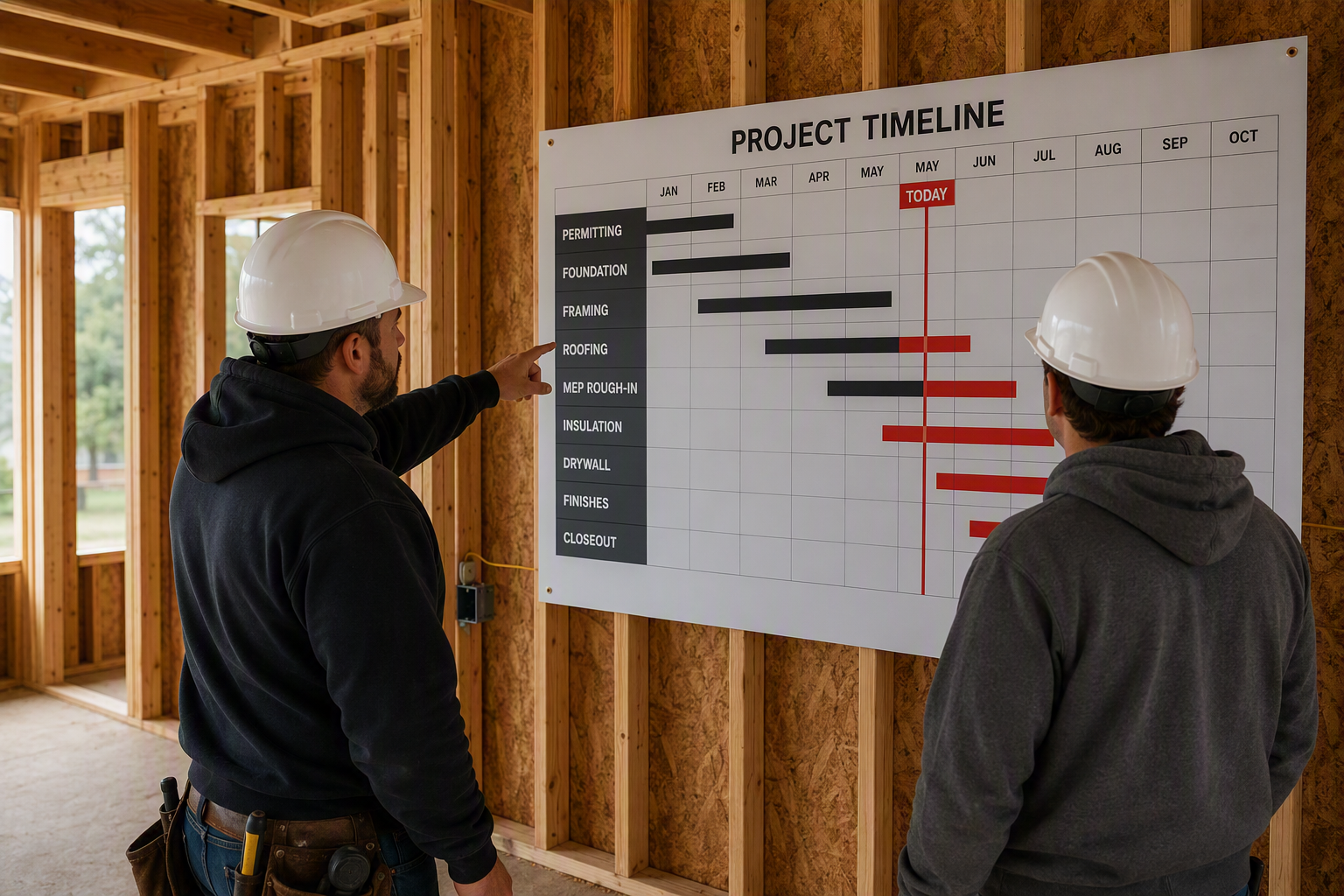
If the builder does not meet a material obligation in the contract, the buyer may have grounds to cancel and recover the deposit. This could relate to delivery, major contract terms or other obligations specifically spelled out in the agreement.
The key point is that the contract has to support the cancellation. This is not based on frustration or preference. It is based on whether the contracted terms were met.
A contingency written into the contract is not met
If the contract includes a valid contingency and that contingency fails within the stated timeline, the buyer is usually entitled to cancel under that provision.
This is why buyers should never skim the contingencies. These sections matter more than almost anything else in the agreement.
Situations Where a Buyer Usually Forfeits the Deposit
This is the part buyers need to understand clearly. Deposits are usually lost when a buyer exits the contract after the protected windows are gone and there is no qualifying reason to cancel.
Backing out after contingency periods expire with no qualifying reason
Once financing and other contingency windows close, the contract becomes far less flexible. If the buyer walks away after that point without a valid contractual basis, the earnest money is often at risk.
This is the scenario most buyers are actually worried about when they search losing deposit new home contract. And it is a real risk, just not at the beginning of the process in the way many people assume.
Changing your mind for personal reasons unrelated to financing or contract terms
Job stress, second thoughts, family opinions or simple hesitation usually do not count as protected reasons once contingency periods have ended.
That can feel harsh, but it is standard contract logic. The builder has been holding the property, planning labor and potentially ordering materials around your agreement.
Missing required deadlines for design selections or documentation
This part surprises buyers. A deposit is not only at risk when someone says, “I changed my mind.” It can also be at risk when required contract obligations are missed.
That could include failing to submit lender documents, missing design selection deadlines or not meeting other buyer responsibilities outlined in the agreement. If the contract says those obligations matter, they matter.
How This Differs From Resale Contracts
Earnest money new construction contracts are often more standardized because the builder controls the contract structure, timeline and build process. Resale contracts can be less predictable because earnest money rules may vary more by local custom, standard association forms, negotiated seller terms and regional practice.
In a resale transaction, the seller is usually an individual homeowner. In new construction, the builder is managing a production schedule, homesite inventory and in some cases buyer-selected finishes. That often creates a more defined set of deposit rules.
The practical takeaway is simple: do not assume what happened in a friend’s resale deal will apply to a new home contract.
How Garman Pathways™ Changes the Equation
This is where Garman offers buyers a smarter way forward.
 Through Garman Pathways™, eligible buyers can access a No Commitment Contract structure designed to reduce pressure at one of the hardest points in the process. That matters because deposit anxiety is rarely about the money alone. It is about control. Buyers want to know they are not boxed in before financing is fully clear.
Garman Pathways™ also includes a refundable deposit if a buyer does not qualify, based on the program terms. That is a meaningful difference for buyers who want more confidence before taking the next step.
If you are weighing whether now is the right time to move, No Commitment Contracts: How Garman Pathways™ Removes the Pressure explains how this works in more detail.
Questions to Ask Before Signing
Before you sign a new home contract, ask these questions directly:
What is the financing contingency period?
Get the exact number of days. Do not settle for a general answer.
What actions are required from me to keep that contingency valid?
Ask what documentation, lender communication and timing responsibilities fall on you.
Are there any other contingency windows in this contract?
That includes inspection-related provisions where applicable, attorney review and any builder-specific conditions.
What happens if I do not qualify?
Ask how the contract handles denial, what proof is required and whether the deposit is refundable.
What buyer deadlines could put my deposit at risk?
This includes loan paperwork, design selections, signatures and any other required milestones.
If I get cold feet, what should I do first?
The answer should always be the same: talk to the sales team before you make assumptions.
What to Do If You Are Seriously Considering Backing Out
Talk to your sales rep first.
Do that before you miss a deadline. Do it before you stop responding to the lender. Do it before you assume the deposit is gone or that there is no path forward. In some cases, options exist that may protect your deposit or at least help you understand what happens next.
Silence is what creates problems. Clear communication creates options.
At Garman, we want buyers to move forward with more value, more control and more confidence. That starts with understanding the contract, not feeling pressured by it.
The Part That Matters Most
Most buyers do not lose their deposit just because they ask questions, need clarity or hit an early financing issue covered by a valid contingency. Deposits are usually lost when deadlines pass, obligations are missed or someone backs out after protections expire without a contract-based reason.
That distinction matters. It turns a vague fear into something specific you can plan around.
If you are considering a new home in South Central Pennsylvania and want a clearer, lower-pressure path, contact our team to learn more about Garman Pathways™, our buying process and the contract questions you should ask before signing. We are here to help you move forward with confidence, not fine print first.
FAQs
Do you lose earnest money on new construction if you back out?
Not always. In many new construction contracts, buyers can back out without losing earnest money during certain contingency periods, especially if financing is denied or another written contingency is not met. After those periods expire, the deposit can be at risk.
When is earnest money refundable in new construction?
Earnest money is usually refundable when a buyer cancels within a valid contingency window for a contract-approved reason, such as financing denial or failure of a written contingency. Refundability depends on the contract terms and whether the buyer met their obligations.
Can I get my deposit back if I do not qualify for the mortgage?
In many cases, yes, if the contract includes a financing contingency and you do not qualify within that timeframe. You typically must apply on time, provide required documents and follow the lender process for that protection to apply.
What causes buyers to forfeit a deposit on a new home?
The most common reasons are backing out after contingency periods expire, changing your mind for personal reasons not covered by the contract, or missing required deadlines for financing documents, selections or other buyer responsibilities.
Is earnest money in new construction different from resale?
Yes. New construction contracts are often more structured, while resale earnest money rules can vary more by local custom, negotiated seller terms and regional contract forms. Buyers should not assume the rules are the same.
Does Garman Pathways™ help protect my deposit?
Garman Pathways™ is designed to reduce pressure for eligible buyers through a No Commitment Contract structure and a refundable deposit if the buyer does not qualify, based on program terms.
What should I ask before signing a new home contract?
Ask about the financing contingency period, any other contingency windows, what buyer deadlines apply, what happens if you do not qualify and which actions could put your deposit at risk. Those answers should be clear before you sign.


 0
0