


Nest Notes
Lock-and-Leave Living: The Low-Maintenance Home for Travelers, Snowbirds, and Second-Home Owners

September 28, 2026
Lock-and-Leave Living: The Low-Maintenance Home for Travelers, Snowbirds, and Second-Home Owners
Lock-and-leave living means exactly that: you close the door, and everything is fine until you get back. No lawn creeping up past the mailbox. No frantic call to a neighbor about the gutters. No mental tally of everything that could go wrong while you're gone. Here's why that matters more than most buyers realize until they actually have it.
For buyers who travel often, split time between two homes, or spend weeks at a stretch visiting family, a home that demands constant attention is more than an inconvenience. It's a leash. A lock-and-leave home for travelers changes that equation entirely, and at The Porches of Allenberry, that lifestyle is built into the community itself.
Key Takeaways
- Lock-and-leave living is about extended absences, not just fewer weekend chores. It's the ability to leave for weeks and come home to a home that took care of itself.
- This lifestyle matters most for frequent travelers, second-home owners, snowbirds, and buyers who visit adult children or grandchildren for extended stretches.
- A genuinely lock-and-leave home requires HOA-managed exterior upkeep, low-maintenance materials, and simple systems that don't need hands-on attention.
- The peace-of-mind factor isn't abstract. It's a lawn that doesn't brown or overgrow, snow that gets handled without a phone call, and exterior decisions you never have to make from three states away.
- The Porches of Allenberry pairs HOA-covered exterior maintenance with a setting near Boiling Springs that still feels like a real destination, not just a place to store belongings between trips.
- Before buying with this lifestyle in mind, ask exactly what the HOA covers while you're away, how mail and packages are handled, and what security or check-in support exists.
- Lock-and-leave living and general low-maintenance living overlap, but they're not the same question. One is about less yardwork. The other is about total peace of mind during extended absences.
What Lock-and-Leave Living Actually Means
Low-maintenance living gets talked about a lot in new construction, and for good reason. Buyers are tired of mowing, edging, and spending Saturdays on chores instead of doing something they actually enjoy. That's a real and valid motivation, and we cover it directly in our piece on whether low-maintenance living is right for you.
Lock-and-leave living is a more specific version of that idea, and it deserves its own conversation. It isn't about trimming down the weekend to-do list. It's about walking out the front door for three weeks, or three months, and not thinking about the house again until you're back in the driveway.
That's a different standard. A home can be low-maintenance day to day and still require someone to check on it while you're away: someone to grab the mail, arrange for the lawn to get cut, or handle a surprise snowstorm. A true lock-and-leave home for travelers removes those dependencies almost entirely. The maintenance isn't just reduced. It's handled, on a schedule, by someone else, whether you're home to see it or not.
Who Lock-and-Leave Living Is Built For
This lifestyle matters most to a specific set of buyers, and if you fall into one of these groups, it's worth taking seriously as a house-hunting criterion rather than an afterthought.
Frequent travelers who are gone for weeks at a time, whether for work or simply because they've earned the freedom to be, need a home that doesn't punish them for leaving. Second-home owners splitting time between two places want each home to run itself while they're at the other one. We go deeper into that specific balancing act in how to choose a new home when you split time between two places.
Snowbirds heading south for the winter months are one of the clearest cases: a home that sits empty from November through March needs exterior care that doesn't depend on the owner being present to notice a problem. Buyers who visit adult children or grandchildren for extended stretches, sometimes months at a time, fall into the same category, even if travel isn't their primary lifestyle.
And then there are buyers who simply want fewer things to worry about while they're away, full stop. Not because they travel constantly, but because they've decided that worrying about a house from a distance is not how they want to spend their time.
What Makes a Home Genuinely Lock-and-Leave Friendly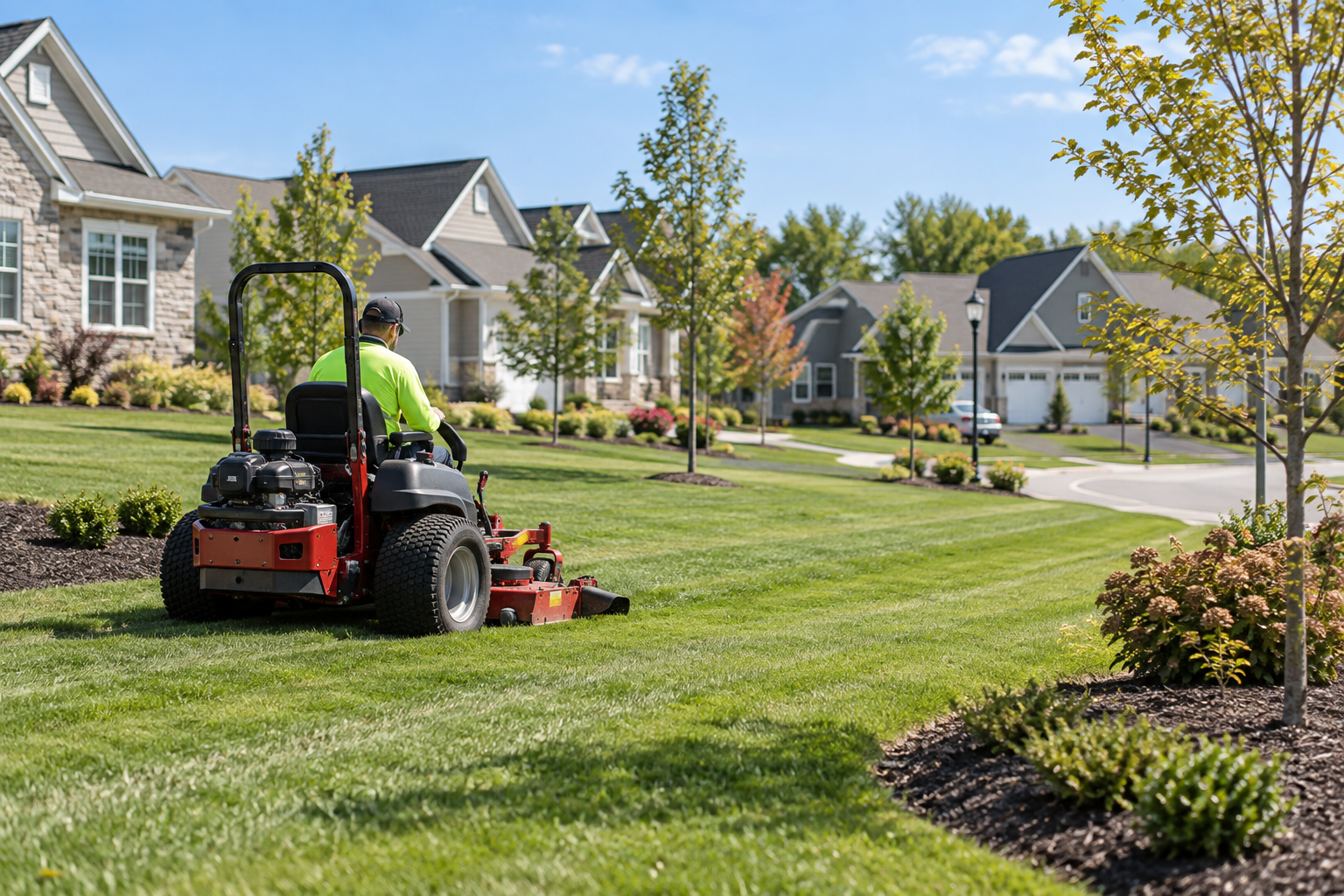
Not every low-maintenance home qualifies as lock-and-leave. The distinction comes down to a few specific things.
HOA-handled exterior maintenance and lawn care. This is the foundation. If lawn care, landscaping, and exterior upkeep are managed by the community rather than the individual homeowner, the house keeps looking cared for whether you're there or not.
Low-maintenance exterior materials. Siding, roofing, and finishes that hold up without regular attention matter more here than in a typical home, since there's no one checking on small issues between visits.
Simple systems that don't demand constant attention. Mechanicals and systems that are reliable and don't require frequent manual adjustment reduce the odds of a surprise waiting for you at the door.
A layout that doesn't accumulate upkeep between visits. Fewer surfaces and features that need regular attention to stay presentable means less to catch up on when you walk back in.
The Peace-of-Mind Factor Extended Absences Bring
The value of lock-and-leave living isn't really about the house. It's about what you stop carrying around in your head while you're gone.
It's not wondering whether the lawn is browning or growing wild while you're at your grandchildren's for three weeks. It's not scrambling to find someone to handle snow removal because a storm rolled through while you were in Florida. It's not making exterior maintenance decisions from six hundred miles away, hoping whoever you hired actually showed up.
That mental load is real, even when it's small. Buyers who've lived with it for years, in homes that required them to manage every detail remotely, often don't realize how much lighter travel feels once that weight is gone.
Lock-and-Leave vs. Everyday Low-Maintenance Living
It's worth being direct about the difference, because the two get conflated constantly.
Everyday low-maintenance living is about reducing the day-to-day workload of owning a home: less yardwork, less upkeep, more time for what you actually want to do. That's the question our self-assessment on low-maintenance living is built to answer, and it's a great starting point for any buyer weighing a home built for the way they live.
Lock-and-leave living asks a narrower and more specific question: what happens to this house when no one is here for weeks at a time? A home can pass the everyday test and fail the lock-and-leave test if it still requires someone to check in, arrange care, or make decisions while you're gone. If extended absences are part of your life, plan for that specifically. Don't assume general low-maintenance features automatically cover it.
Why The Porches of Allenberry Fits the Lock-and-Leave Lifestyle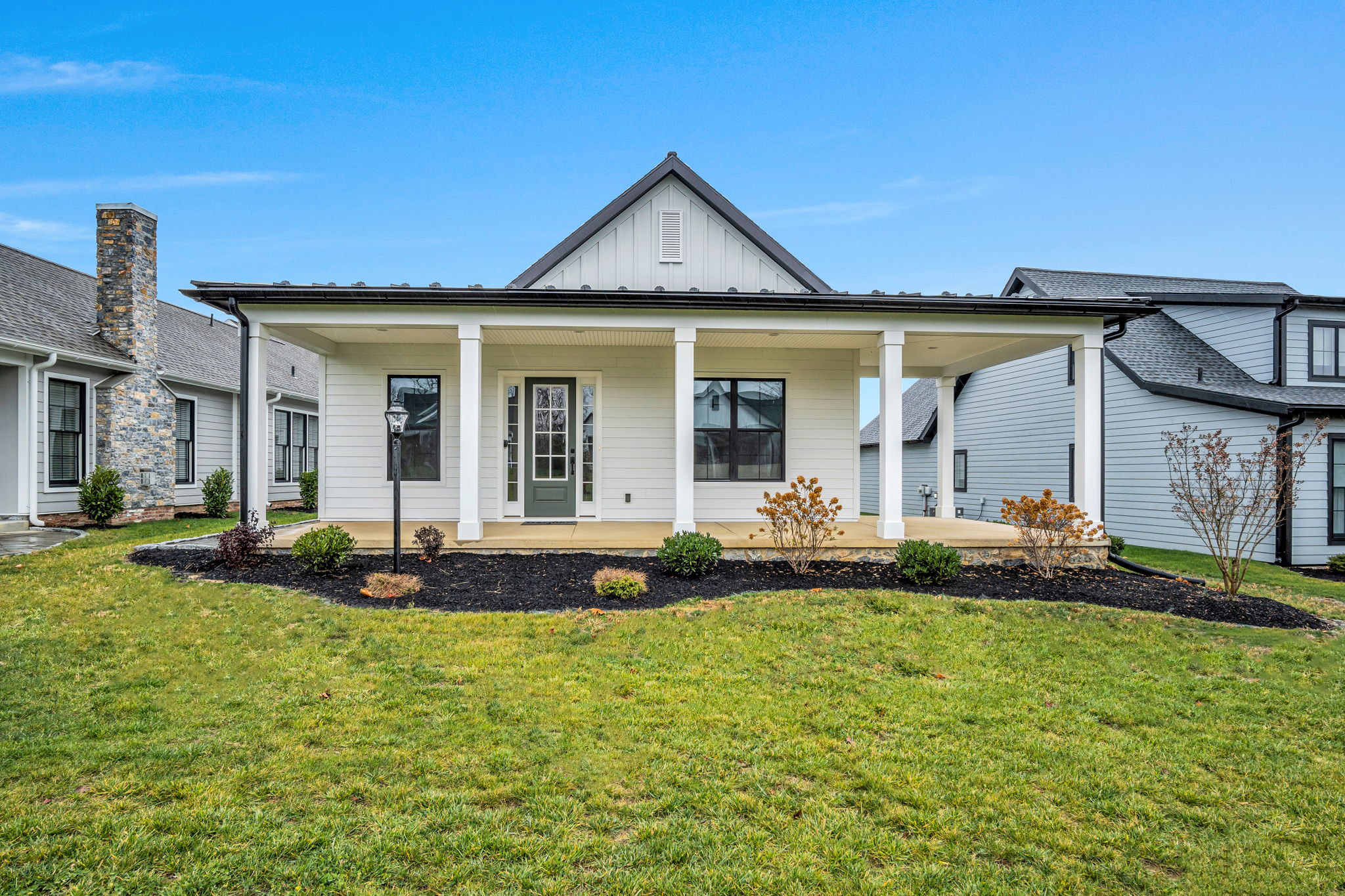
The Porches of Allenberry was built with exactly this kind of buyer in mind. Exterior upkeep is handled through the community's HOA structure, so lawn care and exterior maintenance continue on schedule whether you're home or three weeks into a trip.
The setting matters too. Near Boiling Springs, The Porches of Allenberry sits in a spot that still feels like a real destination, not a placeholder between trips. That's part of what makes lock-and-leave living work: the home needs to be somewhere worth coming back to, not just somewhere convenient to leave.
For buyers exploring what a second-home lock-and-leave setup could look like, or comparing a right-sized home against a larger property with more to manage, The Porches of Allenberry is one of the clearest examples in our communities of a home built for that exact lifestyle. If you're also weighing how to keep the hobbies and space you care about in a smaller footprint, our piece on downsizing without downsizing your hobbies covers that side of the decision.
Questions to Ask Before You Buy for This Lifestyle
Before committing to a home with a lock-and-leave lifestyle in mind, get specific answers to a few questions.
Ask exactly what the HOA covers while you're away, not just in general terms. Lawn care and exterior maintenance are common, but the specifics of scope, frequency, and what happens during severe weather vary by community. Our breakdown of HOA fees and what Central PA buyers actually pay for is a useful reference point for understanding what's typical.
Ask how mail and packages are handled during extended absences. Some communities offer guidance or support here, and it's worth knowing before you leave rather than discovering a pile on the porch when you return.
Ask whether the community offers any security or check-in support. Even where formal services aren't available, understanding the neighborhood's general awareness and connectivity matters when you're gone for weeks at a time.
The Real Value Is What You Don't Have to Think About
Freedom, in this context, isn't really about the home itself. It's about everything you don't have to think about while you're gone: the lawn, the snow, the mail, the what-ifs. A lock-and-leave home for travelers gives you that back. You get to leave, actually leave, and trust that the house will be exactly as you left it.
If that kind of freedom sounds like what you've been missing, we'd like to show you what it looks like at The Porches of Allenberry. Contact our team to talk through the community, the available floor plans, and whether this lifestyle is the right fit for how you actually live. And if flexible, well-planned space is part of what you're after, take a look at why the Eddy floor plan is standing out among buyers who want a smart layout without excess to manage.
FAQ
What does lock-and-leave living mean?
Lock-and-leave living means owning a home you can leave unattended for weeks at a time without worrying about exterior upkeep, lawn care, or maintenance. The community or HOA handles the exterior, so the home stays cared for whether you're there or not.
How is lock-and-leave living different from low-maintenance living?
Low-maintenance living reduces day-to-day chores like mowing and yardwork. Lock-and-leave living specifically addresses extended absences, meaning the home requires no owner intervention even when no one is there for weeks or months.
Who benefits most from a lock-and-leave home?
Frequent travelers, second-home owners, snowbirds, and buyers who visit family for extended stretches benefit most, along with anyone who wants fewer things to think about while they're away from home.
Does The Porches of Allenberry offer lock-and-leave living?
The Porches of Allenberry is structured with HOA-managed exterior maintenance and lawn care, near Boiling Springs, making it well-suited to buyers looking for a genuine lock-and-leave lifestyle. Confirm current HOA coverage details directly with our community team.
What should I ask about before buying a lock-and-leave home?
Ask exactly what the HOA covers during extended absences, how mail and packages are handled while you're away, and whether the community offers security or check-in support.


 0
0