


Nest Notes
A Second Home Buying Guide for Choosing the Right Fit When You Split Your Time

September 25, 2026
A Second Home Buying Guide for Choosing the Right Fit When You Split Your Time
If this will be one of two homes rather than your only home, the criteria for choosing it are different. A primary residence has to do everything: hold every season of your life, adapt to a growing family, absorb the daily wear of full-time living. A second home has one job. It has to be easy to leave and easy to come back to. Here is what actually matters when you're choosing a home you won't live in full time.
We work with buyers across Cumberland, Lebanon, and York counties who are navigating exactly this decision, often for a home near family, near Central PA's outdoor recreation, or simply for a quieter home base away from a busier primary residence. The mistake we see most often is buyers shopping for a second home the same way they'd shop for a first one. It leads to the wrong questions and, often, the wrong home.
Key Takeaways
- A part-time home should be evaluated on ease and reliability first, not on maximizing square footage or storage
- Low-maintenance exteriors and landscaping matter more here than almost anywhere else in your homebuying decision
- A community that handles upkeep on your behalf, through HOA-covered lawn care and snow removal, removes the single biggest source of stress for owners who are away for weeks at a time
- Storage needs are different for a second home. You're not moving in your whole life, so don't pay for space built around that assumption
- Ask specific questions before buying: how systems are managed while you're away, what the HOA actually covers, and how quickly the home is livable when you return
- A lived-in, active community offers more peace of mind while you're gone than a mostly-empty one, regardless of security features
- Central PA's winters and humid summers put real demands on a home that sits unattended, and that should shape what you look for
- The right second home isn't a smaller version of your primary home. It's built around how you'll actually use it
The Mindset Shift: Buying a Home You Won't Live in Full Time
The instinct when buying any home is to maximize it: more space, more storage, more flexibility for whatever life throws at it. That instinct serves you well for a primary residence. It works against you for a second home.
A home you'll occupy part of the year needs to prioritize ease over capacity. The questions that matter aren't "does this have enough room for everything I own" or "can this grow with my family." They're closer to "what happens to this house while I'm not here" and "how much work is waiting for me when I get back." That's a genuinely different set of priorities, and it changes what should top your list.
What to Prioritize When You Split Time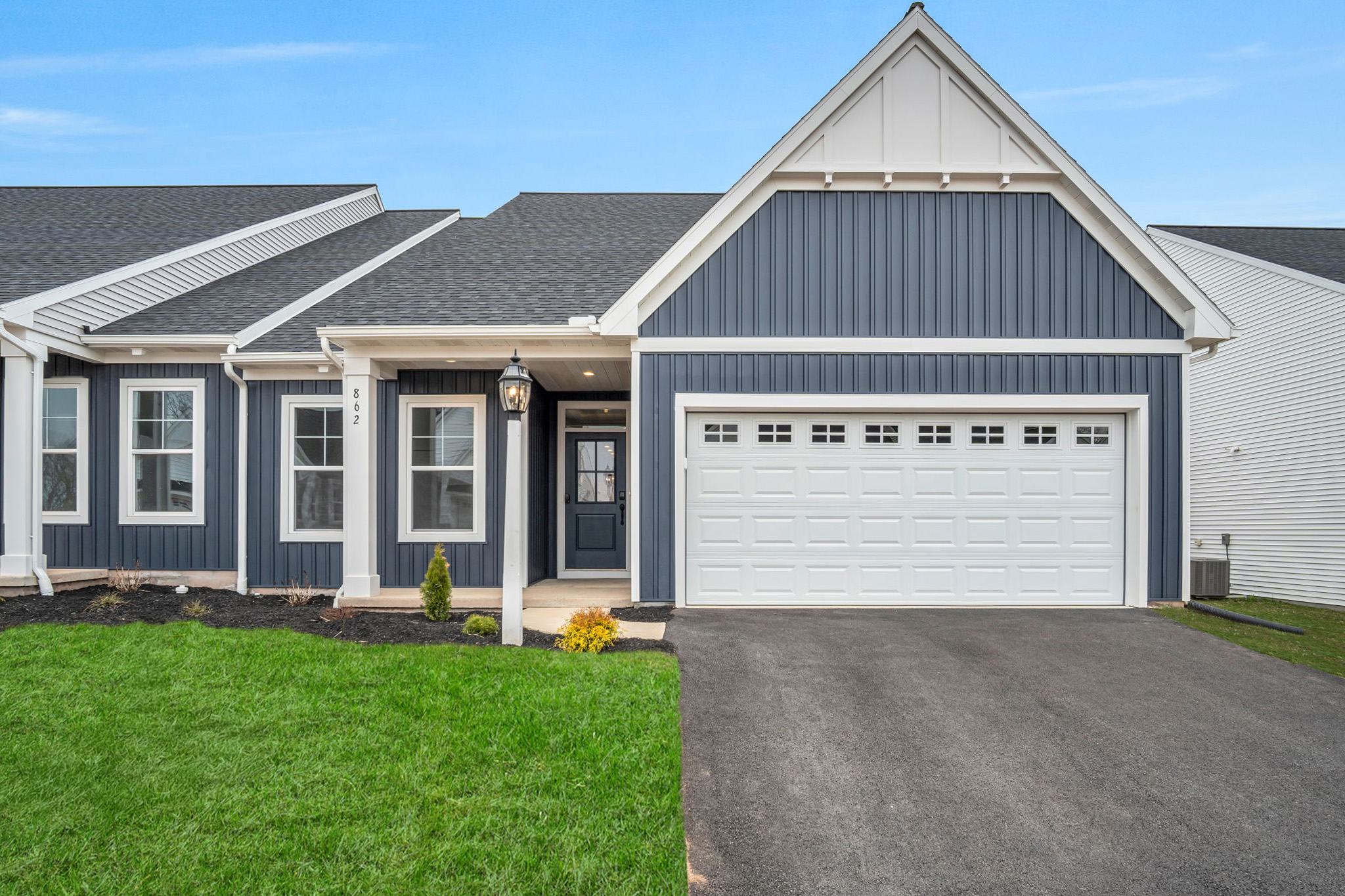
A low-maintenance exterior and landscaping. Nothing should suffer while you're away, and nothing should require your attention the moment you return. Homes with HOA-covered lawn care, mulching, and exterior upkeep remove this entirely from your plate. This is one of the clearest reasons buyers in this position gravitate toward carriage home and cottage-style communities over homes on larger, independently maintained lots.
Simple, reliable systems. A second home isn't the place for finicky or high-maintenance mechanicals. Reliable HVAC, straightforward plumbing, and systems that don't need frequent monitoring matter more here than they do in a home you're walking through every day and can catch small issues in early.
A community structure that handles upkeep on your behalf. This is the single biggest stress-reducer for part-time owners. When snow removal, common area maintenance, and exterior care are handled by the HOA, you're not relying on a neighbor to check on things or a service you have to coordinate remotely.
A layout that feels comfortable the moment you walk back in. You shouldn't need a week to re-settle into your own home. A well-organized, intuitive layout, one that doesn't require re-learning where things are or untangling systems you don't use often, matters more for a part-time home than a full-time one, because you have less time in it to build that familiarity.
What Matters Less for a Part-Time Home
Storage built for every season of life is one of the biggest things we'd tell buyers to deprioritize. A primary home has to hold holiday decorations, off-season sports equipment, hand-me-downs, hobby gear, and everything else a full life accumulates. A second home doesn't need to be that vault.
If your primary residence already holds the bulk of what you own, a part-time home built around maximum storage capacity is paying for square footage you won't use. That budget is often better spent on the things that actually reduce your workload: better exterior materials, a simpler layout, or a community with more included maintenance.
Questions to Ask Before Buying a Part-Time Home
Before you commit, get clear answers to a few practical questions:
- How should utilities and systems be managed while you're away? Does the home need someone checking on it, or is it built to sit unattended for weeks without issue?
- What does the HOA actually cover? Lawn care and snow removal are common, but coverage varies significantly by community. We break this down in detail in HOA Fees Explained: What Central PA Buyers Actually Pay For, which is worth reading before you compare communities.
- How quickly is the home ready to use again when you return? A home that needs the water turned back on, the HVAC recalibrated, and a full walkthrough for issues isn't built for the way you'll actually live in it.
These aren't questions most buyers think to ask upfront, mostly because they don't come up when you're buying a home you'll live in every day. For a second home, they're the questions that matter most.
Security and Peace of Mind While You're Away
Security for a part-time home isn't really about alarm systems or cameras, though those help. It's about whether the community around the home is active or empty most of the year.
A home in a community full of full-time residents has neighbors who notice when something looks off. A home in a mostly-vacant seasonal community doesn't have that. When you're evaluating communities for a second home, ask how many residents live there full time versus part time. A community with genuine, year-round activity, walking groups, a clubhouse that's actually used, neighbors who wave from their porches, gives you more real peace of mind while you're away than most security features on their own.
Climate and Seasonal Considerations for Central PA
A home that will sit unattended through a Central PA winter or a long summer stretch needs to handle real seasonal swings without you there to manage them. Freezing pipes, ice dams, and heating system reliability are legitimate concerns for a home left empty for weeks in January. Humidity and moisture control matter just as much for a home closed up through a humid Pennsylvania summer.
If you're weighing whether to build new for this purpose, our post Is Winter a Bad Time to Build a Home in Pennsylvania? walks through how our timelines and construction practices account for the season, which matters if you're building a home you plan to leave unattended for stretches at a time. Newer construction with modern insulation and updated systems generally handles this far better than an older home, simply because there's less that can go wrong quietly while no one's watching.
How This Connects to Lock-and-Leave Living
Everything in this guide points toward the same conclusion: a second home should function on a lock-and-leave basis. We cover the lifestyle case for this kind of living, why it appeals to buyers who travel, split time between properties, or simply want fewer weekends spent on yard work, in Why Lock-and-Leave Living Works for Buyers Who Want More Freedom. That piece covers the why. This one covers the what to look for.
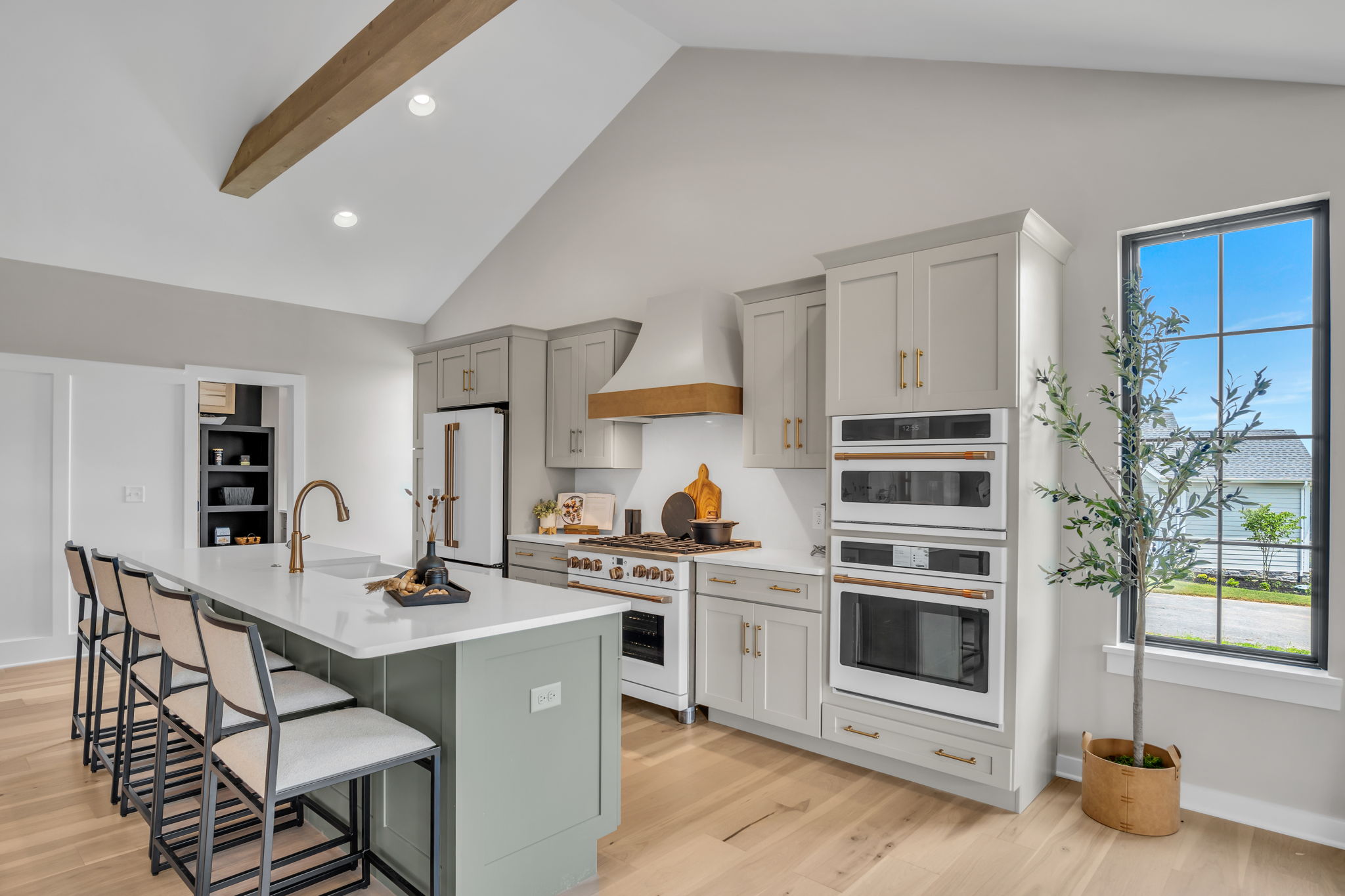 The Porches of Allenberry in Boiling Springs was designed with exactly this buyer in mind. HOA-covered lawn care and snow removal, low-maintenance carriage home exteriors, and layouts built for comfort without unnecessary upkeep make it a natural fit for anyone splitting time between two homes. If you're comparing floor plans there, our post on Why the Eddy Floor Plan Is Standing Out breaks down why it's become a favorite for buyers with exactly this second-home mindset.
The Right Second Home Isn't a Smaller Primary Home
The most common mistake in second home shopping is treating it like a scaled-down version of the first buying decision, the same checklist, just smaller. It's a different decision built around different questions.
The right second home isn't defined by how much it holds. It's defined by how easily you can leave it and how comfortably you can return to it. Get that part right, and everything else falls into place.
FAQ
What should I prioritize when buying a second home?
Prioritize ease and reliability over maximizing space. Low-maintenance exteriors, simple systems, community-covered upkeep, and a layout that feels comfortable to return to matter more than square footage or storage capacity.
Do I need less storage in a second home?
Generally, yes. A second home doesn't need to hold every season of your life the way a primary residence does. Money spent on excess storage is often better spent on features that reduce ongoing maintenance.
What questions should I ask before buying a part-time home?
Ask how utilities and systems should be managed while you're away, what the HOA covers specifically, and how quickly the home is ready to use again when you return.
Is an HOA worth it for a second home?
For most part-time owners, yes. An HOA that covers lawn care, snow removal, and exterior maintenance removes the biggest source of stress that comes with owning a home you're not living in full time.
How does Central PA weather affect an unattended second home?
Freezing temperatures, ice, and humidity all put real demands on a home that sits empty for weeks. Newer construction with updated insulation and reliable systems generally holds up better than older homes left unattended.
Ready to Find Your Second Home?
If you're weighing a second home in Central PA, whether it's a seasonal retreat, a home closer to family, or a lower-maintenance base for a fuller travel schedule, we'd like to help you think through what actually matters for how you'll use it. Reach out to our team to talk through communities like The Porches of Allenberry, or explore our available floor plans built for exactly this kind of living.


 0
0