


Nest Notes
What to Look for When Touring a Model or Quick Move-In Home: A Practical Home Tour Checklist

July 15, 2026
A model home or quick move-in home gives you something photos cannot: the chance to feel the space in person. You can walk the kitchen, open the pantry, stand in the primary suite, and picture how the home would work on a normal Tuesday.
The key is knowing what to notice beyond the finishes and first impression.
If you are wondering what to look for when touring a model home, start here. A model home helps you understand the floor plan, layout, design possibilities, and community feel. A quick move-in home lets you evaluate the actual home that may be available for purchase. At Garman, our model homes are not for sale, but they are a helpful way to experience our homes before choosing a floor plan, homesite, or available home.
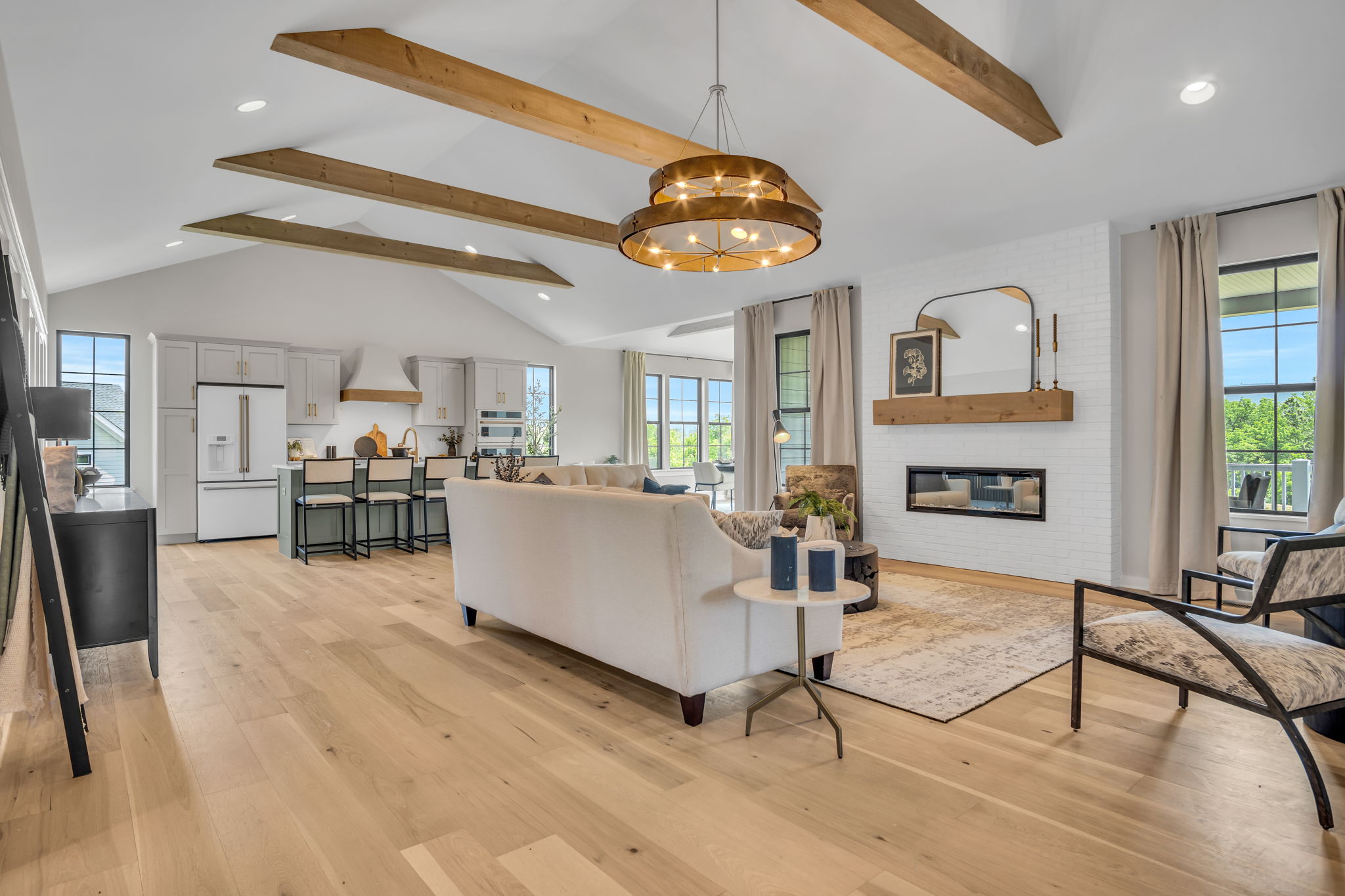
Use this model home tour checklist as a practical guide for both model homes and quick move-in homes. It will help you walk through with more confidence, ask better questions, and focus on what matters after move-in.
Key Takeaways
- A model home helps you understand the floor plan, layout, design possibilities and how the home lives.
- A quick move-in home lets you evaluate the actual home, homesite, features and move-in timeline.
- Bring the floor plan, your priorities list, a tape measure and your phone before you tour.
- Focus on layout, storage, natural light, traffic flow, included features and homesite fit.
- In the kitchen, study counter space, cabinet storage, pantry size and how people move through the room.
- In the primary suite, look at closet size, bathroom function and sound separation.
- Enjoy the styling, but focus on the layout, storage, included features and everyday function of the home you are considering.
- Walk the home twice: once with emotion, once with notes.
Before You Arrive: How to Prepare for a Model Home or Quick Move-In Tour
A good tour starts before you open the front door. Without a plan, it is easy to focus on the most visible details first: flooring, countertops, lighting and paint colors.
Those details matter. They are just not the whole story.
Bring the Floor Plan
Have the floor plan printed or open on your phone. As you walk, compare the plan to the actual home. Notice how rooms connect, where windows sit, how traffic moves and whether the layout makes sense for your routines.
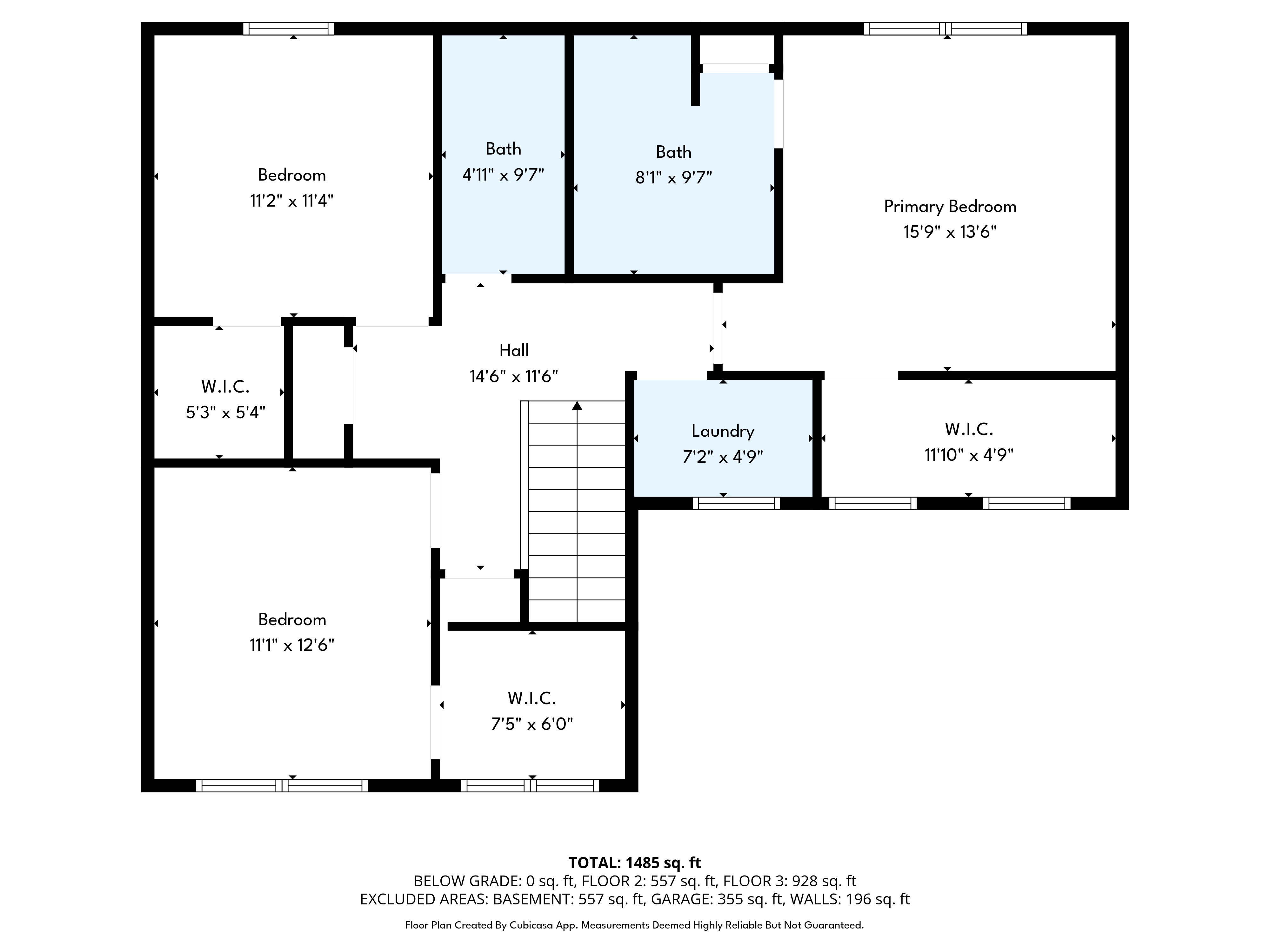
If you are touring a Garman model home, remember that the model is there to help you understand the plan and design possibilities. If you are touring a quick move-in home, you are seeing a specific home with specific selections, features and homesite conditions.
You can review our floor plans and available homes before your visit so you arrive with context.
Bring Your Priorities List
Write down what matters most before the tour. Keep it honest.
Your list might include:
- A walk-in pantry
- A mudroom near the garage
- A private home office
- More storage than your current home
- A comfortable primary suite
- A usable backyard
- A larger garage
- Low-maintenance living
- A shorter move-in timeline
Bring a Tape Measure
Bring a tape measure and know the measurements of your key furniture. This matters if you already own a sectional, dining table, king bed, dresser or home office setup you plan to bring with you.
Measure walls, room widths, garage depth and closet space. A few minutes of measuring can prevent a frustrating surprise later.
Use Your Phone for Notes
Use your phone for photos, videos and voice notes. Take a video walking from the garage into the kitchen. Photograph closet interiors, pantry shelving, outlet locations and anything you want to compare later.
Do not rely on memory. After touring two or three homes, details start to blur.
What to Look for When Touring a Model Home or Quick Move-In Home
A model home helps you understand how a floor plan feels in real life. A quick move-in home helps you understand the specific home that may be available to buy. Both tours are valuable, but you evaluate them a little differently.
1. Layout and Flow
Walk the home the way you would live in it. Come in through the garage. Carry imaginary groceries to the kitchen. Move from the laundry room to the bedrooms. Stand where kids would drop backpacks or where guests would gather during a holiday.
A strong layout makes everyday movement easier. It should feel natural, not forced.
2. Storage
Storage is one of the most important parts of a home and one of the easiest to overlook during a tour. Open the pantry. Check coat closets. Look at linen storage, the mudroom, garage space and bedroom closets.
A home can look clean and open during a walkthrough because no one lives there yet. Ask yourself where real life will go: shoes, bags, cleaning supplies, sports gear, bulk groceries, tools, holiday bins and pet supplies.
3. Room Size
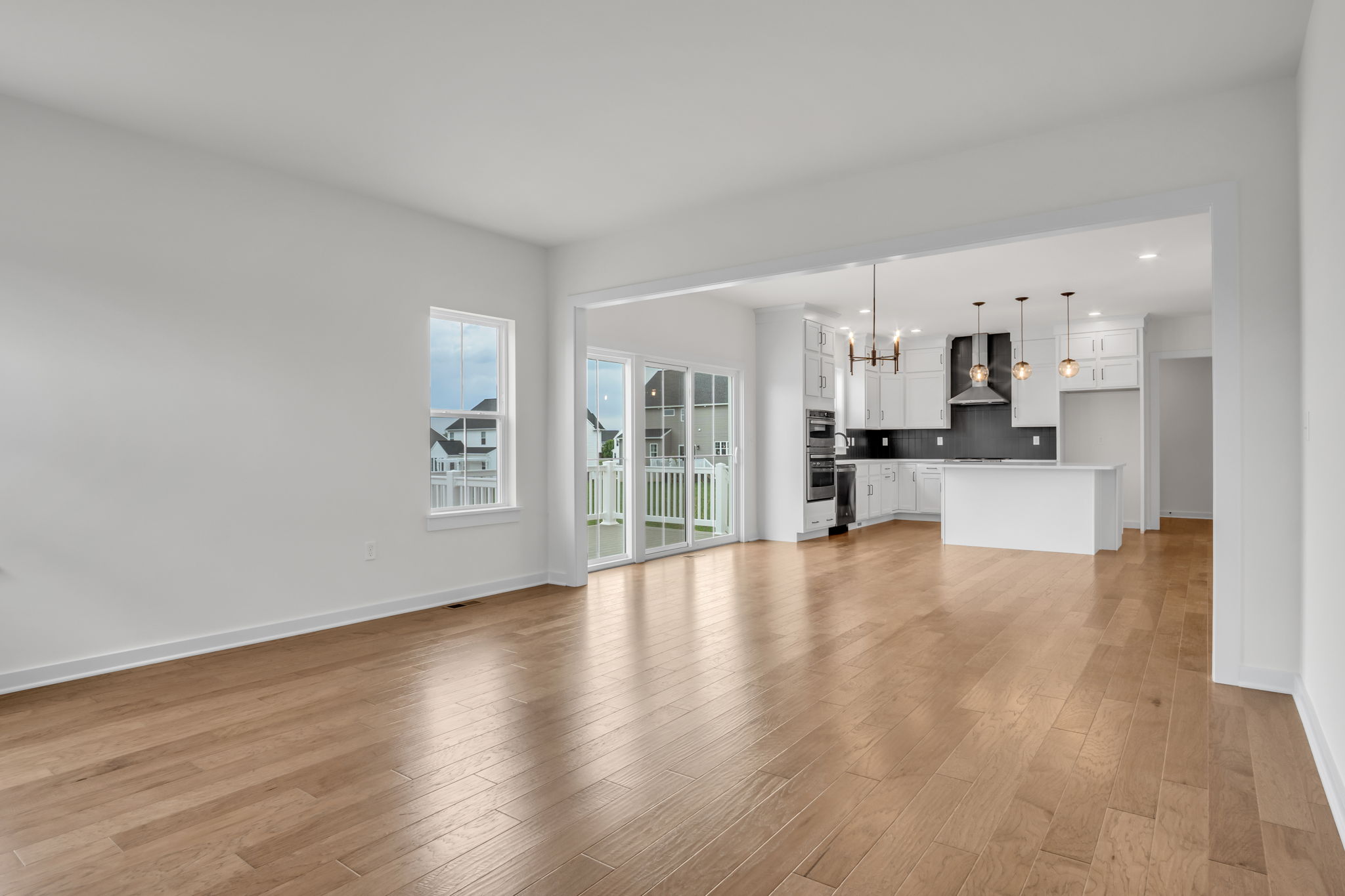
Do not judge room size by feeling alone. Rooms can feel larger or smaller depending on light, furniture placement, ceiling height and finishes.
Measure. Look at door swings, window placement and wall space. Make sure the primary bedroom fits your bed and nightstands. Make sure the family room can hold the seating you actually use.
4. Natural Light
Notice where sunlight enters the home and what time of day you are touring. A bright morning kitchen may feel different in the afternoon. A shaded family room may be exactly what you want, or it may feel darker than expected.
Ask how the home sits on the lot and which direction key rooms face. Lot orientation affects comfort, light and how outdoor spaces feel throughout the day.
5. Included Features and Completed Selections
In a model home, you may be seeing a mix of included features, popular selections and design ideas. Ask what comes standard, what is optional and what was chosen specifically for that model.
In a quick move-in home, many selections are already made. That can be a benefit because you can see what you are buying more clearly. Still, ask which features are included, whether any items are optional, which appliances are part of the home and whether any selections can still be adjusted.
Clarity matters. At Garman, our team helps buyers understand what is included so they can make a confident decision.
6. Home Performance and Comfort
Look beyond finishes. Ask about insulation, energy efficiency, HERS testing and how the home is built to perform.
Through The Garman EDGE, our homes are built with efficiency, design and building science, guaranteed settlement and excellence in mind. Garman homes are HERS tested and proven to be 37% more efficient than the average new home built today. That means the home is designed to offer better comfort, lower energy waste and long-term value you can feel after move-in.
What to Focus On and What to Look Past
A model or quick move-in home may be beautifully finished, furnished or styled to help buyers understand the space. Enjoy that. Good design helps you picture life in the home.
Focus On
Pay close attention to:
- Floor plan flow
- Kitchen function
- Storage
- Bedroom sizes
- Closet space
- Natural light
- Homesite orientation
- Included features
- Garage size
- Outdoor usability
- Energy efficiency
- Timeline and settlement details
These are the things that affect daily living, comfort and long-term satisfaction.
Look Past
Try not to make your decision based only on:
- Decor that may not match your style
- Furniture that is different from what you own
- Paint colors that are easy to change
- Design selections that are beautiful but not essential to your needs
- Lighting, mirrors or accessories used to help the home show well
- Features you would not personally prioritize
- A first impression that does not match your practical checklist
The goal is not to ignore the way the home looks. The goal is to separate personal style from lasting function.
What to Look for in the Kitchen
The kitchen carries a lot of weight in a home tour. It is where people gather, where routines happen and where poor planning shows up quickly.
Counter Space and Work Zones
Stand at the island or main prep area. Picture a normal evening: groceries on the counter, dinner cooking, someone opening the refrigerator and someone else unloading the dishwasher.
Is there enough room for all of that? Can two people move comfortably? Is there counter space near the refrigerator, sink and range?
A kitchen does not need to be oversized to work well. It needs to be planned well.
Cabinet Storage
Open the cabinets and drawers. Look at where everyday items would go: plates, glasses, pans, cutting boards, lunch containers and small appliances.
Pay attention to deep drawers, corner storage, trash pullout locations and the distance between storage zones. A beautiful kitchen becomes frustrating if everything is hard to reach.
Pantry Size
Look at the pantry with your actual grocery habits in mind. If you cook often, buy in bulk or pack lunches, pantry space matters.
Check shelf depth, access and whether there is room for overflow items. A pantry should help the kitchen stay clean and functional, not just check a box.
Refrigerator Surround and Appliance Placement
Notice where the refrigerator sits. Can the doors open fully? Is there counter space nearby for unloading groceries? Does the refrigerator interrupt traffic when someone opens it?
Also ask which appliances are included. In a model home, the appliances shown may represent a design selection or upgrade. In a quick move-in home, confirm the specific appliance package tied to that home.
Traffic Flow During Meal Prep
Walk from the refrigerator to the sink to the range. Then walk from the garage entry to the pantry. These paths matter.
A well-designed kitchen should support real movement, not just look good from one angle.
What to Look for in the Primary Suite
The primary suite should feel comfortable, but comfort is more than a soft paint color or a large bed. Look at privacy, storage and routine.
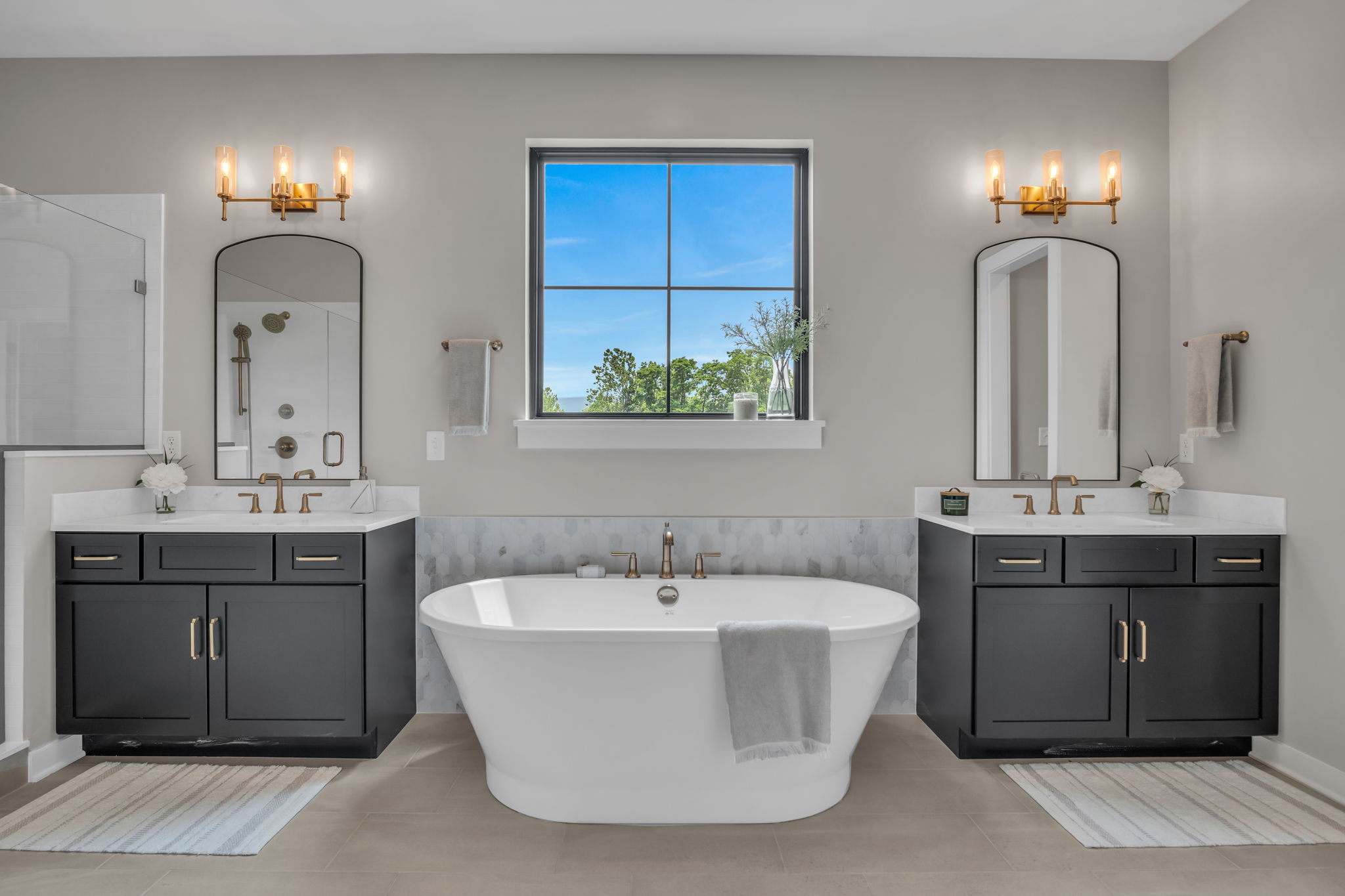
Closet Size
Walk into the closet and picture your real clothes. All of them.
If two people will share the closet, think about hanging space, shelves, shoes, seasonal items and whether both people can use the space comfortably. A closet that looks generous when empty can feel different once it is full.
Bathroom Layout
Think through a busy morning. Are the sinks positioned well? Is there enough counter space? Is the shower comfortable? Is the toilet area private enough for your preference?
Look for linen storage too. Towels, toiletries and cleaning supplies need a home.
Sound Separation
Stand in the primary bedroom and listen. Where is the family room? How close are the secondary bedrooms? Is the laundry room nearby? What sits above, below or beside the suite?
Sound separation matters for light sleepers, families with children, shift workers and anyone who wants the primary suite to feel like a true retreat.
What to Look for in Living and Family Rooms
A family room should fit the way you relax, host and spend ordinary evenings.
Seating Capacity
Picture the number of people who regularly use the room. Then picture holidays, movie nights or friends visiting.
Can the room hold enough seating? Is there space for a sectional, chairs or a larger coffee table? Do walkways stay clear once furniture is in place?
Wall Space for Furniture and TV
Look at solid walls. Where would the TV go? Where would your sofa sit? Are windows, doors or openings limiting furniture placement?
A room with lots of windows and openings can feel bright and connected, but it may require more thoughtful furniture planning.
Natural Light at Different Times of Day
Ask when the room gets the most natural light. Morning sun and afternoon sun feel very different.
This matters for comfort, glare on a TV, houseplants, temperature and how you use the room throughout the day.
What to Look for in Storage
Storage is not the most exciting part of a home tour. It is one of the most important.
Pantry and Kitchen Overflow
Look beyond the main cabinets. Where will bulk go? Where will serving dishes, pet food or small appliances live?
If the answer is “somewhere,” keep looking.
Mudroom and Drop Zone
The mudroom is where real life enters the home. Look for hooks, benches, cubbies, closets or open wall space that could support a drop zone.
If you have kids, pets or an active household, this space will work hard.
Coat Closets and Linen Closets
Open every closet. Check the front entry, hallway, bathrooms and laundry area.
A missing closet is easy to miss during a tour. You will notice it the first time guests arrive with coats or you need a place for extra towels.
Garage Storage
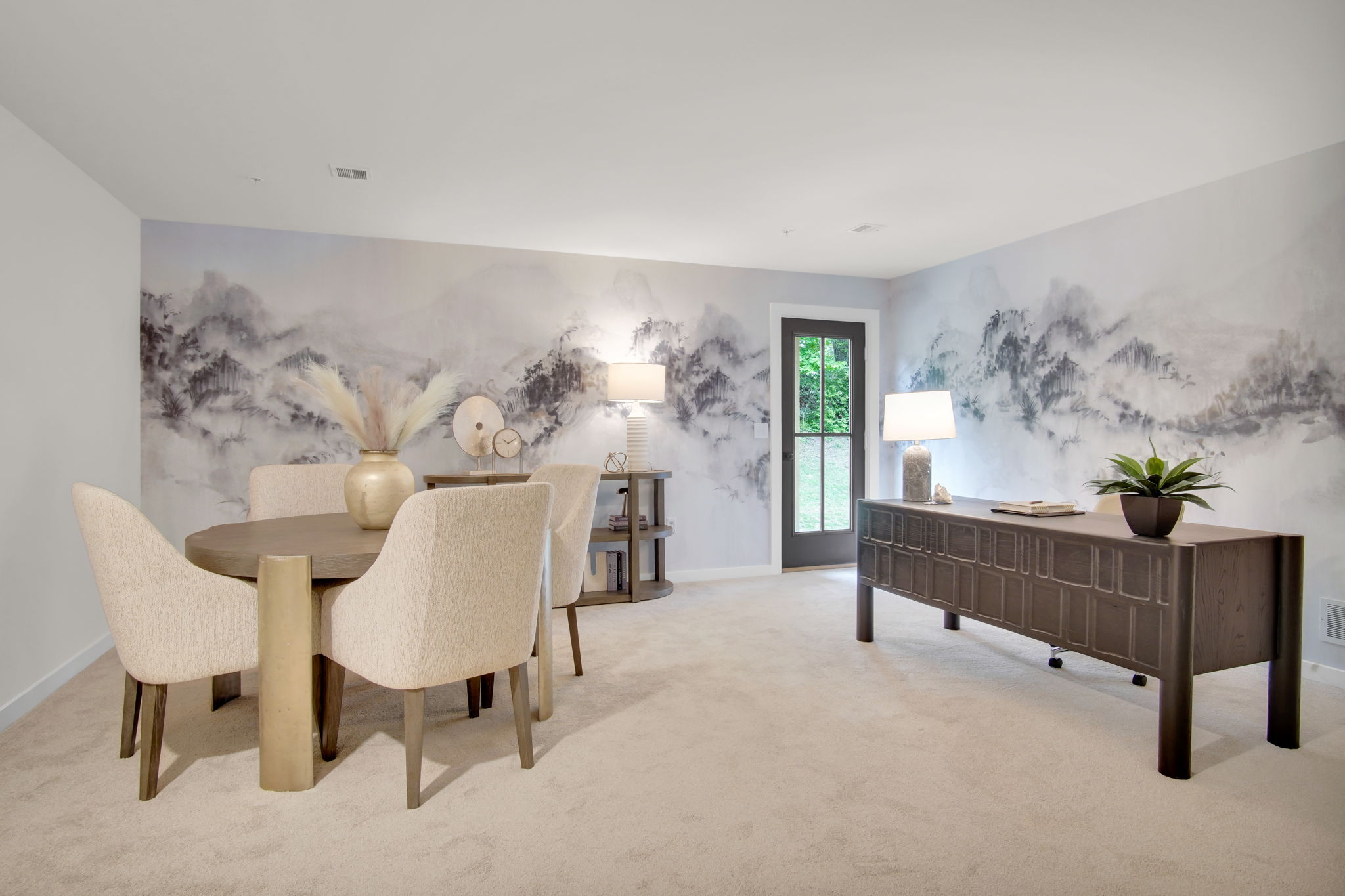
Stand in the garage and picture your vehicles, trash cans, bikes, tools, lawn equipment, sports gear and storage bins.
Ask about garage dimensions. A two-car garage does not automatically mean two cars plus everything else.
Attic Access
Ask whether attic storage is available and how it is accessed. Storage options vary by home, plan and construction type, so get the details for the specific home you are considering.
What to Look for Outside the Home
The homesite affects how the home lives. Do not treat the outside as an afterthought.
If you are touring a model home, the model’s homesite may help you understand the community feel, but it may not reflect the exact homesite you choose. If you are touring a quick move-in home, you can evaluate the actual yard, driveway, views and orientation.
Lot Orientation
Ask which direction the home faces and how the sun moves across the property. This affects natural light, outdoor comfort and how you use patios, porches or decks.
Sun Direction
If you want morning coffee outside, pay attention to morning sun. If you want shade in the evening, ask about afternoon exposure.
Sun direction also affects how warm certain rooms feel during different parts of the day.
Neighbor Sightlines
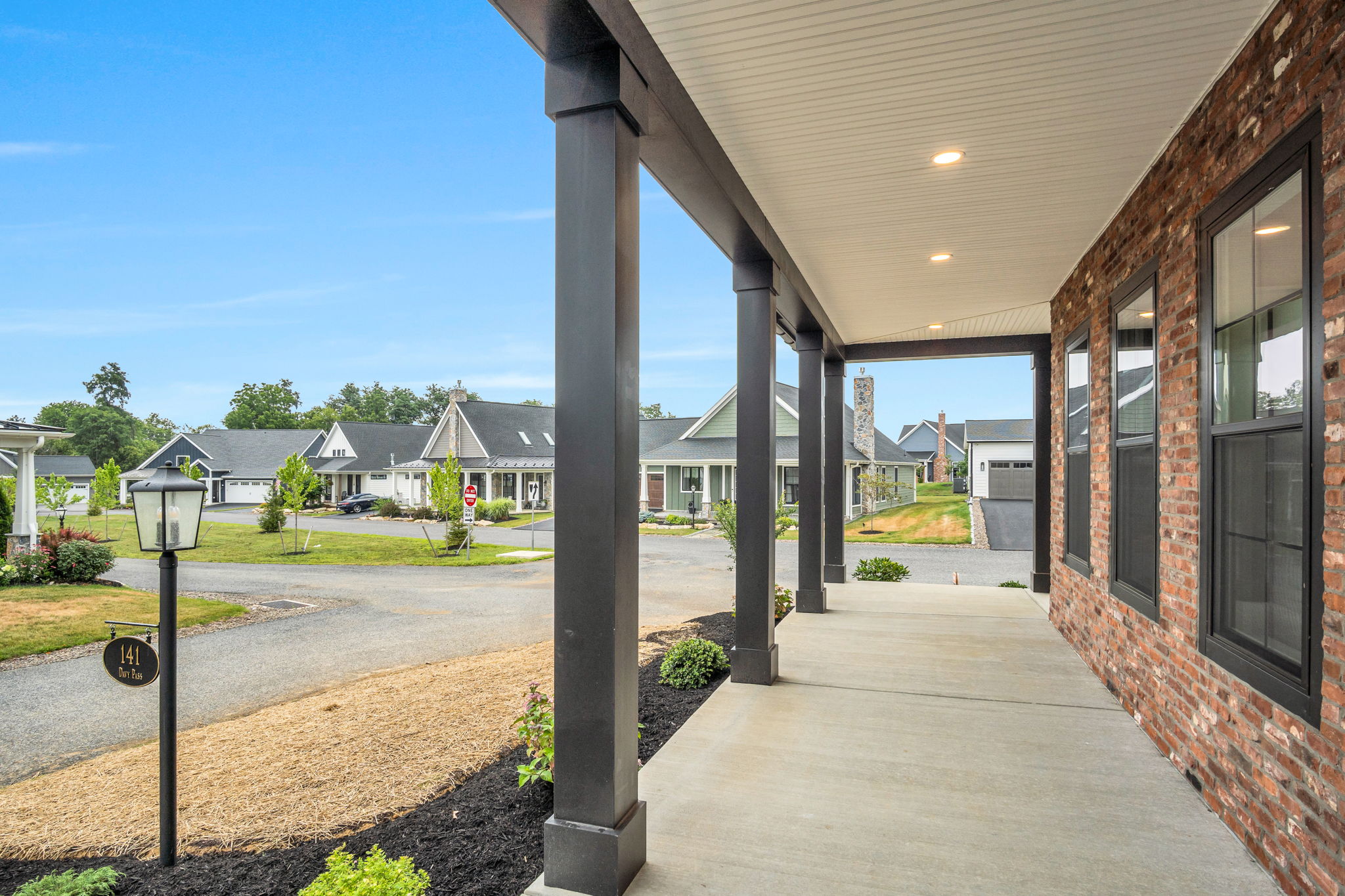
Stand at the windows. Step into the backyard. Look from the patio or porch.
What can you see? What will neighbors see? Privacy is shaped by more than lot size. Window placement, grading, landscaping and home spacing all matter.
Drainage and Grading
Look at how the land slopes around the home. Ask how water moves away from the foundation and through the yard.
This is not the flashy part of a tour, but it is worth understanding before you buy.
Usable Backyard Space
A yard can look generous on a homesite plan and feel different in person. Slopes, easements, setbacks and drainage areas can affect how much space you can actually use.
If you want a fence, garden, play area, patio or outdoor entertaining space, ask specific questions during the tour.
What to Ask When Touring a New Home
The best questions go beyond price. Price matters, but it does not tell the whole story.
Ask these during your model home or quick move-in home tour:
Is this a model home or a quick move-in home?
A model home helps understand the plan and design options. A quick move-in home is be available to purchase with a faster settlement time.
What features shown are included and what features are upgrades?
This is especially important in a model home, where you may see a mix of included features and optional selections.
What is included in this specific quick move-in home?
Confirm appliances, finishes, fixtures, flooring, exterior features and any completed selections.
Can any selections still be changed?
Depending on the stage of construction, some choices may already be final. Ask before assuming.
What structural options are part of this home or floor plan?
Structural options affect how the home lives and often need to be understood early.
What do buyers like most about this floor plan after moving in?
Sales teams hear real feedback. Use that insight.
What surprised recent move-ins?
This question often reveals practical details about storage, light, furniture placement or daily routines.
How does this homesite compare to others in the community?
Ask about orientation, slope, privacy, yard size and nearby features.
What should I know about energy efficiency?
Ask about HERS testing, insulation and performance. These details affect comfort and long-term value.
What is the settlement timeline?
Garman’s guaranteed settlement date gives buyers confidence when planning their move. If we fall short, we stand behind that promise and pay buyers for every day their settlement date is delayed.
What happens after settlement?
Ask about customer care, follow-up and warranty-related support. At Garman, care continues beyond settlement, including 3-month and 1-year follow-ups.
For a closer look at how we guide buyers, visit our homebuilding process.
Why Self-Guided Tours Help You Notice More
A guided tour is useful when you want direct answers. A self-guided tour gives you something different: room to think.
With options like Garman’s Anytime Tours, where available, buyers can walk through select homes at their own pace. You can pause in the pantry, measure a bedroom wall, stand in the garage or walk from the mudroom to the kitchen without feeling rushed.
That space matters. Buying a home is practical and emotional. Most people need both time and quiet to picture real life in a space.
Self-guided tours also work well when two buyers notice different things. One person may focus on layout. Another may care about storage, light or outdoor space. Moving at your own pace gives those observations time to surface.
After the tour, follow up with our team. Bring your notes and questions. That conversation will be more useful because you have already walked the home with your own priorities in mind.
The “Walk It Twice” Rule
Walk the home twice.
The first walk is emotional. Let yourself respond to the home. Notice what feels good. Picture dinner in the kitchen, a quiet morning in the primary suite or guests gathered in the family room.
Then take a breath and start again.
The second walk is practical. Use your checklist. Open closets. Measure rooms. Look at the garage. Study the homesite. Ask what is included. Think about where your furniture goes and how your routines move through the home.
Both walks matter. Emotion helps you know whether the home feels right. Notes help you know whether it works.
Tour with Confidence, Not Guesswork
A model home or quick move-in home tour should give you more than a first impression. It should help you understand how the home will live after the furniture arrives, the pantry fills up and real routines begin.
At Garman Builders, we build homes that are Built for the Way You Live. That means thoughtful layouts, better-built construction, energy efficiency, design guidance and confidence from contract to closing.
If you are ready to tour new homes in South Central Pennsylvania, browse our available homes, explore our floor plans or contact our team. Bring your checklist. We will help you see what matters clearly.
FAQ
What should I look for when touring a model home?
Look for layout, room size, storage, natural light, included features and how the floor plan supports your daily routine. Pay close attention to the kitchen, primary suite, closets, garage, outdoor space and traffic flow between key areas.
How is touring a model home different from touring a quick move-in home?
A model home helps buyers understand a floor plan, design possibilities and community style. A quick move-in home lets buyers evaluate a specific home that may be available for purchase, including its finishes, homesite, light, storage and move-in timeline.
Are Garman model homes for sale?
Garman model homes are not for sale. They are available to help buyers experience floor plans, layout, craftsmanship, design ideas and community feel. Buyers who want a home with a shorter timeline can explore Garman’s available quick move-in homes.
What should I bring to a new home tour?
Bring the floor plan, a priorities list, a tape measure and your phone. Use your phone for photos, videos and notes. Bring measurements for key furniture pieces so you can confirm whether your current items will fit.
What questions should I ask when touring a new home?
Ask what is included, what is upgraded, what selections are already final, how the homesite is oriented and what buyers like most about the floor plan after moving in. Also ask about energy efficiency, settlement timing and post-settlement care.
Should I focus more on finishes or floor plan?
Focus first on the floor plan, flow, storage and homesite. Finishes matter, especially in a quick move-in home, but layout and function have a bigger impact on daily life. A beautiful home still needs to work for your routines.
Are self-guided home tours helpful?
Yes. Self-guided tours give buyers time to move through the home at their own pace, take notes, measure rooms and picture daily life without feeling rushed. They work best when paired with follow-up questions for the sales team.


 0
0