


Nest Notes
Do New Homes Come With Blinds? What to Know About Window Treatments After Closing

September 14, 2026
Do New Homes Come With Blinds? What to Know About Window Treatments After Closing
Most new construction homes do not come with window treatments or blinds as standard. Windows are typically left bare at closing, and treatments are a buyer expense afterward. It catches a lot of first-time buyers off guard, especially after weeks of walking through a model home with every window dressed and styled.
If you're planning your move-in checklist and wondering whether window coverings are part of your new home purchase, the short answer is no, not usually. Here's what that actually means for your budget, your timeline, and those first few nights in a house with no privacy after dark.
Key Takeaways
- Bare windows at closing are standard practice across new construction, not a Garman-specific gap.
- Builders leave window treatments to buyers because style preference is personal and including it standard would raise the base price for everyone, whether they'd use it or not.
- Some communities or upgrade packages include basic blinds in select rooms, but this varies by builder and community and should never be assumed without confirming.
- There's a real privacy gap between move-in day and having treatments installed, and it's worth planning a simple temporary fix.
- Costs range widely depending on style, from basic blinds to custom treatments, so budget with a range in mind rather than a single number.
- Cordless blinds and roller shades are the most common choices among new construction buyers, largely for safety and a clean look.
- Custom treatments can take several weeks to arrive, so measuring and ordering before move-in saves you from bare windows for longer than necessary.
- Some communities have HOA guidelines about how window treatments look from the outside, so it's worth checking before you order.
Why Window Treatments Are Left to the Buyer
Window treatment style is one of the most personal decisions in a home. What looks right in one bedroom might feel completely wrong in another, and preferences around color, fabric, light control, and hardware finish vary from one household to the next.
Building it in as a standard feature would mean pricing it into every home, whether the buyer wants basic white blinds, layered drapery, or nothing at all. Most buyers would rather have the flexibility to choose their own style and vendor than pay for a builder-selected option they'd likely replace anyway. So it stays off the standard features list, the same way it does with most builders across South Central Pennsylvania.
What's Sometimes Included, and Why You Shouldn't Assume It
Some communities or upgrade packages do include basic blinds in specific rooms, most often bathrooms or bedrooms where privacy matters immediately. This isn't universal, and it changes from one community and package to the next.
If window treatments matter to your closing budget or your move-in timeline, ask your new home consultant directly what's included in your specific community and plan. Don't assume based on another buyer's experience or a different Garman neighborhood. It's a quick question that saves a surprise later.
The Privacy Gap Nobody Plans For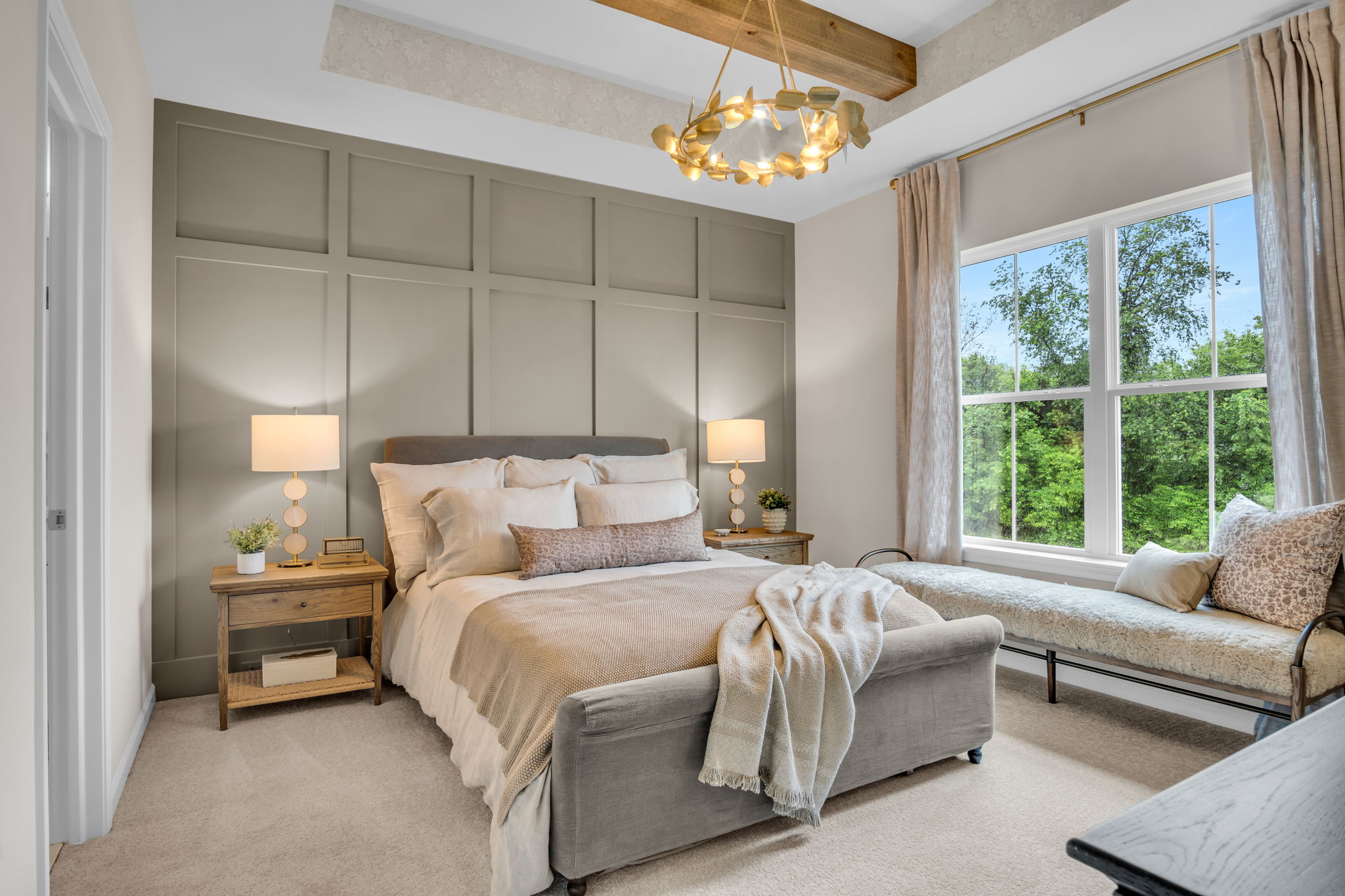
Here's the part that catches people off guard: the stretch between move-in day and the day your window treatments actually get installed. Custom orders take time, and even in-stock options need to be measured, purchased, and hung.
In the meantime, most buyers lean on something simple. Tension-rod curtains from a home store, temporary paper shades, or even repurposed sheets over a rod get the job done for a few weeks. It's not glamorous, but it solves the immediate problem: not wanting your neighbors, or the street, to see straight into your living room the first night you're in the house.
Budgeting for Window Treatments
Costs vary a lot depending on what you choose. Basic vinyl or faux-wood blinds sit at the lower end of the range. Cellular shades and roller shades run in the middle. Custom drapery, motorized shades, or plantation shutters push toward the higher end, especially for larger windows or rooms with unusual shapes.
Rather than fixate on one number, it's more useful to think of it the way you'd think about landscaping: a real, near-term cost that varies room by room and choice by choice. Some buyers cover every window in the house within the first month. Others start with bedrooms and bathrooms and work through the rest of the house over time.
What Buyers Tend to Choose
Cordless blinds are one of the most common picks in new construction homes, largely because of child and pet safety and because they give a cleaner look without hanging cords across the window. Roller shades are another popular choice for buyers who want a simple, modern feel without a lot of hardware or bulk.
Where buyers tend to splurge is the main living areas and primary bedroom, spaces where they spend the most time and want the finished look to match the rest of the home. Where they tend to keep it simple is secondary bedrooms, home offices, and laundry rooms, spaces where function matters more than style.
Timing: Order Before You Think You Need To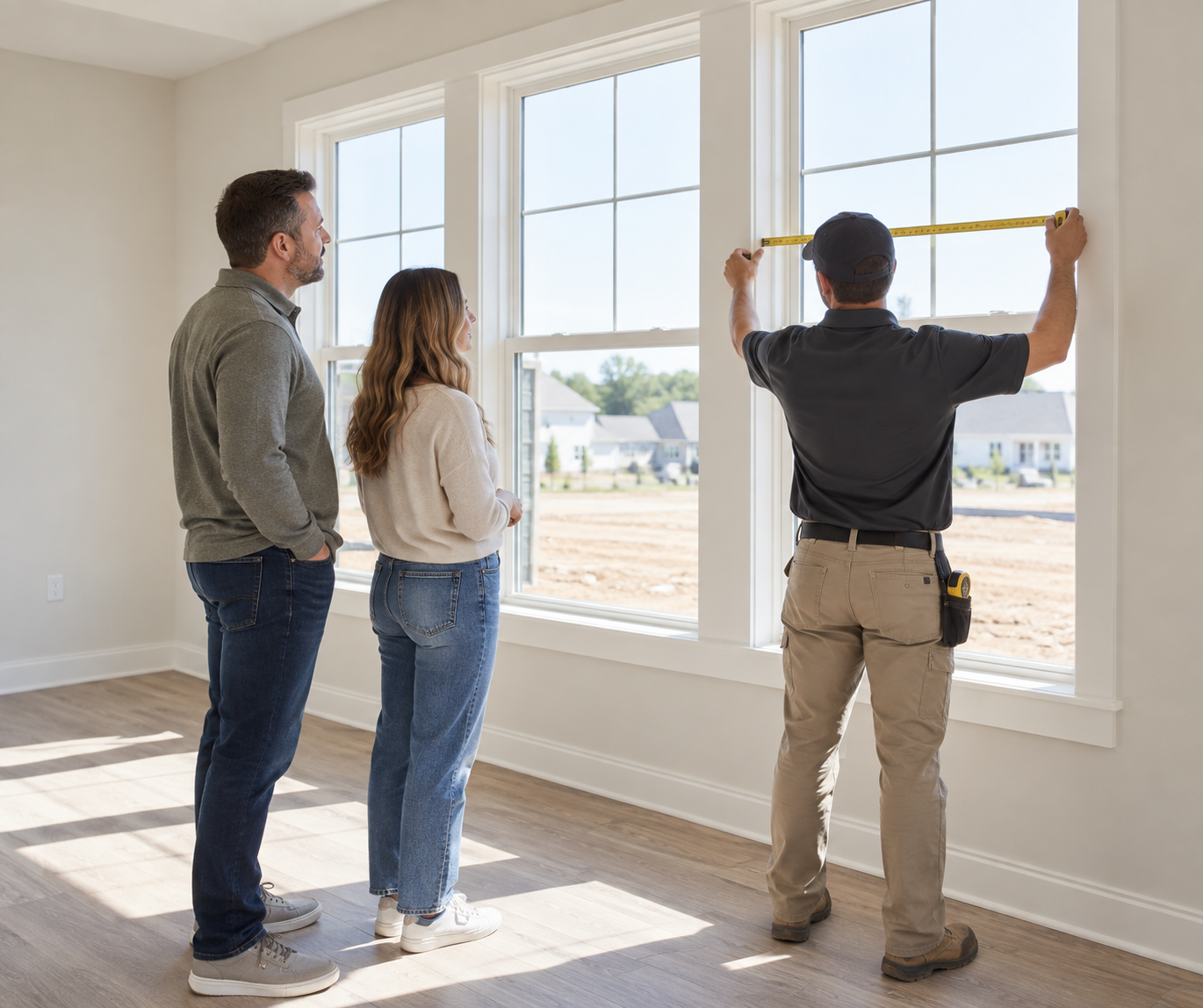
Custom window treatments often take several weeks to arrive after you place the order, sometimes longer depending on the vendor and the season. If you know your closing date, it's worth getting a measuring appointment scheduled as early as possible, even before you have keys in hand.
Many companies can measure from your final floor plan or do a walkthrough during your final inspection. Ordering early means your treatments are ready to install close to move-in day instead of weeks after.
Check HOA or Community Guidelines First
Some communities, particularly those with an HOA, have guidelines about how window treatments appear from the street. This usually applies to color and material on the exterior-facing side, not what you choose for the room itself. White or neutral backing is often the safe standard, but it's worth confirming with your HOA documents or your Garman new home consultant before you place an order.
The Practical Takeaway
Window treatments are a lot like landscaping: a real cost that shows up after closing, not before. Plan for it, budget for it, and get ahead of the timeline so you're not staring at bare windows longer than you'd like.
If you're mapping out what else falls into that post-closing category, our post on Does Landscaping Come With a New Construction Home? covers the same territory for your yard, and Do New Construction Homes Come With a Garage? What Buyers Should Know About Garage Options walks through another common assumption buyers make. For a fuller picture of what to expect cost-wise, The True Cost of Building a New Home in Pennsylvania: 2026 Breakdown is worth a read early in your process.
FAQ
Do new construction homes come with blinds or window treatments?
No, most new construction homes leave windows bare at closing. Window treatments are typically a separate expense buyers handle after move-in, though this can vary by community and upgrade package.
How much should I budget for window treatments in a new home?
Costs vary widely depending on style, from basic blinds to custom drapery or shutters. Treat it as a near-term post-closing expense and get quotes based on your actual window sizes once you know your floor plan.
What can I use for privacy right after moving in?
Temporary solutions like tension-rod curtains, paper shades, or even sheets over a rod work well for the weeks between move-in and when your permanent treatments arrive.
How early should I order window treatments before closing?
As early as possible. Custom treatments can take several weeks to arrive, so scheduling a measuring appointment before your closing date helps you avoid a long gap with bare windows.
Are there rules about what window treatments I can use?
Some HOA communities have guidelines about how treatments appear from outside the home, usually related to backing color. Check your HOA documents or ask your new home consultant before ordering.
If you're under contract or getting close, our guide on What to Do (and Not Do) After You Sign Your New Home Contract is a good next stop for getting your post-closing checklist in order. And if you have questions specific to your community or plan, reach out to your Garman new home consultant. They can tell you exactly what's included where you're building, and help you plan for what isn't.


 0
0