


Nest Notes
Do New Homes Appreciate Faster Than Resale Homes?

August 16, 2026
New construction homes do not automatically appreciate faster than resale homes, but several factors specific to new construction tend to support stronger long-term value. Here is what actually drives appreciation either way.
That distinction matters. Buyers often ask us whether building new is the smarter long-term investment, not just the better place to live right now. The honest answer is that appreciation is never guaranteed. Home values move based on location, demand, timing and the broader market. Still, a better-built, more efficient home in the right community can remove some of the friction that holds older homes back.
If you are weighing new construction vs resale appreciation, this guide breaks down what affects value most, where new homes often have an edge and where resale homes sometimes do.
Key Takeaways
- New homes do not always appreciate faster than resale homes
- The biggest home appreciation factors are location, demand, school district quality and local economic growth
- Modern layouts, energy efficiency and lower maintenance needs often help support new construction home value over time
- Buying early in a growing community can benefit long-term value as later phases often sell at higher prices
- Resale homes can have an edge in established neighborhoods with mature landscaping and proven demand
- Warranty coverage can make a newer home more attractive to the next buyer if you sell within the coverage period
- Most design center upgrades improve livability more than they improve resale value dollar for dollar
What Actually Drives Home Appreciation
The biggest drivers of appreciation are the same whether the home is new or resale.
Location
Location still does most of the work. A home in a strong area with good access to jobs, shopping, schools and everyday convenience will usually hold demand better than a similar home in a weaker location.
In South Central Pennsylvania, that can mean different things for different buyers. For some, it is commute access to Harrisburg, Lancaster, Hershey or York. For others, it is school district strength, walkability or a low-maintenance community close to daily needs.
Local market demand
Demand shapes value. When more buyers want into an area than there are homes available, prices tend to rise. When demand cools, appreciation usually slows with it.
That is one reason community selection matters so much. We cover that more in What to Know Before Choosing a New Home Community in South Central PA.
School district quality
For family buyers especially, school districts have a direct effect on demand. Even buyers without school-aged children pay attention to this because they know future buyers will.
A well-regarded school district can support stronger resale interest and better long-term value.
Overall economic growth in the area
Home values are tied to the health of the surrounding region. Job growth, population growth, infrastructure investment and business activity all matter.
That is part of why South Central PA continues to draw attention. The region offers relative affordability, solid demand and access to major employment hubs without the pricing pressure of larger metro areas.
Factors That Specifically Support New Construction Value Over Time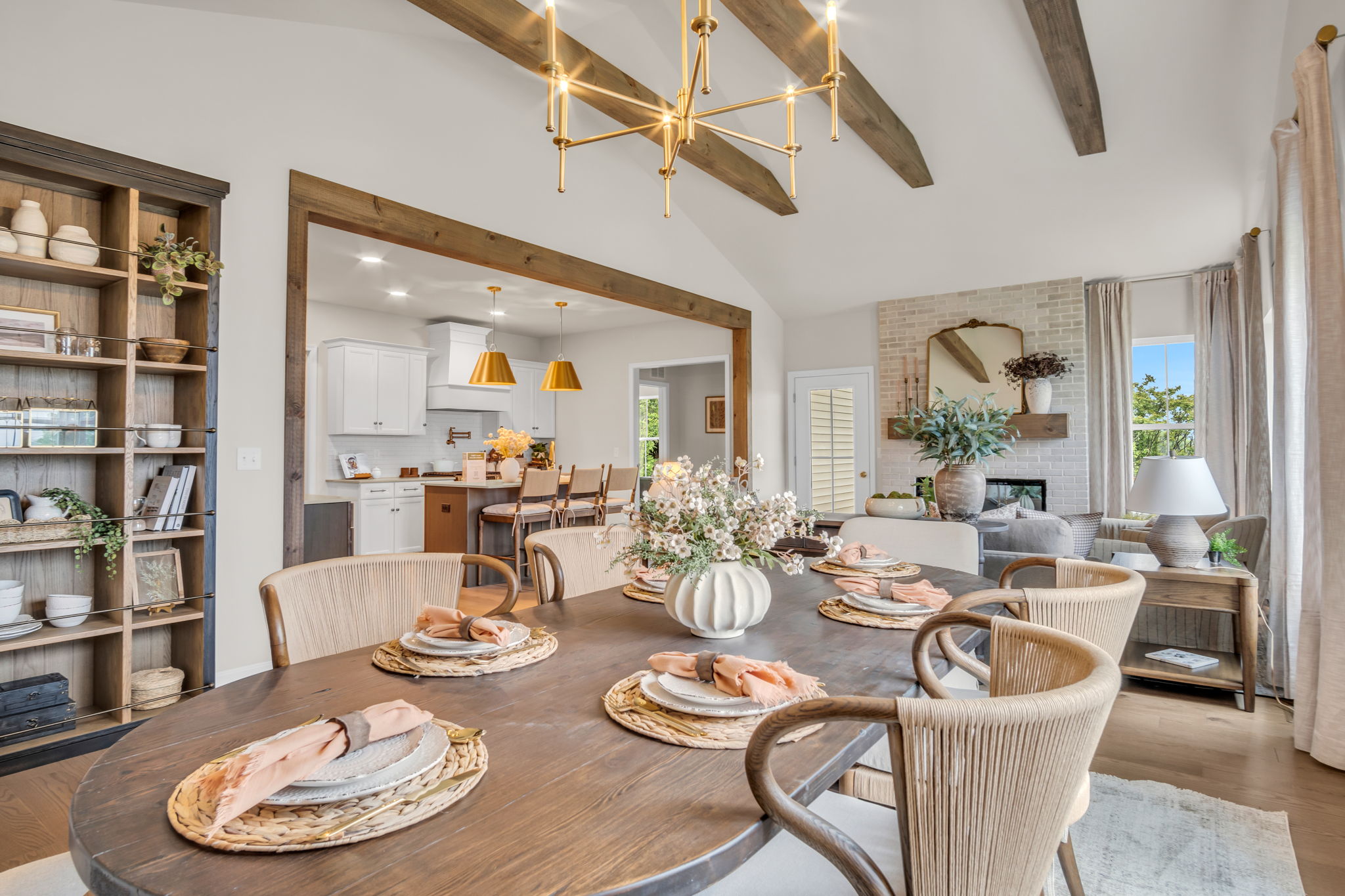
If you are asking, does new construction hold its value, this is where the case gets stronger.
Modern floor plans stay competitive longer
A home does not need to be brand new forever. It needs to stay desirable.
That is where layout matters. Open gathering spaces, better kitchen flow, intentional storage, private primary suites and flexible rooms for work or guests fit the way people live now. Older resale homes often struggle here. Closed-off kitchens, awkward room divisions and limited storage can feel dated fast.
A newer floor plan usually needs fewer excuses during resale. Buyers walk in and understand how they would live there.
Features like first-floor primary suites can be especially durable from a resale standpoint. We cover that in more detail here: First-Floor Primary Suites: Why They’re the #1 Requested Layout in New Construction.
Energy efficiency matters more than it used to
Efficiency is not a niche selling point anymore. It affects monthly cost, comfort and buyer perception.
Our homes are HERS tested and proven to be 37% more efficient than the average home built today. That translates to buyer-friendly benefits people feel every day: more consistent comfort, less wasted energy and better long-term performance. When a future buyer compares a newer efficient home to an older one with higher utility costs and aging systems, that difference matters.
It can also matter in appraisal and marketability, especially as efficient construction becomes more expected rather than optional.
Growing communities can lift value over time
This is one of the most overlooked parts of new construction vs resale appreciation.
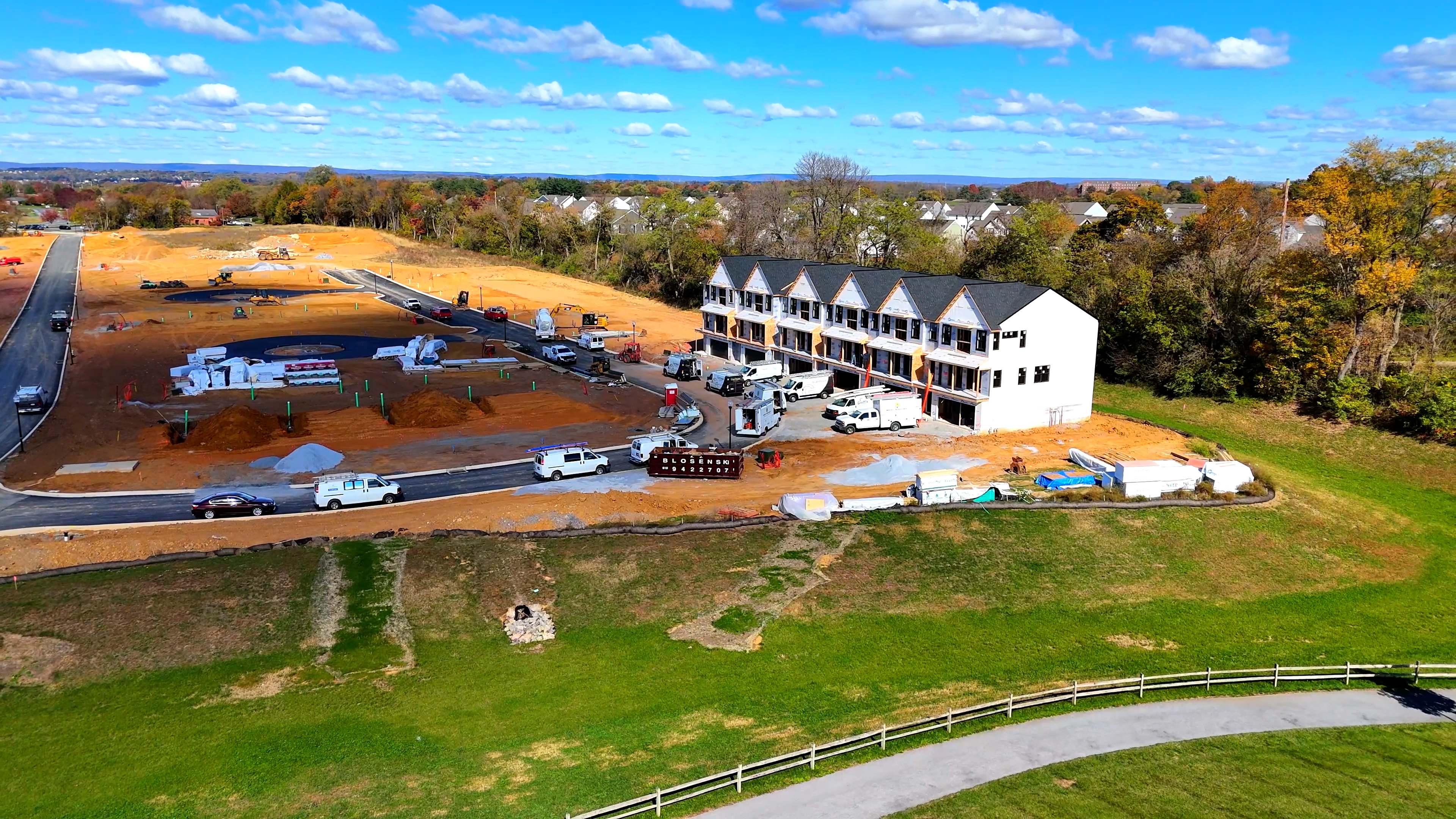
When you buy in a new community early, you are often buying before the neighborhood is fully built out. As later phases are released, builders may raise pricing based on demand, lot premiums, construction costs and community momentum. Those later sales can help lift comparable values for earlier buyers.
That does not happen in every market or every phase. But it is a real dynamic in new construction, and it is one reason buying earlier in a well-positioned community can be a smarter way forward.
Warranty coverage can help the next buyer
If you sell while warranty coverage is still in effect, that can be a real advantage.
A future buyer may see less risk in purchasing a home that still has coverage on key components versus an older home where every system is aging out at once. It is not the only factor in resale value, but it can make your home easier to sell and easier to trust.
Where Resale Homes Sometimes Have an Appreciation Edge
This is the part that often gets skipped in builder content. It should not.
Established neighborhoods can command strong demand
Some resale neighborhoods have what new communities cannot replicate right away: mature trees, larger lots, established streetscapes and a long track record of demand.
That appeal is real. For some buyers, it is enough to outweigh the benefits of newer construction.
Demand history is already proven
A resale home in a neighborhood with decades of stable buyer demand can feel less speculative. Buyers and appraisers can usually see a longer sales history, which gives clearer evidence of how that area performs over time.
Lower entry price can create more percentage upside
Sometimes resale homes come with a lower purchase price, especially if the home needs cosmetic updates. That lower entry point can create room for stronger percentage growth, particularly if the buyer improves the property wisely and the surrounding area is strong.
That said, lower upfront pricing is not the full story. Older homes can bring higher maintenance costs, less efficiency and more unpredictable repair spending, which changes the investment picture. We talk about that tradeoff in A Home Buyer’s Dilemma: Should I Build New or Buy Resale.
The Community Growth Factor Unique to New Construction
Buying early in a community's development phase can benefit long-term value because later-phase homes often sell at higher price points, which can lift comparable values for early buyers.
This is not a guarantee. It depends on demand, market conditions and how the community is received. But the pattern is common enough that buyers should understand it.
If a community starts strong, later releases often reflect:
- higher base pricing
- increased lot premiums
- upgraded included features
- broader market appreciation during the buildout period
That means an early buyer may benefit simply from being ahead of future pricing.
This is one reason we encourage buyers to think beyond the house itself and consider the full community trajectory.
Design and Structural Choices That Support Resale Value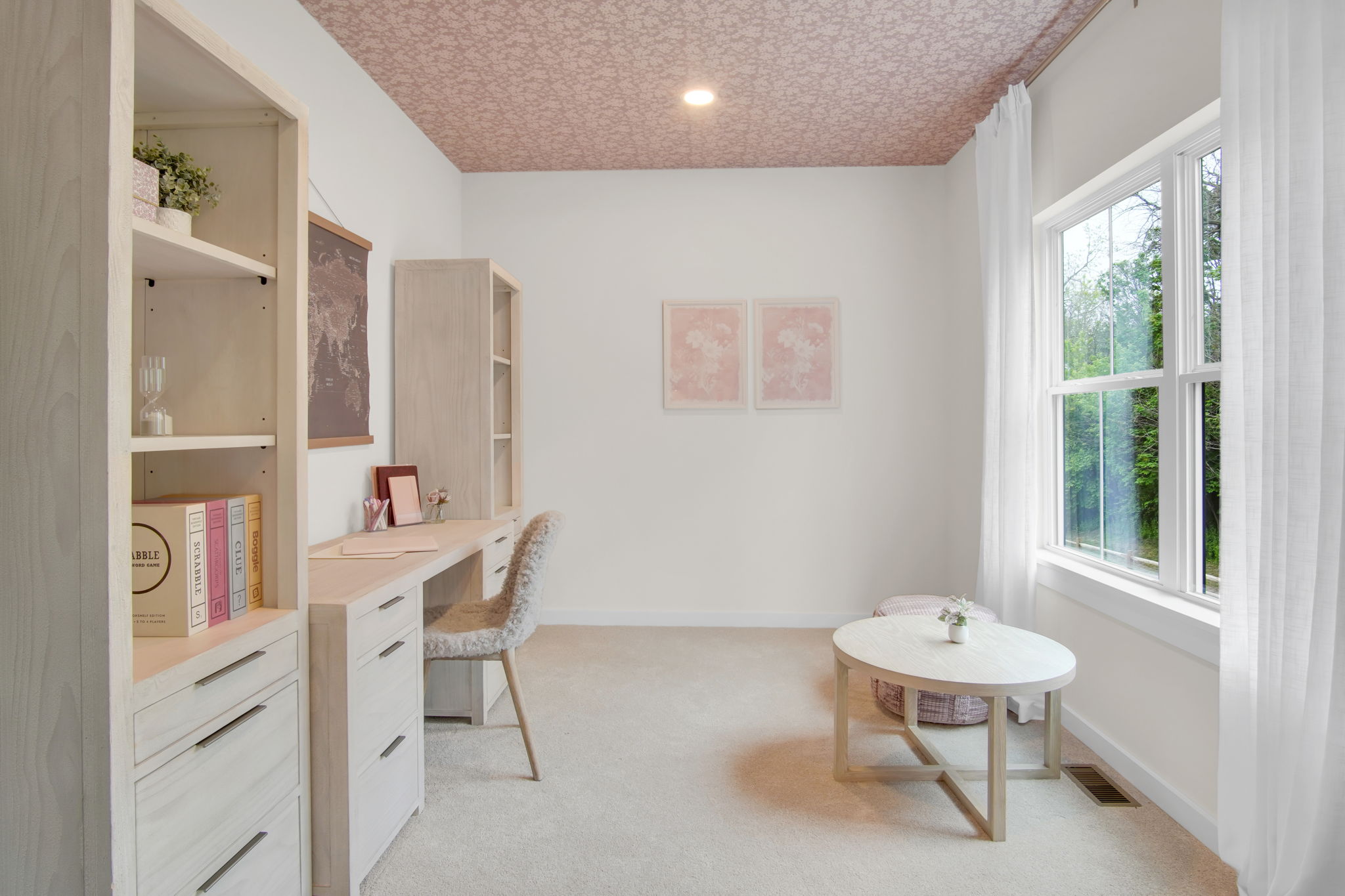
Some features hold demand better than others. They do not guarantee higher resale, but they tend to age well with buyer preferences.
Features that usually support resale demand
- First-floor primary suites
- Open floor plans with defined but connected living space
- Functional kitchens with good storage
- Flexible rooms for office, guest or hobby use
- Thoughtful mudroom or drop-zone space
- Energy-efficient construction and newer systems
- Outdoor living areas that feel usable, not ornamental
These are not trend-chasing features. They are practical. They make the home work better, which keeps the buyer pool broader when it is time to sell.
What Does Not Reliably Drive Appreciation
Not every dollar spent in a home comes back at resale.
Most upgrades do not return dollar for dollar
This is the honest part. Most design center upgrades improve your experience in the home far more than they improve resale value.
That does not mean upgrades are a bad idea. It means they should be chosen for daily livability first. Cabinet style, countertop material, tile selections and lighting upgrades can absolutely help a home show better. They can make it more desirable. But they rarely produce a clean one-to-one return.
So if you are making upgrade decisions, the better question is not “Will I get all this back?” The better question is “Will this improve the way I live in the home, and will it keep the home competitive later?”
So, Do New Homes Appreciate Faster?
Direct answer: sometimes, but not automatically.
New construction can support stronger long-term value because it starts with fewer disadvantages. You have a modern layout, newer systems, better efficiency, lower maintenance exposure and, in many cases, a position inside a growing community. Those things matter.
But appreciation depends more on location, market timing and broader economic conditions than on new versus resale status alone.
What new construction does well is reduce several of the risk factors that can drag on an older home's value:
- outdated floor plans
- aging roofs, HVAC systems and appliances
- higher maintenance costs
- weaker energy performance
- costly catch-up repairs before resale
That is a meaningful advantage. Not a promise, but a real advantage.
Looking at the Full Investment Picture
A home is never just a spreadsheet. But it is not wise to ignore the financial side either.
If you are comparing new construction to resale as a long-term investment, the right question is not simply which one appreciates faster. The better question is which home gives you stronger everyday livability, fewer surprise costs and better long-term marketability.
That is where a better-built, more efficient home can make a difference.
If you are weighing your next move in South Central PA, explore our new vs. used home insights, browse our available homes and communities or contact us to talk through what makes the most sense for your budget, timeline and long-term goals.
FAQs
Do new homes appreciate faster than resale homes?
Not always. New homes do not automatically appreciate faster than resale homes. Appreciation depends mostly on location, local demand, school district quality and economic conditions. New construction can support stronger long-term value through modern layouts, energy efficiency and lower maintenance risk.
Does new construction hold its value?
Yes, new construction can hold its value well, especially when it is in a strong location and designed around current buyer preferences. Features like updated floor plans, efficient systems and warranty coverage can help keep the home competitive when it is time to sell.
What are the biggest home appreciation factors?
The biggest home appreciation factors are location, local housing demand, school district strength, job and population growth and overall economic health in the area. These matter more than whether a home is new or resale.
Do upgrades increase a new home’s resale value?
Some upgrades can improve marketability, but most do not return dollar for dollar. Buyers should choose upgrades that improve daily livability and help the home stay attractive over time rather than expecting a full financial return on every selection.
Why can buying early in a new community help value?
Buying early can help because later phases of a community often sell at higher prices. If demand is strong, those later sales may lift comparable values for earlier buyers. It is not guaranteed, but it is a real advantage unique to developing communities.
Can resale homes appreciate more than new homes?
Yes. Resale homes can outperform new homes in established neighborhoods with mature landscaping, proven demand and strong long-term location appeal. A lower entry price can also create more room for percentage growth in some cases.
Is a new home a better long-term investment than an older home?
Sometimes. A new home often reduces maintenance risk, improves efficiency and offers a layout that fits current demand, which can support long-term value. But the better investment still depends on the property, the location and the timing of the purchase.


 0
0