


Nest Notes
Local Pennsylvania Home Builder Expertise: What Knowing South Central PA Looks Like in Practice

August 5, 2026
Any local builder can tell you they know the area. The real question is what that knowledge looks like when the lot is being evaluated, the foundation is being planned, permits are moving through a township office and weather starts affecting the schedule.
That is where the difference shows up.
As a local Pennsylvania home builder with more than 50 years of experience in South Central PA, we do not just know the map. We know how building conditions shift from Lancaster County to Perry County, how local municipalities handle permitting and inspections, and why long-term trade relationships matter when quality and timing are on the line. If you are weighing the benefits of a local builder, this is the practical side of that decision.
This article stays focused on Pennsylvania-specific building realities. If you want the broader case for local over national, read our related post on Understanding the Advantages of Choosing a Local Home Builder. This piece goes deeper into what regional experience actually changes during the building process.
Key Takeaways
- A local Pennsylvania home builder brings practical knowledge of soil, drainage, frost depth and weather patterns that affect how homes are built in South Central PA.
- Building conditions vary across Lebanon, Lancaster, Cumberland, York, Dauphin and Perry counties, and foundation planning should respond to those differences.
- Pennsylvania frost line requirements matter because footer depth and foundation details need to be built for local conditions, not generic assumptions.
- Radon is a real concern across much of this region, which makes testing and mitigation part of responsible building knowledge.
- Every township has its own permitting process, setback rules and inspection scheduling, and local relationships help create more predictable timelines.
- Longstanding trade and supplier relationships improve quality control, communication and accountability.
- Builders who have stayed in the same region for decades have a reputation to protect long after settlement, and that matters for service and warranty follow-through.
- The best way to gauge real local expertise is to ask detailed township, soil and site-specific questions.
What Pennsylvania building experience actually means
A local builder in Pennsylvania should know more than where a community sits on a map. Real regional experience shows up in site evaluation, engineering coordination, scheduling and problem-solving before problems become delays.
In South Central PA, building conditions are not identical from one county to the next. Soil composition changes. Drainage patterns change. Municipal requirements change. Weather changes the pace of work through winter freeze-thaw cycles, spring rain and summer humidity.
That is why local knowledge is not a talking point. It is part of how a better-built home gets planned and delivered with more confidence.
Pennsylvania soil conditions and foundation planning
Soil conditions vary across South Central PA
Building in Lebanon, Lancaster, Cumberland, York, Dauphin and Perry counties means working across a wide mix of site conditions. Some lots handle drainage well. Others need more attention to grading, runoff or soil bearing considerations. Rural and suburban sites can behave very differently, even when they are only a short drive apart.
That matters because foundations should respond to actual site conditions, not a one-size-fits-all assumption. A builder with real PA home builder experience knows that lot preparation, drainage planning and foundation details need to fit the land.
Foundation approach should adapt to the lot
The right foundation strategy starts with understanding the site. That includes the grade of the lot, how water moves across it and what conditions are likely below the surface. In practice, that affects decisions tied to excavation, footing design, drainage management and long-term durability.
For buyers, this part is easy to miss because most of it happens before the home starts to look like a home. But it is one of the clearest examples of why regional home builder Pennsylvania experience matters. What is under the house affects how the house performs for years.
Drainage is not a side issue
In Pennsylvania, drainage is part of good building science. Heavy rain, snowmelt and seasonal freeze-thaw cycles can expose weak planning quickly. A builder that has worked in this region for decades understands how important grading, water management and site-specific planning are to protecting the home over time.
That experience matters at the lot level, not just at the county level. Two nearby homes can still require different approaches depending on slope, surrounding land and water flow.
Frost line requirements in Pennsylvania
Frost depth affects footer specifications
In Pennsylvania, frost line depth is not a technical footnote. It is a basic part of foundation planning. Footings need to be placed below the local frost depth so seasonal freezing and thawing do not create movement that can affect the structure.
That is why footer specifications need to reflect Pennsylvania requirements and local code enforcement. A builder who works here regularly understands how these standards affect excavation depth, scheduling and inspections.
Cold-weather conditions influence sequencing
Winter building in Central PA is not impossible. It just requires experience and planning. Temperature swings, frozen ground and weather windows can all affect excavation, concrete work and jobsite sequencing.
A builder with long-term local experience knows how to work within those conditions and when to adjust. That does not mean forcing the schedule at all costs. It means understanding where the risks are and planning around them.
Seasonal building considerations in Central Pennsylvania
South Central PA weather changes the jobsite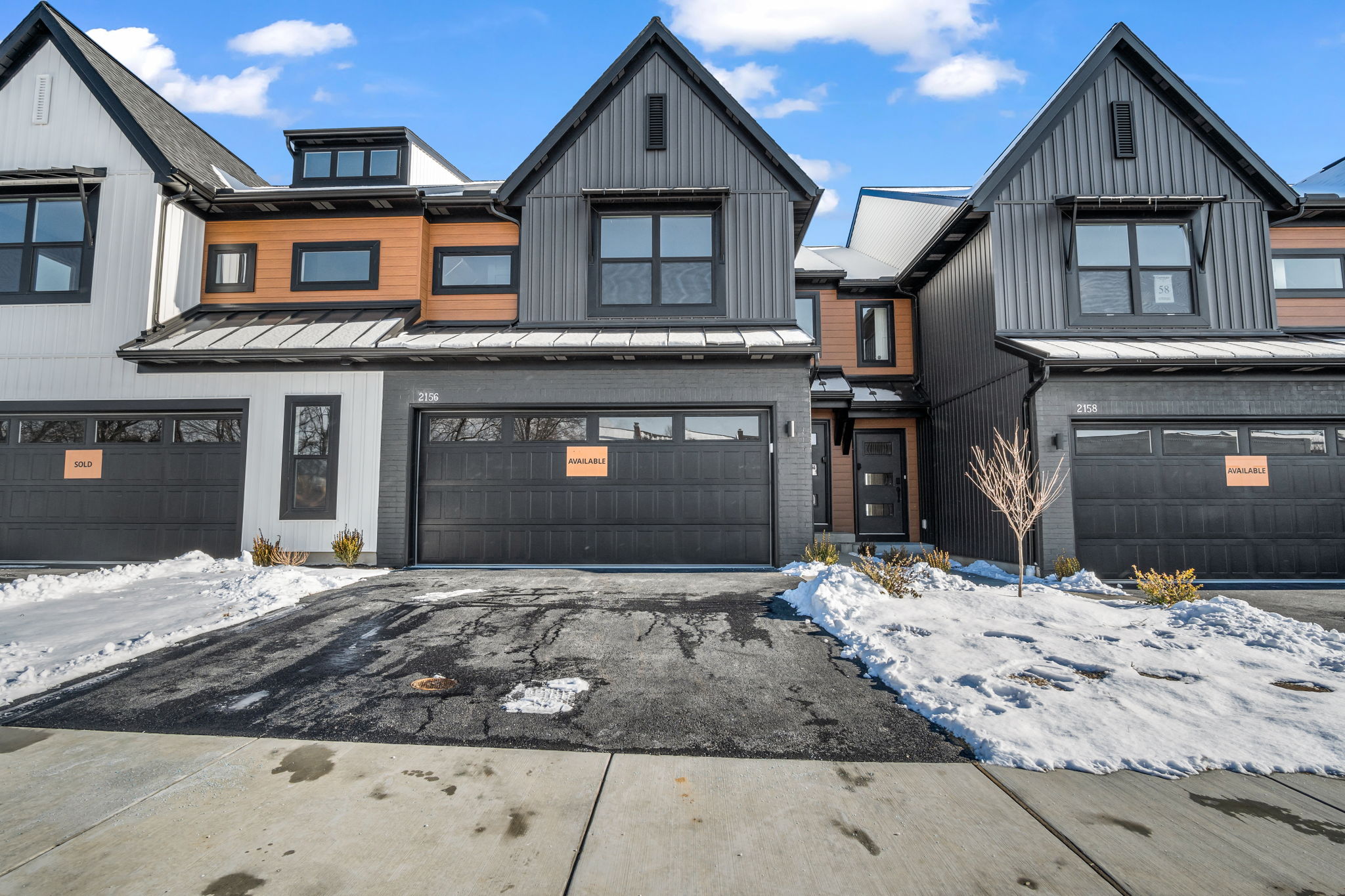
Central Pennsylvania gives builders a little bit of everything. Wet springs can slow site work. Summer heat and humidity affect labor conditions and material handling. Fall is often ideal for progress. Winter brings freeze-thaw patterns that need to be respected.
A builder new to the area may see weather as a general scheduling issue. A builder who has spent decades here sees it more precisely. We know which parts of the process are most exposed to seasonal disruption and where careful coordination helps protect quality and timing.
Timing matters beyond the obvious
Seasonal knowledge is not only about big storms or snow. It also affects smaller day-to-day calls that shape the job. Soil saturation, runoff, drying time and inspection timing can all be influenced by weather conditions.
This is one reason buyers should care about the benefits of a local builder in practical terms. Regional experience helps create better expectations, not just better marketing promises.
Radon is a real Pennsylvania building consideration
Radon matters across much of this region
Radon is a legitimate building and homeownership concern in many parts of Pennsylvania. It is not an edge-case issue, and experienced local builders know that. Testing and mitigation planning should be treated seriously, especially in a region where radon awareness is part of responsible construction conversations.
For buyers comparing a local builder vs national builder, this is a good example of the difference between broad market experience and regional familiarity. A builder that works here consistently should be able to speak clearly about radon considerations and how they are addressed.
Local knowledge leads to better buyer guidance
Most buyers are not expected to understand radon levels, mitigation methods or what questions to ask. That is our job. Technical details matter, but what buyers really need is confidence that the builder understands the issue and handles it responsibly.
That is how we think about building science at Garman. We translate what matters into comfort, durability and peace of mind.
Township and permitting relationships in six Pennsylvania counties
Every municipality has its own process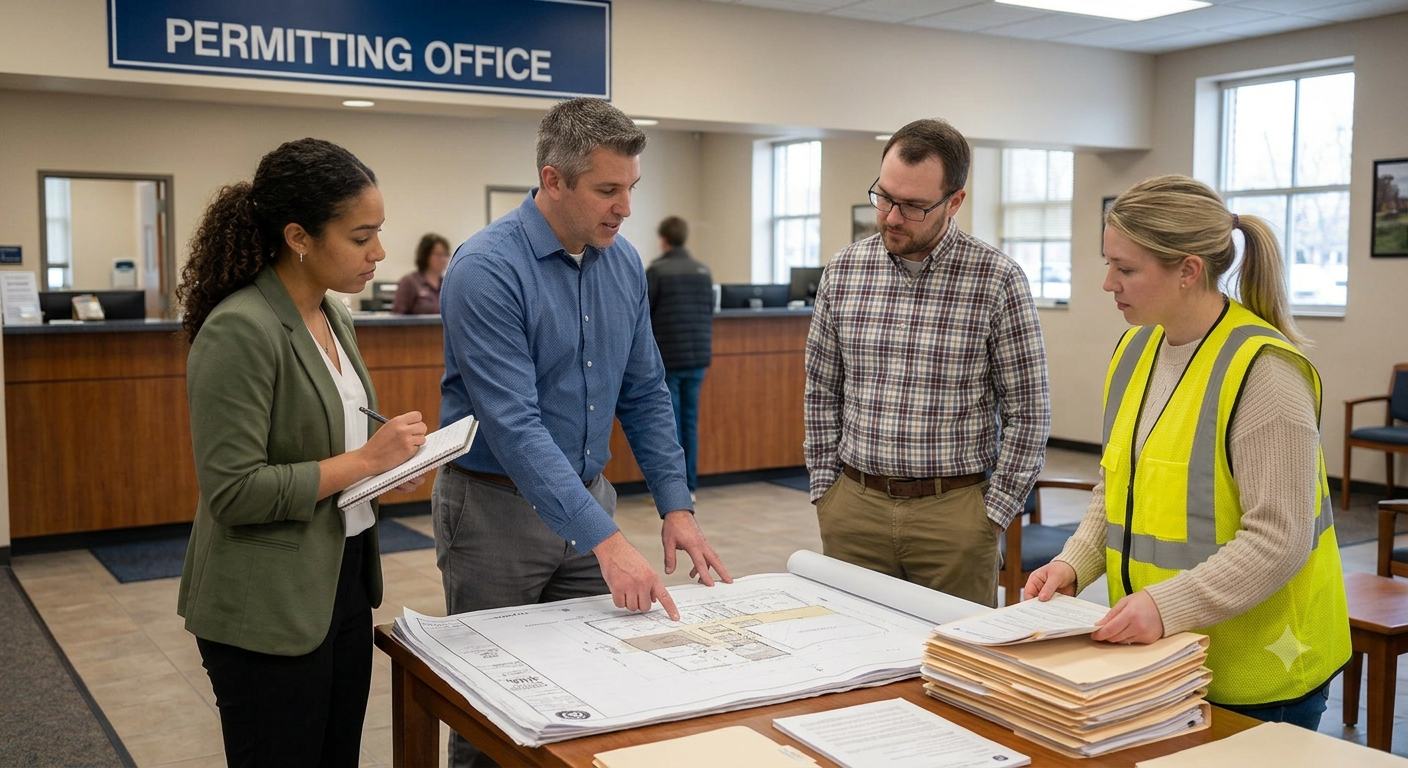
One of the biggest differences between general local branding and real regional expertise is permitting knowledge.
Across Lebanon, Lancaster, Cumberland, York, Dauphin and Perry counties, each municipality can have its own permitting process, zoning interpretation, inspection scheduling rhythm and setback requirements. Even experienced builders do not treat every township the same, because they are not the same.
Some offices move faster than others. Some require different forms or sequencing. Some lots raise straightforward questions. Others need more coordination around stormwater, grading or site constraints.
Relationships help create predictability
When we talk about decades of relationships with local building and zoning offices, we are not talking about shortcuts. We are talking about familiarity, communication and knowing how to move through the process the right way.
That matters because predictable timelines come from understanding how a specific township works before a file is submitted, not after a delay appears. It also matters during inspections. Knowing local expectations helps reduce friction and keeps progress moving.
Local knowledge helps buyers plan with more confidence
Permitting and inspections are not the flashy part of homebuilding, but they shape the buyer experience in a big way. Missed expectations in these stages can affect schedules, financing timelines and moving plans.
A builder who has built in a specific township repeatedly has a better feel for what is normal there. That translates into more realistic planning and more confidence from contract to closing.
Trade relationships built over 50-plus years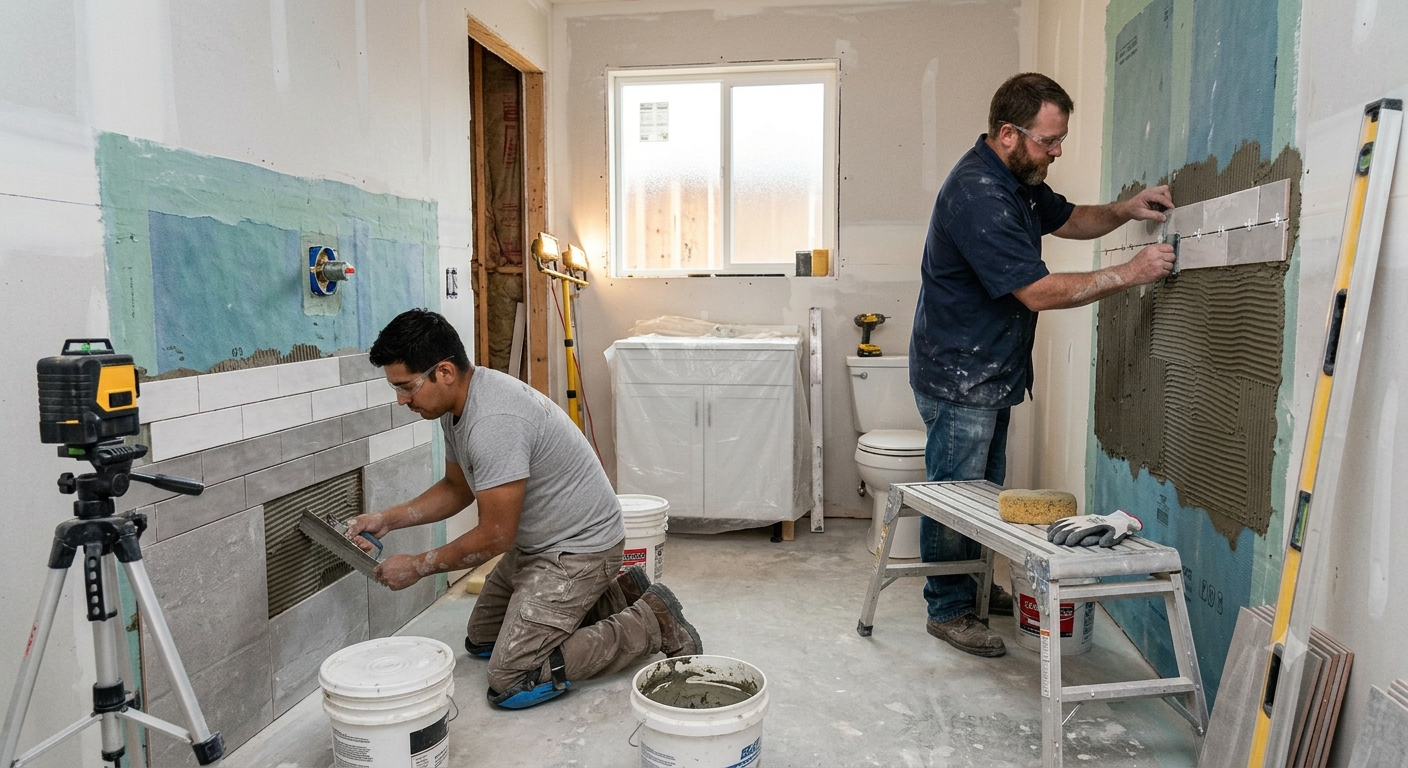
Reliable trade partners matter more than buyers realize
A home is only as strong as the people building it. Long-term relationships with subcontractors create consistency in craftsmanship, communication and accountability.
That matters in every market, but especially in one like South Central PA where builders rely on trusted local trade networks across multiple counties. When the same relationships have been built over decades, expectations are clear. Standards are understood. Problems get solved faster.
Supplier relationships support quality and schedule control
The same is true for local suppliers. A long-term regional builder works with partners who understand the volume, standards and communication needed to keep projects moving well.
For buyers, this part often shows up as fewer surprises and smoother execution. It is not about having the biggest network. It is about having dependable partners who know the builder, know the region and care about the result.
That is part of The Garman EDGE. Excellence is not only what you see in the finished home. It is also the strength of the relationships behind it.
Why long-term local accountability matters
Staying in the region changes the standard
A national builder can enter a market, grow fast and shift focus later. A builder that has spent more than 50 years in the same six-county region operates differently. We have a local reputation to protect long after settlement.
That changes the mindset. When your name stays tied to the communities, municipalities, trade partners and homeowners in the same region decade after decade, accountability is not optional.
For more on our roots in South Central PA, read More Than 50 Years of Building in South Central PA: The Story Behind Garman Builders.
Warranty service is easier when the builder is still here
Post-settlement service matters. So does access.
When a builder has remained active in the same area for decades, buyers know where to find the team. Warranty communication is more direct. Service coordination is more practical. Local relationships still work in the homeowner’s favor after closing.
That is one more reason the local builder vs national builder conversation should go beyond price or brand recognition. Long-term presence has real value.
Reputation compounds over time
Community reputation works slowly, then all at once. It builds through years of delivered homes, repeated township work, consistent trade standards and word-of-mouth from homeowners who stay in the region.
A builder new to an area may still do good work. But there is a difference between working in Pennsylvania and building here, across the same counties and communities, for decades.
What to ask a builder to test real local expertise
If you want to know whether a builder has genuine regional knowledge, ask questions that require specifics.
Here are a few that matter:
How long have you built in this specific township?
A real local builder should be able to answer directly and explain what experience in that municipality looks like.
What is your relationship with the local permitting and inspection process?
You want to hear familiarity with how that township handles submissions, reviews and scheduling.
Can you speak to the soil, grading or drainage conditions on this specific lot?
This question quickly reveals whether the builder is thinking about the site itself or speaking in generalities.
What Pennsylvania weather factors affect your schedule and construction planning?
An experienced regional builder should be able to explain this without sounding vague.
How do you handle radon considerations in this area?
A builder working in South Central PA should treat this as a real and normal part of the conversation.
Who are your local trade partners and how long have you worked with them?
Longstanding relationships often signal stronger accountability and consistency.
If you are still narrowing your search, our guide on What to Know Before Choosing a New Home Community in South Central PA can help you evaluate the bigger picture around location, planning and fit.
The difference buyers can feel
The difference between a builder who works in Pennsylvania and one who has built here for 50 years is not abstract. It shows up in site planning, foundation decisions, scheduling realism, permitting confidence, inspection coordination and post-closing accountability.
That is what regional expertise looks like in practice.
At Garman Builders, we have spent more than five decades building homes, communities and connections across South Central Pennsylvania. We know this region because we have stayed committed to it, county by county, township by township, homeowner by homeowner. If you want a homebuilder who understands how Pennsylvania conditions shape the building process, contact us or explore our communities and resources to take the next step with more confidence.
Frequently Asked Questions
What are the benefits of a local builder in Pennsylvania?
The benefits of a local builder in Pennsylvania include better knowledge of regional soil conditions, frost depth, weather patterns, radon considerations, township permitting processes and local inspection requirements. A builder with long-term experience in South Central PA can also offer stronger local accountability after closing.
Why does soil knowledge matter when choosing a local Pennsylvania home builder?
Soil knowledge matters because foundation planning, drainage strategy and site preparation should respond to actual lot conditions. Soil and grading conditions vary across Lebanon, Lancaster, Cumberland, York, Dauphin and Perry counties, and experienced local builders know how those differences affect construction.
How does township permitting experience affect the homebuilding timeline?
Township permitting experience helps create more predictable timelines because every municipality has its own process, setback rules and inspection scheduling. Builders who have worked in a specific township repeatedly usually understand local expectations better and can navigate the process more efficiently.
Is radon a common concern in South Central Pennsylvania?
Yes. Radon is a real consideration across much of Pennsylvania, including South Central PA. Buyers should work with a builder that understands local radon concerns and can explain how testing and mitigation are addressed during the building process.
What should I ask a builder to confirm local experience?
Ask how long they have built in the specific township, what they know about the lot’s soil and drainage conditions, how they work with the local permitting office and how they handle regional issues like weather and radon. Specific answers usually reveal whether the builder has real local expertise.
Why do local trade relationships matter in homebuilding?
Long-term trade relationships improve consistency, communication and accountability. Builders who have worked with the same local subcontractors and suppliers for years often have better schedule coordination and clearer quality expectations.
What is the difference between a builder working in Pennsylvania and one with 50 years of regional experience?
A builder working in Pennsylvania may understand the basics of the market. A builder with 50 years of regional experience brings deeper knowledge of local municipalities, recurring site conditions, permitting expectations, trusted trade networks and long-term service accountability across the same counties they have served for decades.


 0
0