


Nest Notes
How to Prioritize Wants and Needs When Buying a Home
November 4, 2026
How to Prioritize Wants and Needs When Buying a Home
Every buyer has a wish list. The trick is knowing what you must have, what would be nice and what you can let go. Here is a simple way to sort it.
Most buyers start their home search with a mental list that grows longer the more homes they tour. A finished basement here, a bigger kitchen island there, maybe a home office if the layout allows it. By the third or fourth showing, that list can feel less like a plan and more like a moving target.
We work with buyers across South Central Pennsylvania every week who are trying to balance what they want with what they can actually afford and find. The buyers who move through the process with the least stress are almost always the ones who sorted their wish list before they started touring homes or sitting down in the design studio. This guide walks through how to do that, using a method we use with our own buyers at Garman.
Key Takeaways
- Sort your wish list into three categories: must-haves, nice-to-haves and deal-breakers, before you start touring homes.
- Must-haves usually involve things that are hard or impossible to change later, like location, bedroom count and commute.
- Nice-to-haves tend to be upgrades and finishes you can add or change down the road.
- Set a comfortable monthly payment before you rank a single feature. Budget comes first, wish list second.
- According to NAHB research reported by the National Association of REALTORS, buyers willing to buy a smaller home to stay within budget would most likely give up space in the home office and the dining room first.
- Prioritize what's permanent: location, layout and homesite. Stay flexible on finishes, which are easier to update over time.
- A simple test for any trade-off: how often would you use it, and could you add it later?
- Bring your three lists with you on home tours and to your design appointment. They'll do more work than you expect.
Make Three Lists: Must-Haves, Nice-to-Haves and Deal-Breakers
Before you tour a single home, take 20 minutes and write down three lists.
Must-haves are the things that, if missing, take a home off your list entirely. These are non-negotiable.
Nice-to-haves are features you'd love to have but could live without. If a home checks every must-have box but skips a nice-to-have, it still stays in the running.
Deal-breakers are the opposite of must-haves. These are things that disqualify a home no matter how good everything else looks. A busy road out front. No first-floor bedroom option when you need one. A commute that adds 40 minutes to your day.
Writing these down matters more than it sounds like it should. When you're standing in a beautiful kitchen, it's easy to talk yourself out of a deal-breaker you promised yourself you'd hold the line on. A written list keeps you honest.
What Usually Belongs in Must-Haves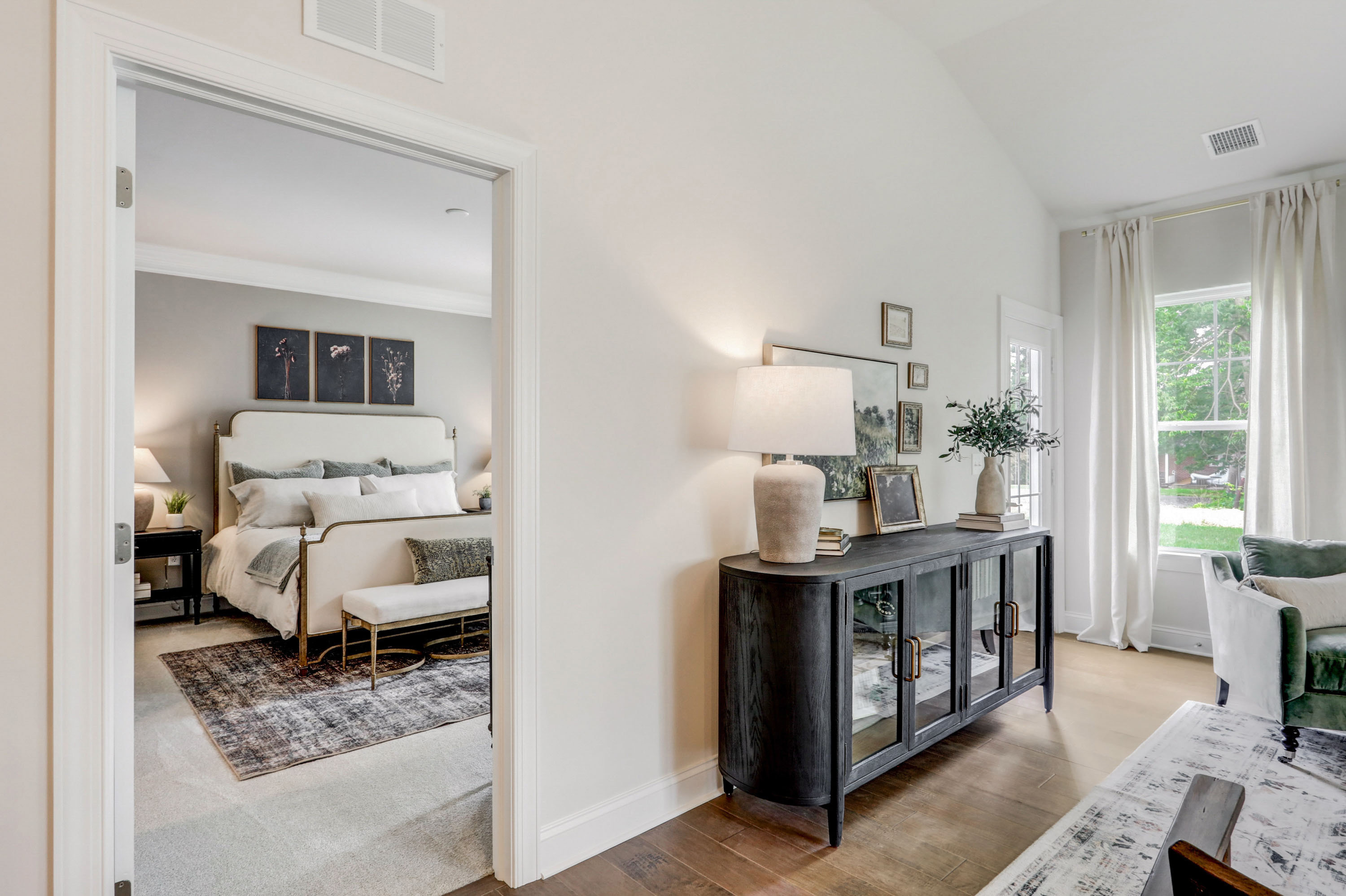
For most buyers we work with, must-haves cluster around a handful of categories:
- Location. Proximity to work, family or the school district you've already picked matters more than almost anything else on the list.
- Bedroom count. This is usually driven by family size, not preference, which makes it hard to flex on.
- First-floor needs. A first-floor primary suite, a first-floor bedroom for aging parents, or a main-level office for remote work. These layout decisions are difficult to change after the home is built.
- Commute. How far you're willing to drive, and how often, shapes which communities make sense before you even look at floor plans.
- School priorities. If school district is driving your search, it narrows your map before anything else does.
These items share one thing in common: they're either impossible or extremely expensive to change after you move in. That's exactly why they belong at the top of the list.
What Usually Belongs in Nice-to-Haves
Nice-to-haves tend to be the things buyers get excited about during a Design Studio appointment, but could genuinely live without if the budget got tight:
- Upgraded finishes, like a different countertop or cabinet color.
- An extra room, such as a flex space or bonus loft.
- A bigger yard.
None of these are small things. They matter to how a home feels day to day. But they're also the items most buyers can add, upgrade or adjust later without tearing anything apart. That flexibility is what separates them from a must-have.
Set Your Payment First
Before you rank a single feature, decide what a comfortable monthly payment actually looks like for your household. Not the maximum a lender says you qualify for. The number you'd actually be comfortable paying every month, alongside everything else in your life.
This step has to come before the wish list, not after. A buyer who sets their budget first makes clearer decisions about what's worth stretching for and what isn't. A buyer who falls in love with a wish list first often ends up trying to justify a payment that doesn't fit.
Use our Buying Power Calculator to get a real number before you start ranking anything. It takes a few minutes and gives you something concrete to measure every decision against.
Where Buyers Tend to Compromise
If you do need to adjust your budget by choosing a smaller home, you're not alone, and you're not the first to face that trade-off.
According to NAHB research reported by the National Association of REALTORS, buyers willing to buy a smaller home to stay within their budget would most likely give up space in the home office and the dining room first (NAR, 13 Features New-Home Buyers Say Are Essential, Desirable).
That finding tracks with what we see in our own Design Studio conversations. A formal dining room gets used a handful of times a year for most families. A home office can often be absorbed into a loft, a flex room or even a corner of a bedroom. Buyers give these up first because the rooms they're keeping, the kitchen, the primary suite, the family gathering space, are the ones that carry their everyday life.
Prioritize What's Hard to Change Later
Here's the simplest filter we give buyers: rank by permanence.
Location, layout and homesite sit at the top because they're essentially fixed once you close. You can't move your lot closer to the cul-de-sac. You can't add a first-floor bedroom to a two-story plan after the foundation is poured. These decisions deserve the most scrutiny and the least compromise.
Finishes sit lower on the list because they're the most changeable part of any home. Countertops, cabinet hardware, paint colors, light fixtures: all of these can be updated years down the road without touching the bones of the house. Stay flexible here. It's where the room to compromise actually lives.
How to Decide on a Trade-Off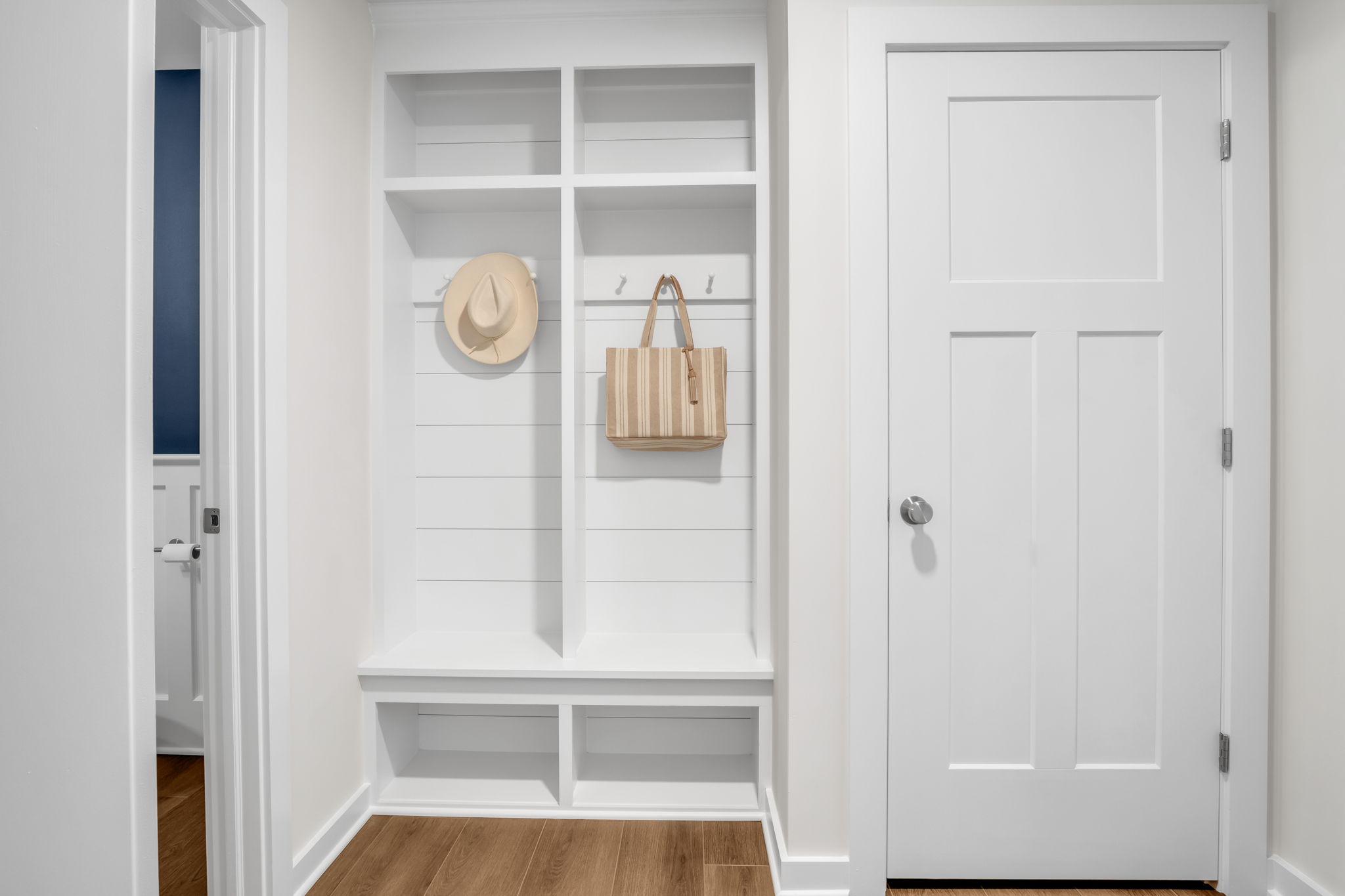
When you're stuck deciding whether something belongs in must-have or nice-to-have, two questions usually settle it:
How often would you actually use it?
And could you add it later if you decided you really wanted it?
A mudroom you'll use every single day answers differently than a wine cellar you'll use twice a year. A finished basement you could add in five years answers differently than a lot with mountain views you'll never get back. Running every item on your list through these two questions turns a vague feeling into a clear decision.
Bring Your Lists With You
Once your three lists are written, don't leave them in a notebook at home. Bring them to every home tour and to your design appointment.
Having the list in hand keeps conversations grounded. It gives your builder and your design consultant something concrete to work from, instead of a wish list that changes depending on which house you toured last. It also protects you from your own excitement in the moment, which is often when good plans get derailed.
Our Design Studio team works from exactly this kind of list every day, helping buyers separate what's structural from what's selectable, and what's worth the investment from what can wait.
A Clear List Turns a Stressful Decision Into a Simple One
Buying a home involves more decisions than most people expect, and most of the stress comes from making those decisions one at a time, in the moment, without a plan. Three short lists, written before you start touring, change that. They give you a filter for every home you walk through and every choice you make in the design studio.
If you're ready to put your lists to the test, start with your number. Use our Buying Power Calculator to set a comfortable monthly payment, then reach out to our team. We'll help you walk through your must-haves, your nice-to-haves and the communities across South Central Pennsylvania where they actually fit.
FAQ
What should be on a new home wish list must-have section?
Must-haves usually include location, bedroom count, first-floor layout needs, commute distance and school district priorities. These are features that are difficult or impossible to change after you move in.
What do home buyers typically compromise on first?
According to NAHB research reported by the National Association of REALTORS, buyers choosing a smaller home to stay within budget would most likely give up space in the home office and the dining room first.
Should I set my budget before or after making my wish list?
Set your budget first. Knowing your comfortable monthly payment before ranking features keeps your decisions grounded and prevents you from stretching for items that don't fit your plan.
How do I know if something is a nice-to-have or a must-have?
Ask how often you'd use it and whether you could add it later. If the answer is rarely and yes, it likely belongs in nice-to-have. If the answer is often and no, it belongs in must-have.
Why does location rank so high on most buyers' must-have lists?
Location is one of the few things you cannot change after closing. Commute, school district and proximity to work or family tend to shape daily life more than any single feature inside the home.

 0