


Nest Notes
Fall Home Maintenance Checklist for Central PA: Get Ahead of Winter Now

September 22, 2026
Fall Home Maintenance Checklist for Central PA: Get Ahead of Winter Now
Fall in Central PA means one thing for your home: get ahead of winter now, or deal with it the hard way in January. The leaves that look so good on a drive through Lancaster or Lebanon County right now are the same leaves that will clog your gutters in three weeks if nobody's paying attention. The first hard freeze usually rolls through South Central Pennsylvania in late October or early November, and it does not send a warning text.
This fall home maintenance checklist for PA homeowners covers the exterior, the systems, the plumbing, the landscaping, and the safety items that matter most before the cold sets in. We'll also walk through how a lot of this changes if you're in a newer home, because it does, and it's worth knowing why before you spend a Saturday on tasks a new construction home may not even need yet.
Key Takeaways
- Clear gutters and downspouts before peak leaf drop, not after, or you'll be doing it twice.
- Schedule HVAC service before the first cold snap. Appointments fill up fast once the temperature drops.
- Shut off and drain exterior spigots before the first freeze to avoid a burst pipe you won't see coming.
- Check grading and drainage around your foundation before Central PA's heavy fall rains arrive.
- Test smoke and carbon monoxide detectors now, not after the clocks change and you forget.
- Seal drafts around windows and doors this month. It's the cheapest fix on this entire list and it directly affects your winter heating bill.
- Newer homes with updated insulation, systems, and weatherproofing need less of this list than an older home does, though a few items still apply to everyone.
The Exterior Checklist
Start outside while the weather still cooperates.
Gutters and downspouts. Clear them before leaf drop peaks in Central PA, usually mid to late October depending on where you are in the region. Waterlogged leaves in a clogged gutter add weight, invite ice dams once temperatures drop, and can send water where it doesn't belong, including toward your foundation.
Roof and flashing. You don't need to climb up there. A visual check from the ground, or with binoculars, tells you a lot. Look for missing or curling shingles and flashing that's pulled away around chimneys or vents.
Caulking and weatherstripping. Walk the perimeter of your home and check the caulk around windows, doors, and any exterior penetrations. Cracked or missing caulk is an open invitation for cold air and moisture.
Exterior wood and trim. Look for peeling paint, soft spots, or gaps where wood trim meets siding. Wood that's already showing wear will only get worse once winter moisture sets in.
HVAC and Systems: Don't Wait for the Cold Snap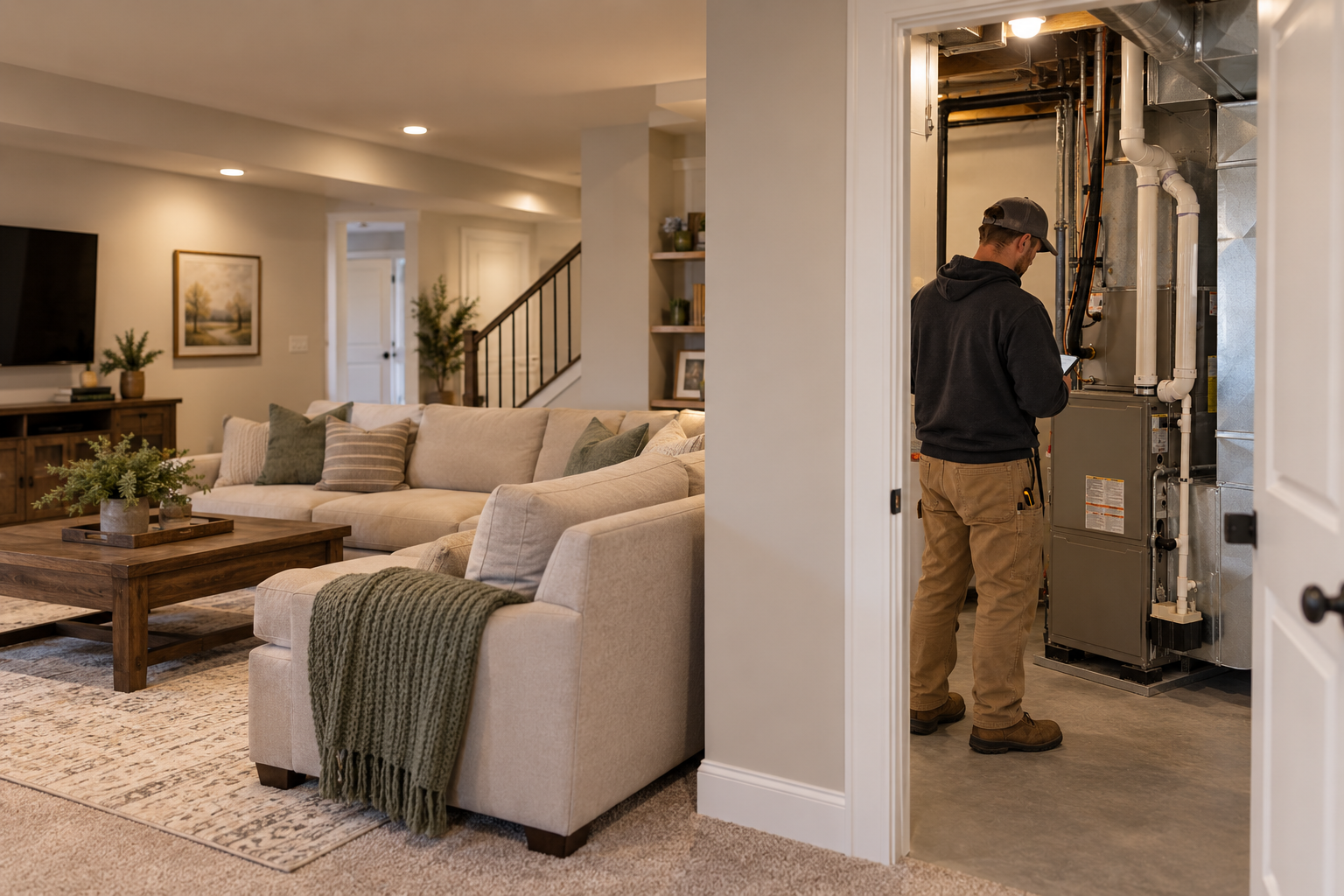
Your furnace or heat pump has been idle all summer. Get it serviced before you actually need it, not during the first real cold snap when every HVAC company in Lancaster and Lebanon counties is booked solid.
An HVAC fall service checklist should include a filter replacement, a check of the system's efficiency, and a look at ductwork for obvious leaks. While a technician is there, replace the filter yourself on a monthly basis through the heating season if your system calls for it.
This is also the month to check your programmable thermostat and make sure the seasonal schedule actually reflects how your household runs in the fall and winter. A thermostat set for August habits doesn't do you much good in December.
Plumbing: The Freeze Is the Enemy
Exterior spigots and hose bibs need attention before the first freeze. Disconnect hoses, drain the lines, and shut off the interior valve if your home has one. Water left sitting in an exterior line freezes, expands, and cracks pipes, and you won't know it happened until spring when you turn the water back on.
Take a look at any exposed pipes in unheated spaces too, including a garage, crawl space, or unfinished basement corner. A little pipe insulation now costs a few dollars. A burst pipe in January costs a lot more than that.
Landscaping and Drainage Before the Rain Comes
Central PA's climate gives you a real window here, and it's worth using it well.
Time your final mow for when grass growth actually slows, typically once nighttime temperatures consistently sit in the 40s. Aeration in early to mid fall gives grass time to recover before winter dormancy, which matters more here than people think.
Check the grading around your foundation before the heavier fall rains arrive. Water should move away from the house, not toward it. If you're seeing pooling near the foundation after a rainstorm, that's worth fixing now rather than watching it turn into a bigger problem once the ground freezes.
If you have an irrigation system, winterize it before the first hard freeze. Water left in the lines will freeze and can crack the piping.
Safety Checklist: Quick, but Not Optional
Test every smoke detector and carbon monoxide detector in the house and replace batteries even if they're not chirping yet. If you have a fireplace or wood stove, get the chimney inspected before you use it for the first time this season. Creosote buildup is a real fire risk, and an inspection is a small cost against that risk.
Locate your fire extinguisher and check the gauge. If it's expired or you're not sure where it is, that's a problem worth solving this week, not this winter.
Windows and Doors: The Cheapest Fix on This List
Run your hand around window and door frames on a windy day. If you feel air moving, you've found a draft, and drafts are the easiest and cheapest item on this entire checklist to fix. A tube of caulk or a roll of weatherstripping costs a few dollars. A winter of heat leaking out through gaps costs a lot more on your energy bill.
Why New Construction Changes This List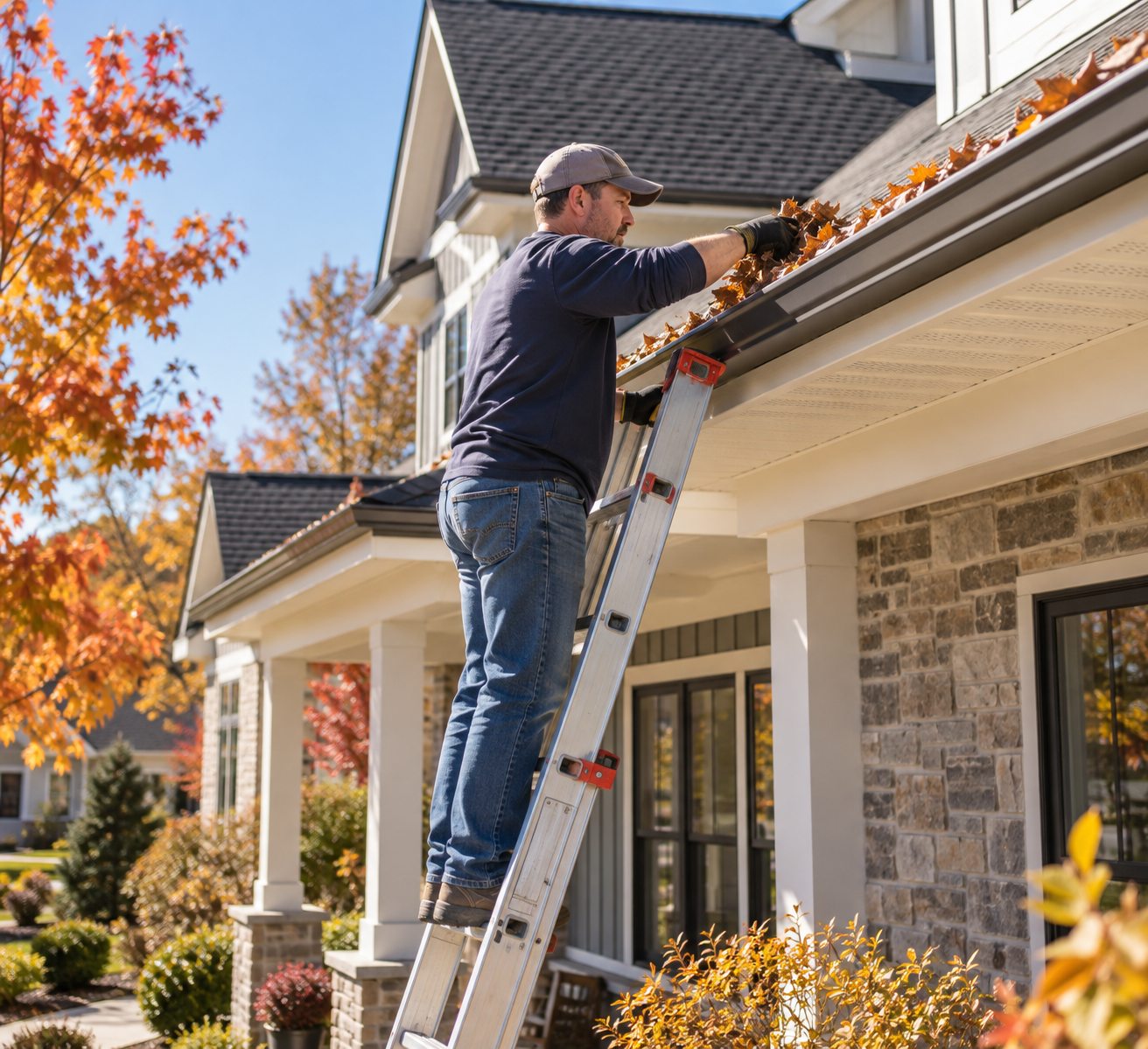
Here's the part that matters if you're in a Garman home or considering one. A lot of what makes fall maintenance urgent, and expensive, in an older home is simply not a concern yet in a newer one.
Updated insulation and continuous wall systems mean fewer drafts to chase down. Newer roofing, flashing, and exterior materials mean less wear to inspect for. A newer HVAC system under warranty still needs seasonal service, but it's not the aging unit you're hoping makes it through one more winter. Newer plumbing means fewer surprises in unheated spaces.
That doesn't mean a new home needs zero fall attention. Gutters still fill with leaves no matter how old the house is, and grading and drainage matter regardless of the home's age. But the list gets shorter, and the stakes on what remains get lower. We go into more detail on this in What Makes a New Home Easier to Maintain Over Time?, and if you want to know exactly what's protected and for how long, What's Actually Covered by a New Home Warranty in Pennsylvania? A Year-by-Year Guide breaks it down year by year.
A Simple Month-by-Month Approach
You don't have to do all of this in one weekend, and honestly, you shouldn't try.
Early fall, right now: Clear gutters, schedule HVAC service, check exterior caulking, aerate the lawn, and test smoke and carbon monoxide detectors. These are the tasks that benefit from being done before leaf drop peaks and before service appointments fill up.
Closer to the first freeze: Disconnect hoses and shut off exterior spigots, winterize irrigation lines, check exposed pipes in unheated spaces, and do a final gutter check once the last leaves have dropped. Watch the forecast for the first hard freeze warning in your part of South Central PA and treat that as your deadline.
For more seasonal detail on protecting your home once temperatures actually drop, our Smart Winterizing Tips to Protect Your Home Inside and Out covers what comes next after this checklist is done.
Fall Maintenance Is Cheap Insurance
None of this is exciting work. Nobody looks forward to a Saturday spent checking caulk and clearing gutters. But every item on this list is cheaper to handle now than to fix in January, when the ground is frozen, the pipes are already cracked, or the furnace has already quit on the coldest night of the year.
If you're building or buying new in Lancaster, Lebanon, Cumberland, York, Dauphin, or Perry County, a lot of this list gets easier by default. Explore Garman's communities to see how a better-built home changes the maintenance picture, or reach out to our team with questions about what a Garman home means for your fall and winter to-do list.
Frequently Asked Questions
When should I clean my gutters in the fall in Central PA?
Clean gutters before peak leaf drop, typically mid to late October in most of South Central Pennsylvania, and check them again once the last leaves have fallen.
When does the first freeze usually happen in Central PA?
The first hard freeze typically arrives in late October or early November across Lancaster, Lebanon, Cumberland, York, Dauphin, and Perry counties, though it varies by year and elevation.
Do new construction homes need less fall maintenance?
Yes. Newer homes with updated insulation, roofing, HVAC systems, and plumbing typically need less fall maintenance than older homes, since many of the issues that make fall prep urgent in an aging home haven't developed yet in a new one.
How often should I service my HVAC system before winter?
Schedule HVAC service once a year before the heating season starts, ideally in early fall before appointments fill up with emergency calls once temperatures drop.
What's the cheapest fall maintenance task with the biggest payoff?
Sealing drafts around windows and doors. It costs very little and directly reduces winter heating costs.


 0
0