


Nest Notes
What Is Title Insurance? A Plain-Language Guide for New Home Buyers
November 6, 2026
What Is Title Insurance? A Plain-Language Guide for New Home Buyers
Title insurance protects against problems with ownership of your home that trace back to before you bought it. Here's how it works and which policy you actually need.
If you're buying a new construction home, this might be the first time you've seen "title insurance" as a line item and wondered why it applies to you. After all, nobody lived in the house before you. But the land did exist before you bought it, and so did every contractor, supplier, and subcontractor who worked on your home. That history is exactly what title insurance is built to protect against.
Here's what you need to know before you get to the closing table.
Key Takeaways
- Title insurance protects against ownership problems with your home that happened before you bought it, not problems that happen after.
- Lender's title insurance is usually required to get a mortgage, but it only protects your lender's financial interest, not yours.
- Owner's title insurance is optional, and it's the policy that protects your own investment in the home.
- A common risk title insurance covers: contractors or suppliers who say they were never paid for work done before you purchased the home.
- New construction homes aren't exempt. The land has an ownership history, and the build involved many contractors and suppliers who could file a claim if they went unpaid.
- You can usually shop for your title insurance provider separately from your mortgage, and it's worth doing.
- Buying your lender's policy and owner's policy from the same provider is typically cheaper than buying them separately.
- You'll see title insurance costs on both your Loan Estimate and your Closing Disclosure, though the itemized breakdown at closing can look a little different.
Lender's Title Insurance: Required, But It Only Protects the Lender
If you're financing your home, you'll almost certainly be required to carry lender's title insurance. It's a standard part of getting a mortgage, and most lenders won't close a loan without it.
Here's the part that surprises a lot of buyers: lender's title insurance protects the lender's financial interest in your home, not yours. According to the Consumer Financial Protection Bureau, if someone later sues and claims a right to your property, the lender's policy only covers claims that affect the lender's loan. It does nothing to protect the equity you've put into the home.
So yes, you'll have title insurance the moment you close. But on its own, it isn't protecting you.
Owner's Title Insurance: Optional Coverage That Protects You
Owner's title insurance is a separate policy, and it's the one that actually protects your investment. The CFPB describes it as coverage that can help protect you financially if someone sues and claims they have a right to the home from before you purchased it.
Nobody requires you to buy it. That's exactly why so many buyers skip it, usually without fully understanding what they're giving up. If you're asking "do I need owner's title insurance," the honest answer depends on how much risk you're comfortable carrying on what is likely the largest purchase you'll ever make. Since the lender's policy won't cover your equity, owner's title insurance is the only thing standing between you and the full cost of defending a title claim out of pocket.
What Does Title Insurance Actually Protect Against?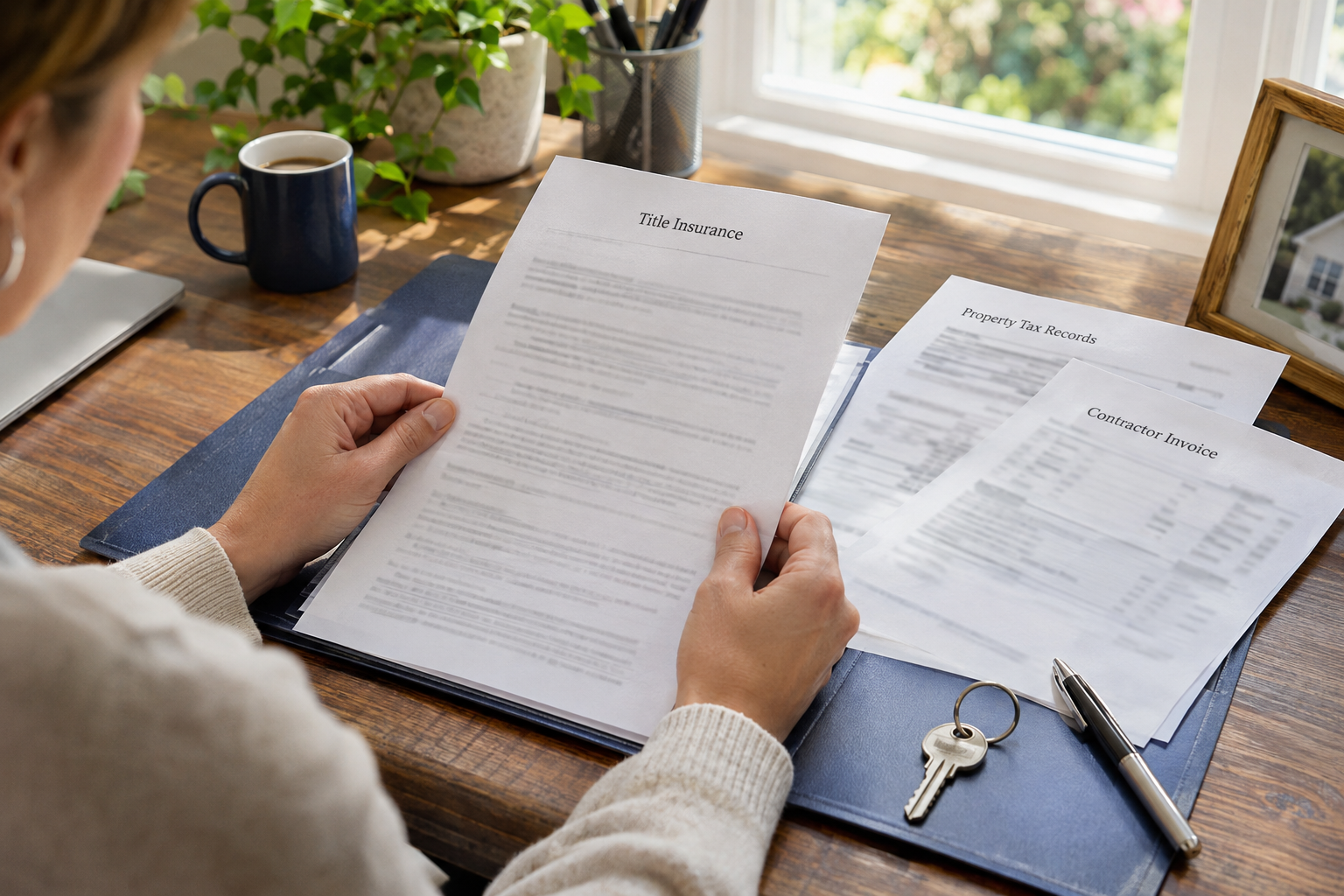
Title insurance isn't protecting you from something going wrong tomorrow. It's protecting you from something that already happened, before closing, that nobody caught during the title search.
The CFPB points to two examples worth understanding:
- A previous owner's unpaid taxes on the property
- Contractors who say they were never paid for work done on the home before you purchased it
Both scenarios can result in a legal claim, sometimes called a lien, against your home, even though the issue had nothing to do with you. Without owner's title insurance, you'd be the one responsible for resolving it.
Why Title Insurance Matters on New Construction
It's a fair question: if the home has never had another owner, why would title insurance matter?
The land does have a history, even when the home doesn't. And a new build involves far more parties than a resale transaction ever does: the land seller, the builder, the general contractors, the subcontractors, and the suppliers who provided everything from lumber to fixtures. If any one of them wasn't paid in full before you closed, they can have the legal right to file a claim against the property, known as a mechanic's lien, even after you've moved in.
This is exactly the unpaid-contractor scenario the CFPB describes, and it's one of the more relevant risks for a new home buyer specifically. A clean title search should catch outstanding liens before closing, but title insurance is what protects you if something gets missed.
Title Insurance Cost and How to Shop for It
Title insurance isn't bundled into your mortgage the way some other closing costs are. According to the CFPB, you can usually shop for your title insurance provider separately from your lender, and doing so could save you money.
One detail worth knowing before you shop: if you decide to buy both the lender's policy and the owner's policy, the total cost is usually lower when you buy both from the same provider, compared to purchasing them separately. That's worth factoring into your decision as you compare quotes.
We won't point you toward a specific title company. But we will tell you that it's worth making a phone call or two before you assume the number on your paperwork is your only option.
Where You'll See It: Loan Estimate and Closing Disclosure
Title insurance costs show up on two documents you'll receive during the homebuying process: your Loan Estimate, early on, and your Closing Disclosure, shortly before you close. Depending on your state, the settlement agent, attorney, lender, real estate agent, or title company may also give you a separate itemized list of fees at closing, and that list can look different from what you saw earlier. The CFPB notes this doesn't necessarily mean you're being charged incorrectly. It's worth reviewing line by line, and asking questions if anything looks unfamiliar.
Deciding If Owner's Title Insurance Is Right for You
The owner's policy is optional, and that's precisely why it deserves a real look instead of a quick skip. Lender's title insurance protects the bank. Owner's title insurance protects you, your equity, and the home you're about to spend years building a life in. Once you understand what each policy actually covers, the decision becomes a lot less confusing and a lot more personal.
At Garman Builders, we walk buyers through every step from contract to closing, including the parts that don't get much attention until they matter. If you have questions about what to expect during your closing, our team is happy to talk through it with you. Reach out through our contact page or learn more about financing your new home on our financing resources page.
Frequently Asked Questions
What is title insurance?
Title insurance protects against financial loss if someone later claims a legal right to your home based on something that happened before you purchased it, such as unpaid taxes or unpaid contractors. There are two types: lender's title insurance and owner's title insurance.
Do I need owner's title insurance?
It isn't required, but it's the only policy that protects your own equity in the home. Lender's title insurance covers the bank's loan, not your investment, so owner's title insurance is worth considering if you want to protect what you've put into the purchase.
What's the difference between lender's and owner's title insurance?
Lender's title insurance is usually required for a mortgage and protects the lender's financial interest. Owner's title insurance is optional and protects the buyer's equity and financial investment in the home, according to the CFPB.
Why does title insurance matter for a brand-new home?
Even a newly built home sits on land with its own ownership history, and the construction process involves many contractors and suppliers. If one of them wasn't paid before closing, they could file a claim against the property, which is the exact scenario title insurance is designed to address.
Can I shop around for title insurance?
Yes. You can typically choose your title insurance provider separately from your mortgage lender. The CFPB notes that shopping around could save you money, and buying both the lender's and owner's policies from the same provider is usually less expensive than buying them separately.
Where will I see title insurance costs during the homebuying process?
Title insurance appears on your Loan Estimate early in the process and again on your Closing Disclosure before closing. You may also receive a separate itemized list of closing fees that looks slightly different, which doesn't necessarily mean an error was made.

 0