


Nest Notes
Townhome vs Condo: The Real Difference Comes Down to Ownership, Not Style
November 6, 2026
Townhome vs Condo: The Real Difference Comes Down to Ownership, Not Style
If you've been touring new construction and comparing a townhome community to a condo building, you've probably noticed something confusing: they can look almost identical. Same shared walls. Same tidy exteriors. Same low-maintenance promise in the listing description. So what actually separates them?
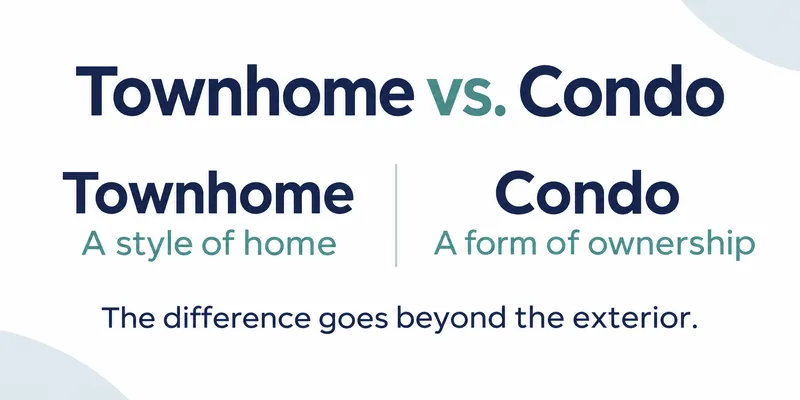
Here's the direct answer. A townhome is a style of home. A condo is a form of ownership. That's why two homes that look alike can come with very different ownership terms, different maintenance responsibilities, and different rules for how you insure and finance them. Understanding the difference between townhome and condo ownership before you sign anything saves you from assumptions that don't hold up once you're reading the actual governing documents.
This guide breaks down what you own, what the association owns, how insurance and fees typically differ, and how financing rules can change depending on which one you're buying.
Key Takeaways
- A townhome describes architecture. A condo describes an ownership structure. Either one can look like the other from the curb.
- Townhome owners typically own the home and the land beneath it, while the association owns and maintains shared areas like roads, open space, and common amenities.
- Condo owners own their unit and hold an undivided interest in the building's common elements, a structure Pennsylvania defines under the Uniform Condominium Act (68 Pa.C.S. § 3101 et seq.).
- Maintenance responsibility isn't decided by the home's style. It's decided by the community's governing documents, which is exactly why you need to read them before you buy.
- Condo associations often maintain more of the physical structure, including roofs and exteriors, which is one reason condo fees tend to run higher than HOA dues on a comparable townhome.
- Insurance works differently too. A condo association's master policy typically covers the building, while you insure the interior. Townhome owners usually carry a policy for the full structure, inside and out.
- Some loan programs treat condos differently than townhomes. A VA-backed loan, for example, can only be used to buy a condo if the project is VA-approved, according to the Department of Veterans Affairs.
- The fastest way to confirm what you're actually buying is to check the legal documents and see whether the property is described as a condominium or a planned community.
What You Own With a Townhome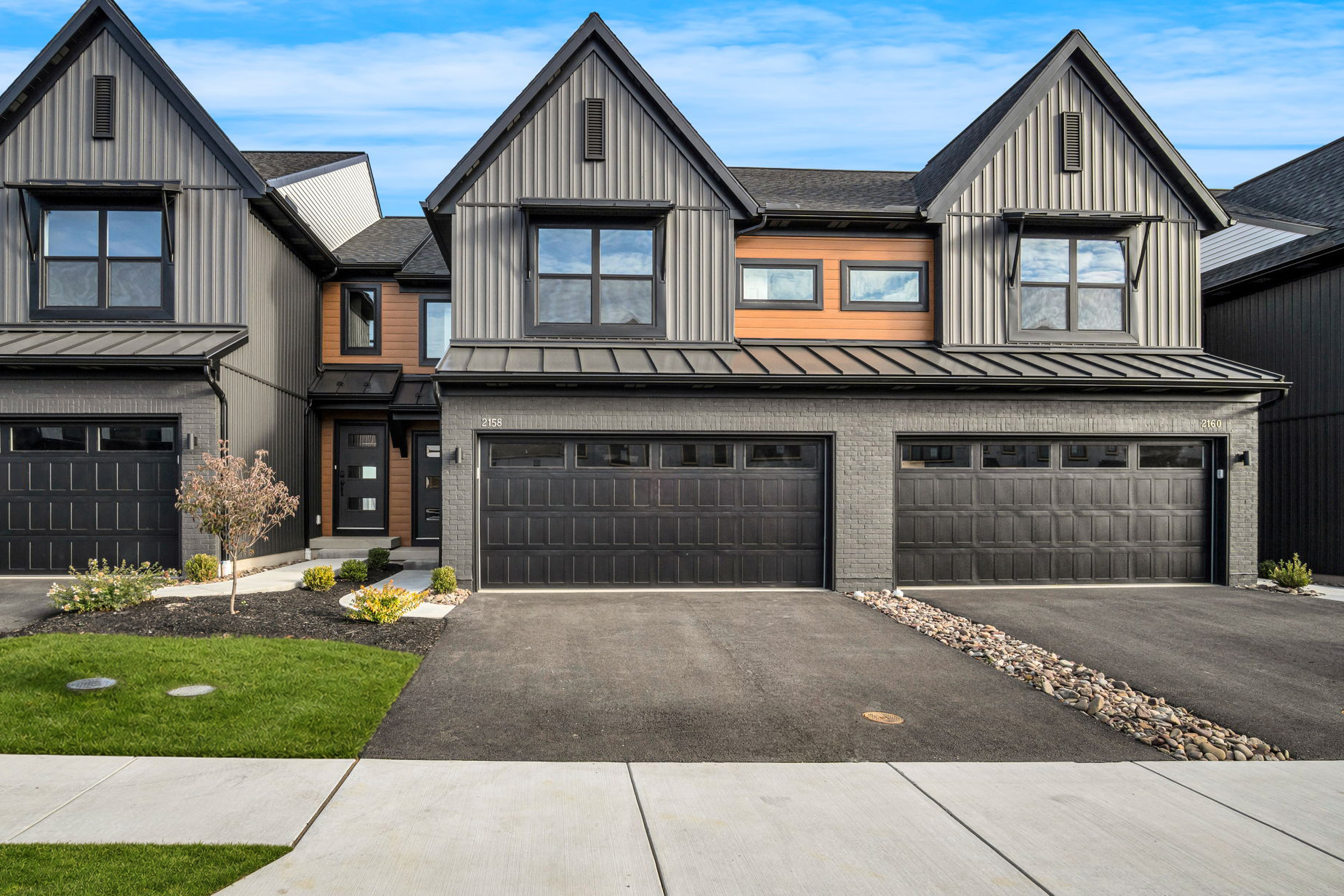
In a typical townhome, you own the home itself and the land it sits on, often including a small yard or patio area. The homeowners association owns and maintains the shared spaces: the streets, the common green space, the clubhouse if there is one. This structure, commonly known as a planned community, is governed in Pennsylvania under the Uniform Planned Community Act (68 Pa.C.S. § 5101 et seq.).
That land ownership matters more than most buyers realize. It means your property line extends past your walls. It also means more of the maintenance burden, and more of the decision-making, sits with you rather than the association.
What You Own With a Condo
A condo works differently. You own your individual unit, the interior space within its walls, and you hold a shared, undivided interest in everything outside that unit, the hallways, the roof, the lobby, the parking areas, the grounds. Pennsylvania sets this structure out under the Uniform Condominium Act (68 Pa.C.S. § 3101 et seq.).
You don't own a specific patch of land the way a townhome owner does. You own a percentage interest in the whole, shared with every other unit owner in the building or association. That shared interest is the entire point of condo ownership, and it's what drives most of the differences that follow.
Who Maintains What (and Why the Documents Decide)
This is where buyers get tripped up. The style of the home tells you nothing about who fixes the roof. The governing documents, the declaration, bylaws, and rules recorded for that specific community, tell you everything.
In some townhome communities, the HOA maintains the exterior and roof even though you own the land underneath. In some condo associations, the owner is responsible for more interior systems than people expect. There's no universal rule here. Read the documents for the specific community before you assume anything about who mows the lawn or who replaces the roof.
Insurance: Where the Association's Policy Ends and Yours Begins
Condo associations typically carry a master insurance policy that covers the building structure and common areas. As the unit owner, you're generally responsible for insuring your interior, your belongings, and often the fixtures and finishes inside your unit, sometimes through what's known as an HO-6 policy.
Townhome owners, because they own the structure and the land, usually carry a standard homeowner's policy covering the full home, inside and out.
The detail that matters most in either case: find out exactly where the association's coverage ends and your coverage needs to begin. That line isn't the same from one community to the next, and it's worth confirming with your insurance agent and the association's documents before closing, not after a claim.
Fees: Why Condo Dues Are Often Higher
Monthly fees track directly with how much the association maintains. Since condo associations are typically responsible for more of the physical structure, roofs, exteriors, sometimes major systems, condo fees often run higher than HOA dues for a comparable townhome, where the owner carries more of that responsibility directly.
Higher fees aren't automatically a downside. For many buyers, that's the appeal: pay more each month, handle less yourself.
Financing: Not All Loans Treat Condos the Same
Financing is another place where the ownership structure, not the style, changes the rules. Some loan programs apply extra requirements to condos that don't apply to townhomes.
A VA-backed loan is a clear example. According to the Department of Veterans Affairs, a VA-backed purchase loan can be used to buy a condo, but only in a VA-approved project. That approval isn't automatic. If you're planning to use VA financing, confirm a condo community's approval status early, before you fall in love with a unit that doesn't qualify.
How to Tell Which One You're Actually Buying
Skip the curb appeal test. The way to know for certain is to look at the recorded legal documents for the community and see what they call it. If the declaration establishes a condominium, you're buying a condo, regardless of whether it looks like a single-family home. If it establishes a planned community, you're buying a townhome-style property with land ownership, regardless of how attached the units look to each other.
Your agent or the builder's sales team can point you to these documents. Ask before you assume.
Townhome and Condo Living at Garman Builders
We build both, and the lifestyle difference shows up in how each community is designed.
117 On The Boulevard in North Cornwall Township offers condo-style suite living, designed for buyers who want a low-maintenance home without giving up quality finishes or thoughtful design. Autumn Chase Townhomes in Mechanicsburg offers the townhome version of that same idea: attached living with the benefit of owning your own home and the land beneath it.
Ownership terms, fees, and maintenance responsibilities are specific to each community's governing documents. We're glad to walk you through what applies to any Garman community you're considering.
Who Each One Fits
A condo tends to fit buyers who want the most hands-off living possible, people who'd rather pay a fee and let someone else handle the roof, the siding, and the landscaping, whether that's a busy professional, an active adult downsizing from a larger home, or someone who travels often and doesn't want exterior upkeep waiting when they get back.
A townhome tends to fit buyers who still want some land ownership and a bit more control over their property, while still appreciating the lower-maintenance footprint compared to a single-family home on a full lot.
The Right Fit Comes Down to How Much You Want to Own
There's no wrong answer between a townhome and a condo. The right choice depends on how much you want to own outright and how much you'd rather have handled for you. Once you know that, the rest of the decision, the floor plan, the location, the finishes, gets a lot easier.
If you're weighing a condo against a townhome in South Central Pennsylvania, we'd rather walk you through the real ownership terms for the specific community you're considering than let you guess. Contact our team to talk through which option fits the way you want to live, or explore our financing resources to see how your loan options line up with either choice.
FAQ
Is a townhome considered a condo?
Not necessarily. A townhome is an architectural style, attached homes sharing one or more walls. Whether it's legally a condo depends on the ownership structure set out in the community's governing documents, not on how the home looks.
Do townhomes have HOA fees?
Yes. Townhome communities are typically governed by a homeowners association that charges dues to maintain shared areas like roads, common grounds, and amenities. The owner usually maintains their own home and land.
Can I get a VA loan for a condo?
Yes, but only if the condo project is VA-approved. The Department of Veterans Affairs requires this approval before a VA-backed loan can be used to purchase a unit in that community.
Do I own the land under my townhome?
In most townhome communities, yes. You typically own the home and the land it sits on, while the association owns and maintains shared spaces like streets and common areas.
How do I know if a property is legally a condo or a townhome?
Check the recorded governing documents for the community. If they establish a condominium under Pennsylvania's Uniform Condominium Act, it's a condo. If they establish a planned community, it's governed as a townhome-style property with individual land ownership.
 0