


Nest Notes
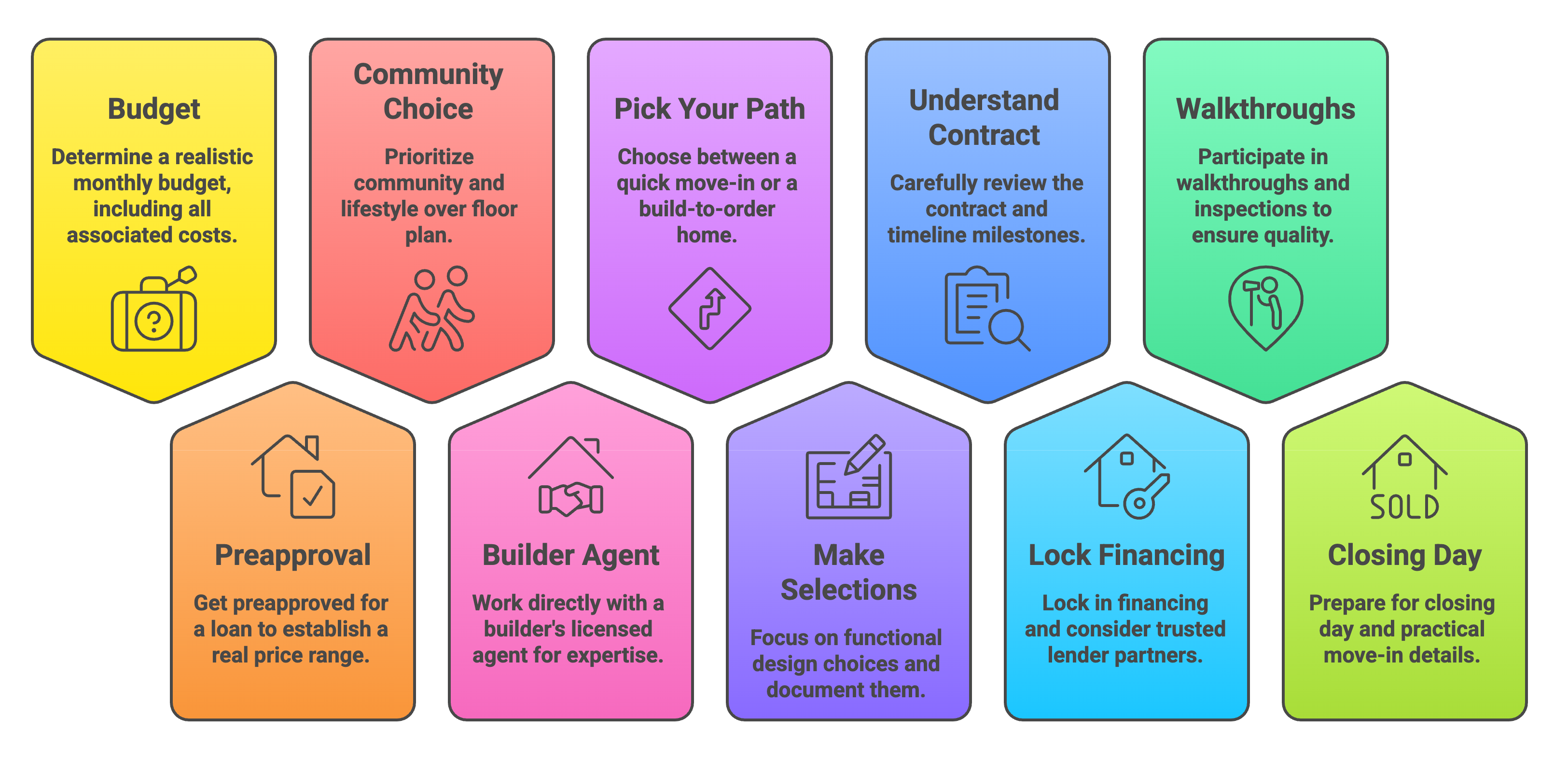
10 Steps to Buying a New Build: From Community Tours to Move-In Day

March 11, 2026
A lot of buyers come to us with the same quiet worry: How do we buy a home without feeling like we’re guessing the whole way through? That’s one reason buying a new construction home can feel different from buying a resale home in a very good way. Instead of reacting to someone else’s house, someone else’s maintenance history and someone else’s deadlines, you’re usually working through a more structured process with clear milestones, documented selections and scheduled walkthroughs.
That doesn’t mean every step is effortless. It does mean the new construction home buying process often feels more organized and easier to follow. At Garman Builders, we’ve seen how helpful that can be for first-time buyers, move-up buyers and families relocating who simply want fewer surprises and a clearer path forward.
Key Takeaways
- Buying a new construction home can feel more predictable because the process is built around milestones, selections and walkthroughs.
- Buyers do not usually need a Realtor to get started when buying a new construction home.
- Preapproval helps turn a rough budget into a real price range and lenders may verify your information again before closing.
- Trusted lender partners can help reduce communication gaps during financing and closing.
- Final walkthroughs and punch lists matter because they give us a focused quality-control moment before move-in.
- ENERGY STAR-certified new homes are designed to deliver better comfort, quality and durability, which is one reason many buyers look at new homes closely.
- The national median sales price of new houses sold in December 2025 was $414,400, which is a useful reminder that a real budget matters before you fall in love with finishes.
1. Start With Your Budget, Not Just a Guess

Before you tour model homes or compare floor plans, you need a realistic monthly comfort zone. That means more than a mortgage payment. You also want to think through property taxes, homeowners' insurance, HOA dues if the community has them and day-one or first-year expenses like window treatments, appliances if needed and moving costs.
Closing costs belong in this conversation, too. The Consumer Financial Protection Bureau notes that closing costs are expenses that go beyond the down payment and can include lender fees, title-related charges and prepaid items.
This is the part buyers sometimes try to rush because it’s less fun than looking at kitchens. We get it. Still, a clear budget makes every later decision easier. It also helps us separate what you truly need from what simply looks great under showroom lighting.
2. Get Preapproved So Your Price Range Is Real
Prequalified and preapproved are not always the same thing. The CFPB explains that some lenders use prequalification based solely on information you provide, while preapproval is often based on verified information and provides a stronger signal of what a lender may be willing to lend. It is still not a guaranteed loan offer.
For new construction, preapproval matters early. It can help when you’re reserving a homesite, comparing floor plans or deciding whether a quick move-in home is worth acting on. It also keeps us from shopping in a price range that looks comfortable at first but feels very different once real numbers are in.
One more thing that catches buyers off guard: lenders may check employment, assets and credit again before closing. So even after you are under contract, it is smart to avoid major financial changes unless we’ve talked through them with the lender.
3. Choose the Right Community, Lifestyle First and Floor Plan Second
A beautiful home in the wrong location tends to feel wrong pretty quickly.
When we help buyers think through community choice, we usually start with daily life. How long is the commute? What does the morning school run look like? How close are grocery stores, parks, medical care and the places you actually go every week? Is the area growing in a way that fits how you want to live?
Touring at different times of day helps more than most people expect. A community can feel calm at 2 p.m. and very different at 7:45 a.m. or early evening. Features like Anytime Tours by Garman can also make things easier by letting you explore certain homes on a more flexible schedule. That can be a real help when calendars are full and you want time to walk through a space at your own pace.
If you’re touring Garman communities, this is where our licensed team can help point out homesite differences, traffic patterns, nearby amenities and what may be coming next in the neighborhood.
4. Work Directly With a Builder’s Licensed Agent
A common misconception is that you must have a Realtor before you can even ask questions about a new build. That is not usually the case.
Buyers can often begin by working directly with a builder’s licensed agent or sales counselor. That can be helpful because those professionals know the community, available homesites, build timelines, included features, design options and paperwork flow in detail. If buyers prefer to bring their own representation, they may do that too. But it is not required just to start the conversation.
This matters because the due diligence process in new construction does not look like resale. Instead of reviewing an older roof, past repairs or seller disclosures about a lived-in home, you’re usually evaluating homesite selection, floor plan choice, structural options, documented selections, timing and walkthroughs. Different process. Different questions. Often, a clearer path.
5. Pick Your Path, Quick Move-In or Build-to-Order
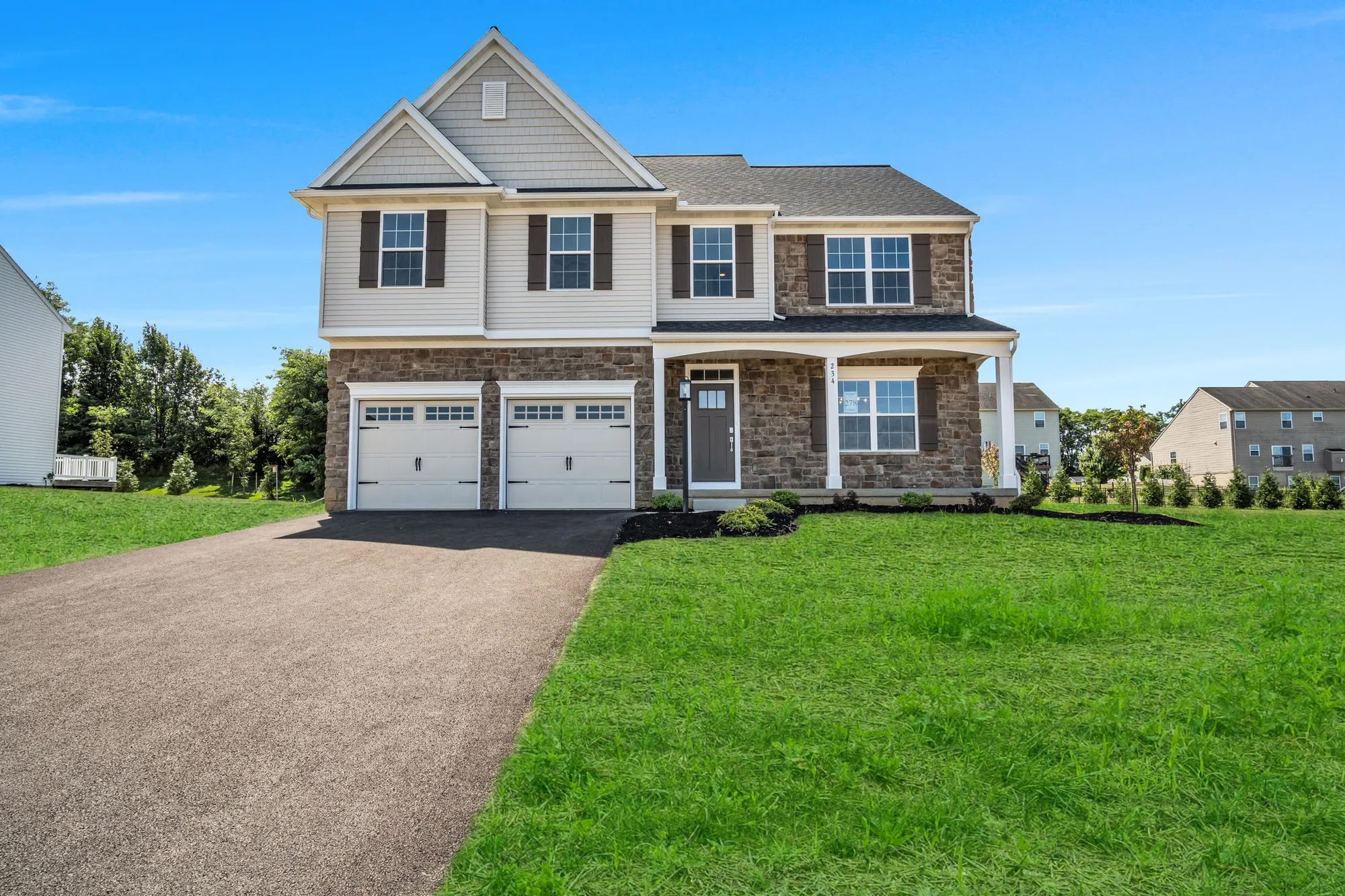
Here’s where the road splits.
A quick move-in home is already under construction or completed, so the timeline is shorter and many design decisions are already made. A build-to-order home gives us more personalization, but it also brings more decisions and usually more waiting.
A simple way to think about it:
- Quick move-in often works well for buyers who need a faster timeline or prefer fewer design decisions.
- Build-to-order often works well for buyers who want to personalize layout details, finishes and features.
Neither route is better across the board. It depends on whether speed or customization matters more to us right now.
6. Make Selections Without Regretting Them Later
Design appointments are fun. They can also get expensive or overwhelming if you treat every choice like a final exam.
The better approach is to focus first on the things that affect daily function. Kitchen layout. Storage. Lighting. Electrical locations. Flooring in high-traffic areas. The pantry we’ll use every day usually matters more than the trendy accent tile you forget about in six months.
We also like to remind buyers to take photos and keep notes during selections. After a few appointments, finishes can blur together. A small record of what you chose and why is surprisingly helpful.
This is also where new construction can feel reassuring. Selections are documented. Choices are reviewed. There is less room for “Wait, we thought that was included” when expectations are clearly laid out on paper.
7. Understand the Contract and Timeline Milestones
Contracts for new construction are not mysterious, but they do deserve a slow read.
You want to understand the deposit structure, what allowances apply if any, how change orders work, what is included, what is optional and how estimated completion timing is discussed. Estimated is the keyword here. Weather, trade scheduling, municipal approvals, and material availability can affect timing, even in a well-managed build.
That’s normal, not necessarily a red flag.
The reason the process still often feels more predictable than resale is that it is organized around milestones. We can usually follow the project through defined stages rather than trying to piece together a moving target. That structure helps, especially for buyers who like to plan school transitions, lease endings or a work relocation with as much clarity as possible.
8. Lock In Financing and Why Trusted Lender Partners Can Help
Once you’re under contract, financing becomes less theoretical and more task-oriented. We’ll submit documentation, respond to underwriting requests and talk through timing for appraisal, final approval and closing.
This is where comparing lenders matters. So does communication. The CFPB’s mortgage guidance encourages buyers to ask questions, compare loan choices and understand terms before they commit.
When buyers consider Garman’s trusted lender partners, the benefit is not magic. It’s coordination. A lender who regularly works with the builder’s process may help reduce communication gaps around construction timing, documentation and closing logistics. That can make the experience feel simpler.
Rate locks also come up here. The right timing and terms depend on the lender and the loan, and there are no guarantees, so this is a good area to review carefully with the financing team before making assumptions.
9. Walkthroughs, Inspections and the Punch List
This step matters more than people realize.
Depending on the build stage and builder process, buyers may have a pre-drywall walkthrough, a later orientation and a final walkthrough before closing. These moments give us a chance to review the home, ask questions and confirm how systems and features work.
The final walkthrough and punch list are especially important because they create a focused quality-control step before move-in. It is our chance to note touch-ups, incomplete items or details that need attention. Some buyers also choose an independent home inspection for extra peace of mind, even on a new home.
Warranties are worth discussing at a high level, too. The FTC explains that a builder warranty comes with new home construction or a remodel, while a home warranty is generally a service contract that may cover certain systems or appliances, depending on the terms. Coverage, exclusions and claim procedures vary, so you always want to read the actual documents carefully.
10. Closing and Move-In Day

Closing day is not usually complicated, but it is easier when you prepare for the small stuff before the boxes show up.
You’ll review final documents, confirm funds due, bring the required identification and make sure you know what happens with keys, garage remotes, mailbox access and any builder orientation materials. Lenders may do final checks before closing, which is another reason to keep finances steady late in the process.
For move-in, practical details matter a lot. Set up utilities and internet early. Keep filters, manuals and warranty documents in one place. Save paint colors and product info if they’re provided. And if you’re moving mail, USPS says a permanent change-of-address request will reroute mail to the new address.
None of that is glamorous, but honestly, it’s the kind of preparation that makes the first week feel much calmer.
A Clearer Way to Move Forward
Buying a new construction home should feel structured, not chaotic. That’s part of the appeal. You’re not trying to decode every mystery in an older house or rush through a process with no roadmap. You’re following milestones, making informed choices and moving forward with a clearer sense of what comes next.
With more than 50 years of experience, Garman Builders understands how important it is for the process to feel clear, organized and approachable. When you’re ready, contact us or tour our communitie throughout South Central PA to take the next step.
FAQ
Do I need a Realtor to buy a new construction home?
No. Buyers can often start by contacting a builder’s licensed agent or sales counselor directly. If you want your own representation, you may bring it, but it is not required just to begin.
When should I get preapproved when building a new home?
Early. Ideally before you get serious about homesites or floor plans. Preapproval gives us a more realistic price range and can strengthen our position when timing matters.
How long does it take to build a home?
It depends on the builder, floor plan, homesite, weather, approvals and material flow. A quick move-in home is faster. A build-to-order home usually takes longer because more selections and construction stages are involved.
Can I do a home inspection on a new build?
Many buyers do. Even with builder walkthroughs and punch lists, some choose an independent inspection for added peace of mind.
What is typically included in a builder warranty?
It varies. In general, builder warranties may cover certain workmanship or systems for defined periods, while a separate home warranty is usually a service contract with its own terms and exclusions. Read the actual warranty documents closely.
What costs should I plan for besides the purchase price?
Think about closing costs, taxes, insurance, HOA dues if applicable, utility setup, moving costs and some first-year home items like window treatments or storage solutions.
What is the difference between quick move-in and building from scratch?
Quick move-in gives us a shorter timeline with fewer design choices. Building from scratch or build-to-order offers more personalization but usually requires more time and more decisions.


 0
0