


Nest Notes
Will This House Work in 10 Years? A Simple Stress Test for Long-Term Buyers

October 28, 2026
Will This House Work in 10 Years? A Simple Stress Test for Long-Term Buyers
Most people don't buy a house for next year. They buy it for the decade ahead, the one where a baby arrives, a parent needs help, a job changes, or knees start complaining about stairs. The problem is most buyers only evaluate a home for how it fits today.
That gap matters more than it used to. According to NAR's 2025 Profile of Home Buyers and Sellers, today's buyers expect to stay in their homes a median of 15 years, and recent sellers had actually stayed a median of 11 years before moving (NAR, 2025 Profile of Home Buyers and Sellers). That's a long stretch of life to ask one floor plan to handle. A home that only works for the family you are right now is a home you'll likely outgrow, or one that quietly limits your options later.
So before you fall for a kitchen island or a covered porch, run the house through a simple stress test. Walk it through six changes that are common over a decade, and see whether it bends or breaks.
Key Takeaways
- Buyers now expect to stay put a median of 15 years, and sellers stayed a median of 11 years, so a home needs to flex through real life changes, not just fit today (NAR, 2025 Profile of Home Buyers and Sellers).
- Run any home through six likely changes: a new baby or boomerang kid, an aging parent moving in, an empty nest, remote or hybrid work, mobility changes, and a future sale.
- Look for a flexible room, a first-floor owner's suite or guest space, real storage, a quiet office nook, a step-free entry and a layout that will still make sense to the next buyer.
- Location holds up when the commute, schools, healthcare access and everyday errands still work ten years from now, not just today.
- Energy efficiency, early maintenance needs and HOA fees all affect what a home actually costs to live in over time, not just what it costs to buy.
- Practical layouts, generous storage and first-floor living tend to stay in demand with future buyers, even as design trends shift.
- Score each of the six changes as pass, maybe or fail, and total it up before you commit.
The 10-Year Stress Test
Here's how it works. For each scenario below, picture it actually happening in this specific home, not in the abstract. Then score it honestly.
A New Baby or a Grown Child Moving Back Home
Families expand in both directions. A baby needs a nursery near the primary suite. A grown child moving back home, after college or a layoff or a divorce, needs something closer to privacy than a hallway bedroom offers.
Look for a flex room: a den, a loft, a bonus space over the garage, or a bedroom suite with its own bath. A home with one of these already built in will absorb the change without a renovation. A home with none of them forces you to choose between discomfort and a construction project.
An Aging Parent Moving In
This is one of the most common reasons a well-loved home stops working. A parent who needs a bedroom and bath on the main floor, with no stairs between the car and the front door, changes everything about how a two-story colonial functions day to day.
Look for a first-floor bedroom or flex space that could become one, a full bath on the main level, and a step-free or low-step entry. Plans with a first-floor owner's suite, which several of our floor plans include, solve this before it becomes a problem.
Kids Leaving and Fewer People in the House
Eventually the opposite happens. Bedrooms empty out, and a house built for five starts to feel like more square footage than two people need to clean, heat and furnish.
Look for a layout where unused bedrooms can become a home office, a hobby room or a guest suite, rather than square footage that just sits there. A good plan gives you options for contraction, not just expansion.
A Job Going Remote or Hybrid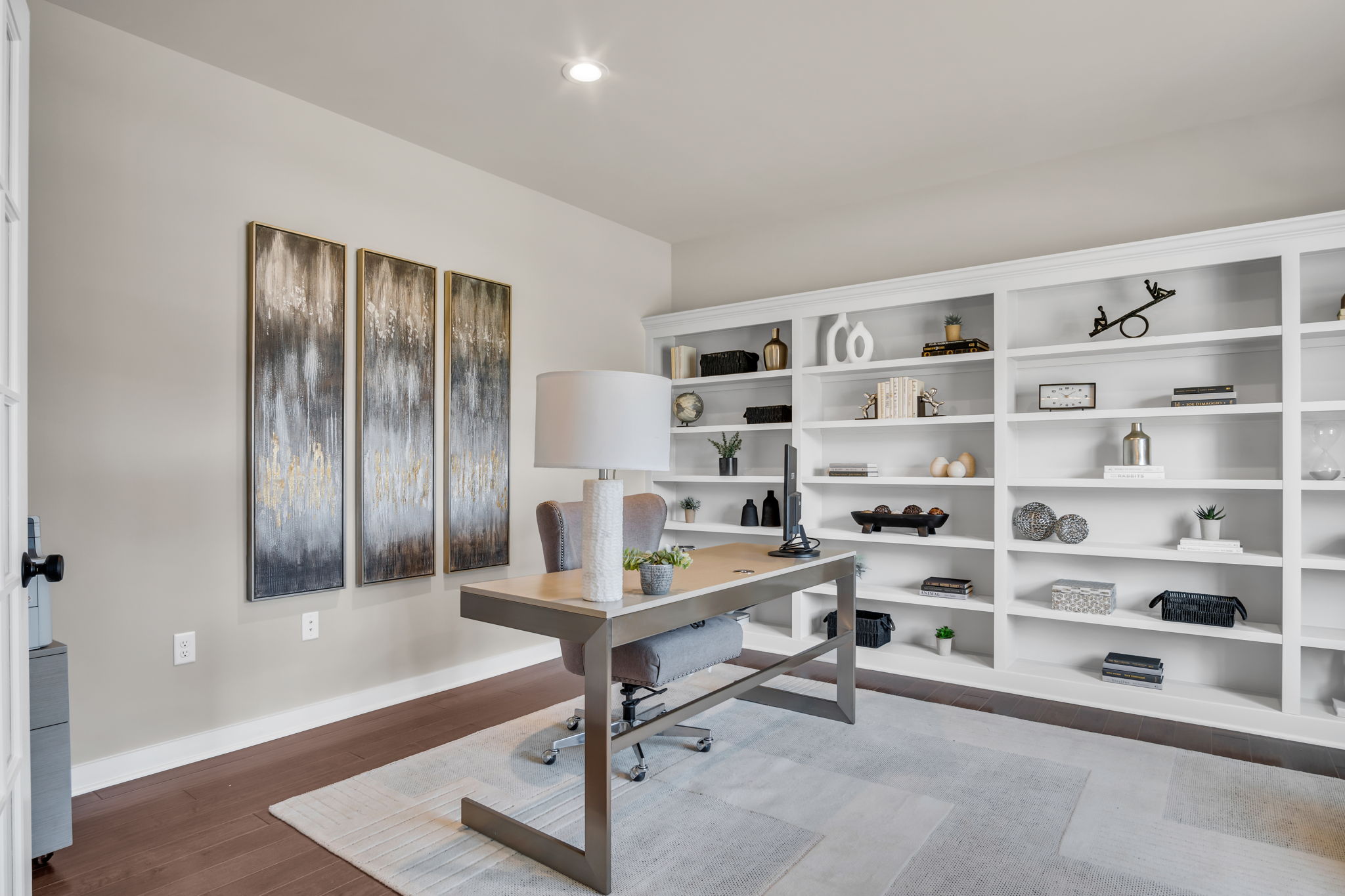
Remote and hybrid work aren't going away, and a lot of homes still weren't designed with that in mind. A corner of the primary bedroom is not a long-term office. Neither is the kitchen table.
Look for a dedicated office, study or flex room that's separated from the main living space, ideally with a door that closes. Video calls and kids' homework don't mix well, and a decade of working from the dining room gets old fast.
Mobility Changes That Make Stairs Harder
Nobody plans for a knee replacement or a slower set of stairs, but a lot of people end up living with one. A beautiful two-story home with the only bedroom and bath upstairs becomes a daily obstacle course for someone who can't manage stairs the way they used to.
Look for a step-free entry, a first-floor bedroom option and wider doorways and hallways where possible. This is exactly why single-level living matters so much in our 55+ communities like Wynfield at Millersville and Wynfield at Annville, where the whole plan is built around aging in place without a second thought.
Deciding to Sell in Seven to Ten Years
Even if you plan to stay fifteen years, plan for the possibility you won't. At some point, the house has to appeal to someone else.
Look for a layout that reads as sensible to a broad range of buyers: a primary suite separated from secondary bedrooms, enough bedrooms for the area's typical family size, and storage that doesn't feel like an afterthought. A quirky, highly personalized layout might suit you perfectly and still narrow your buyer pool later.
Location That Holds Up Over Time
A floor plan can flex. A location can't. Before you fall in love with a house, stress test the address too.
Think about the commute if your job changes, the school district if your family grows, access to healthcare as parents age or your own needs shift, and how far you'll be from groceries, pharmacies and everyday errands. A community in Cumberland, Lebanon, York, Lancaster or Perry County that works well for a 30-minute commute today should still make sense if that commute becomes twice a week instead of five.
The Costs That Show Up Later
The price on the sign isn't the full cost of owning a home for a decade. Energy bills, maintenance and HOA dues all add up over time, and they vary a lot between a well-built new home and an older resale property.
Our homes are HERS tested and built to be 37% more efficient than the average home built today, with continuous insulation that keeps energy costs more predictable year after year. New construction also means newer systems: roofs, HVAC, water heaters and windows that don't need attention for years, unlike a 20-year-old resale home where the furnace or roof might be due any time. If a community has HOA fees, factor those in as a real, recurring cost, not a footnote.
What Keeps Resale Appeal Strong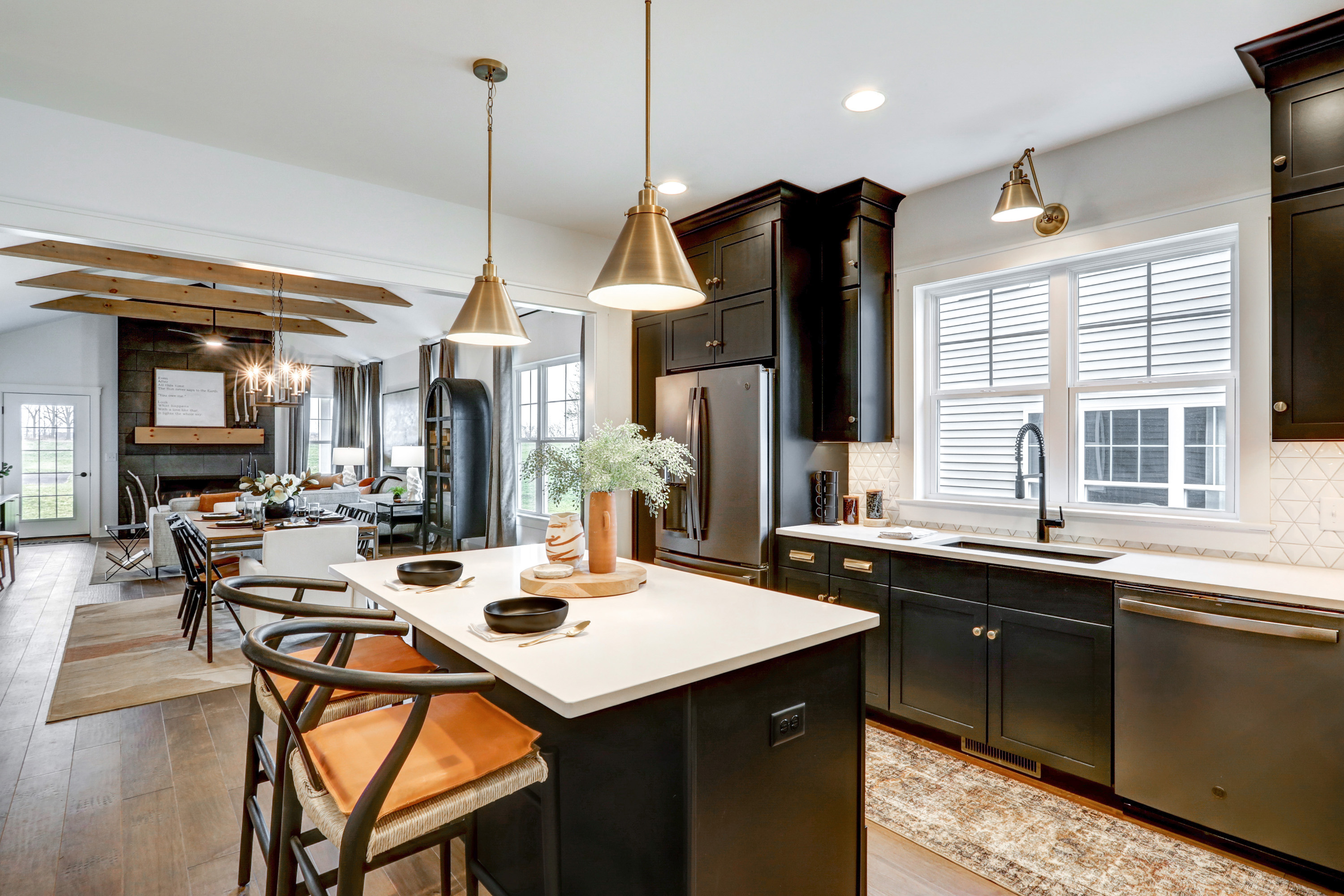
We won't promise a home's value will rise. Nobody honestly can. But some features consistently hold buyer interest more than others, which matters if you end up selling sooner than planned.
Practical layouts tend to outlast trendy ones. Generous storage, walk-in pantries and mudrooms consistently show up on buyer wish lists. First-floor living, whether it's a primary suite or just a flexible bedroom and bath downstairs, appeals to a wider range of buyers than a home that requires stairs for everything. These are the same features worth prioritizing for your own life, which is a good sign they're the right ones to prioritize.
Score Your Home: Pass, Maybe or Fail
Walk through all six scenarios and give each one an honest grade.
- Pass: the home already has a room, space or feature built in that handles the change with no renovation needed.
- Maybe: the home could be adapted with some work, cost or compromise.
- Fail: the home has no real way to accommodate the change without a major remodel or a move.
A home with five or six passes is built to keep up with you. A home with several fails might still be the right choice for a shorter stay, but it's worth knowing that going in rather than discovering it in year six.
A Home You Won't Have to Leave Early
The goal isn't to find a home with zero flaws. It's to find one that bends instead of breaks when life changes, because life will change, probably more than once in the next ten years. A home that passes most of this test is a home that gets to stay part of your life instead of becoming something you outgrow.
Our floor plans across South Central Pennsylvania are designed with exactly this kind of flexibility in mind, from first-floor owner's suites and flex rooms to the single-level living you'll find in our 55+ communities. If you want help walking through a specific plan against your own ten-year picture, our team is glad to sit down and talk it through. Contact us or explore our communities to see which plans are built to last.
FAQ
How can I tell if a home will work long term?
Run it through likely life changes: a new baby, an aging parent, an empty nest, remote work, mobility needs and a future sale. A home that has a flexible room, a first-floor bedroom option, real storage and a sensible layout will adapt to most of these without a major renovation.
What is a flexible floor plan?
A flexible floor plan includes a room or space, such as a den, loft or first-floor bedroom, that can serve different purposes over time: a nursery now, an office later, a guest suite after that. It lets a home adapt without construction every time your life changes.
Does a first-floor primary suite actually matter for resale?
It's one of several features that tends to appeal to a wide range of buyers, since it supports aging in place, guests and mobility needs. It's not a guarantee of value, but it's a layout feature that consistently shows up on buyer wish lists.
How long do people actually stay in a home?
According to NAR's 2025 Profile of Home Buyers and Sellers, buyers now expect to stay a median of 15 years, while recent sellers had stayed a median of 11 years before their last move.
Does energy efficiency matter for a home's long-term cost?
Yes. Energy-efficient construction, like HERS-tested homes with continuous insulation, keeps utility costs lower and more predictable over the years you own the home, which adds up meaningfully over a decade or more.


 0