


Nest Notes
What to Expect When Building a House: Setting Realistic Expectations Before You Start

October 28, 2026
What to Expect When Building a House: Setting Realistic Expectations Before You Start
Most stress during a build comes from expectations that did not match reality. A buyer hears a base price and assumes that is the final number. A buyer hears a target move-in month and treats it like a locked-in date. Then a selections appointment runs long, a permit takes an extra few weeks, or a line item shows up that nobody budgeted for, and suddenly a home that should feel exciting starts to feel like a source of anxiety.
None of that has to happen. Building a new home is a process with real variables, and when you understand those variables going in, the whole experience feels calmer and more predictable. Here is how to set realistic expectations around budget, timeline, design selections and the overall build process before construction ever starts.
Key Takeaways
- The base price of a new home is the starting point, not the full picture. Budget for selections, homesite costs, closing costs and the cost of moving and furnishing.
- A typical new home build runs several months, and weather, permits, inspections and selection deadlines can all shift the schedule. Treat a target date as a target, not a promise.
- Walk into your design appointment knowing your priorities, what is included in your base price and a selections budget you plan to stick to.
- Ask your builder upfront how often you will get updates, who sends them and the best way to reach your team with questions.
- Some stages of construction look slow from the outside even when the work is right on schedule. Knowing what happens at each stage helps you read the site correctly.
- Changes get harder and more expensive the further construction moves. Make your big decisions as early as you can.
- A punch list of small items at your final walkthrough is normal, and warranty coverage is there for anything that shows up after you move in.
- Realistic expectations do not lower your hopes for the home. They protect them.
Budget: The Base Price Is Where You Start, Not Where You Finish
The base price you see on a floor plan or community listing is the entry point into the home, not the final cost of building it. Understanding what sits outside that number is one of the most important new construction budget tips we can give a buyer.
A few categories to plan for beyond the base price:
- Design selections. Flooring upgrades, cabinet finishes, countertops, fixtures and lighting choices can add to the base price depending on what you choose. Some selections are included. Others are upgrades.
- Homesite costs. Lot premiums, grading, or site-specific conditions can affect the final price depending on the homesite you select within a community.
- Closing costs. These are separate from your home price and should be part of your financial planning from the start, not a surprise at the closing table.
- Moving and furnishing. A new home often means new furniture, window treatments, landscaping touches and the simple cost of a move. These expenses are easy to forget when you are focused on the build itself.
None of this means a new home is unaffordable. It means the smartest buyers plan with the full picture in mind rather than just the headline number. Ask your builder to walk through what is included in your base price and what typically falls outside of it before you get too far into the process.
Timeline: What a Typical New Home Build Timeline Looks Like
A new home build typically runs several months from the start of construction to settlement. Where many buyers run into frustration is not the length of the timeline itself. It is treating an estimated date as a guarantee rather than a target.
Several things can reasonably move a schedule:
- Weather. Rain, snow, and extreme temperatures can delay site work, foundation pours and exterior work.
- Permits and inspections. Municipal timelines vary and are often outside a builder's direct control. Inspections have to happen at specific stages, and scheduling can shift.
- Selection deadlines. When selections are made late or changed after a deadline, it can affect ordering and installation timing down the line.
- Material and trade availability. Like most industries, homebuilding depends on supply chains and skilled trade scheduling that can fluctuate.
The healthiest mindset is to treat your target date as exactly that, a target, and to build in some flexibility around move plans, lease end dates and furniture deliveries. A builder who communicates honestly about delays, rather than avoiding the conversation, is doing you a favor even when the news is not what you wanted to hear.
Design Selections: Know Your Priorities Before You Sit Down
The design appointment is one of the most exciting parts of building a home, and it is also where a lot of unplanned budget creep happens. A little preparation goes a long way.
Before your appointment, it helps to:
- Decide your priorities. Know which rooms or features matter most to you so you can direct your budget there instead of spreading it evenly across everything.
- Understand what is included. Ask what finishes, fixtures and materials come standard in your base price before you start comparing upgrades.
- Set a selections budget and stick to it. It is easy to add a little here and a little there. Those small additions compound quickly. A number in mind before you walk in keeps the process enjoyable instead of stressful.
A good design team should help you make confident choices, not pressure you into decisions you have not thought through. If you walk in with a sense of what matters most to your family, the appointment becomes a lot easier to navigate.
Communication: What Updates to Expect and How to Ask Questions
One of the simplest ways to lower stress during a build is knowing what communication to expect before you need it. Ask your builder these questions early:
- How often will I receive updates on my home's progress?
- Who is my main point of contact during construction?
- What is the best way to reach someone if I have a question?
- Will I get updates tied to specific construction milestones, or on a regular schedule?
Clear answers to these questions upfront prevent the uncertainty that creeps in when a buyer does not hear anything for a stretch of time and starts to wonder if something is wrong. A builder who sets this expectation clearly, and follows through on it, builds trust long before the home is finished.
The Build Site: What You Will See at Each Stage
Walking your lot during construction is one of the most rewarding parts of building a home. It can also be confusing if you do not know what you are looking at.
Some stages move fast and look dramatic, like framing, when a home seems to go up almost overnight. Other stages look slow from the outside even though critical work is happening. Rough plumbing, electrical, HVAC and insulation are examples of stages where progress happens behind walls and ceilings, out of view, before drywall closes everything in. A site that looks quiet for a week or two is often not a site that has stalled. It is often a site where inspections are being scheduled or trades are completing detailed work that simply is not visible yet.
Understanding this rhythm helps you read your home's progress accurately instead of assuming a quiet week means something has gone wrong.
Changes After You Sign: Make Big Decisions Early
Once construction begins, changes get harder and more expensive to make. A change that would have been simple on paper during the design phase can mean rework, delays and added cost once walls are framed, plumbing is roughed in or materials are already ordered.
This is why the biggest decisions about layout, structural options and major finishes deserve your full attention before you sign and before construction starts. If something feels unresolved or you are torn between two options, it is worth taking the extra time upfront rather than requesting a change later. Your builder can tell you what is still flexible and what is locked in at each stage, so ask before you assume.
The Final Walkthrough and After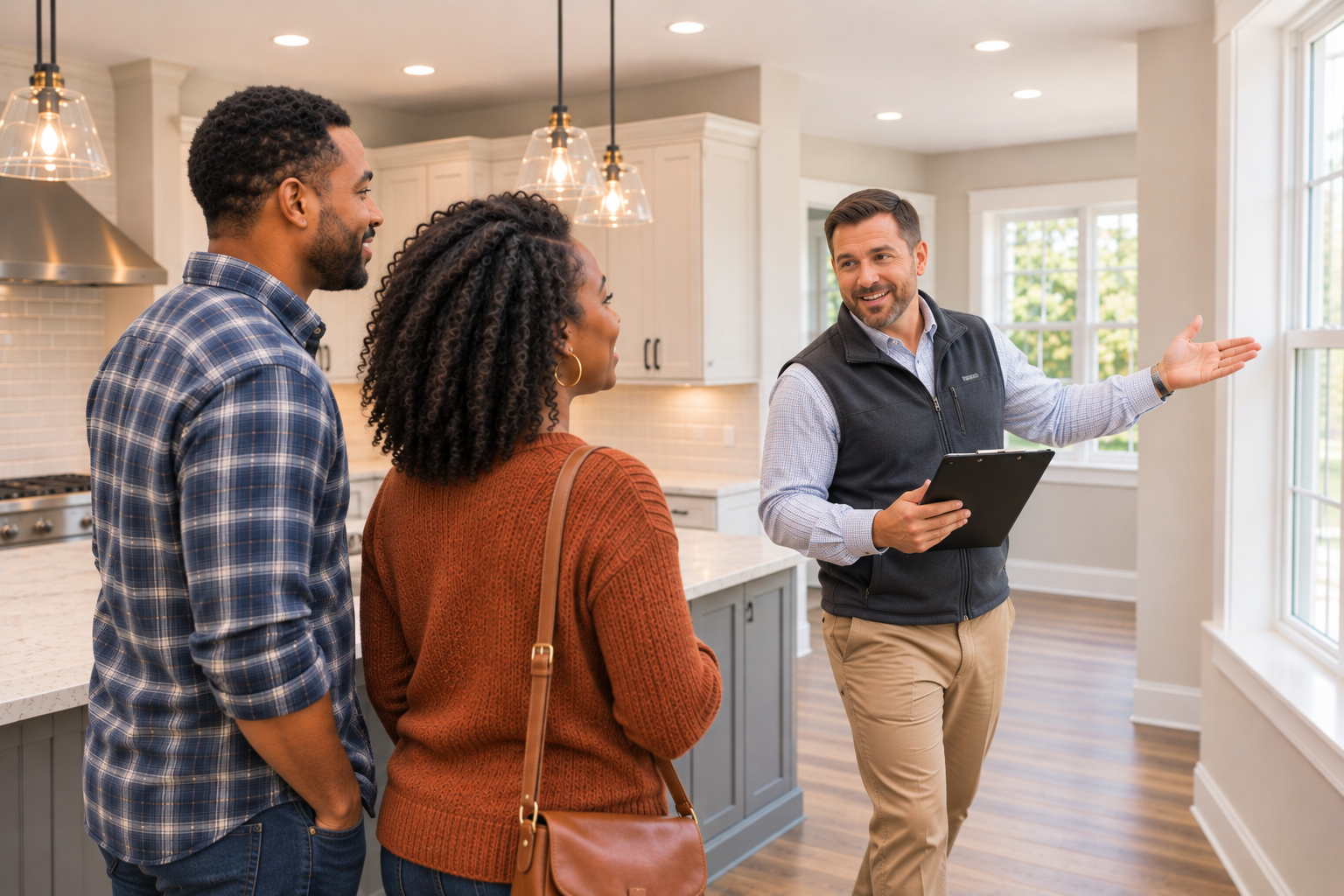
By the time you reach your final walkthrough, your home should feel essentially finished. It is normal, though, to find a handful of small items during this walkthrough, a touch-up spot, a fixture that needs adjustment, a minor cosmetic fix. This is typically called a punch list, and it exists for exactly this reason. Finding a few small items is expected, not a sign that something went wrong.
After you move in, warranty coverage is there to handle issues that show up once you are living in the home. Settling, minor adjustments and typical new-home items are a normal part of the first year of ownership. A builder who stands behind their work after settlement, not just up until the day you get your keys, is one worth trusting with that coverage.
A Quick Expectations Checklist Before You Sign
Before you sign, it helps to confirm:
- What is included in your base price, and what is considered an upgrade
- What a realistic range looks like for closing costs and moving expenses
- What your builder considers a typical timeline, and what factors could move it
- Your personal priorities for the design selections process
- A selections budget you are committed to staying within
- How and how often you will receive updates during construction
- What changes are still possible at your current stage, and what is locked in
- What to expect at your final walkthrough and how warranty coverage works after move-in
Realistic Expectations Protect Your Hopes, They Don't Lower Them
Setting realistic expectations is not about preparing for disappointment. It is about protecting the excitement you feel right now so it is still there on the day you get your keys. Buyers who understand the budget, the timeline, the selections process and the natural rhythm of construction tend to feel more confident at every stage, not less. They ask better questions. They make clearer decisions. They move through the process with a sense of control instead of uncertainty.
A calmer build starts with honest information before the first shovel hits the ground. If you are getting ready to build and want to walk through what a realistic budget, timeline and selections process look like for your specific home, our team is here to have that conversation with you early, before you sign anything, so there are fewer surprises along the way.
Frequently Asked Questions
What should I budget for beyond the base price of a new home?
Beyond the base price, plan for design selections and upgrades, any homesite-specific costs, closing costs and the cost of moving and furnishing your new home. These vary by buyer and by home, so ask your builder for specifics early.
How long does it typically take to build a new home?
A typical build runs several months, though the exact timeline depends on the home, the community and outside factors like weather, permitting and inspections. Treat any estimated date as a target rather than a guarantee.
What can delay a new home build?
Common factors include weather conditions, municipal permit and inspection scheduling, late or changed selections, and material or trade availability. These are normal parts of the building process, not signs of a problem.
Can I still make changes after I sign my contract?
Some changes remain possible early in construction, but they get more difficult and more costly as building progresses. Make your biggest decisions on layout and major finishes before signing whenever possible.
Is it normal to find issues during the final walkthrough?
Yes. A short punch list of small items is a normal part of the final walkthrough process. Your builder should address these before or shortly after you move in.
What does warranty coverage typically handle after move-in?
Warranty coverage is designed to address issues that surface after you move in, including normal settling and minor adjustments common to new construction. Ask your builder to walk you through exactly what is covered and for how long.

 0