


Nest Notes
How Long Does It Take to Build a New Home in Pennsylvania? (2026 Timeline Breakdown)

July 8, 2026
Most new homes in Central PA take 6 to 10 months from contract to closing, but the exact timeline depends on customization, weather, permits and what you're building.
That answer helps, but it usually isn't enough. Buyers want to know what actually happens between signing a contract and getting keys. They want to know why one home can move faster than another, what delays are normal and where they still have some control.
That's what this guide covers. We’re walking through the real new home construction timeline in South Central Pennsylvania using the week-by-week stages our team shares with buyers. If you're trying to figure out how long it takes to build a new home, this should give you a much clearer picture of what to expect, what can affect the schedule and how to plan with more confidence.
Key Takeaways
- Most new homes in Central PA take about 6 to 10 months from contract to closing.
- A typical Garman timeline moves through four major phases: sales, design, pre-construction and construction.
- Early decisions matter. Fast selections, financing readiness and clear approvals help keep the schedule moving.
- In our process, major milestones begin with contract and pre-approval, then design selections, mortgage commitment, groundbreaking and scheduled progress meetings.
- Weather matters more in Pennsylvania than buyers expect, especially during winter excavation, concrete work and ground freeze conditions.
- Mid-build design changes and custom modifications are two of the biggest reasons a build can stretch longer.
- Quick move-in homes usually offer the shortest timeline, while semi-custom and custom homes generally take longer.
- A realistic schedule is better than a rushed promise. Confidence from contract to closing starts with clear expectations.
How long does it actually take to build a new home?
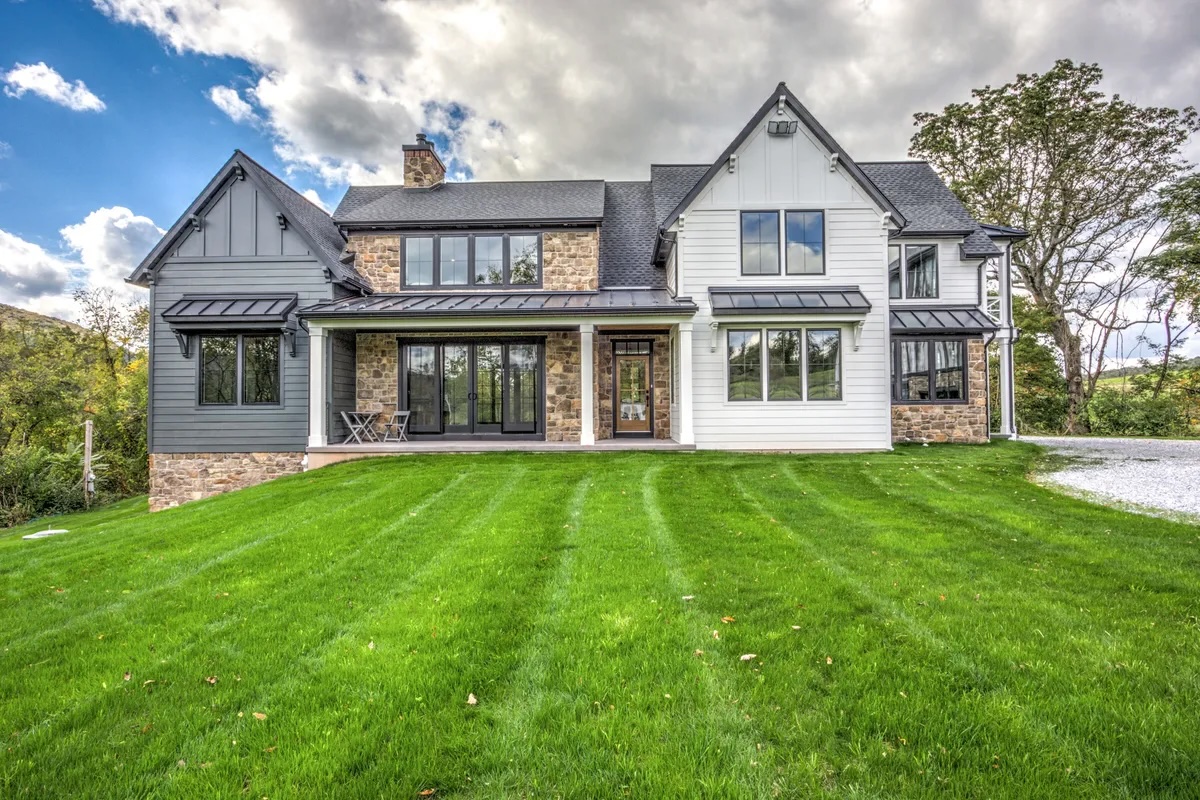
If you're looking for the short answer, here it is:
Most new homes in Central Pennsylvania take 6 to 10 months to build from contract to closing.
That range covers many situations. A quick move-in home can be faster. A semi-custom home with buyer selections usually falls in the middle. A fully custom home or a home with significant changes can take longer.
The reason buyers get confused is simple. They hear one number from a friend, another from a national article and a third from a builder in a completely different climate. But how long it takes to build a house is shaped by local conditions, local municipalities and the level of personalization involved.
So instead of giving you a broad national estimate, we prefer to show the real phases and week ranges buyers can use in Central PA.
The four phases of a new home construction timeline
A new home build does not start the day the excavator arrives. By the time construction begins, several important steps have already happened behind the scenes.
Our process breaks down into four main phases:
- Sales
- Design
- Pre-construction
- Construction
Phase 1: Sales
The sales phase is when the build starts to take shape. This is the point where buyers choose the right community, home design and homesite, then make the structural decisions that guide the rest of the process.
What happens during the sales phase
During this stage, buyers typically:
- Choose the neighborhood that fits their lifestyle
- Meet with a Garman-approved lender for pre-approval
- Select a homesite and home design
- Choose structural personal choices
- Sign the structural agreement
This part can move quickly if you're prepared. It can also take longer if you're comparing multiple communities, waiting on financing details or working through plan changes.
A lot of buyers think this stage is informal. It isn't. The decisions made here shape pricing, scheduling, permitting and construction planning. This is where clarity helps most.
Why this phase matters to the timeline
The sales phase sets the foundation for the rest of the new home build schedule. If you know your budget, understand your priorities and are ready to move, this phase tends to go smoothly.
If you're still deciding between floor plans, changing homesites or delaying pre-approval, everything behind it shifts too.
Phase 2: Design
This is the phase buyers usually look forward to most, and the one they often underestimate.
Design is exciting. It’s also a real scheduling step with deadlines that matter.
Design timeline breakdown
Based on Garman’s buyer process, the design phase includes:
1 week: Prepare for your design appointment
Before the design meeting, buyers:
- View the virtual Design Studio Orientation
- Visit the Design Studio Selections Catalog
- Prepare for the design meeting
This prep work usually happens within the first week of the design phase.
2 weeks: Attend your Design Studio appointment
At this stage, buyers meet with the Design Studio team to review finishes, fixtures and available selections. This is where the home starts to feel personal.
Depending on the home type and level of personalization, this appointment may be straightforward or more detailed. Either way, coming in prepared helps a lot.
3 weeks: Design authorization and finalization meeting
By about week 3 of the design phase, buyers complete the design authorization and finalize decisions.
This step matters because the construction team needs approved selections to order materials, coordinate trades and move into pre-construction without confusion.
What buyers should know about the design phase
This is one of the easiest places to either protect your timeline or disrupt it.
If selections are made on time and decisions are clear, the process stays on track. If buyers revisit earlier decisions, ask for changes late or need repeated revisions, the schedule can slip.
Our Design Studio, online tools and guided process are built to give buyers more control, more clarity and more confidence, not to overwhelm them.
Phase 3: Pre-construction
Pre-construction is quieter from the outside, but a lot is happening here. This is when financing and final approvals need to line up before the build starts.
Pre-construction timeline breakdown
7 weeks: Mortgage commitment and deposit due
By around week 7, buyers typically need their mortgage commitment in place and deposit due.
This is one of the biggest checkpoint moments in the entire house construction phases process. If financing is delayed, construction cannot move forward on schedule.
8 weeks: Lot settlement for construction loans
For buyers using construction loans, lot settlement typically happens around week 8.
Not every buyer will have this step, but for those who do, it is an important part of the pre-construction window.
Why pre-construction can feel slow
To buyers, this phase can feel like not much is happening. But behind the scenes, this is where documentation, approvals, ordering and scheduling all start lining up.
It's also where township requirements and permit timing can start affecting the broader new construction timeline Pennsylvania buyers should expect.
That matters in Central PA because permit timing is not identical from one township or municipality to another.
Phase 4: Construction
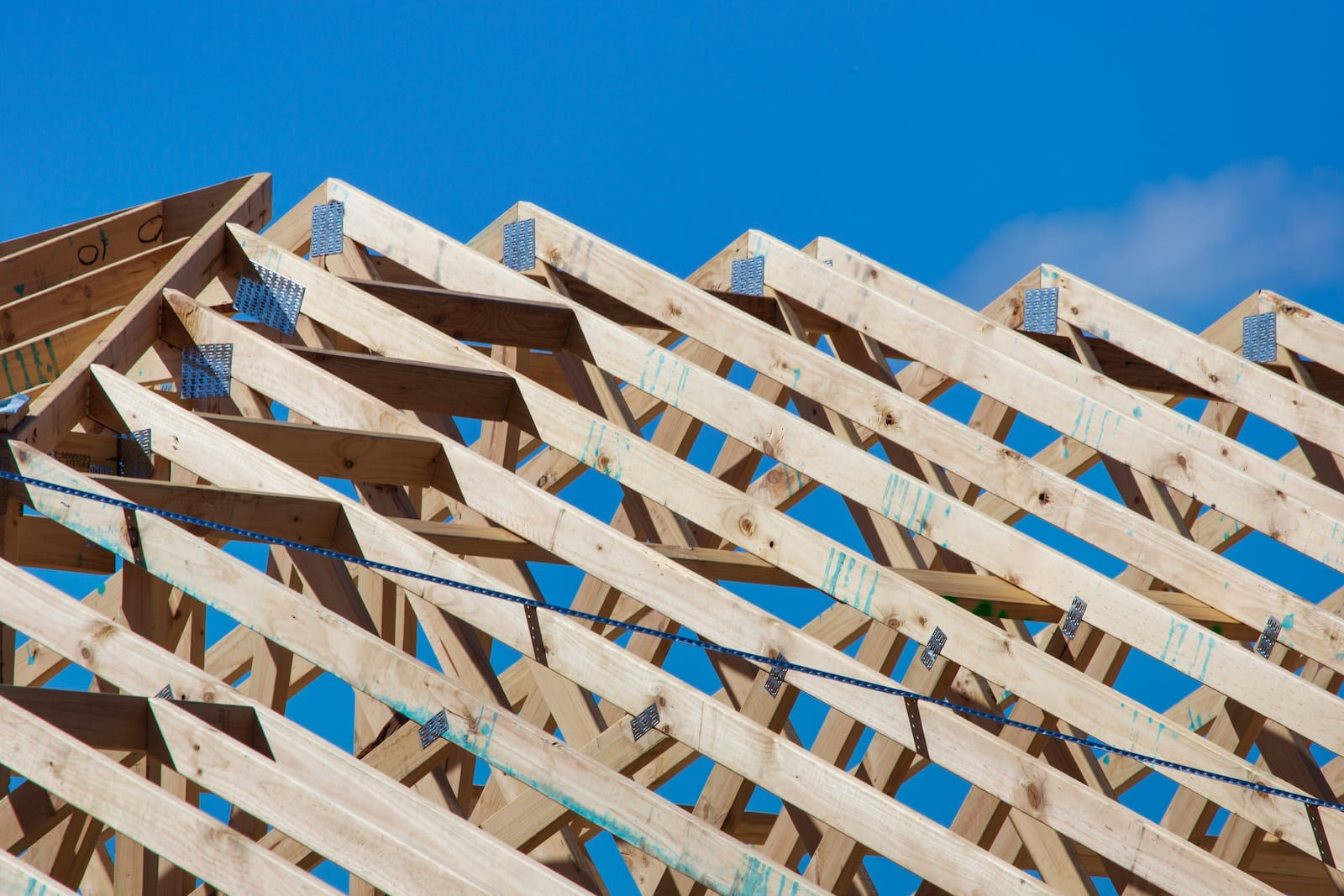
This is the phase most people picture when they think about building a home. It starts with site work and carries all the way through orientation, settlement and post-settlement care.
Based on the schedule provided by Garman’s construction team, here is how the construction phase typically unfolds.
Construction timeline breakdown by week
9 weeks: Introduction phone call with your Project Manager
Before groundbreaking, buyers receive an introduction phone call with their Project Manager, usually around week 9.
This is an important handoff point. It gives buyers a direct connection to the construction side of the process and helps set expectations for communication moving forward.
11 weeks: Groundbreaking and start of construction
Around week 11, groundbreaking begins and the home officially moves into active construction.
This is often the moment buyers feel like the process is finally real, and it is. But it’s still only one part of the full new home construction timeline.
14 weeks: Backfill on-site progress meeting, optional
By about week 14, buyers may have the option for a backfill on-site progress meeting.
This is a useful milestone because the home is beginning to take shape from the ground up. It also gives buyers a chance to better understand what has been completed before the home moves further along.
23 weeks: Pre-drywall on-site progress meeting, optional
Around week 23, buyers may attend a pre-drywall progress meeting.
This is one of the most meaningful checkpoints in the build because a lot of the behind-the-walls work is still visible. It’s a good moment to see the structure, layout and mechanical systems before drywall closes everything in.
27 weeks: Cabinetry on-site progress meeting, optional
By week 27, cabinetry is underway and buyers may have another optional on-site progress meeting.
At this point, the home starts looking more finished. Rooms become easier to read, selections are becoming visible and buyers can finally see the design choices coming together in a very real way.
28 weeks: Homeowner orientation
Around week 28, buyers attend the homeowner orientation.
This is when we walk through the home, explain key systems and prepare buyers for settlement. It’s also where practical questions tend to come up, which is exactly what orientation is for.
29 weeks: Settlement and move-in
Settlement and move-in typically happen around week 29 in the sample timeline.
That puts this example at a little over 7 months from early contract stages through closing, which fits well within the broader 6 to 10 month range we use for most new homes in Central PA.
29 weeks: 30-day customer care follow-up
After move-in, the process does not simply stop. Our customer care follow-up begins after settlement, including a 30-day check-in.
That matters because a better way to build also means caring for the home after closing, not just before it.
81 weeks: 1-year customer care follow-up
The 1-year customer care follow-up takes place at about week 81 from the original timeline starting point.
This isn't part of the active construction schedule, but it is part of the full ownership experience. We include it because buyers should understand that support extends beyond move-in day.
What can speed up a new home build?
Some factors are outside your control. Others are not.
If you're trying to shorten the average time to build a house, these are the biggest things that help.
1. Prompt design selections
The faster buyers complete design decisions, the easier it is to keep ordering, approvals and scheduling on track.
Design delays create a domino effect. One missed deadline can push several later steps.
2. Quick move-in inventory
If you're choosing a quick move-in home, the timeline is often much shorter because the home is already underway or close to complete.
This is often the best fit for buyers who want a new home without the full start-from-scratch timeline.
You can browse available homes to see what may already be in progress.
3. Working with a builder-preferred lender
A builder-approved or preferred lender usually understands the process, deadlines and documentation requirements better than an outside lender who only occasionally works in new construction.
That familiarity can help reduce delays during mortgage commitment and pre-construction.
For financing details, buyers can review our financing information.
4. A flexible move-in window
A little flexibility helps. If your timing has no margin at all, any weather delay, permit issue or material shift becomes more stressful.
A realistic move-in window gives everyone room to handle normal variables without turning them into major problems.
What slows a build down in Pennsylvania?
This is where local context matters. A new construction timeline in Pennsylvania is not the same as one in a warm-weather market with different permit systems.
1. Winter weather

Pennsylvania winter affects excavation, concrete work and site conditions.
Ground freeze can slow foundation activity. Snow, ice and cold-weather pours can affect pacing. Even when work continues, the sequence may shift.
This is one of the biggest reasons a Central PA timeline needs local expectations, not generic national estimates.
2. Supply chain delays
Material lead times have improved from the worst disruption years, but they still matter. Certain windows, cabinets, specialty finishes or mechanical components can affect schedule if there is a delay upstream.
This is another reason timely selections matter. The earlier materials are finalized, the better the ordering process tends to go.
3. Design changes during construction
Mid-build changes slow things down. Almost always.
Once a home is moving through framing, mechanicals and finish work, changing a selection or revisiting a layout decision can affect labor scheduling, materials and inspections.
This is one of the most preventable timeline problems.
4. Custom modifications
The more custom a home becomes, the longer it generally takes.
That isn't a bad thing. It's just reality. More customization means more coordination, more approvals and sometimes more field adjustment.
5. Permit office backlogs
Township and municipal permitting can vary across South Central PA. Some offices move faster. Some are more backlogged. Some require more detailed review depending on the lot, utility work or specific jurisdiction.
This is one reason we avoid one-size-fits-all promises about timing.
Production vs. semi-custom vs. custom home timelines
Not every new home follows the same schedule. This is one of the biggest reasons buyers hear different answers when asking how long does it take to build a new home.
Production homes
Production homes usually move fastest.
These homes use established plans, standard processes and fewer one-off changes. If the home is already started or built as a quick move-in, the timeline can be significantly shorter than a ground-up personalized build.
Semi-custom homes
Semi-custom homes usually sit in the middle.
This is where many Garman buyers land. They choose a homesite and plan, then personalize structural features and design selections within a guided process. That creates a home that feels personal without the full complexity of a custom build.
This route often gives buyers the right balance of personalization, schedule control and value.
Custom homes
Custom homes usually take the longest.
The reason is simple. More decisions, more revisions and more complexity create a longer path. Custom architecture, specialty materials, lot conditions and engineering can all extend the schedule.
For buyers who want a very specific home, that added time can be worth it. But it should be planned for upfront.
Why building in Central PA is different from other regions
A lot of online content about how long to build a house in PA is pulled from national averages. That’s part of the problem.
Central Pennsylvania has a few very real local conditions that affect the timeline.
Winter is a real factor
In warmer markets, construction often moves with fewer seasonal interruptions. In Central PA, winter can affect excavation, concrete, site access and labor sequencing.
That doesn't mean homes stop getting built. They don't. It means schedules need to account for the season.
Permit timing varies by township
This region is a patchwork of municipalities, townships and local approval processes. Two homes in two nearby areas may not move through permitting at the same pace.
That variability is normal here. It’s one reason local experience matters.
Soil, topography and lot conditions can vary
Some homesites are straightforward. Others require more grading, drainage work or coordination before the build gets moving cleanly.
That’s not unique to Pennsylvania, but it’s common enough in South Central PA that buyers should know it can affect timing.
Local builders understand the rhythm of the region
This is where local roots matter. A builder with deep experience in South Central PA understands the pace of local permitting, the impact of winter, the expectations of regional buyers and the practical realities of building here.
That translates into a more realistic process and more confidence from contract to closing.
How to plan your move around a new home build schedule
If you're building a home, the best planning move is simple: do not anchor your entire life to the earliest possible closing date.
Instead:
- Keep some flexibility in your current housing plan
- Talk early with your lender
- Make selections on time
- Ask questions before signing off on changes
- Understand that the timeline is a range, not a single magic date
A better-built, more efficient home is worth planning for carefully. The process feels smoother when expectations are realistic from the start.
If you want a broad overview of the buyer journey, our homebuilding process page is a helpful next step.
A smarter way to set expectations
The biggest timeline mistake buyers make is expecting either instant results or endless delays. The truth is usually somewhere in the middle.
Most homes in Central PA take 6 to 10 months from contract to closing. Some move faster. Some take longer. The difference usually comes down to the type of home, how quickly decisions are made, local permitting and the realities of building through Pennsylvania weather.
What matters most is working with a team that explains the process clearly, builds with care and gives you confidence at every stage. That’s part of The Garman EDGE. Better-built, more efficient homes, thoughtful design, and a process designed around the way people actually live.
If you’re thinking about building in South Central Pennsylvania, contact us or explore our floor plans and available homes. We’ll help you understand the timeline, the options and the smartest way forward for your next move.
FAQ: New Home Construction Timeline in Central PA
How long does it take to build a new home in Central PA?
Most new homes in Central PA take 6 to 10 months from contract to closing. The exact timeline depends on the home type, level of customization, weather, permits and how quickly financing and selections are completed.
What is the average time to build a house in Pennsylvania?
The average time to build a house in Pennsylvania often falls within the 6 to 10 month range for many new construction homes, though quick move-in homes can be faster and custom homes can take longer.
What are the main house construction phases?
The main house construction phases are:
- Sales
- Design
- Pre-construction
- Construction
Each phase includes key milestones like pre-approval, selections, mortgage commitment, groundbreaking, progress meetings, orientation and settlement.
What part of the process usually causes delays?
The most common delay points are weather, permit backlogs, late financing, supply chain issues and buyer-requested changes after the home is already underway.
Does winter slow down new construction in Pennsylvania?
Yes. Winter can slow excavation, concrete work and site progress in Pennsylvania, especially during freezing conditions. Construction often continues, but the sequence and pace may shift.
Are quick move-in homes faster than building from the ground up?
Yes. Quick move-in homes are usually faster because they are already under construction or nearly complete. They are often the best option for buyers who want a new home on a shorter timeline.
How long does the design phase take?
In the timeline outlined here, the design phase typically includes about 1 week of preparation, a design appointment around week 2 and design authorization by week 3 of that phase.
Is a custom home timeline longer than a semi-custom home timeline?
Yes. Custom homes usually take longer because they involve more design decisions, approvals, revisions and coordination. Semi-custom homes tend to offer more schedule predictability.


 0
0