


Nest Notes
Rate Locks and New Construction: What Happens When Your Build Takes Longer Than Your Lock
November 6, 2026
Rate Locks and New Construction: What Happens When Your Build Takes Longer Than Your Lock
A rate lock holds your interest rate for a set window. On a home that takes months to build, the build can outlast that window. Here is how to plan for it.
We get this question a lot from buyers building a new home, especially anyone comparing a Quick Move-In home to a home that's still on paper. A rate lock feels straightforward until you realize your closing date depends on framing crews, inspections, and a dozen other things outside your control. Lock too early and the build might outlast your rate. Lock too late and you're building without knowing your payment. This guide walks through how rate locks work, what changes when the home isn't built yet, and the questions worth asking before you commit to a lock period.
Key Takeaways
- A rate lock holds your interest rate and points steady between your loan offer and closing, as long as you close inside the agreed time frame and your application doesn't change.
- Locks typically run for a set window, and new construction often needs more time than a resale purchase because the home still has to be built.
- A locked rate can protect you from rising rates, but it can also prevent you from benefiting if rates drop, unless your lender offers a float-down option.
- Quick Move-In homes, where the house is finished or close to it, tend to fit inside a standard lock window.
- To-be-built homes often call for a different approach: locking later in the process, choosing an extended lock, or using a lender program designed around new construction timelines.
- If your build runs past your lock period, most lenders will offer the loan at the rate and points available at that time, according to the Federal Reserve.
- Ask your lender in writing what happens if your lock expires before closing. Oral promises are hard to enforce if something goes wrong.
What a Rate Lock Actually Does
A rate lock, also called a lock-in, is your lender's promise to hold a specific interest rate and number of points for a set period while your loan is processed. According to the Consumer Financial Protection Bureau, a locked rate won't change between the offer and closing as long as you close within the specified time frame and there are no changes to your application.
That last part matters. A lock isn't unconditional. If your loan amount changes, your down payment shifts, your appraisal comes in differently than expected, or your credit score moves, your locked rate can still change. The CFPB points to these as common reasons a "locked" rate ends up moving anyway. A lock protects you from market swings. It doesn't protect you from changes in your own file.
The Trade-Off: Why a Lock Isn't All Upside
Locking in early feels safe, and most of the time it is. But there's a real trade-off worth naming.
If rates drop after you lock, you're still holding your original rate unless your lender offers something called a float-down option, which lets you capture a lower rate if one becomes available before closing. Not every lender offers this, and the ones that do may charge for it. It's worth asking about directly rather than assuming it's included.
Standard Locks vs. Extended Locks for New Construction
Standard rate locks are built around a typical resale closing timeline, which is usually a matter of weeks. New construction doesn't always fit that window, especially for a home that hasn't broken ground.
That's where extended locks come in. These hold your rate for a longer period to account for construction time, and they often come at a cost, whether that's a higher rate, an upfront fee, or both. Lock policies vary significantly from lender to lender, so there's no single standard length or cost we can point to here. The only way to know your options is to ask your specific lender what they offer for a new construction timeline.
When to Lock on a Quick Move-In Home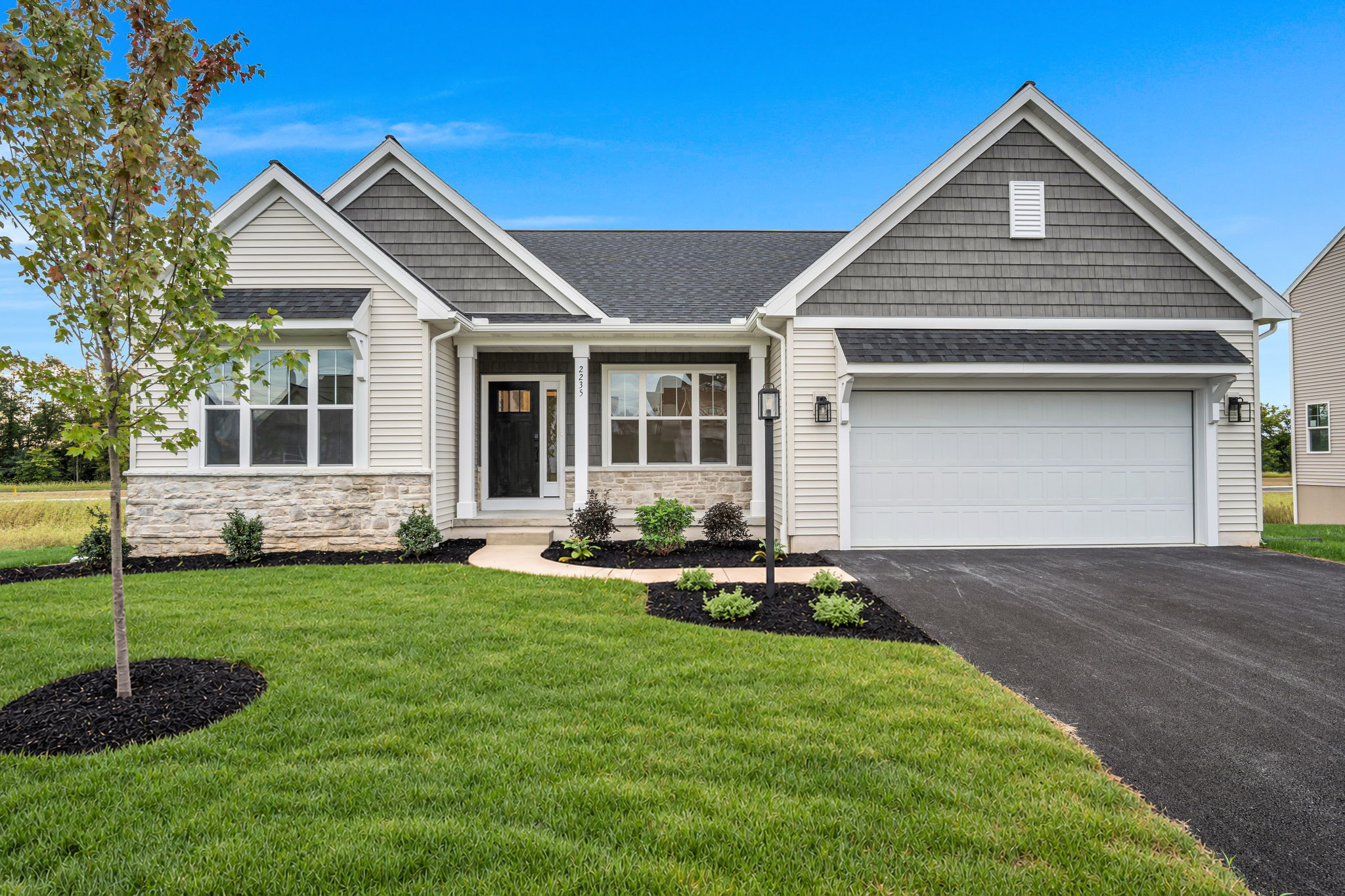
If you're buying a home that's finished or nearly finished, your closing window is short and fairly predictable. A standard lock period often lines up fine with this kind of timeline, since there's little construction left to cause delays.
When to Lock on a To-Be-Built Home
A home that hasn't been built yet is a different situation. Your closing date depends on a full construction schedule, and schedules shift. A few approaches we see buyers consider:
- Waiting to lock until later in the build, once the timeline is more predictable.
- Choosing an extended lock designed to cover a longer construction period.
- Asking about a lender program built specifically around new construction, which may structure the lock differently than a standard resale loan.
There's no single right answer here. It depends on your lender, your construction timeline, and how comfortable you are with uncertainty in either direction.
What Happens If Your Build Runs Past Your Lock
Construction delays happen. Weather, permitting, material availability, and inspection scheduling can all push a closing date later than planned, and if that happens after your lock expires, you have a decision to make.
The Federal Reserve's consumer guide notes that if a lock-in period expires, most lenders will offer the loan based on the prevailing interest rate and points at that time. Some lenders may offer an extension instead, usually for a fee. Either way, expect this to cost something, whether in rate, fees, or both. The specifics vary by lender, which is exactly why this needs to be a conversation before you lock, not after.
Questions to Ask Your Lender Before You Lock
The CFPB recommends asking these questions directly, and we'd add that getting the answers in writing protects you if there's ever a dispute:
- What lock period does my Loan Estimate provide?
- Is a shorter or longer lock available, and what does it cost?
- What happens if closing is delayed and the lock expires?
- Could anything still change my rate after I lock, even with a locked rate agreement in place?
- What happens if rates go down after I lock?
Lock policies aren't standardized across the industry. The only way to know what you're actually agreeing to is to ask your specific lender these questions and get the answers in writing.
Matching Your Lock to Your Build Schedule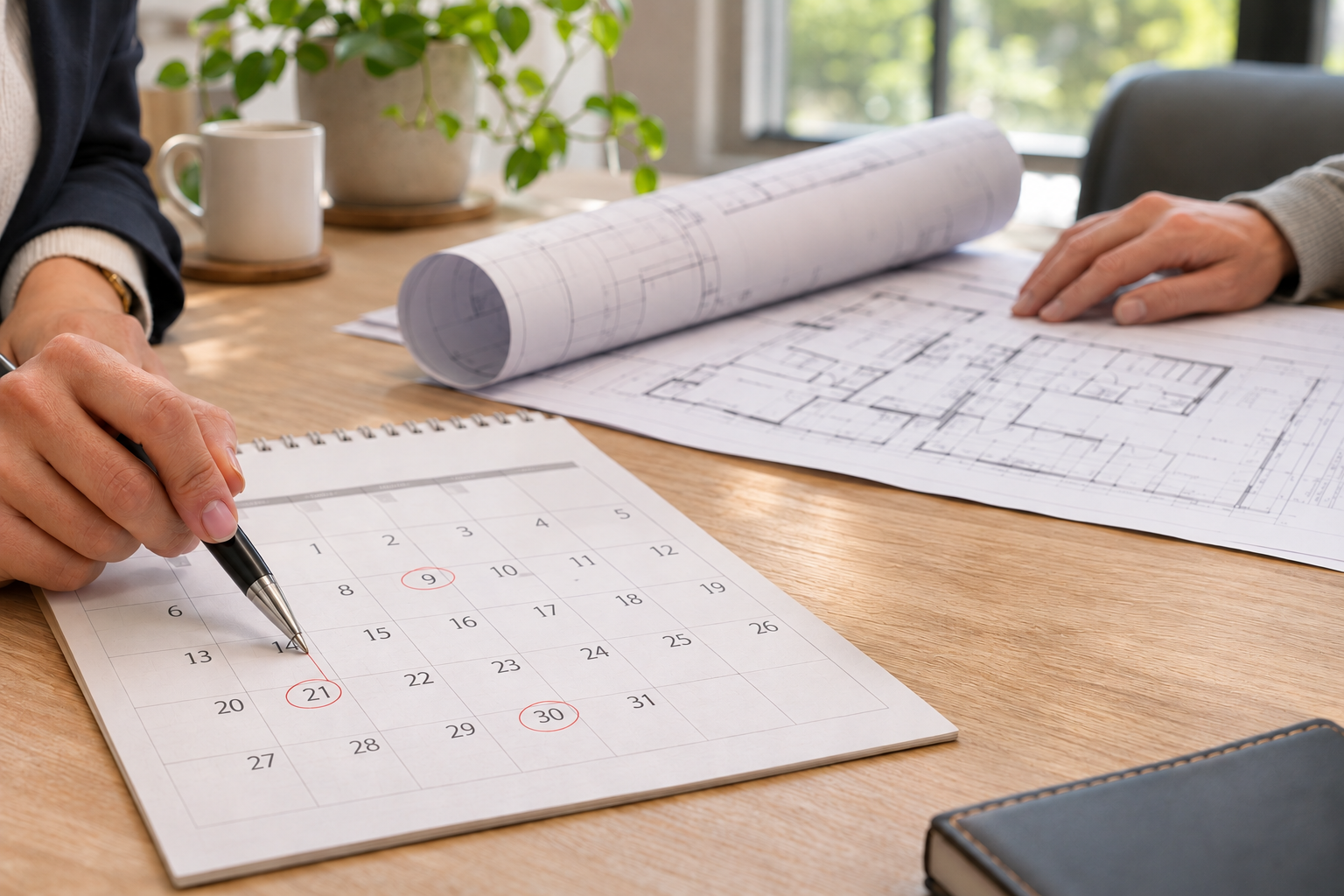
A rate lock only works in your favor if it's long enough to cover the time it actually takes to get to the closing table. For a Quick Move-In home, that's usually simple. For a to-be-built home, it takes a real conversation with your lender about the construction timeline and which lock option fits it.
This is general information based on CFPB and Federal Reserve consumer guidance, not financial advice specific to your loan. Every lender structures locks differently, so talk with your lender about what fits your timeline and your financial picture before you commit.
If you're exploring a new home in South Central Pennsylvania and want to understand how financing and build timelines fit together, our team can walk you through what to expect at each stage, from contract to settlement. Visit our financing resources or learn more about our building process to get started.
Frequently Asked Questions
What is a mortgage rate lock?
A rate lock is a lender's promise to hold a specific interest rate and number of points for a set period while your loan is processed, protecting you from rate changes as long as you close within that window and your application doesn't change.
How long can you lock a mortgage rate for new construction?
Lock lengths vary by lender. Standard locks often fit shorter resale timelines, while new construction may call for an extended lock to cover a longer build schedule. Ask your lender what lengths they offer.
What happens if my rate lock expires before closing?
According to the Federal Reserve, most lenders will offer the loan at the prevailing rate and points once a lock expires. Some lenders offer an extension instead, typically for a fee. Policies vary, so ask before you lock.
What is a float-down option?
A float-down option allows you to take advantage of a lower rate if one becomes available after you lock, before closing. Not all lenders offer this, so it's worth asking about directly.
Should I lock my rate before my home is built?
It depends on your lender's options and your construction timeline. Some buyers wait to lock until later in the build process when the closing date is clearer, while others choose an extended lock or a new construction loan program upfront.
 0