


Nest Notes
What Makes a Home Easy to Live In: The Everyday Details Buyers Rarely Notice Until They Move In
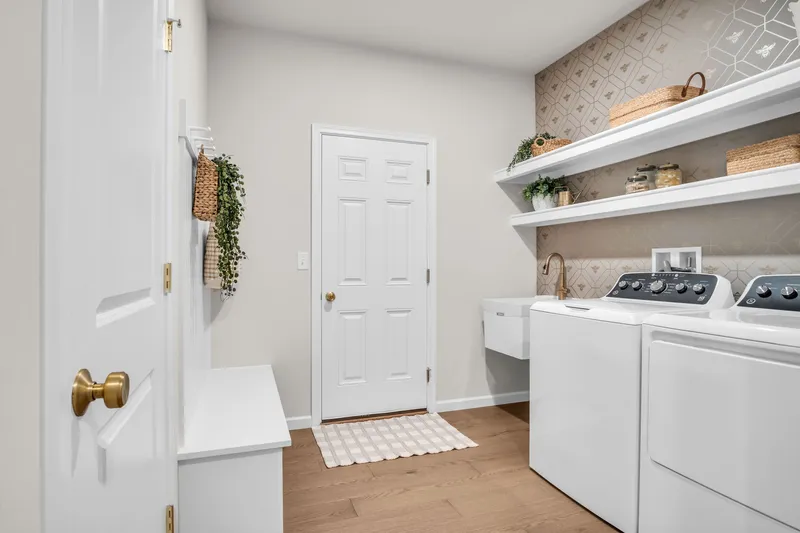
November 4, 2026
What Makes a Home Easy to Live In: The Everyday Details Buyers Rarely Notice Until They Move In
Some of the features that matter most never make the brochure. Nobody tours a model home and asks to see the laundry room's natural light, or how far the pantry sits from the garage door. But six months after move-in, those are the details that decide whether a house feels easy to live in or like a daily negotiation.
We've walked enough buyers through enough homes to know what makes a home easy to live in isn't the kitchen island or the soaring entryway. It's the small, practical stuff: where you set your keys down, whether the laundry basket has to travel up two flights of stairs, how many steps separate the car from the pantry. These are the everyday home features that quietly shape how a house actually functions, long after the open house ends.
Here's what to look for, and why each one matters more than it seems.
Key Takeaways
- A laundry room ranks among the two most wanted features in a home, alongside a patio, with 86% of buyers rating it essential or desirable, according to NAHB's What Home Buyers Really Want study.
- A walk-in pantry has been the top-rated or tied-for-top kitchen feature in every edition of the NAHB survey, cited by 80% of buyers.
- A linen closet has ranked among the two highest-rated bathroom features in every survey cycle, with 76% of buyers calling it essential or desirable.
- Garage storage matters enough to be named by 81% of buyers as a must-have or desirable feature.
- Traffic flow, natural light, and drop zones rarely show up on a spec sheet, but they're often the difference between a home that feels calm and one that feels cluttered.
- A flexible room, one that can shift from office to nursery to guest space, adds long-term value that a fixed-purpose room can't.
- The best way to judge these details isn't to read about them. It's to walk a model home the way you'd walk your own Tuesday morning.
Garage Entry: Where It Lands You
Most people don't walk through the front door. They come in from the garage, arms full, kids in tow, and that entry point sets the tone for the rest of the day.
The question worth asking isn't just "is there a garage entry." It's where that entry lands you, and whether there's a place to set things down before you're navigating the rest of the house. A garage entry that dumps you straight into the kitchen with nowhere to pause means bags on the counter and shoes in the hallway. One with even a small landing zone changes that instantly.
Garage storage itself is something buyers care about more than most people expect. NAHB research found 81% of buyers rate garage storage as essential or desirable, right alongside features like ceiling fans and main-level hardwood. It's not a glamorous feature, but it's a lived-in one.
Pantry: Walk-In vs. Cabinet, and How Far It Is From the Car
A pantry is one of those features that sounds the same on paper and feels completely different in practice. A walk-in pantry gives you visibility and real storage depth. A cabinet pantry works, but it asks you to be more organized than most families have time to be.
NAHB's buyer preference research backs this up directly: a walk-in pantry has been the top-rated or tied-for-top kitchen feature in every iteration of the survey, with 80% of buyers calling it essential or desirable. That's not a trend. That's a consistent, long-standing preference.
But the pantry's location matters as much as its size. If it's on the opposite side of the kitchen from where groceries come in, every trip from the car turns into a longer walk than it needs to be. The best layouts put the pantry on the natural path between garage and kitchen, so groceries go from trunk to shelf without a detour.
Laundry Location: Main Floor or Near the Bedrooms
Where the laundry room sits changes how often you actually do laundry, and how much it feels like a chore versus a task you can knock out between other things.
This is backed by the numbers. NAHB's What Home Buyers Really Want study found a laundry room is one of the two most wanted features in a home, tied with a patio, with 86% of buyers rating it essential or desirable, ahead of nearly everything else on a 200-plus feature list.
Beyond location, space matters. A laundry room with enough counter to fold and a rod to hang a few things does more for daily life than square footage alone would suggest. It's the difference between laundry being a 20-minute task and a pile that migrates around the house for a week.
Storage: Closets Where You Actually Need Them
Storage that exists isn't the same as storage that's placed well. A deep coat closet by a door you never use doesn't help the way a smaller closet by the door you use every day does.
One detail that shows up again and again in buyer research is the linen closet, specifically one near the bedrooms rather than tucked somewhere inconvenient. NAHB's bathroom feature research found a linen closet has ranked among the top two bathroom features in every edition of the survey, with 76% of buyers calling it essential or desirable, second only to a shower and tub combination. It's a small detail, but it's one buyers consistently say they want close to where they actually get ready in the morning.
Natural Light: Where the Sun Actually Lands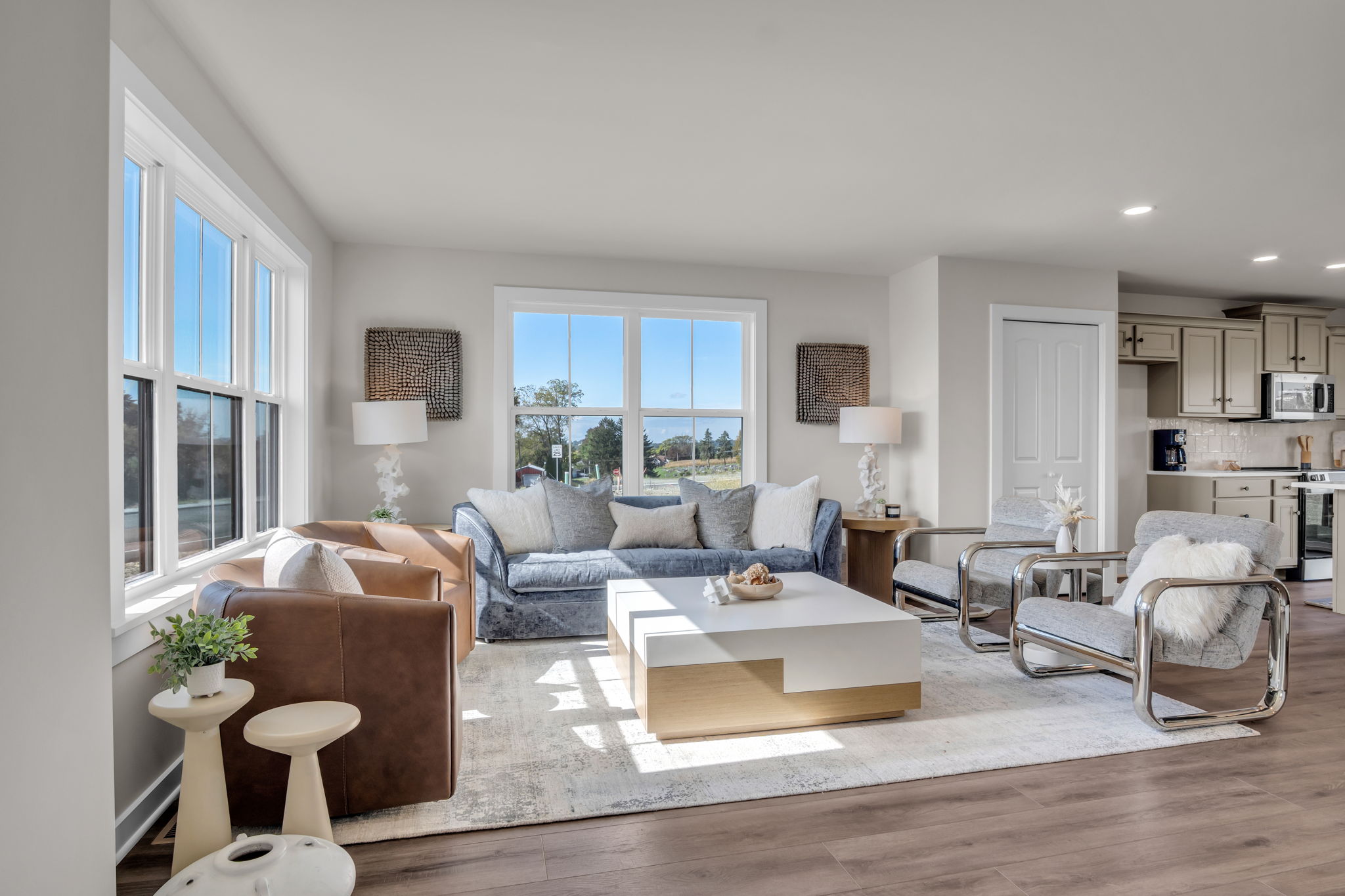
Window placement decides more about a room's mood than paint color ever will. A kitchen that catches morning light feels different than one that doesn't see sun until 4 p.m. A home office with afternoon glare is a daily annoyance, not a design flaw you notice once.
Walk a model with this in mind. Stand in the kitchen in the morning, or ask what direction the main living space faces. The rooms where you spend the most time should get the light that matches when you're in them.
Traffic Flow: Can You Get Anywhere Without Cutting Through the Living Room
A home with good flow lets you move through it without disrupting whoever's in the main living space. A home with poor flow means every trip to the bathroom or the laundry room becomes a walk-through, interrupting a movie, a nap, a conversation.
This is easy to overlook on paper and obvious the first week you live somewhere. Look at how bedrooms, bathrooms, and the kitchen connect. If every path runs through the family room, that's worth noticing before you sign anything.
Drop Zones: A Place for Mail, Phones, and Keys
Without a dedicated spot, mail and keys end up on the kitchen counter. Every time. It's not a discipline problem, it's a design gap.
A small drop zone, even just a shelf and a hook near the entry, solves this before it starts. It keeps the kitchen counter clear for actual cooking and gives everyone in the house one place to look for their keys instead of five.
Flexible Rooms: A Space That Can Change as You Do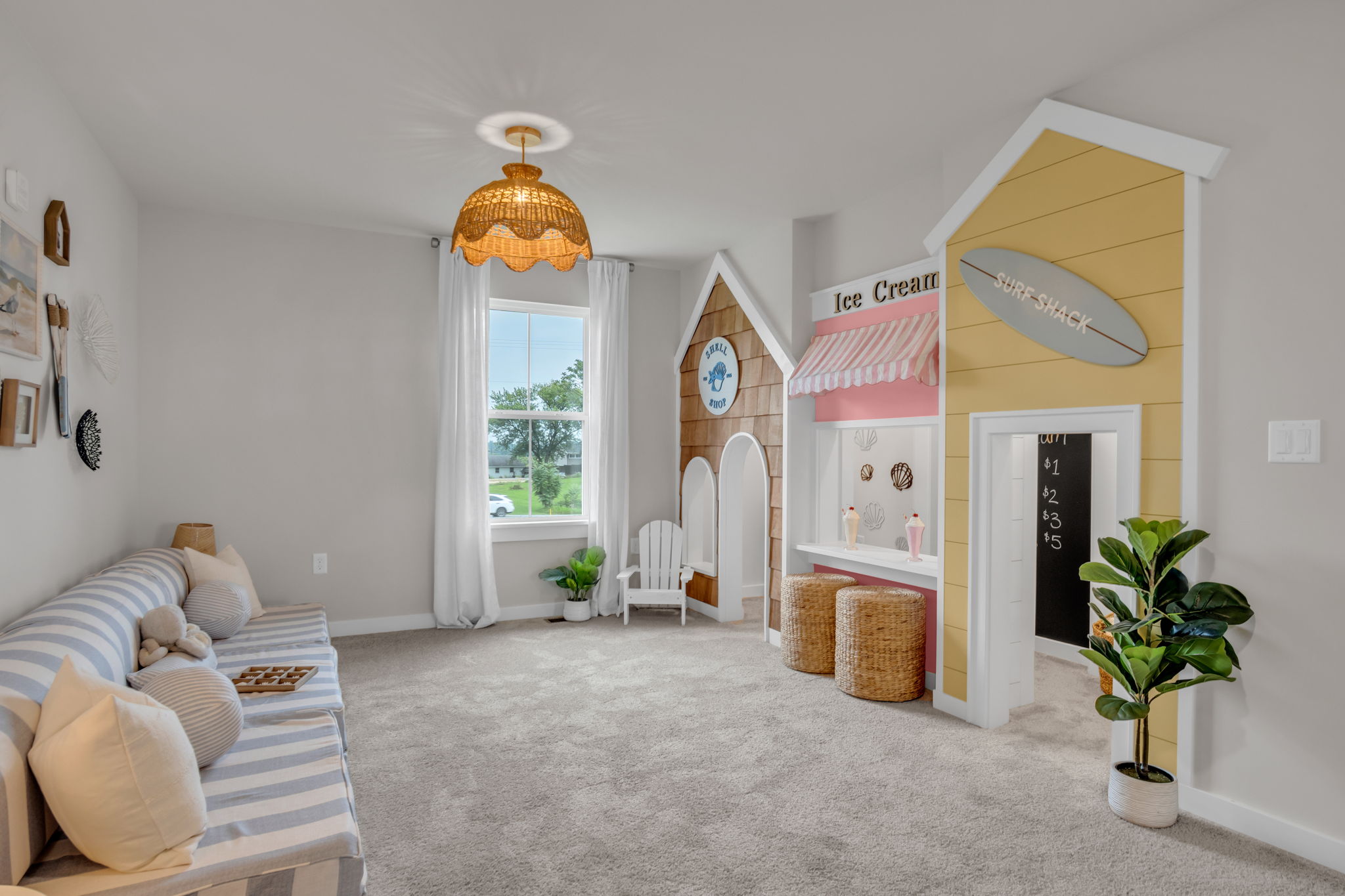
A room with one fixed purpose is a room you'll eventually outgrow. A flexible room, one that works as a home office today and a nursery or guest room later, holds its value as your life changes.
This matters more now than it used to. Remote work, aging parents, growing families: a lot of households need a room that can shift roles without a renovation. Ask whether a space can genuinely serve more than one purpose, or whether it's locked into a single layout by its size or location.
Outlets and Lighting: Where the Devices Actually Charge
Modern life runs on outlets. Without enough of them in the right spots, you end up with cords running across counters and devices charging on the floor.
Task lighting matters just as much, particularly in kitchens and bathrooms where you're actually doing something, not just passing through. Good lighting under cabinets and around a vanity mirror makes a bigger daily difference than most buyers expect until they're living without it.
How to Check These on a Tour
The best way to evaluate all of this isn't to ask a list of questions. It's to walk the model home the way you'd walk your own house on an ordinary day.
Come in through the garage like you've just gotten home from work. Walk to the kitchen like you're unloading groceries. Picture a Tuesday morning: where does the laundry sit, where do the keys land, which rooms catch the morning light. The details that make a home easy to live in show up in that walk-through far more clearly than they do on a spec sheet.
Easy Living Comes From Small Details Done Right
None of this is flashy. A well-placed pantry, a linen closet near the bedrooms, a drop zone by the door: these aren't the features that sell a home from a brochure photo. But they're the ones that decide whether a house works for the life you're actually living in it.
We design around these everyday realities because they're what turn a floor plan into a home that functions. If you're touring homes and want to talk through what good flow, storage, and layout actually look like in person, reach out to our team or explore our process to see how we think about these details from the ground up.
FAQ
What makes a home easy to live in?
A home is easy to live in when its everyday details, like pantry location, laundry placement, storage, natural light, and traffic flow, support real daily routines instead of working against them. These practical home features matter more to long-term comfort than finishes or square footage alone.
Is a walk-in pantry worth it compared to a cabinet pantry?
Yes. NAHB research shows a walk-in pantry has been the top-rated or tied-for-top kitchen feature in every edition of its buyer preference study, with 80% of buyers rating it essential or desirable.
Should the laundry room be on the main floor or near the bedrooms?
Either can work well, but the laundry room's location should match your household's daily habits. NAHB found a laundry room is one of the two most wanted features in a home overall, with 86% of buyers rating it essential or desirable, so its placement is worth prioritizing during a home tour.
Why does a linen closet near the bedrooms matter?
A linen closet near the bedrooms keeps everyday items close to where you actually use them. NAHB research shows it has ranked among the top two bathroom features in every survey cycle, with 76% of buyers calling it essential or desirable.
What is a drop zone and why do homes need one?
A drop zone is a small dedicated space, often near the entry or garage door, for mail, keys, and phones. Without one, those items tend to collect on the kitchen counter instead.


 0